Category: Student Resources

What Should I Specialize in as an Occupational Therapist? 

What Should I Specialize in as an Occupational Therapist? 

Occupational therapists can develop expertise in many areas of practice, including pediatrics, physical rehabilitation, gerontology, mental and behavioral health, hand therapy, low vision, driving and community mobility. The right specialty depends on the populations you want to serve, the occupational performance challenges that interest you, and the clinical environments in which you want to practice. Entry-level occupational therapy education prepares […]

Read the full article.

Vocational Nursing Diploma vs. Associate Degree: What’s the Difference? 

Vocational Nursing Diploma vs. Associate Degree: What’s the Difference? 

A vocational nursing diploma program and an associate-degree vocational nursing program can both prepare you to pursue licensure as a licensed vocational nurse (LVN) in California when they meet applicable state requirements. The main difference is the educational credential you earn, and the amount of coursework included beyond the required vocational nursing curriculum. Diploma programs typically concentrate […]

Read the full article.

How to Change Careers and Become a Nurse 

How to Change Careers and Become a Nurse 

You do not need previous experience in healthcare to eventually pursue nursing. Many nursing students enter school after working in restaurants, retail stores, coffee shops, food service, warehouses, and other non-patient-care environments. Although those jobs do not replace nursing education or clinical training, they can help you develop transferable skills such as communication, teamwork, time management, adaptability, and […]

Read the full article.

How Do Clinical Rotations Prepare Nursing Students for Patient Care? 

How Do Clinical Rotations Prepare Nursing Students for Patient Care? 

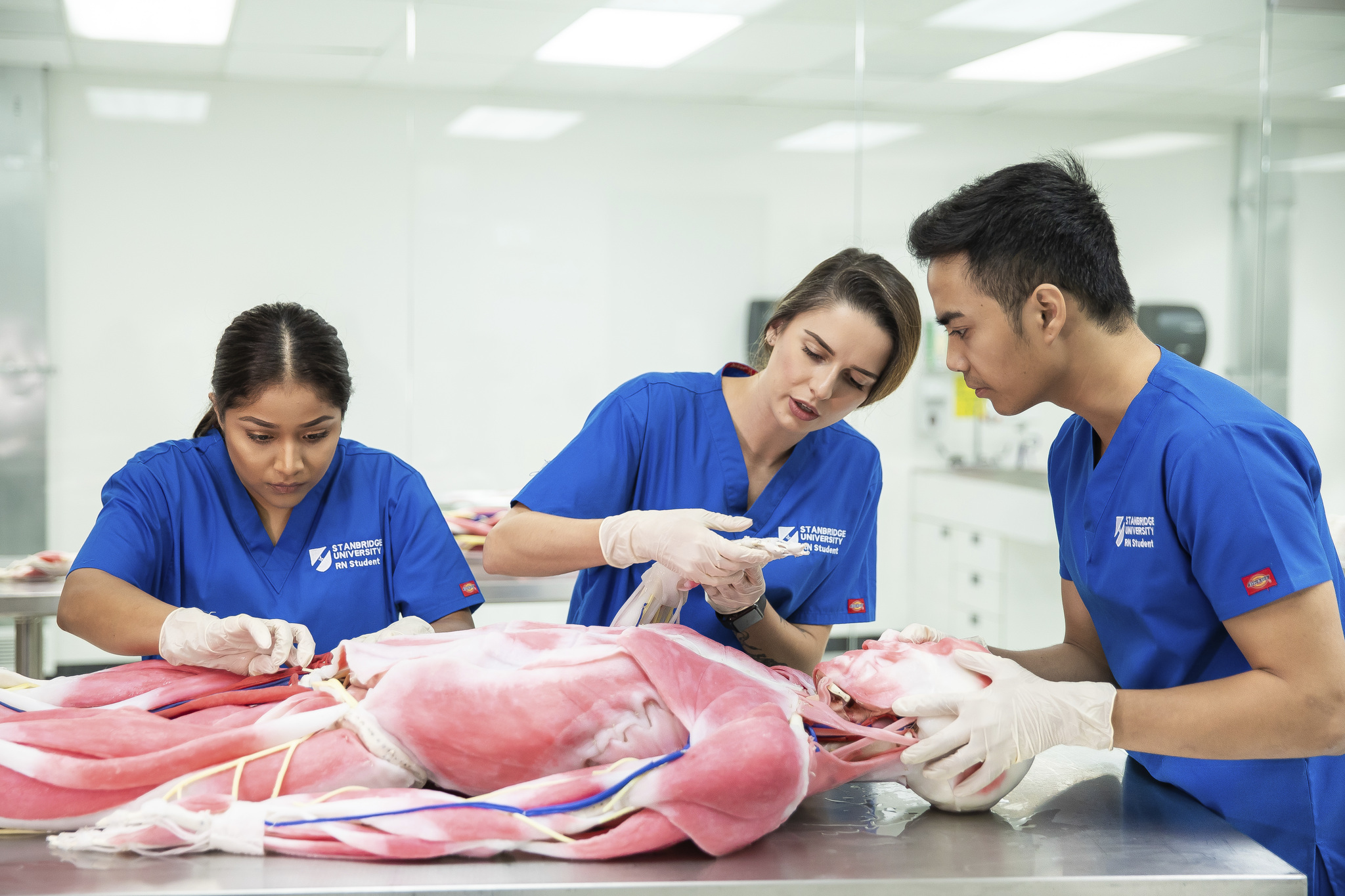
Nursing clinical rotations give you supervised opportunities to apply what you’ve learned in the classroom, skills lab, and simulation environment to actual patient care. Depending on your program and clinical placement, you may practice assessment, communication, documentation, medication-related skills, prioritization, teamwork, and other nursing responsibilities appropriate to your level of education. As you progress, clinical education can help you connect nursing knowledge with […]

Read the full article.

Occupational Therapy Assistant vs. Physical Therapist Assistant Careers in California 

Occupational Therapy Assistant vs. Physical Therapist Assistant Careers in California 

Occupational therapy assistants (OTAs) and physical therapist assistants (PTAs) both work in rehabilitation, but they help patients reach different types of goals. OTAs generally help people develop or regain the skills needed to participate in meaningful daily activities, while PTAs focus more directly on movement, mobility, strength, and physical function. In California, both careers typically require accredited education, a national examination, and state […]

Read the full article.

Benefits of Becoming a Healthcare Worker in California 

Benefits of Becoming a Healthcare Worker in California 

Healthcare careers in California offer several potential benefits, including strong projected employment demand, a wide range of work environments, and opportunities to care directly for patients. According to the California Employment Development Department (EDD), many healthcare occupations are projected to grow through 2032, including registered nurses, licensed vocational nurses, occupational therapy assistants, and physical therapist assistants.¹ Understanding […]

Read the full article.

What Should You Consider When Choosing a Nursing Career Path for the Long Term? 

What Should You Consider When Choosing a Nursing Career Path for the Long Term? 

Nursing offers several educational and career pathways, from nursing assistant roles and vocational nursing to registered nursing and graduate-level education. The right nursing career path depends on more than how quickly you want to enter the field. Your preferred responsibilities, educational goals, work environment, interest in direct patient care, and plans for future education can all shape […]

Read the full article.

Skills Labs Versus Simulation Labs in Healthcare Education: What’s the Difference? 

Skills Labs Versus Simulation Labs in Healthcare Education: What's the Difference? 

Skills labs and simulation labs both give healthcare students opportunities to practice what they learn in class, but they serve different purposes. A skills lab typically focuses on learning and repeating specific clinical or technical skills in a structured setting. A simulation lab brings several skills together through realistic patient-care scenarios that may require assessment, […]

Read the full article.

How to Compare PTA Programs in California 

How to Compare PTA Programs in California 

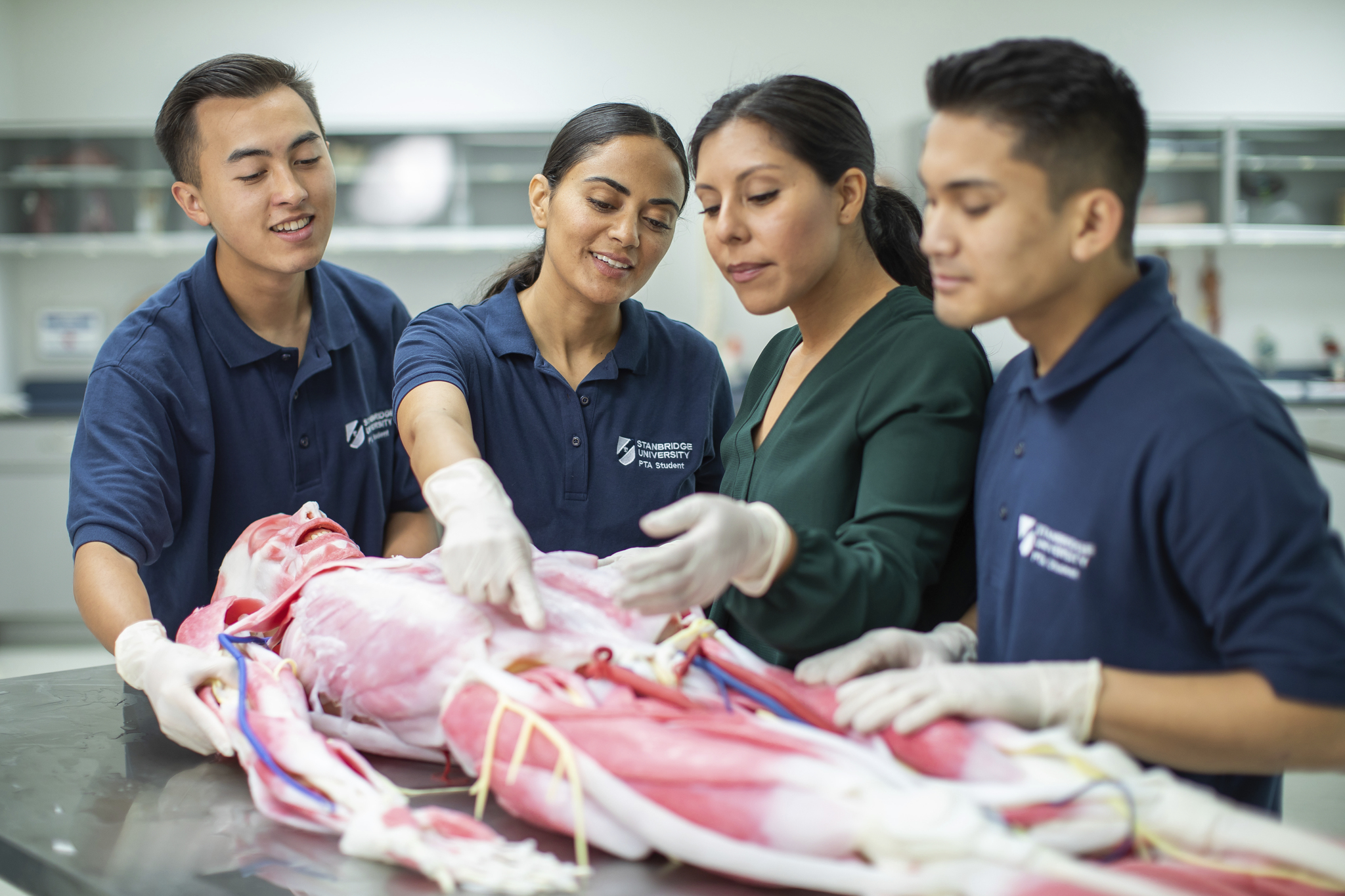
If you’re comparing Physical Therapist Assistant (PTA) programs in California, start with CAPTE accreditation, then look at NPTE pass rates, clinical education, curriculum, program length, schedule, costs, and student support. Because each program is structured differently, reviewing the same factors across your options can help you find a PTA program that aligns with your educational goals, learning […]

Read the full article.

What To Consider When Comparing BSN Programs in Riverside County 

What To Consider When Comparing BSN Programs in Riverside County 

If you’re comparing Bachelor of Science in Nursing (BSN) programs in Riverside County, consider California Board of Registered Nursing (BRN) approval, accreditation, NCLEX-RN pass rates, curriculum, clinical education, program length, admissions requirements, costs, student support, and location. Comparing these factors can help you find a program that aligns with your educational goals, schedule, and plans for becoming […]

Read the full article.