Category: Allied Health Programs

Discover blogs on allied health programs, training, and education. Learn how fields like occupational therapy and physical therapy prepare you to support patients in diverse healthcare settings.

How Innovative Technology Supports OTA Education 

How Innovative Technology Supports OTA Education 

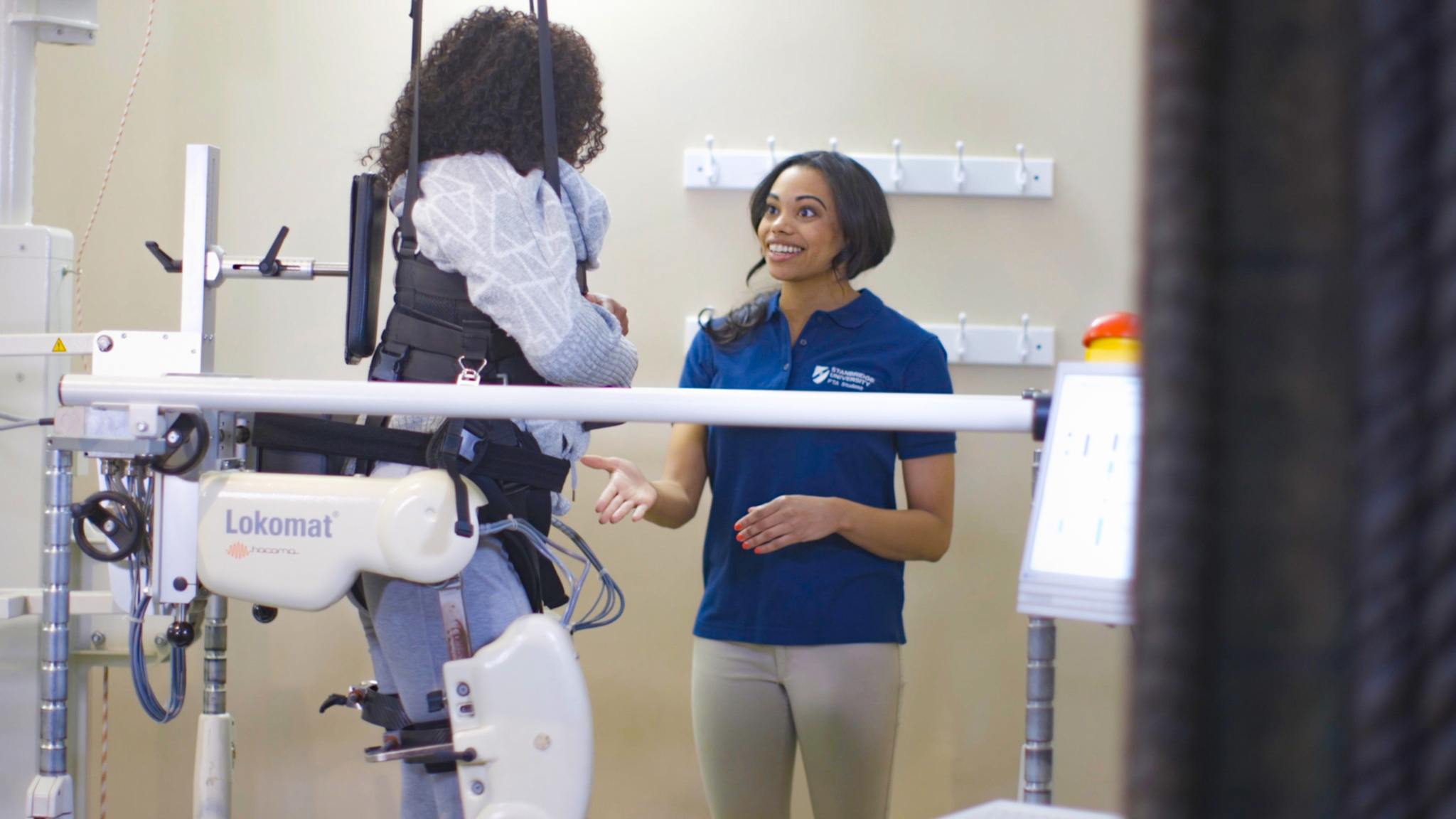
Occupational therapy assistant (OTA) students need to understand more than therapeutic techniques. They also study how anatomy, movement, health conditions, environments, and daily activities interact to affect a person’s ability to participate in meaningful occupations. Educational technology can make some of these concepts more interactive. At Stanbridge University, OTA students have access to resources including […]

Read the full article.

What Types of Patients Do Physical Therapist Assistants Work With? 

What Types of Patients Do Physical Therapist Assistants Work With? 

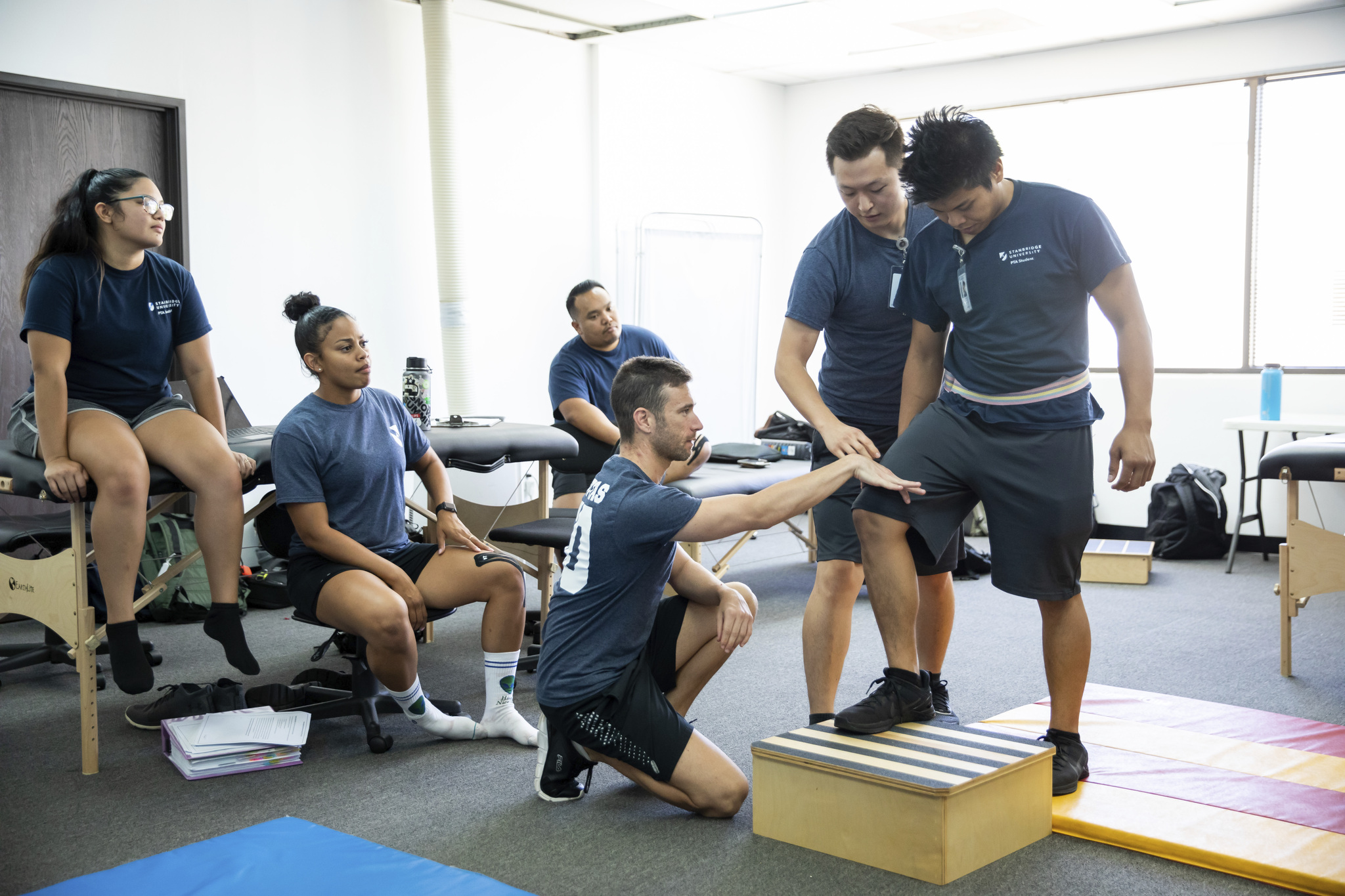
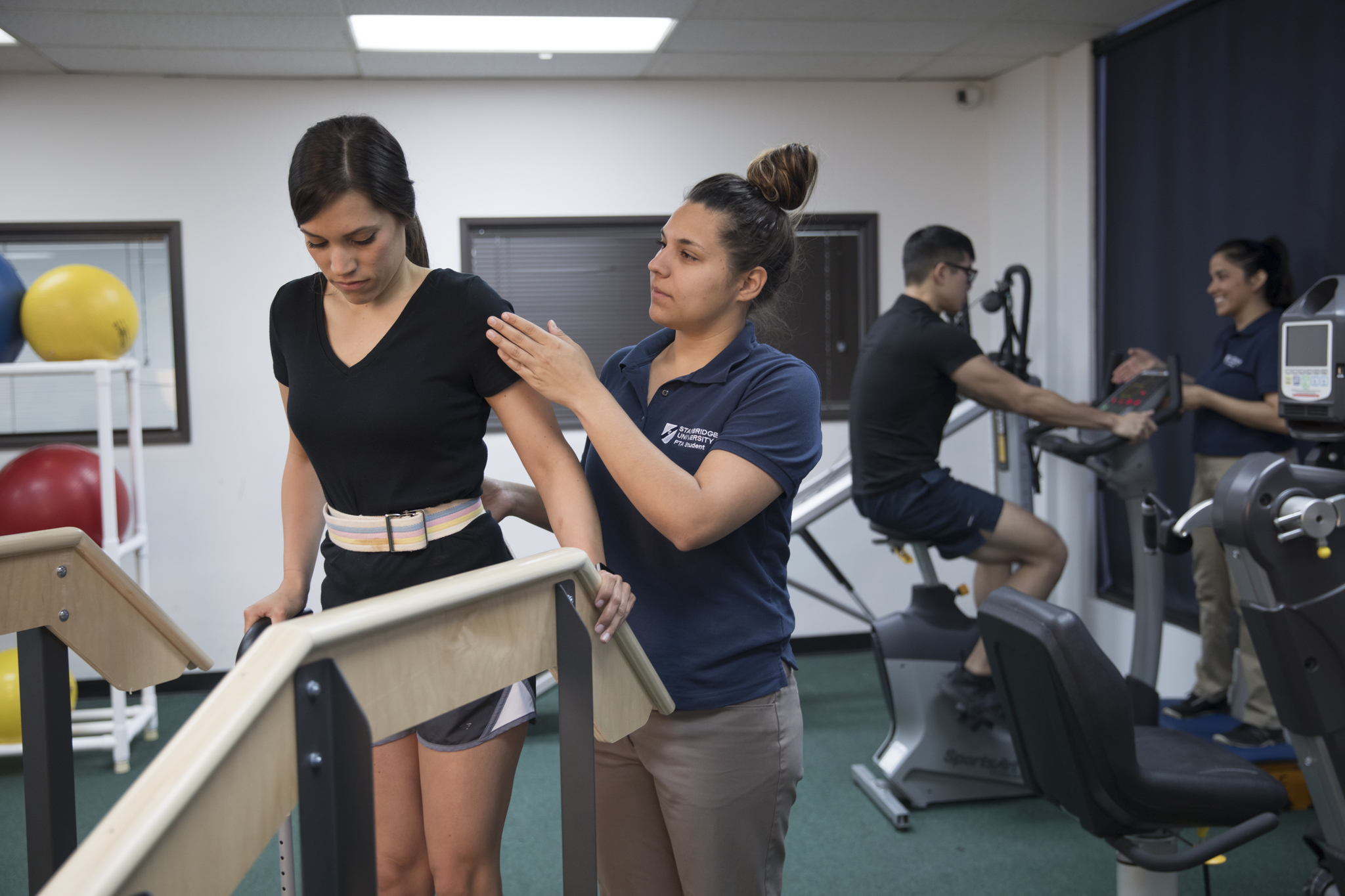
Physical therapist assistants (PTAs) can work with patients across the lifespan, from children developing movement skills to older adults recovering from surgery, injury, or changes in mobility. Depending on the setting, PTAs may help people with orthopedic injuries, neurological conditions, sports injuries, chronic health conditions, or age-related mobility challenges. PTAs work under the direction and […]

Read the full article.

What Should I Specialize in as an Occupational Therapist? 

What Should I Specialize in as an Occupational Therapist? 

Occupational therapists can develop expertise in many areas of practice, including pediatrics, physical rehabilitation, gerontology, mental and behavioral health, hand therapy, low vision, driving and community mobility. The right specialty depends on the populations you want to serve, the occupational performance challenges that interest you, and the clinical environments in which you want to practice. Entry-level occupational therapy education prepares […]

Read the full article.

Occupational Therapy Assistant vs. Physical Therapist Assistant Careers in California 

Occupational Therapy Assistant vs. Physical Therapist Assistant Careers in California 

Occupational therapy assistants (OTAs) and physical therapist assistants (PTAs) both work in rehabilitation, but they help patients reach different types of goals. OTAs generally help people develop or regain the skills needed to participate in meaningful daily activities, while PTAs focus more directly on movement, mobility, strength, and physical function. In California, both careers typically require accredited education, a national examination, and state […]

Read the full article.

Benefits of Becoming a Healthcare Worker in California 

Benefits of Becoming a Healthcare Worker in California 

Healthcare careers in California offer several potential benefits, including strong projected employment demand, a wide range of work environments, and opportunities to care directly for patients. According to the California Employment Development Department (EDD), many healthcare occupations are projected to grow through 2032, including registered nurses, licensed vocational nurses, occupational therapy assistants, and physical therapist assistants.¹ Understanding […]

Read the full article.

How to Compare PTA Programs in California 

How to Compare PTA Programs in California 

If you’re comparing Physical Therapist Assistant (PTA) programs in California, start with CAPTE accreditation, then look at NPTE pass rates, clinical education, curriculum, program length, schedule, costs, and student support. Because each program is structured differently, reviewing the same factors across your options can help you find a PTA program that aligns with your educational goals, learning […]

Read the full article.

Why Hands-On Training Matters in Healthcare Education 

Why Hands-On Training Matters in Healthcare Education 

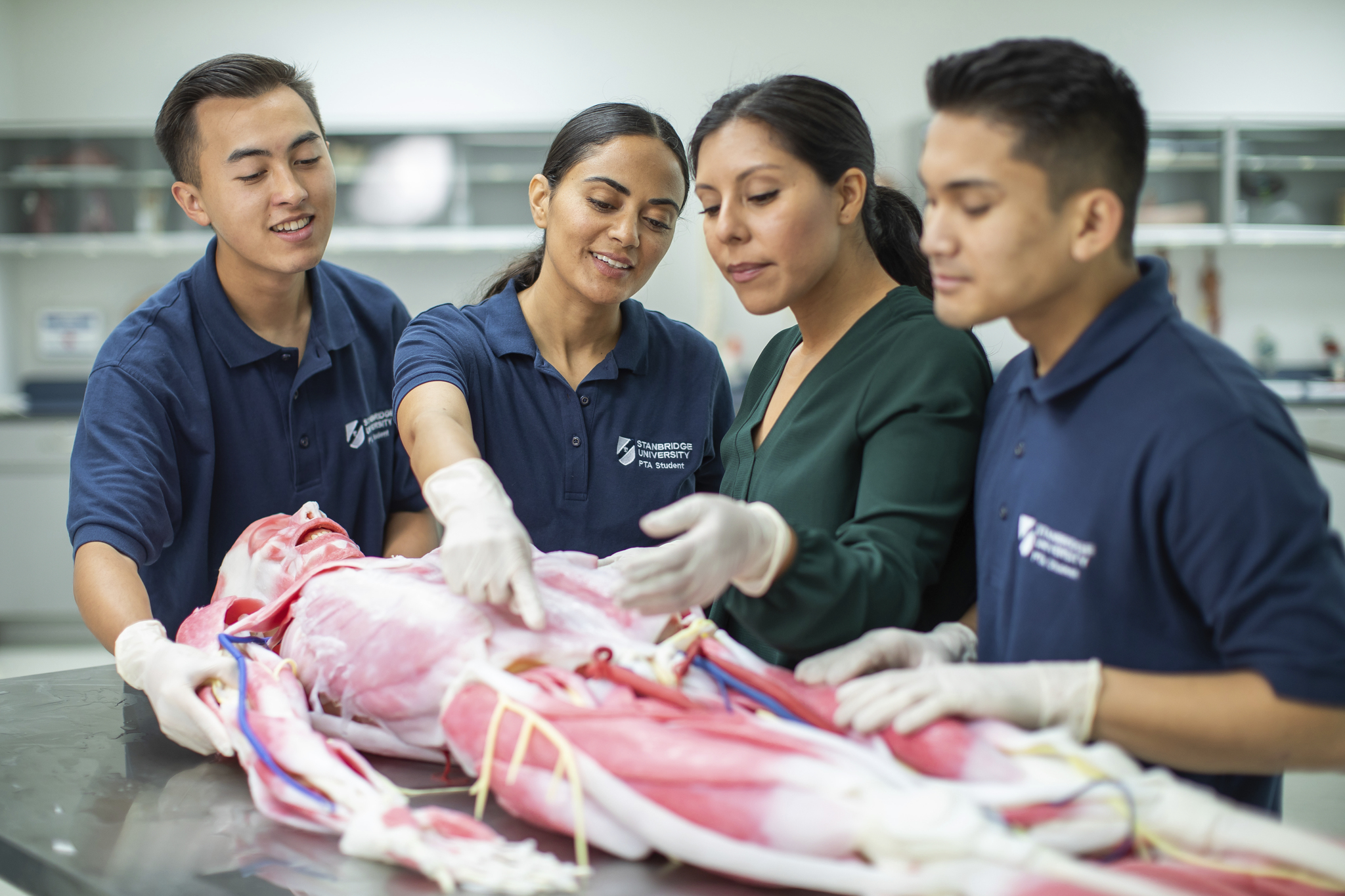
In a healthcare education program, hands-on training helps you connect classroom knowledge with practical skills. Through laboratory instruction, simulation-based learning, supervised clinical education, and fieldwork, you can practice communication, teamwork, technical skills, and clinical decision-making in structured learning environments. These experiences complement academic study and help you become more familiar with the expectations of patient care […]

Read the full article.

How to Shadow an Occupational Therapist Before Choosing an OT Career 

How to Shadow an Occupational Therapist Before Choosing an OT Career 

If you have an interest in occupational therapy, shadowing an occupational therapist can help you better understand what the profession looks like before committing to occupational therapy education. Whether you’re interested in becoming an occupational therapist or an occupational therapy assistant, observing patient care, asking questions, and learning about different practice settings can help you decide whether the career aligns […]

Read the full article.

What Can You Expect from an Occupational Therapy Graduate Program? 

What Can You Expect from an Occupational Therapy Graduate Program? 

A graduate program in occupational therapy combines classroom instruction, laboratory practice, collaborative learning, patient cases, research, and supervised fieldwork. As you progress through a Master of Science in Occupational Therapy (MSOT) graduate program, you will learn how to evaluate patients’ needs, develop individualized intervention plans, use evidence to guide care, and support participation in meaningful daily […]

Read the full article.

Occupational Therapy Practice Settings: Where Occupational Therapists and Occupational Therapy Assistants Work 

Occupational Therapy Practice Settings: Where Occupational Therapists and Occupational Therapy Assistants Work 

Occupational therapists (OTs) and occupational therapy assistants (OTAs) work in a variety of healthcare and community settings, including hospitals, rehabilitation centers, outpatient clinics, schools, skilled nursing facilities, in-home healthcare settings, and community organizations. Although specific daily responsibilities can vary depending on the environment and patient population, in all of these settings, OTs and OTAs help individuals improve independence […]

Read the full article.