Category: Nursing

Explore nursing-related topics, including education, training, and general resources from Stanbridge University.

How to Know if a Healthcare Career Is Right for You 

How to Know if a Healthcare Career Is Right for You 

Basic Overview  Healthcare careers can be rewarding if you enjoy helping others, solving problems, working as part of a team, and continuing to learn throughout your career. While no single personality is “perfect” for healthcare, understanding your interests, strengths, preferred work environment, and long-term goals can help you determine whether a healthcare career is the right fit.  Is […]

Read the full article.

Which Healthcare Careers Work with Children? 

Which Healthcare Careers Work with Children? 

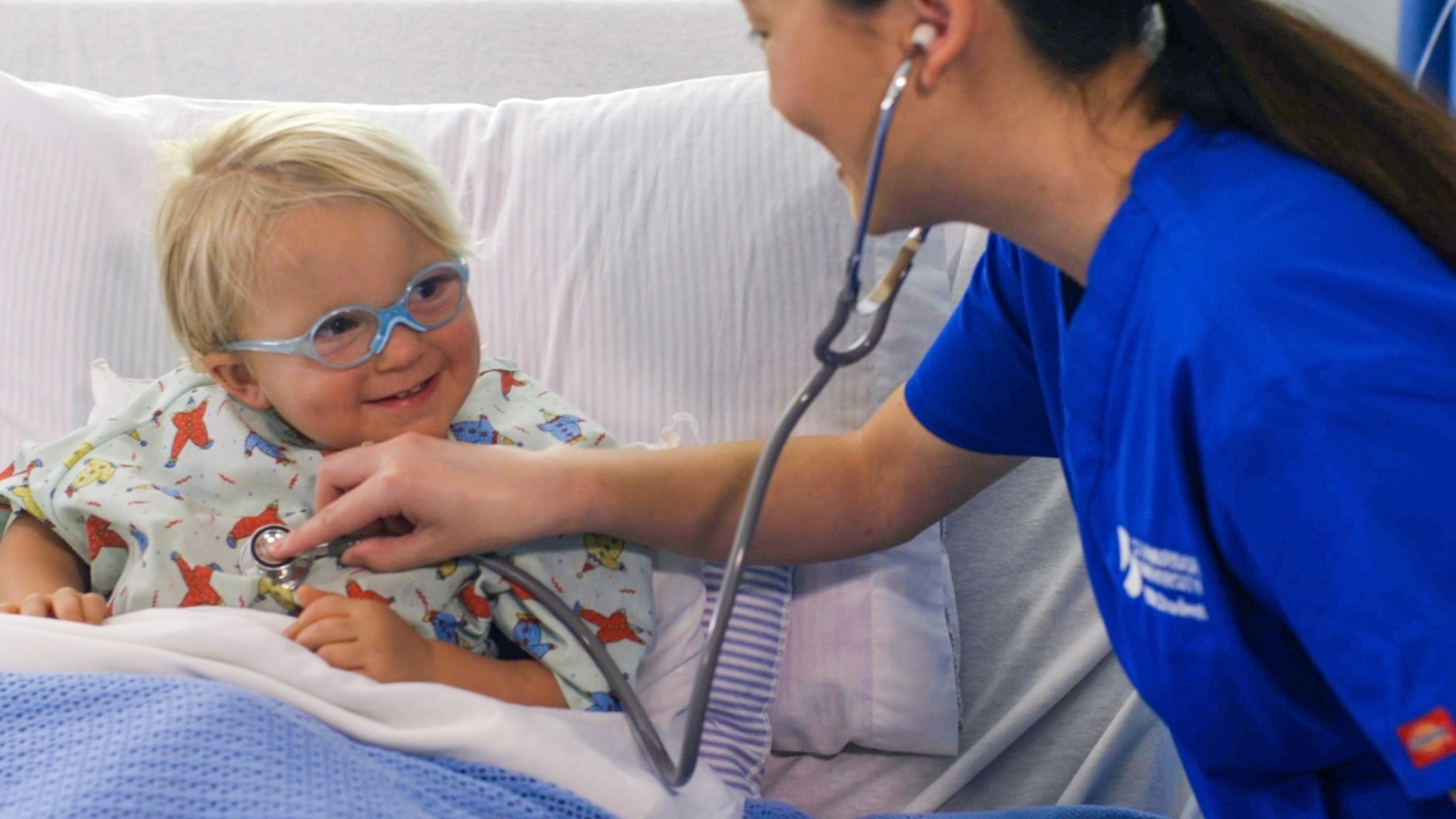
Basic Overview  If you enjoy working with children, there are many healthcare careers that provide opportunities to support pediatric patients and their families. Professionals such as Occupational Therapists, Occupational Therapy Assistants, Physical Therapist Assistants, Licensed Vocational Nurses, and Registered Nurses may work with infants, children, and adolescents in hospitals, schools, outpatient clinics, rehabilitation facilities, and […]

Read the full article.

What Makes a Nursing School Accredited? (And Why It Matters) 

What Makes a Nursing School Accredited? (And Why It Matters) 

Basic Overview  Accreditation is an important factor to consider when comparing nursing schools. However, nursing students may encounter several different types of accreditation and approval, including institutional accreditation, nursing program accreditation, and state board approval. Understanding how these work together can help you make a more informed decision when evaluating nursing education pathways.  Understanding Nursing School Accreditation  If you’re researching nursing schools, you’ve probably encountered terms like institutional accreditation, programmatic accreditation, and state […]

Read the full article.

What Is a Simulation Lab in Healthcare Education? 

What Is a Simulation Lab in Healthcare Education? 

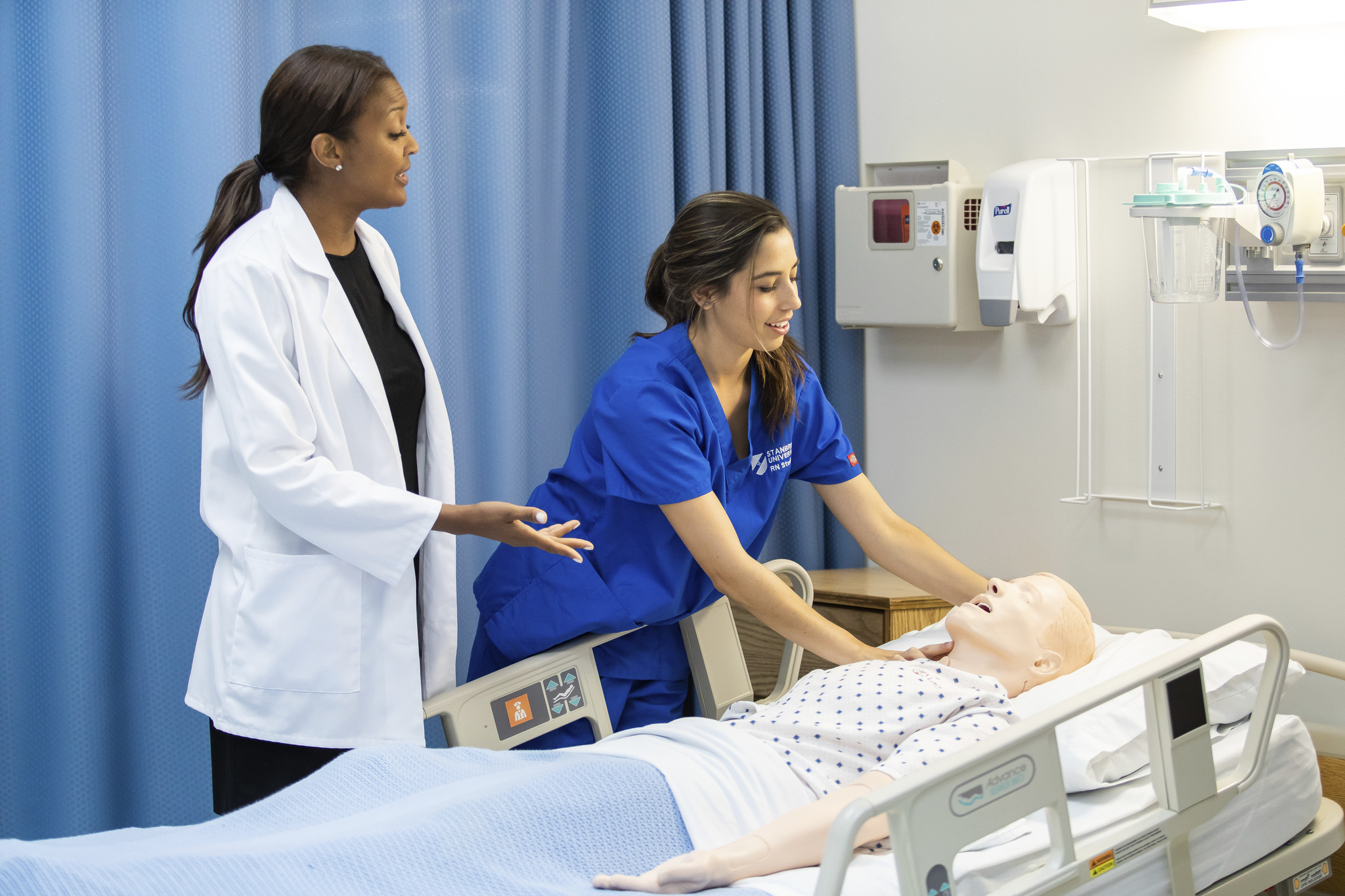
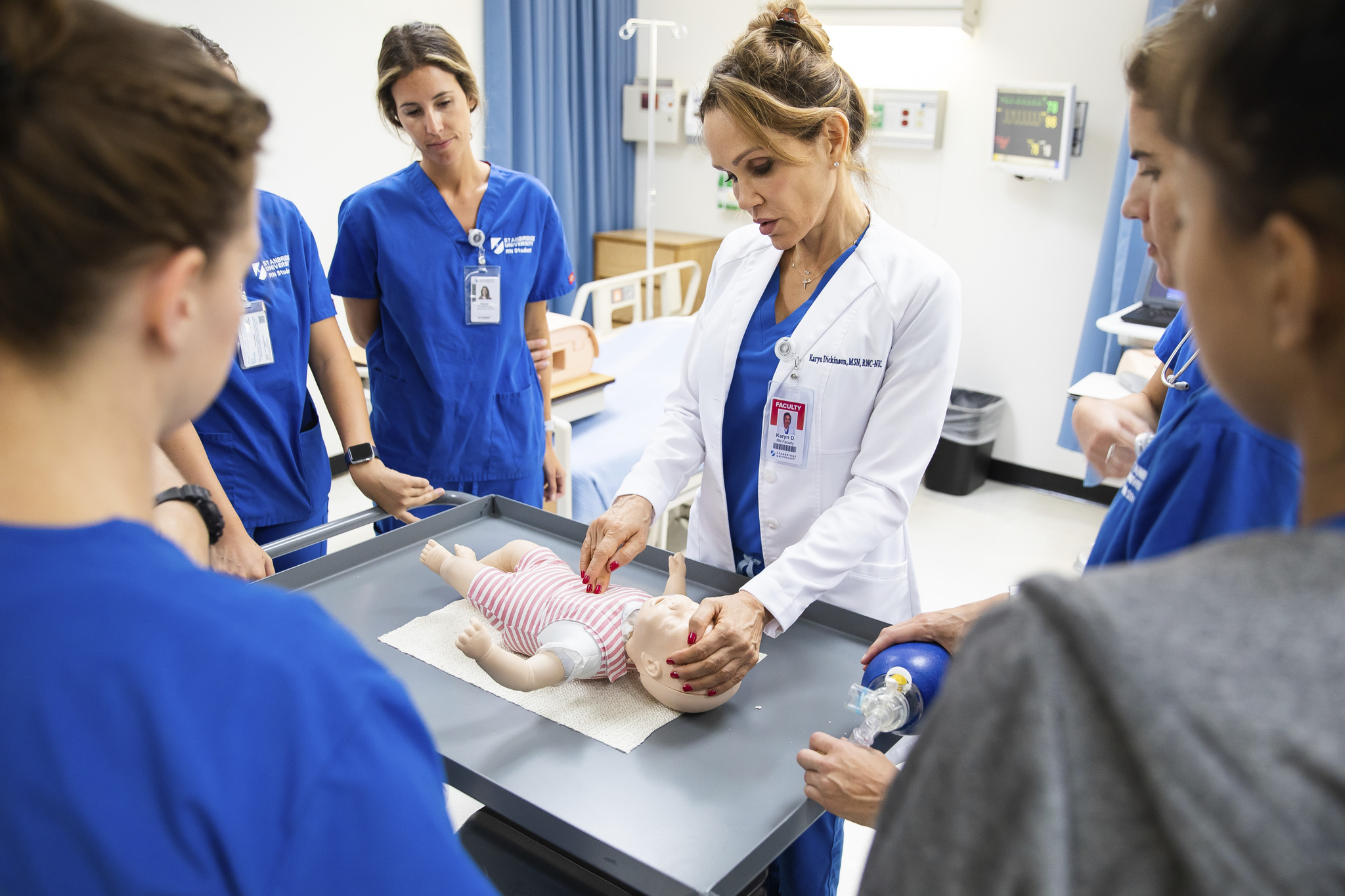
Basic Overview  A simulation lab is a learning environment where healthcare students practice clinical skills, communication, and decision-making using advanced technology before participating in supervised clinical or fieldwork experiences. Simulation-based learning complements classroom instruction by allowing students to apply concepts in realistic educational settings before working with real patients.  Understanding Simulation Labs  Healthcare education combines classroom instruction […]

Read the full article.

What Is Clinical Education in Healthcare Programs? 

What Is Clinical Education in Healthcare Programs? 

Basic Overview  Clinical education allows healthcare students to apply classroom learning in supervised healthcare settings. Through clinical experiences, fieldwork, and simulation-based learning, students develop practical skills, strengthen clinical reasoning, and gain experience working with patients and healthcare teams before entering professional practice.  Understanding Clinical Education  Students researching healthcare careers often learn through classroom instruction, laboratory experiences, simulations, […]

Read the full article.

Do You Need to Be a CNA Before Nursing School? 

Do You Need to Be a CNA Before Nursing School? 

Basic Overview  You do not need to become a Certified Nursing Assistant (CNA) before attending nursing school. While some students choose to work as CNAs before pursuing Licensed Vocational Nurse (LVN) or Registered Nurse (RN) education, many nursing programs do not require previous healthcare experience. The right pathway depends on your educational background, career goals, and personal preferences.  […]

Read the full article.

ADN vs. BSN: Which Nursing Pathway Is Right for You? 

ADN vs. BSN: Which Nursing Pathway Is Right for You? 

Basic Overview  Students interested in becoming Registered Nurses generally choose between two educational pathways: an Associate Degree in Nursing (ADN) or a Bachelor of Science in Nursing (BSN). Both pathways prepare graduates to pursue Registered Nurse licensure requirements, but they differ in curriculum, educational focus, and program length. Understanding these differences can help you determine which pathway aligns with […]

Read the full article.

What Does BVNPT Approval Mean for Vocational Nursing Programs?

What Does BVNPT Approval Mean for Vocational Nursing Programs?

Basic Overview  BVNPT approval means a vocational nursing program has been reviewed by the California Board of Vocational Nursing and Psychiatric Technicians. In California, students interested in becoming Licensed Vocational Nurses should review whether a program is BVNPT-approved, because approval is connected to vocational nursing education standards and eligibility pathways for the NCLEX-PN licensure examination.  Understanding […]

Read the full article.

How to Compare BSN Programs in California 

How to Compare BSN Programs in California 

Basic Overview  When comparing BSN programs in California, it’s important to evaluate factors such as accreditation, admissions requirements, program length, clinical experiences, NCLEX-RN pass rates, student support services, and educational technology. Reviewing these areas can help you identify a nursing program that aligns with your educational goals, learning preferences, and career aspirations.  What Should You Consider When Comparing BSN Programs?  […]

Read the full article.

Why Is Pharmacology Important for Nurses? 

Why Is Pharmacology Important for Nurses? 

Basic Overview  Pharmacology is an important part of nursing education because it helps students understand how medications work, how they affect the body, and how to support safe medication administration. Whether pursuing vocational nursing or registered nursing, students study pharmacology concepts that help prepare them for patient care responsibilities and clinical decision-making.  Understanding Pharmacology in Nursing […]

Read the full article.