What Is Evidence-Based Practice in Nursing, and Why Does It Matter?
Evidence-based practice (EBP) in nursing means using the best available evidence alongside clinical expertise and the individual patient’s needs, values, and circumstances to guide care.¹ It helps nurses make informed decisions using current knowledge rather than relying only on routine or tradition.
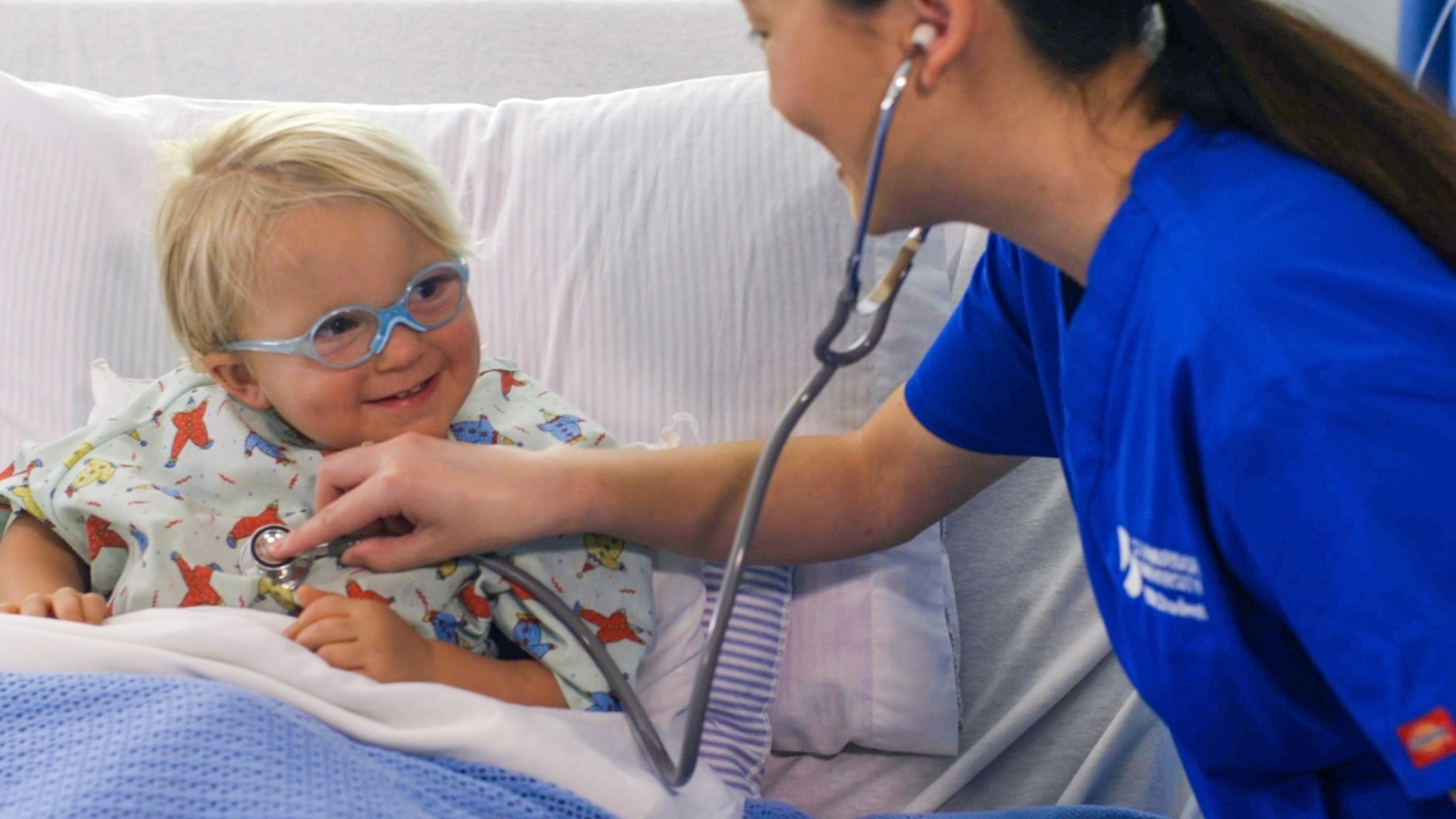
What Is Evidence-Based Practice in Nursing?
Evidence-based nursing brings together current evidence, clinical expertise, and individual patient needs and preferences.¹
| Part of Evidence-Based Practice | What It Means |
| Best Available Evidence | Current research, clinical guidelines, and other reliable evidence |
| Clinical Expertise | Professional nursing knowledge, judgment, and experience |
| Patient Needs and Preferences | The individual’s goals, values, circumstances, and response to care |
| Clinical Context | The setting, available resources, policies, and other factors affecting care |
These elements work together. Research may generally support an intervention, but healthcare professionals still need to consider whether it is appropriate for the individual patient and clinical situation.
How Do Nurses Use Evidence-Based Practice?
Nurses use evidence-based practice by identifying clinical questions, finding and evaluating reliable evidence, and considering how appropriate findings apply to patient care.¹
The process can be simplified into five steps:
- Identify a question or problem.
- Recognize an area where care, safety, or outcomes could be improved.
- Find current evidence.
- Look for relevant research, clinical guidelines, and other credible professional resources.
- Evaluate the evidence.
- Consider its quality, relevance, and limitations.
- Apply appropriate evidence.
- Integrate the evidence with clinical expertise, patient needs, scope of practice, and clinical setting.
- Evaluate the results.
- Determine whether the approach achieved the intended outcome and whether changes will be needed.
Evidence-based practice can inform areas such as infection prevention, fall prevention, pain management, medication safety, patient education, and quality improvement.
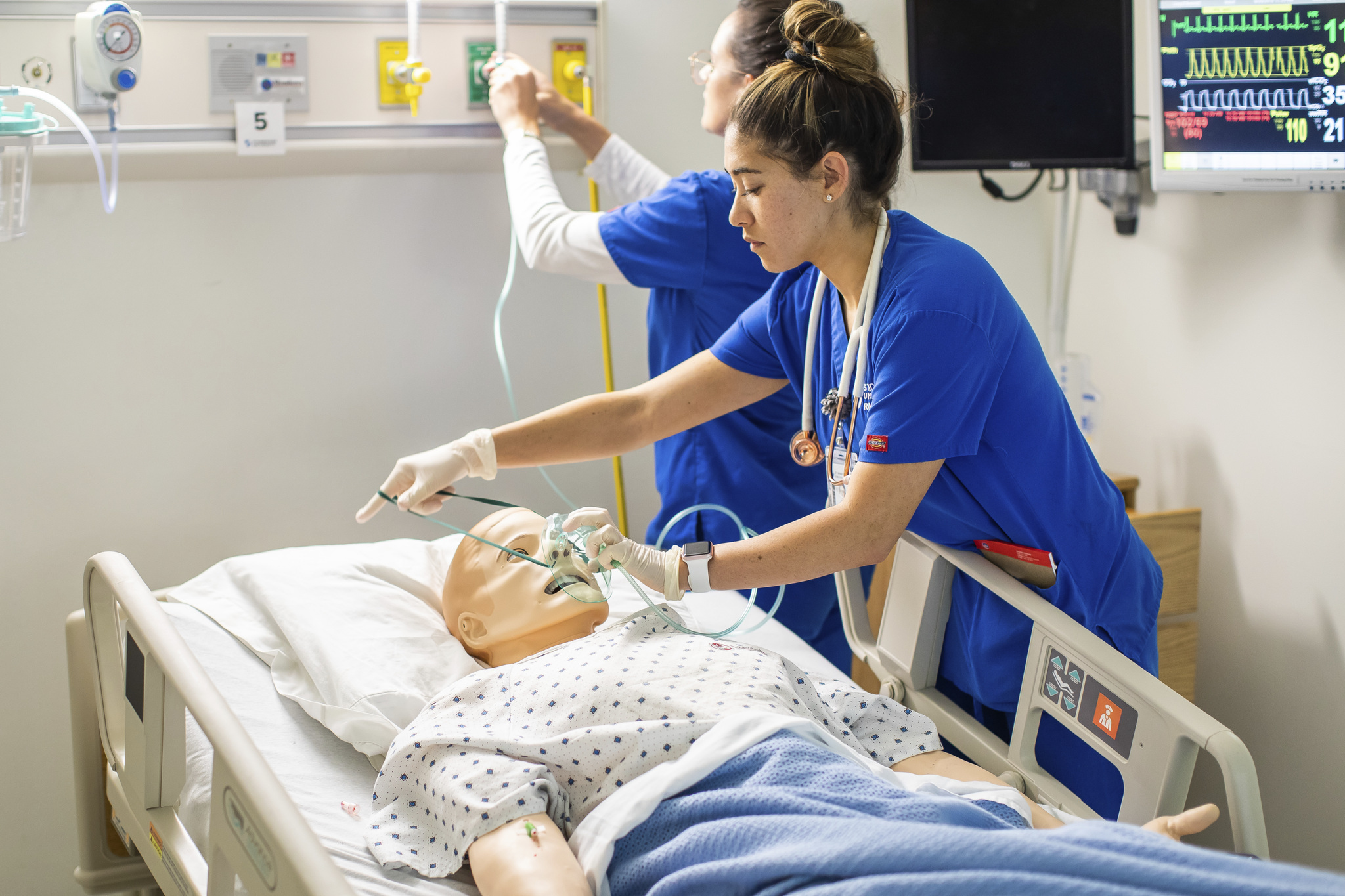
What Is an Example of Evidence-Based Practice in Nursing?
Fall prevention is one example of how evidence can inform nursing care. If patients with certain risk factors are experiencing falls, a healthcare team can examine current evidence to identify appropriate prevention strategies. Depending on the patient, these may involve assessment, mobility assistance, environmental safety, education, or communication among the care team.
However, the same approach may not be appropriate for every patient. Mobility, cognition, medications, health conditions, and individual needs can differ.
That combination of evidence, clinical judgment, and patient-specific factors is central to evidence-based practice.¹
Why Is Evidence-Based Practice Important in Nursing?
Nurses build a strong knowledge of healthcare practice in their education, but they do not stop learning once they begin working. As new healthcare techniques and discoveries are made, evidence-based practice (EBP) helps connect nursing care with current knowledge and supports informed clinical decision-making.¹
EBP can contribute to:
- Patient safety
- Quality of care
- Patient-centered care
- Clinical decision-making
- Quality improvement
- Professional accountability
- Lifelong learning
Healthcare knowledge continues to evolve. As new research, technologies, and clinical guidance emerge, nurses need the ability to evaluate information and understand how it may apply to patient care. Evidence-based practice therefore supports more than individual clinical decisions. It also provides a framework for continued professional learning.
How Do Nursing Students Learn Evidence-Based Practice?
Evidence-based practice begins in nursing education. Nursing students learn to connect evidence with clinical judgment and patient care through coursework and other educational experiences.
At Stanbridge University, the Bachelor of Science in Nursing curriculum includes a course dedicated to Evidence-Based Nursing Practice, which introduces the evidence-based practice research process and examines how evidence can be applied in healthcare settings, preparing students to be curious, thoughtful, and informed nurses.²
Evidence-based practice is also incorporated into Stanbridge’s vocational nursing curriculum. The program identifies EBP among its organizing concepts and includes the use of best-practice resources and current evidence within its learning outcomes.³
The responsibilities of LVNs and RNs differ, but both educational pathways introduce students to the importance of maintaining current knowledge in supporting safe nursing care.² ³ Beyond memorizing what current evidence says, a key part of becoming a nurse is developing the habit of asking:
“What does the evidence show, and how does it apply to this patient or situation?”
Students interested in nursing education can explore Stanbridge University’s current nursing programs.

Frequently Asked Questions
No. Nursing research generates new knowledge, while evidence-based practice uses existing evidence alongside clinical expertise and patient factors to inform care.
Not necessarily. Nurses may use research studies, systematic reviews, clinical guidelines, organizational resources, and other credible professional evidence. How much direct research appraisal is involved can vary by role and clinical situation.
Yes. Evidence can contribute to changes in clinical practices, policies, protocols, or education when reliable findings support a different approach. When changes like these are supported with research and evidence, they make healthcare safer and more effective.
Yes. Stanbridge’s BSN curriculum includes a dedicated Evidence-Based Nursing Practice course, while its vocational nursing curriculum incorporates evidence-based practice and the use of current evidence within its educational framework.² ³
Healthcare knowledge changes throughout a nursing career. Learning to evaluate evidence helps students identify reliable information and understand how new knowledge may inform patient care.
Footnotes
¹ American Nurses Association Evidence-Based Practice https://www.nursingworld.org/content-hub/resources/workplace/evidence-based-practice-in-nursing/
² Stanbridge University Catalog, NUR 3043 Evidence-Based Nursing Practice https://catalog.stanbridge.edu/all-course-descriptions/
³ Stanbridge University Catalog, Associate of Occupational Science in Vocational Nursing – General Information https://catalog.stanbridge.edu/programs/aosvn-program/aosvn-general-information/