What Is Clinical Judgment in Nursing, and How Do Nursing Students Develop It?
Clinical judgment in nursing is the process of recognizing and interpreting patient information, establishing priorities, determining appropriate actions, and evaluating the patient’s response. The National Council of State Boards of Nursing (NCSBN) describes clinical judgment as an outcome of critical thinking and decision-making and assesses it on the Next Generation NCLEX through its Clinical Judgment Measurement Model.¹
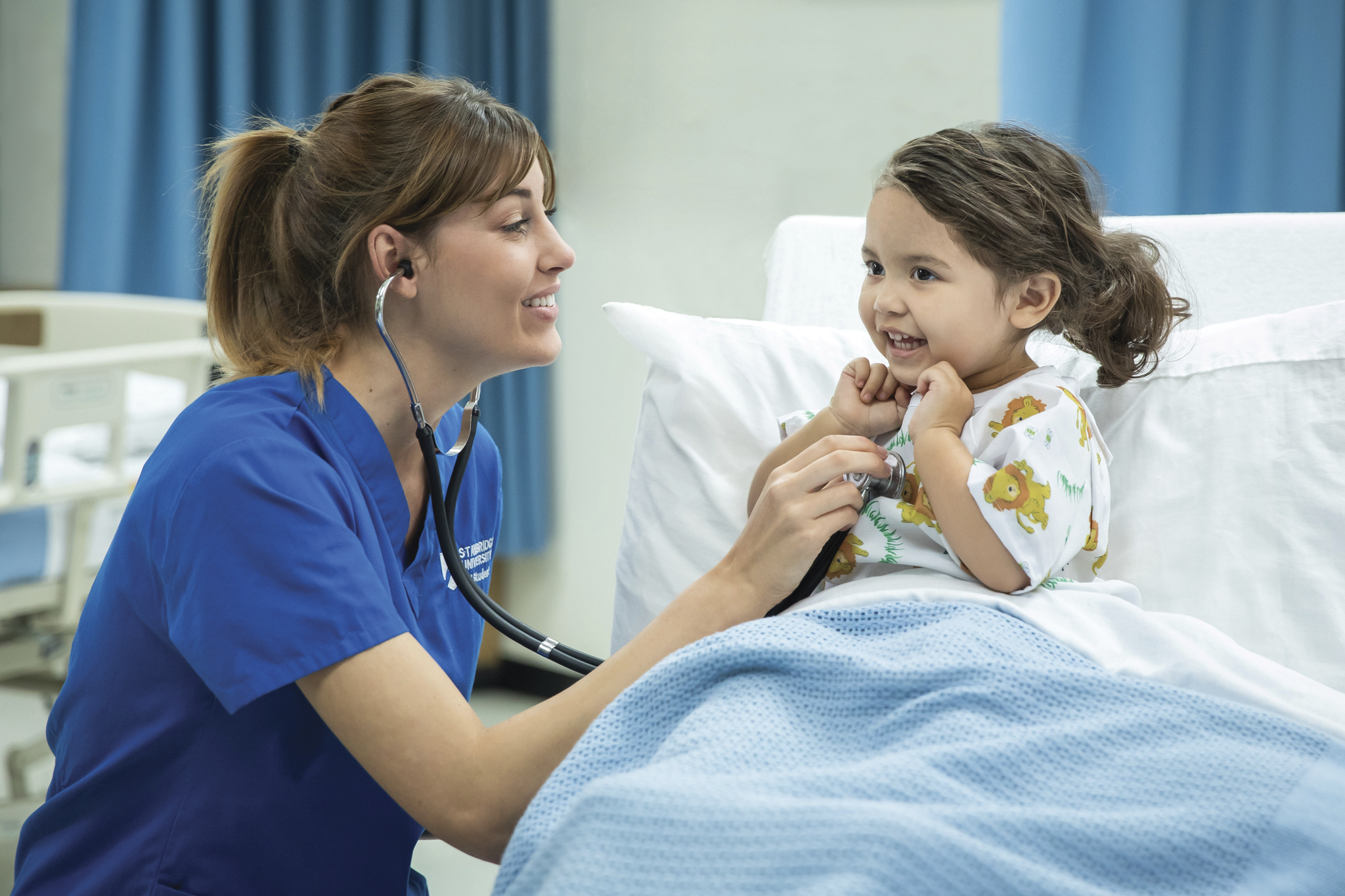
What Is Clinical Judgment in Nursing?
Clinical judgment helps nurses determine what patient information means and what should happen next.
For example, noticing a change in a patient’s blood pressure is an observation. Clinical judgment requires the nurse to consider that finding alongside symptoms, medications, health history, and other relevant information before determining an appropriate response.
Clinical judgment draws on both critical thinking and clinical reasoning:
| Concept | What It Means |
| Critical Thinking | Analyzing information and considering possibilities |
| Clinical Reasoning | Applying nursing knowledge to a patient situation |
| Clinical Judgment | Reaching and acting on an informed clinical decision |
These skills develop together throughout nursing education.
What Is the NCSBN Clinical Judgment Measurement Model?
The NCSBN Clinical Judgment Measurement Model (NCJMM) is the framework NCSBN uses to measure clinical judgment on the Next Generation NCLEX.¹
It includes six cognitive skills:
- Recognize Cues – Identify relevant patient information.
- Analyze Cues – Determine what the information may mean.
- Prioritize Hypotheses – Identify the concerns requiring the greatest attention.
- Generate Solutions – Consider appropriate responses.
- Take Actions – Implement an appropriate response.
- Evaluate Outcomes – Determine how the patient responded.¹
These skills reflect the type of decision-making nurses use when assessing patients, prioritizing needs, responding to changes, and evaluating care. The NCJMM is an assessment framework and does not replace the nursing process or educational approaches used to teach clinical judgment.¹
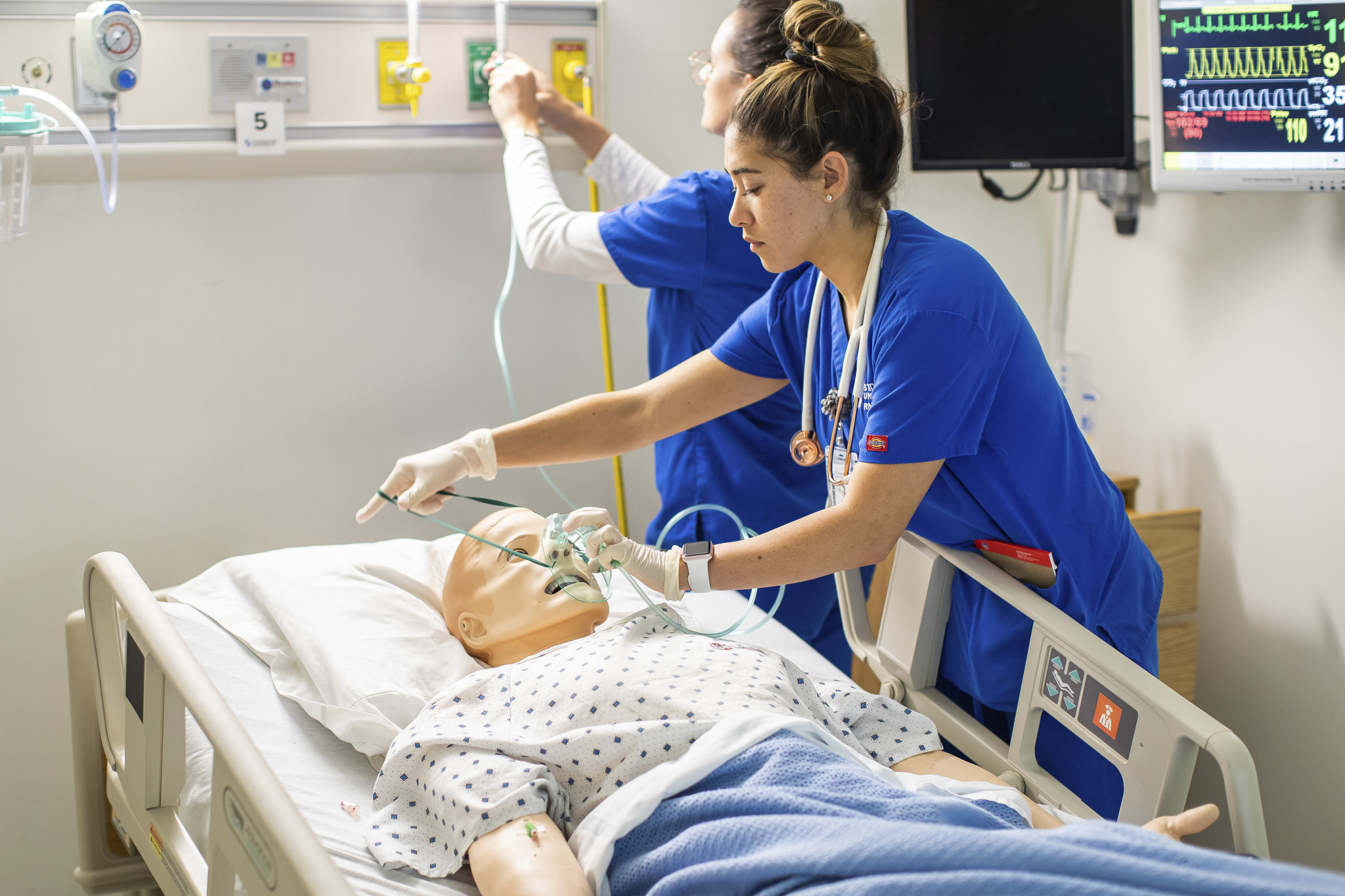
How Do Nursing Students Develop Clinical Judgment?
Nursing students develop clinical judgment by repeatedly applying nursing knowledge to patient-care situations.
Learning experiences may include:
- Case studies
- Skills laboratories
- Simulation
- Supervised clinical rotations
- Patient-care scenarios
- Faculty feedback
- Reflection and debriefing
For example, simulation may require students to recognize a change in a patient’s condition, determine which findings are most important, communicate with the healthcare team, and respond appropriately.
Clinical rotations add real patient-care experience. Under supervision, students learn to integrate assessment findings, medications, diagnoses, safety concerns, and patient needs rather than considering each piece of information separately.
Feedback and debriefing then help students examine why they made a decision, what information influenced it, and what they might approach differently next time.
How Does Clinical Judgment Connect to the NCLEX-RN?
Clinical judgment is directly assessed on the Next Generation NCLEX (NGN). NCSBN introduced the NGN in 2023 to better measure clinical judgment and decision-making for entry-level nursing practice.²
Candidates may need to interpret evolving patient information, recognize relevant cues, establish priorities, identify appropriate responses, and evaluate outcomes.¹ ² Therefore, NCLEX preparation involves more than recalling nursing facts.
The connection looks like this:
Nursing knowledge → Clinical reasoning → Clinical judgment → NCLEX-RN → Entry-level nursing practice
How Does Stanbridge Help BSN Students Develop Clinical Judgment?
Stanbridge University’s Bachelor of Science in Nursing program develops clinical judgment through classroom instruction, skills laboratories, simulation, supervised clinical education, and NCLEX-RN preparation.³
These experiences give students opportunities to apply nursing knowledge to assessment findings, patient scenarios, prioritization, communication, and clinical decisions.
Stanbridge also integrates NCLEX preparation throughout the BSN curriculum. The university reports a 98% NCLEX-RN licensure pass rate for 2023–2025 across the Orange County, Los Angeles, and Riverside campuses. Individual outcomes vary.³
The BSN program is structured for completion in approximately 36–37 months and is accredited by the Commission on Collegiate Nursing Education (CCNE).³
Clinical judgment does not develop through one course or simulation. Instead, students progressively learn to recognize relevant information, understand what it means, establish priorities, respond appropriately, and evaluate patient outcomes.

Frequently Asked Questions
No. Critical thinking involves analyzing information and considering possibilities. Clinical judgment involves applying nursing knowledge and reasoning to make an informed decision about a specific patient-care situation.
The NCJMM includes recognizing cues, analyzing cues, prioritizing hypotheses, generating solutions, taking actions, and evaluating outcomes.¹
Yes. Simulation gives students structured opportunities to practice assessment, prioritization, communication, and decision-making. Debriefing can then help students examine the reasoning behind their decisions.
The Next Generation NCLEX directly assesses clinical judgment. Candidates need to apply nursing knowledge to patient-care scenarios, interpret information, establish priorities, and determine appropriate responses.¹ ²
Yes. Supervised clinical education allows students to apply nursing knowledge to actual patient situations while developing assessment, prioritization, communication, and decision-making skills.
Footnotes
¹ National Council of State Boards of Nursing, NCSBN Defines Clinical Judgment for Purposes of the Next Generation NCLEX https://www.ncsbn.org/public-files/L2L_Fall2019.pdf
² National Council of State Boards of Nursing, NCSBN Launches Next Generation NCLEX Exam https://www.ncsbn.org/news/ncsbn-launches-next-generation-nclex-exam
³ Stanbridge University, Bachelor of Science in Nursing https://www.stanbridge.edu/program/bsn