What Specialties Can a Physical Therapist Assistant Work In?
Physical therapist assistants (PTAs) work under licensed physical therapists to help patients improve strength, movement, and mobility, and can develop experience in areas such as orthopedics, neurology, pediatrics, geriatrics, acute care, cardiovascular and pulmonary rehabilitation, oncology, and wound management. While PTAs are educated for generalist entry-level practice, they may develop advanced knowledge and skills with patient populations, conditions, and rehabilitation approaches as they gain professional experience.¹
Do Physical Therapist Assistants Need to Choose a Specialty?
PTAs do not need to choose a specialty before entering the profession. Entry-level PTA education prepares students to work with different body systems, conditions, patient populations, and rehabilitation needs. The Federation of State Boards of Physical Therapy (FSBPT) assesses entry-level PTA knowledge with the National Physical Therapy Examination (NPTE) for PTAs, which covers the musculoskeletal, neuromuscular, cardiovascular and pulmonary, integumentary, and other systems.² After entering practice, PTAs may gain more experience in certain areas based on their workplace, patient population, continuing education, and professional interests.
The American Physical Therapy Association (APTA) currently offers voluntary PTA Advanced Proficiency Pathways in eight areas:
- Orthopedics
- Neurology
- Pediatrics
- Geriatrics
- Acute care
- Cardiovascular and pulmonary
- Oncology
- Wound management¹
These pathways recognize advanced proficiency but do not lead to a different or specialized PTA license. PTAs are not required to complete a pathway to work in a particular practice area.³
Orthopedics
Orthopedic physical therapy focuses on conditions involving the musculoskeletal system, including bones, joints, muscles, tendons, and ligaments.
PTAs working in orthopedics may help patients recovering from:
- Joint replacement
- Fractures
- Sprains and strains
- Back or neck injuries
- Shoulder or knee injuries
- Sports injuries
- Orthopedic surgery
- Arthritis
Under a physical therapist’s plan of care, a PTA may guide therapeutic exercise, stretching, strengthening, balance activities, gait training, and other appropriate interventions.
For example, a patient recovering from knee replacement surgery may work with a PTA on lower-extremity strength, range of motion, walking, and functional mobility.
Orthopedics may appeal to PTAs who enjoy anatomy, biomechanics, therapeutic exercise, and helping patients work toward physical recovery.
Neurology
Neurological physical therapy focuses on movement and functional limitations associated with the nervous system.
PTAs working in neurological rehabilitation may assist patients with conditions such as:
- Stroke
- Traumatic brain injury
- Spinal cord injury
- Multiple sclerosis
- Parkinson’s disease
- Cerebral palsy
- Other neurological conditions
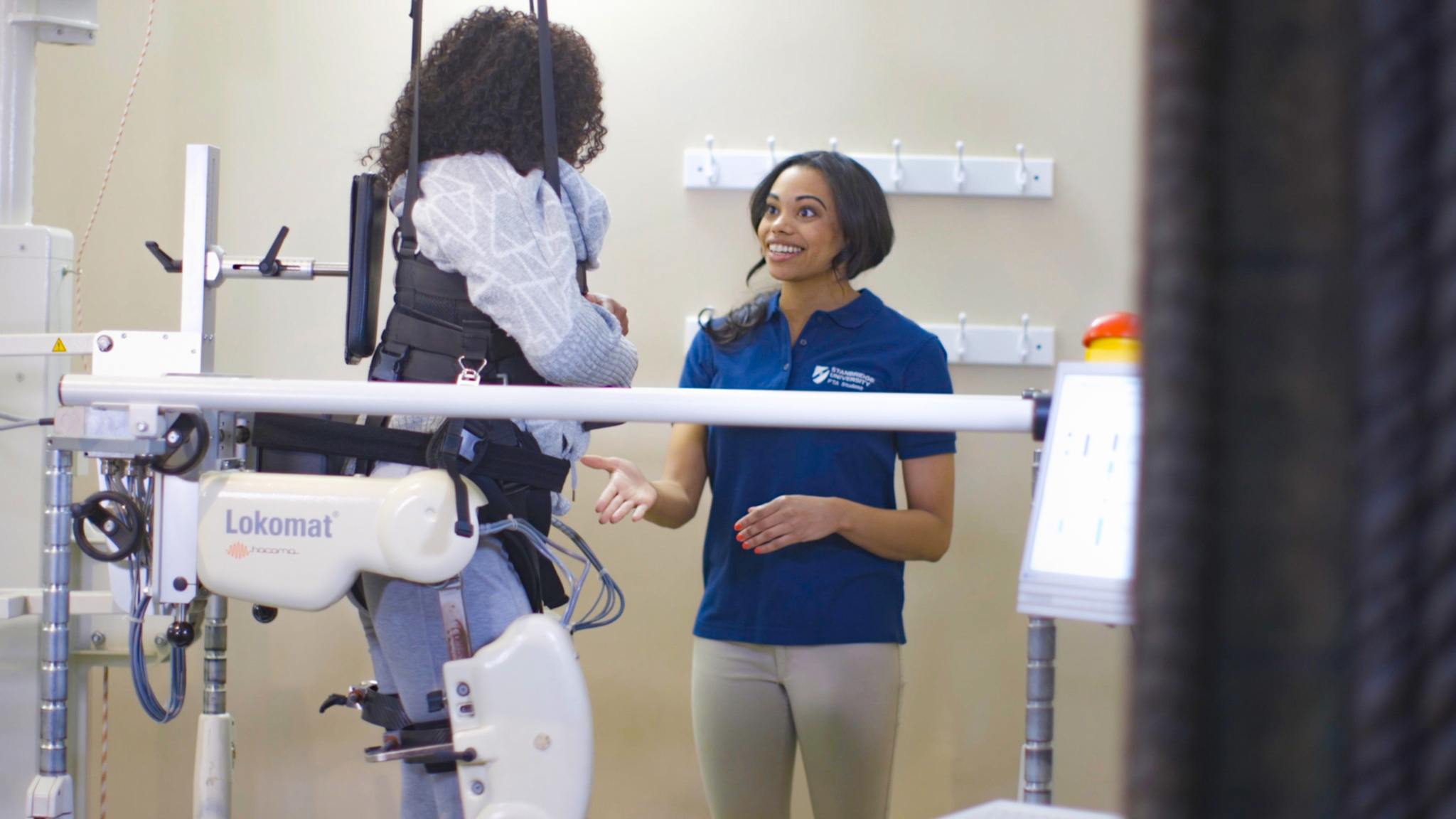
Treatment may involve gait training, balance, coordination, transfers, strengthening, endurance, and functional mobility. Neurological rehabilitation often requires PTAs to adapt interventions based on how a patient’s condition affects movement, cognition, communication, endurance, and safety. This area may be a good fit for PTAs who enjoy complex rehabilitation, problem-solving, and helping patients work toward functional mobility goals over time.
Pediatrics
Pediatric PTAs work with infants, children, and adolescents whose movement or mobility may be affected by developmental, neurological, orthopedic, or other conditions.
Depending on the patient and plan of care, treatment may focus on:
- Gross motor skills
- Strength
- Balance
- Coordination
- Walking
- Mobility
- Positioning
- Functional movement
Working with children can also require PTAs to adapt therapeutic activities to the child’s developmental level and interests. For example, an activity designed to improve balance may be incorporated into a game rather than presented in the same way it would be for an adult.
Pediatric practice may appeal to PTAs who enjoy working with children, collaborating with families, and adapting rehabilitation activities to different developmental needs.
Geriatrics
Geriatric physical therapy focuses on the movement, mobility, and rehabilitation needs of older adults.
PTAs working with this population may help patients experiencing:
- Balance difficulties
- Falls
- Joint replacement
- Arthritis
- Stroke
- Deconditioning
- Chronic health conditions
- Mobility changes associated with aging
Treatment may focus on strengthening, balance, endurance, transfers, walking, assistive-device use, and maintaining functional mobility. Geriatric patients often receive physical therapy in skilled nursing facilities, hospitals, outpatient clinics, home healthcare, or other settings.
This area may appeal to PTAs interested in helping older adults maintain mobility, safety, and physical function.
Acute Care
Acute care physical therapy takes place primarily in hospitals and other settings where patients experience significant illness, injury, or recent surgery. PTAs working in acute care assist patients who are recovering from surgery, hospitalization, serious injury, or complex medical conditions. Treatment often focuses on safe mobility and functional movement.
Depending on the patient’s condition and physical therapist’s plan of care, a PTA may assist with:
- Bed mobility
- Transfers
- Walking
- Positioning
- Strength and endurance
- Assistive-device use
Acute care can involve medically complex patients whose conditions change quickly. Therefore, PTAs working in this environment need strong observation, communication, safety awareness, and collaboration skills.
This area may appeal to PTAs who enjoy a faster-paced healthcare environment and working closely with interdisciplinary teams.
Cardiovascular and Pulmonary Rehabilitation
Cardiovascular and pulmonary physical therapy focuses on patients whose heart, circulatory, or respiratory conditions affect their endurance and physical function. In this area, PTAs may work with patients recovering from or managing conditions that affect their ability to tolerate activity.
Interventions may include:
- Monitored physical activity
- Endurance training
- Mobility exercises
- Breathing-related activities
- Patient education
This area may appeal to PTAs interested in exercise physiology, endurance, medically complex rehabilitation, and helping patients safely increase their activity levels.
Oncology Rehabilitation
Cancer and cancer treatments can affect strength, endurance, mobility, balance, and overall physical function. PTAs working in oncology rehabilitation assist patients during or after cancer treatment with interventions designed to address physical limitations identified by the supervising physical therapist.
Depending on the individual, treatment may involve:
- Strengthening
- Mobility
- Balance
- Endurance
- Functional activity
- Managing physical deconditioning
Patients undergoing cancer treatment often have complex and changing medical needs. As a result, PTAs working in oncology rehabilitation need to understand precautions, monitor patient responses, and communicate relevant changes to the supervising physical therapist.
Oncology may appeal to PTAs interested in medically complex rehabilitation and supporting patients throughout different stages of recovery.
Wound Management
Physical therapy can also play a role in wound management. PTAs working in this area may assist with interventions related to skin integrity and wound care.
Depending on the setting and patient, wound management may involve:
- Observing skin condition
- Assisting with appropriate treatment procedures
- Monitoring patient responses
- Communicating findings to the physical therapist
PTAs interested in wound management may work with patients who have complex medical conditions, mobility limitations, or other factors affecting tissue healing.
Are PTA Specialties the Same as Work Settings?
Specialties and work settings are related, but not necessarily the same. A specialty or practice area describes the type of rehabilitation expertise or patient population you work with. A setting describes where that care takes place.
For example, an orthopedic PTA might work in an outpatient clinic, while a neurological PTA could work in a hospital, rehabilitation facility, or home healthcare setting.
PTAs also commonly work in skilled nursing facilities, rehabilitation centers, home healthcare, pediatric settings, sports medicine clinics, hospitals, and offices of other health practitioners. As a result, choosing an area of interest does not necessarily mean choosing one type of workplace.
How Can PTAs Develop Advanced Skills in a Particular Specialty?
PTAs can develop expertise through professional practice, mentorship, continuing education, and advanced professional development.
APTA’s PTA Advanced Proficiency Pathways provide one structured option. The program allows eligible APTA-member PTAs to develop and demonstrate advanced proficiency in one or more of the eight available areas.¹ Each program includes continuing education, clinical experience, mentorship, and skill development.³
A PTA may also develop substantial experience simply by working with a particular patient population over time and completing relevant continuing education.
How Does Stanbridge University Prepare Students for PTA Practice?
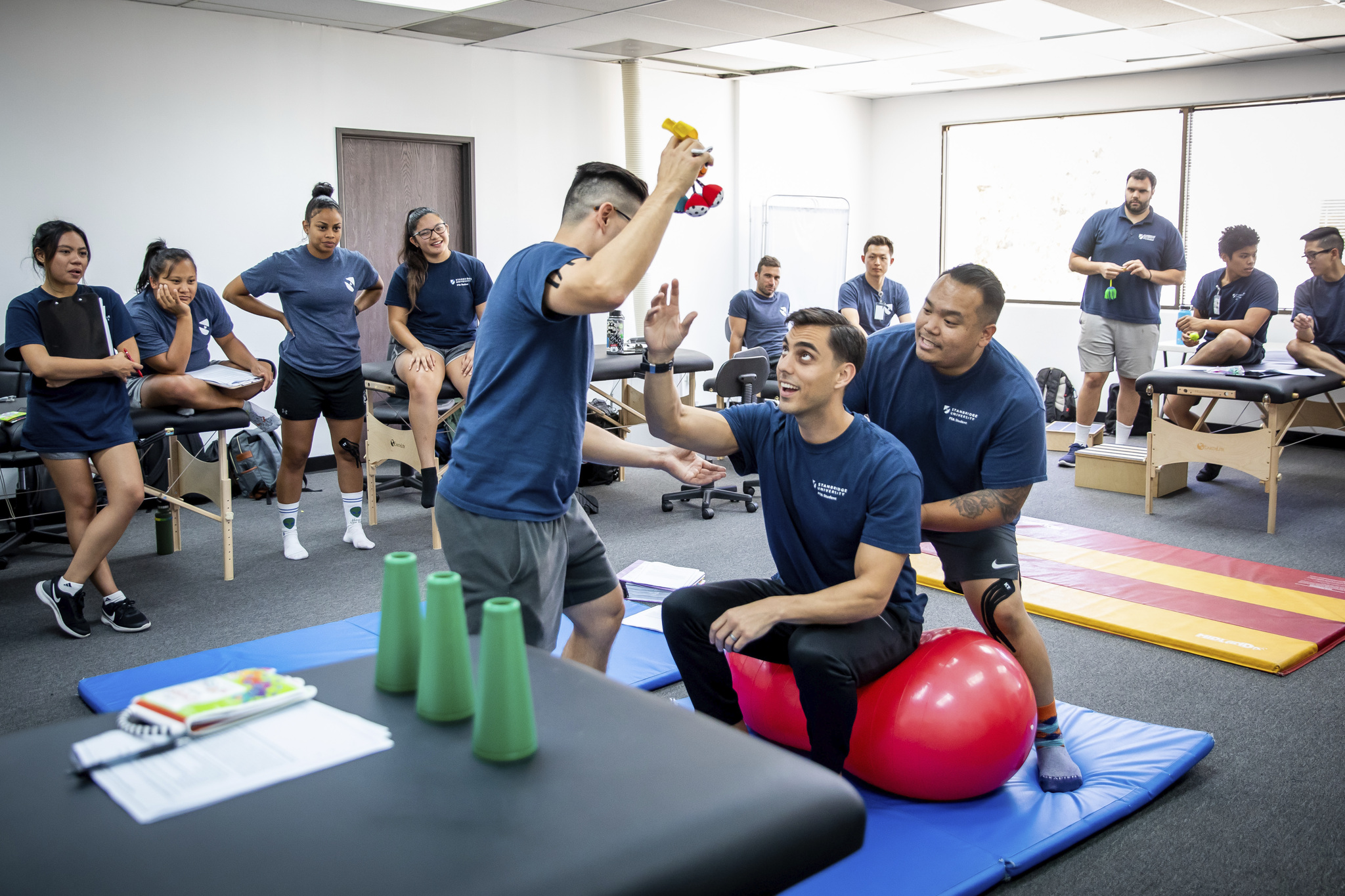
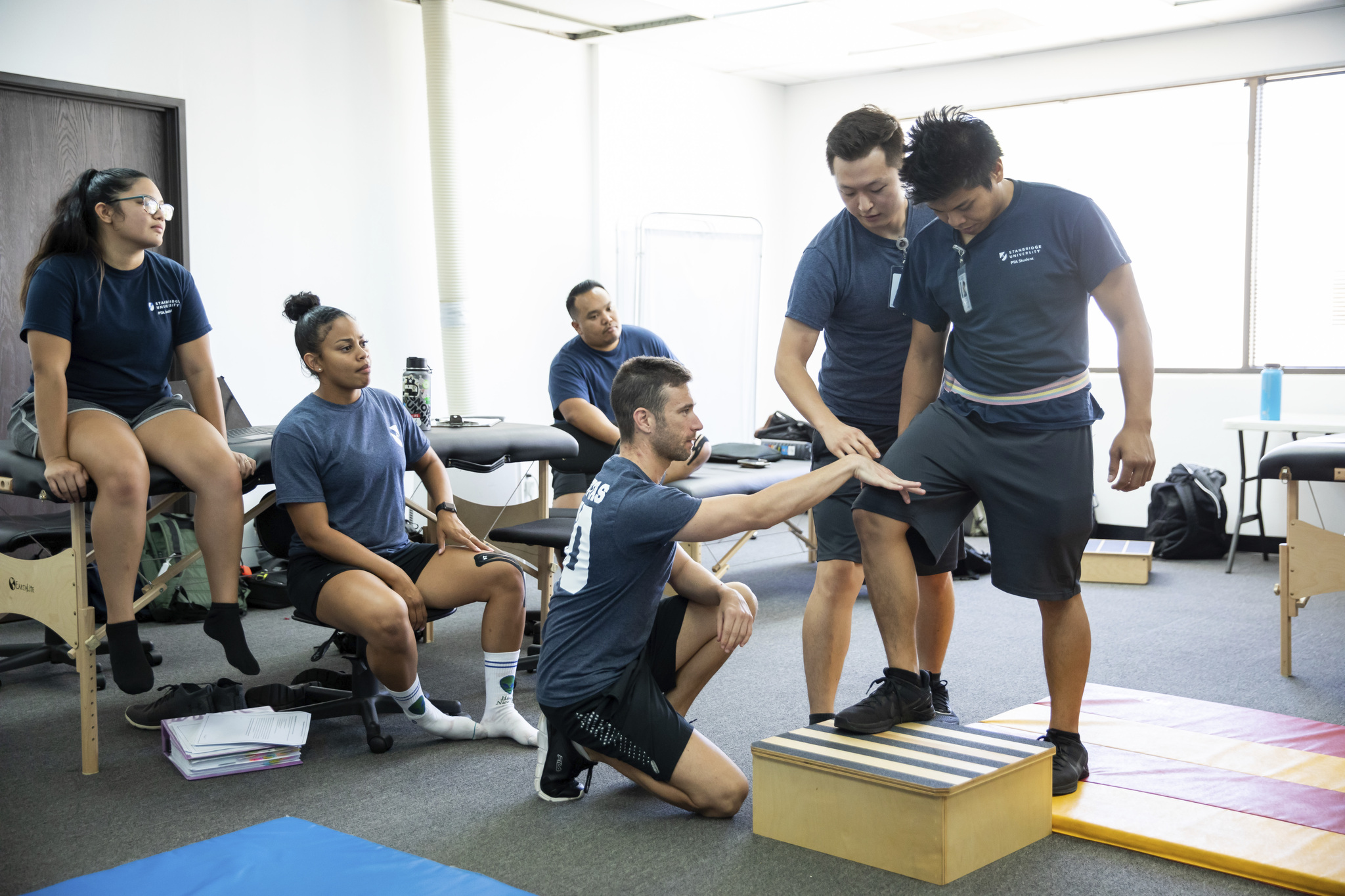
Stanbridge University’s Associate of Science in Physical Therapist Assistant program prepares students for entry-level generalist PTA practice through classroom instruction, laboratory learning, and supervised clinical education.⁵
The Stanbridge PTA curriculum addresses areas such as musculoskeletal rehabilitation, neuromuscular rehabilitation, therapeutic exercise, patient care, and other concepts designed to prepare students to work with different patient populations.⁵
The full-time program is designed to be completed in approximately 20–21 months, including holidays and scheduled term breaks. Completion time may vary based on cohort dates and individual academic progression.⁵
After completing the program, graduates may pursue the applicable examination and state licensure requirements. Recent Stanbridge PTA graduates achieved NPTE licensure pass rates of 98% for 2023–2025 at the Orange County campus and a 100% three-year average at the Los Angeles campus.
Which PTA Specialty Might Be Right for You?
You do not need to decide on a specialty before becoming a PTA. Instead, consider the patients and rehabilitation challenges that interest you.
If you enjoy anatomy, exercise, and musculoskeletal recovery, orthopedics may appeal to you. If you are interested in complex movement and functional recovery after stroke or neurological injury, you may prefer neurology.
Pediatrics may be a fit if you enjoy working with children, while geriatrics can offer opportunities to help older adults maintain mobility and independence. Acute care, cardiovascular rehabilitation, oncology, and wound management can appeal to PTAs interested in more medically complex patient care.
Your interests may also change once you begin clinical education and professional practice. The advantage of generalist PTA education is that you build a foundation for working with different patients first. Then, as you gain experience, you can decide where you want to deepen your knowledge.
If you’re exploring PTA education, explore Stanbridge University’s Physical Therapist Assistant program or contact Stanbridge University.
Frequently Asked Questions
PTAs may work in areas such as orthopedics, neurology, pediatrics, geriatrics, acute care, cardiovascular and pulmonary rehabilitation, oncology, and wound management.¹
No. PTAs are educated for entry-level generalist practice and do not need to select a specialty before entering the profession. They may develop deeper expertise in particular areas through work experience, mentorship, and continuing education.²
The American Physical Therapy Association (APTA) offers voluntary PTA Advanced Proficiency Pathways in acute care, cardiovascular and pulmonary physical therapy, geriatrics, neurology, oncology, orthopedics, pediatrics, and wound management. These recognize advanced proficiency and are not required to work in those areas.¹ ³
PTAs may gain experience working with athletes and sports-related injuries, often within orthopedic or outpatient rehabilitation. Sports rehabilitation is not currently one of APTA’s eight named PTA Advanced Proficiency Pathways.¹
Yes. PTAs can work with pediatric patients and develop experience with developmental, neurological, and orthopedic conditions affecting movement and mobility. Pediatrics is also one of APTA’s PTA Advanced Proficiency Pathways.¹
Yes. PTAs may work with patients affected by stroke, traumatic brain injury, spinal cord injury, Parkinson’s disease, multiple sclerosis, and other neurological conditions. Neurology is one of APTA’s recognized Advanced Proficiency Pathways for PTAs.¹
Clinical education and early professional experience can help PTAs identify which patients, settings, and rehabilitation approaches interest them most. PTAs can then develop additional expertise through practice, mentorship, continuing education, or advanced proficiency programs.
Footnotes
¹ American Physical Therapy Association, PTA Advanced Proficiency Pathways https://www.apta.org/for-ptas/pta-advanced-proficiency-pathways
² Federation of State Boards of Physical Therapy, NPTE-PTA Test Content Outline https://www.fsbpt.org/Portals/0/documents/free-resources/2024-PTA-Test-Content-Outline-Bullets.pdf
³ American Physical Therapy Association, Becoming a Physical Therapist Assistant https://www.apta.org/your-career/careers-in-physical-therapy/becoming-a-pta
⁴ California Employment Development Department, Physical Therapist Assistants Occupational Profile https://labormarketinfo.edd.ca.gov/cgi/databrowsing/occExplorerQSDetails.asp?searchCriteria=physical+therapist+assistant&careerID=&menuChoice=&geogArea=0601000000&soccode=312021&search=Explore+Occupation
⁵ Stanbridge University, Associate of Science in Physical Therapist Assistant https://www.stanbridge.edu/program/pta
⁶ Commission on Accreditation in Physical Therapy Education, About CAPTE https://www.capteonline.org/about-capte