What Should I Specialize in as an Occupational Therapist?
Occupational therapists can develop expertise in many areas of practice, including pediatrics, physical rehabilitation, gerontology, mental and behavioral health, hand therapy, low vision, driving and community mobility. The right specialty depends on the populations you want to serve, the occupational performance challenges that interest you, and the clinical environments in which you want to practice. Entry-level occupational therapy education prepares you as a generalist; specialization typically develops later through fieldwork, professional practice, mentorship, continuing education, and advanced credentials.¹

Do Occupational Therapists Have to Choose a Specialty?
No. You do not need to select a specialty before becoming an occupational therapist. Entry-level occupational therapy programs are designed to prepare graduates for generalist practice across populations and settings. At Stanbridge University, for example, the Master of Science in Occupational Therapy curriculum prepares graduates for generalist practice in areas including physical rehabilitation, geriatrics, pediatrics, and mental health.²
That broad preparation is important because occupational therapy requires clinicians to analyze the interaction among the person, the occupations they need or want to perform, and the physical, social, and cultural contexts in which those occupations occur.
After graduation, you may begin developing deeper expertise in a particular practice area based on:
- Fieldwork experiences
- Patient populations
- Practice setting
- Clinical mentorship
- Continuing professional education
- Research interests
- Emerging healthcare needs
- Advanced certification or specialty training
In other words, your MSOT provides the clinical reasoning framework. Your professional experiences can then help you determine where you want to deepen your expertise.
What Are Some of the Most Common Occupational Therapy Specialties?
Occupational therapy is practiced across hospitals, outpatient clinics, schools, skilled nursing facilities, mental and behavioral health settings, home and community programs, and other environments. ¹
Some of the most established areas of specialization include pediatrics, physical rehabilitation, gerontology, mental health, hand therapy, low vision, and driving and community mobility.
Pediatric Occupational Therapy
Pediatric occupational therapists work with infants, children, adolescents, and their families to support participation in the activities that shape childhood. Depending on the child and practice setting, an OT may evaluate or address areas such as:
- Fine motor performance
- Self-care
- Play
- Sensory processing
- Feeding
- School participation
- Handwriting
- Social participation
- Environmental access
- Developmental skills
In school-based practice, occupational therapy focuses specifically on supporting a student’s access to and participation in the educational environment. OTs may collaborate with teachers, families, speech-language pathologists, physical therapists, and other professionals to develop student-centered goals.³
Pediatric practice requires more than understanding developmental milestones. Occupational therapists must analyze how physical, cognitive, sensory, psychosocial, environmental, and contextual factors influence occupational performance.
AOTA currently offers Board Certification in Pediatrics (BCP) for occupational therapy practitioners who meet its advanced certification requirements.⁴
Pediatrics may be a strong fit if you enjoy developmental science, family-centered care, collaborative practice, and adapting activities or environments to support participation.
Physical Rehabilitation
Physical rehabilitation is one of the broadest areas of occupational therapy practice.
OTs in this area may work with people recovering from conditions such as:
- Stroke
- Spinal cord injury
- Traumatic brain injury
- Orthopedic injury
- Surgery
- Amputation
- Neurological conditions
- Complex medical illness
The occupational therapy perspective extends beyond restoring physical capacity. OTs analyze how impairments affect occupational performance and participation. For example, improving upper-extremity strength may matter because the client wants to dress independently, prepare meals, return to work, or care for a family member.
Intervention may incorporate therapeutic activity, neuromuscular reeducation, adaptive equipment, environmental modification, cognitive strategies, caregiver education, and training in activities of daily living.
Physical rehabilitation often involves substantial interdisciplinary collaboration with physicians, nurses, physical therapists, speech-language pathologists, case managers, and other rehabilitation professionals.
AOTA currently offers Board Certification in Physical Rehabilitation (BCPR). ⁴ This area may appeal to you if you enjoy neuroscience, anatomy, complex clinical reasoning, rehabilitation technology, and helping people reconstruct meaningful routines following illness or injury.
Gerontology and Productive Aging
Occupational therapists who specialize in gerontology work with older adults to support participation, safety, independence, health, and quality of life.
AOTA identifies productive aging as an important occupational therapy practice area. Occupational therapy may address issues related to aging in place, dementia, falls, home modification, low vision, caregiving, driving, chronic disease, and participation in meaningful occupations.⁵
An OT working with an older adult might:
- Evaluate home safety
- Recommend environmental modifications
- Support activities of daily living
- Address cognitive changes
- Provide caregiver training
- Recommend adaptive equipment
- Develop fall-prevention strategies
- Support community mobility
- Help clients maintain meaningful roles and routines
The occupational therapist’s role is not simply to compensate for age-related changes. Instead, intervention considers what the individual values and how physical, cognitive, environmental, and social factors affect participation.
AOTA currently offers Board Certification in Gerontology (BCG). ⁴ Gerontology may fit your interests if you enjoy complex cases, aging-in-place strategies, caregiver collaboration, chronic disease management, and helping people maintain meaningful occupations across later life.

Mental and Behavioral Health
Mental health has been part of occupational therapy since the profession’s early development.
Occupational therapists working in mental and behavioral health examine how psychiatric conditions, cognition, habits, routines, social environments, and life circumstances affect a person’s ability to participate in meaningful occupations.
Clients may experience conditions such as serious mental illness, depression, anxiety, substance-use disorders, trauma-related conditions, or other psychosocial challenges.
Intervention may address:
- Activities of daily living
- Instrumental activities of daily living
- Health management
- Social participation
- Work or education
- Sleep and routines
- Coping strategies
- Community reintegration
- Executive functioning
AOTA’s evidence-based resources include occupational therapy interventions supporting activities of daily living, instrumental activities of daily living, and social participation among adults living with serious mental illness.⁶
This practice area requires strong therapeutic use of self, psychosocial reasoning, trauma-informed communication, and understanding of how occupation contributes to identity and well-being. Mental health may appeal to you if you’re especially interested in the relationship among occupation, behavior, identity, environment, and psychological well-being.
Hand Therapy and Upper-Extremity Rehabilitation
Hand therapy is a highly specialized area of rehabilitation focused on the upper extremity. Occupational therapists in hand therapy may work with clients recovering from fractures, tendon injuries, nerve injuries, burns, repetitive-use conditions, surgery, arthritis, or other conditions affecting the hand, wrist, elbow, or shoulder.
Clinical responsibilities may include:
- Range-of-motion assessment
- Strengthening
- Edema management
- Scar management
- Sensory reeducation
- Activity modification
- Orthotic fabrication
- Functional retraining
- Return-to-work interventions
What makes occupational therapy particularly relevant is the connection between upper-extremity function and occupational performance. Restoring grip strength, for example, is not simply a biomechanical goal. It may enable a client to return to cooking, dressing, parenting, employment, or leisure activities.
Occupational therapists can pursue the Certified Hand Therapist (CHT) credential after meeting professional practice requirements established by the Hand Therapy Certification Commission. Hand therapy may be a good fit if you enjoy anatomy, biomechanics, precision, orthotic fabrication, and highly focused rehabilitation.
Low Vision Rehabilitation
Occupational therapists specializing in low vision help people adapt to visual impairment so they can continue participating in daily activities.
Low vision intervention may involve:
- Environmental modification
- Improved lighting and contrast
- Assistive technology
- Magnification strategies
- Visual scanning or tracking techniques
- Home safety
- Medication management strategies
- Reading adaptations
- Community participation
AOTA notes that occupational therapy practitioners working with older adults with low vision may teach compensatory skills, modify tasks or environments, recommend assistive devices, and support continued engagement in daily activities. ⁵
Low vision practice illustrates an important principle of occupational therapy: when remediation is limited, adaptation can still improve occupational performance. This specialty may appeal to you if you enjoy environmental analysis, assistive technology, adaptive strategies, and helping clients maintain independence despite sensory changes.
Driving and Community Mobility
Driving is an instrumental activity of daily living and an important component of independence for many people. Occupational therapists working in driving rehabilitation evaluate how physical, visual, cognitive, and perceptual abilities influence safe community mobility.⁷
An OT with specialized driver rehabilitation training may conduct comprehensive evaluations that include clinical assessment and, where appropriately qualified, behind-the-wheel evaluation.⁸
Clients may include:
- Older adults experiencing age-related changes
- People recovering from stroke or brain injury
- Individuals with neurological conditions
- Adolescents or adults with developmental disabilities
- People adapting to physical disability
Intervention does not always focus on returning someone to driving. Occupational therapists may also help clients evaluate alternative transportation, use public transit, access rideshare services, or develop other strategies for maintaining community participation. This area may appeal to you if you’re interested in cognition, vision, community participation, safety, adaptive equipment, and complex decision-making.
What Does Formal Specialty Certification Mean?
You can develop specialized occupational therapy expertise without holding a formal specialty credential. However, advanced certifications can provide a structured way to demonstrate expertise after you have gained professional experience.
As of 2026, AOTA’s exam-based advanced certification program includes:
- Board Certification in Pediatrics (BCP)
- Board Certification in Physical Rehabilitation (BCPR)
- Board Certification in Gerontology (BCG)⁴
Other specialty areas may involve credentials offered by different professional organizations, specialized continuing education, certificate programs, fellowships, or employer-based competency development.
For example, hand therapists may pursue the CHT credential, while occupational therapists specializing in comprehensive driving rehabilitation may pursue specialized training and credentials relevant to driver rehabilitation.⁸
These are generally post-entry-level professional development pathways, not requirements for graduating from an MSOT program or beginning general occupational therapy practice.
How Should You Decide Which OT Specialty Fits You?
Rather than choosing based only on a diagnosis or population, consider the type of clinical reasoning you enjoy.
Ask yourself:
Which populations interest me?
Do you see yourself working primarily with children, working-age adults, older adults, or clients across the lifespan?
Which occupational problems are most compelling?
Are you interested in self-care, school participation, upper-extremity function, cognition, mental health, community mobility, or aging in place?
What type of clinical environment do I prefer?
A fast-paced hospital can feel very different from a school, outpatient hand clinic, mental health program, or home-health setting.
What kind of intervention interests me?
Some OTs enjoy biomechanics and therapeutic activity. Others prefer environmental adaptation, assistive technology, cognitive intervention, psychosocial practice, or community-based programming.
How much specialization do I want?
You may prefer broad generalist practice, or you may eventually want to develop highly focused expertise.
These questions can become easier to answer once you have completed fieldwork and experienced different areas of occupational therapy firsthand.
How Can Fieldwork Help You Explore Specialties?
Fieldwork is one of the most valuable opportunities to test your professional interests. Rather than deciding on a specialty entirely from classroom content, fieldwork allows you to observe how occupational therapy theory, evaluation, intervention planning, documentation, and interdisciplinary practice operate in actual settings.
You may discover that a practice area you expected to enjoy feels different in practice. Conversely, a setting you had not considered may become an important professional interest.
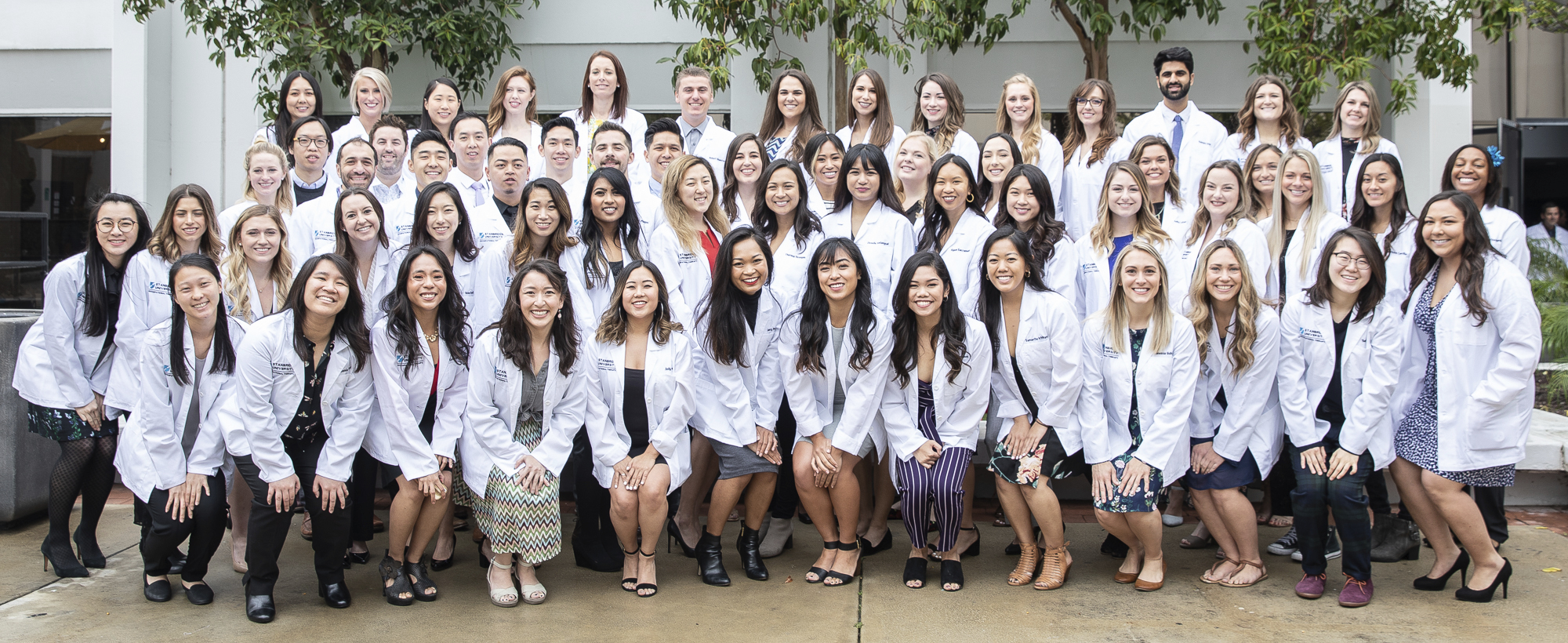
At Stanbridge University, MSOT students complete Level I and Level II fieldwork experiences as part of the graduate curriculum. The current program includes three Level I experiences and two 12-week Level II fieldwork placements. ⁹
How Does Graduate OT Education Prepare You for Different Practice Areas?
A graduate occupational therapy program should provide more than exposure to diagnoses.
At the master’s level, you develop the capacity to synthesize occupational science, neuroscience, psychosocial theory, assessment findings, contextual factors, client priorities, and current evidence into defensible clinical decisions.
The goal is not simply to know what intervention to use. You must also be able to explain:
- Why the intervention is appropriate
- How it relates to occupational performance
- Which theoretical framework supports it
- What evidence informs the decision
- How outcomes will be measured
- How personal and environmental contexts influence participation
Stanbridge University’s Master of Science in Occupational Therapy curriculum includes graduate study in areas such as applied neuroscience, pediatrics, gerontology, clinical reasoning, assistive technology, psychosocial care, community program development, and supervised fieldwork.² ¹⁰
The program is designed to prepare graduates as generalists who can enter multiple areas of occupational therapy practice.²
That generalist foundation can then support specialization after graduation.
Stanbridge University’s MSOT Program
Stanbridge University’s Master of Science in Occupational Therapy program is an entry-level graduate program accredited by the Accreditation Council for Occupational Therapy Education (ACOTE). ⁹
The current program is offered at the Orange County, Los Angeles, and Riverside campuses and is designed for completion in approximately 26–27 months. ⁹
Stanbridge reports a 94% NBCOT-OTR certification pass rate for 2023–2025 for the campuses included in the current reporting period. Individual outcomes vary. ⁹
The program prepares graduates for generalist occupational therapy practice rather than conferring a specialty credential. Specialized expertise typically develops later through clinical experience, advanced training, continuing education, and professional certification.
Frequently Asked Questions
Common areas include pediatrics, physical rehabilitation, gerontology, mental and behavioral health, hand therapy, low vision, and driving and community mobility. Occupational therapists may also develop expertise in other clinical or emerging practice areas.
Entry-level occupational therapy programs generally prepare students as generalists. Fieldwork may expose students to different practice areas, while deeper specialization typically develops after graduation through professional experience, mentorship, continuing education, and advanced training.
As of 2026, AOTA offers exam-based Board Certification in Pediatrics, Physical Rehabilitation, and Gerontology. ⁴ Certification requirements are separate from entry-level OT education and licensure.
Pediatric OTs support children and adolescents with participation in activities such as self-care, play, school, handwriting, feeding, fine motor tasks, and social participation. Responsibilities vary based on the child, setting, and clinical needs.
Occupational therapists in physical rehabilitation help clients regain or adapt the skills needed for meaningful daily activities after illness, injury, surgery, or neurological conditions. Intervention may address activities of daily living, upper-extremity function, cognition, adaptive equipment, environmental modifications, and community participation.
Yes. Occupational therapists can develop expertise in upper-extremity and hand rehabilitation. Experienced clinicians who meet applicable professional requirements may also pursue Certified Hand Therapist certification through the Hand Therapy Certification Commission.
You do not need to choose before entering an MSOT program. Graduate coursework, fieldwork, mentorship, and early professional practice can help you identify the populations, settings, and clinical problems that most interest you.
Footnotes
¹ American Occupational Therapy Association Practice Settings https://www.aota.org/practice/practice-settings
² Stanbridge University Catalog MSOT General Information and Curricular Framework https://catalog.stanbridge.edu/programs/msot-program/msot-general-information/
³ American Occupational Therapy Association School-Based Settings https://www.aota.org/practice/practice-settings/schools-early-intervention-community-education/schools
⁴ American Occupational Therapy Association Advanced Certification Program FAQs https://www.aota.org/career/advanced-certification-program/advanced-certification-program-faqs
⁵ American Occupational Therapy Association Productive Aging https://www.aota.org/practice/clinical-topics/driving-community-mobility/productive-aging
⁶ American Occupational Therapy Association Practice Guidelines and Evidence-Based Clinical Resources https://www.aota.org/practice/practice-essentials/evidencebased-practiceknowledge-translation/practice-guidelines
⁷ American Occupational Therapy Association Driving & Community Mobility https://www.aota.org/practice/clinical-topics/driving-community-mobility
⁸ American Occupational Therapy Association Practitioner’s Toolkit—OT’s Role in Driving Rehabilitation https://www.aota.org/practice/clinical-topics/driving-community-mobility/driving–community-mobility-toolkit-for-professionals
⁹ Stanbridge University Master of Science in Occupational Therapy Program https://www.stanbridge.edu/program/msot