How to Change Careers and Become a Nurse
You do not need previous experience in healthcare to eventually pursue nursing. Many nursing students enter school after working in restaurants, retail stores, coffee shops, food service, warehouses, and other non-patient-care environments. Although those jobs do not replace nursing education or clinical training, they can help you develop transferable skills such as communication, teamwork, time management, adaptability, and working under pressure. If you’re considering a career change to nursing, understanding what you already bring to the table and what education you’ll need next can help you plan your transition.
Can You Become a Nurse Without Previous Healthcare Experience?
Yes, a previous healthcare career is not the only way to begin nursing education. Some students enter nursing programs after working as nursing assistants, medical assistants, or other healthcare professionals. Others come from jobs with no direct patient-care responsibilities.
Among nursing students, prior non-patient-care jobs can include roles such as:
- Restaurant and food service workers
- Retail employees or sales associates
- Baristas
- Warehouse associates
These jobs do not provide clinical knowledge; however, they may help you develop interpersonal and workplace skills that become useful once you begin nursing school.
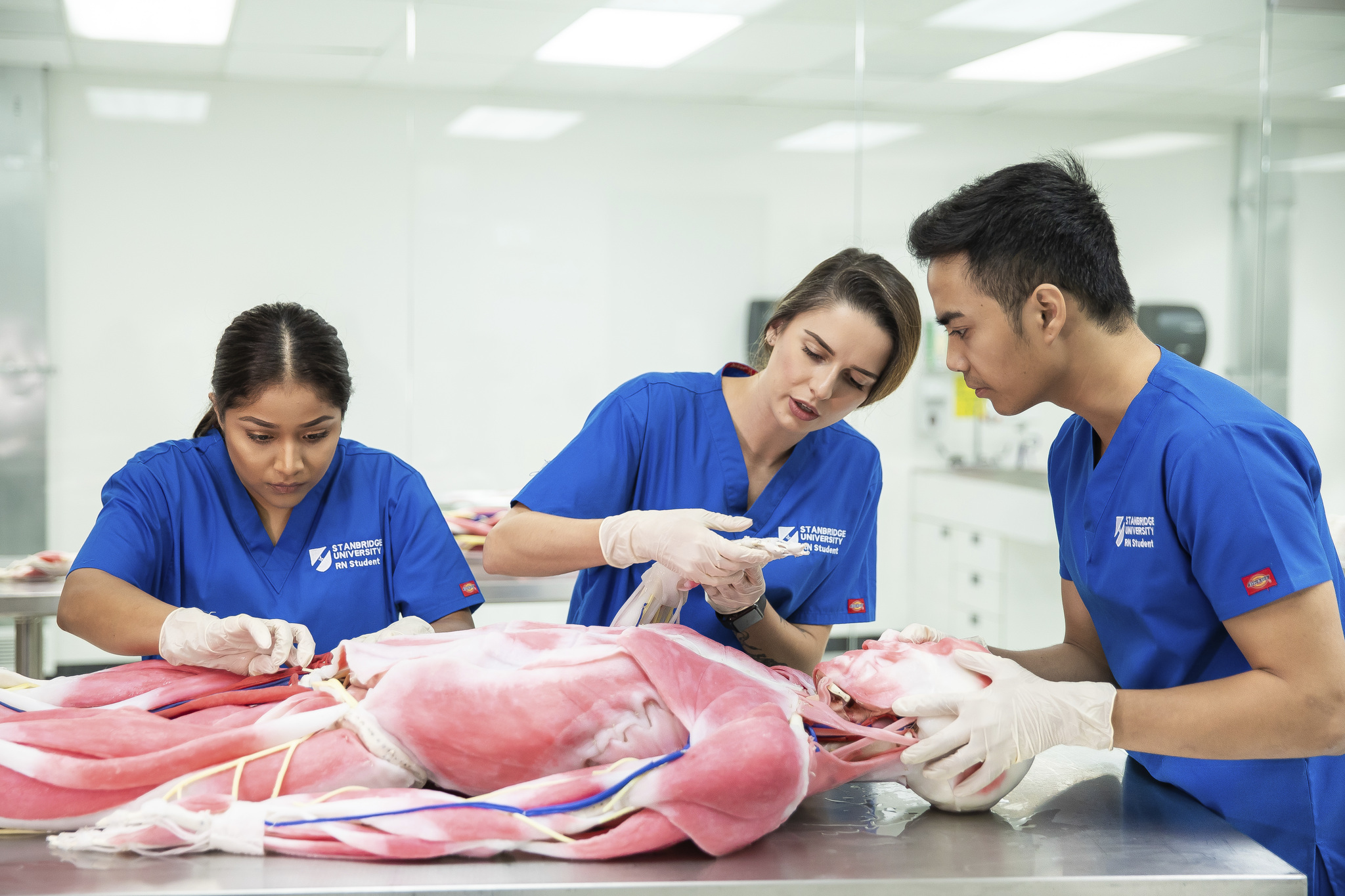
Your nursing education is where you’ll build the scientific knowledge, patient-care skills, clinical judgment, and supervised clinical experience needed for professional nursing practice.
What Skills From a Non-Healthcare Job Can Transfer to Nursing?
A career change does not necessarily mean leaving everything you’ve learned behind. Many skills developed outside healthcare can have relevance in nursing, even though they are applied in a very different environment.
Communication
Restaurant workers, baristas, and retail employees communicate with many different people throughout a shift. You may already be comfortable with listening carefully, explaining information, responding to questions, and adjusting your communication based on this type of work experience.
Nurses also rely heavily on communication. In a nursing program, you learn to apply those skills in patient care, including communicating health information, documenting care, reporting changes in a patient’s condition, and collaborating with healthcare teams.
Working Under Pressure
A busy restaurant, crowded retail store, or fast-moving warehouse can require you to stay focused while several things happen at once. This experience may help you become comfortable working in environments where priorities can change quickly. During nursing education, you’ll learn how to apply prioritization and clinical judgment specifically to healthcare situations.
Time Management
If you’ve worked in food service, retail, or as a warehouse associate, you may already know what it feels like to manage several responsibilities within a limited amount of time. For example, you may have balanced customer requests, inventory, cleaning, orders, deadlines, and team responsibilities during one shift.
Learning how to organize your time and remain aware of multiple responsibilities from this kind of work experience can provide a useful foundation for prioritizing patient health and safety.
Teamwork
Restaurants, stores, warehouses, and coffee shops depend on collaboration. You may have already learned how to communicate during busy periods, help coworkers, ask for assistance, divide responsibilities, and adjust when staffing or workload changes.
Healthcare is also highly collaborative. Nurses work with other nurses, physicians, nursing assistants, pharmacists, therapists, case managers, and many other professionals. Nursing school helps you build on general teamwork experience by teaching you how collaboration works within patient care.
Customer Service and Empathy
Customer-facing jobs can teach you how to interact with people who are frustrated, confused, stressed, or having a difficult day.
Patient care is not customer service, and the relationship between a nurse and patient involves different professional and clinical responsibilities. However, experience listening patiently, staying professional, showing empathy, and responding calmly can support the interpersonal side of nursing.
Attention to Detail
Warehouse workers may track products, orders, inventory, and safety procedures. Food service employees follow preparation instructions and sanitation practices. Retail employees need to handle transactions and inventory accurately. Those responsibilities can reinforce the importance of paying attention to details and following established processes.
In nursing, attention to detail becomes especially important when working with medications, documentation, assessments, infection prevention, and other patient-care responsibilities.
Does Changing Careers Mean Starting Over?
Not entirely. Nursing requires new clinical knowledge and skills, but your previous work experience can still provide a useful professional foundation.
Many entry-level nursing programs accept applicants with a high school diploma or equivalent and may not require prior college-level prerequisites, although admissions requirements vary.
Experience in restaurants, retail, warehouses, and other fields may help you develop transferable skills such as communication, teamwork, organization, and working under pressure. These skills do not replace nursing education, but they can support your transition as you develop the clinical competencies required for nursing practice.
Which Nursing Pathway Might Fit a Career Changer?
One of the first decisions you’ll need to make is which type of nursing role you want to pursue. Here are two common entry-level nursing pathways.
Vocational Nursing
Vocational nursing may appeal to you if you want to pursue licensed nursing practice through a relatively focused educational pathway.
Licensed vocational nurses (LVNs) provide nursing care within their scope of practice and under applicable supervision. Responsibilities may include monitoring vital signs, administering medications, providing basic wound care, assisting with activities of daily living, documenting care, and reporting changes in patient condition.
California projects LVN employment to grow from approximately 78,100 positions in 2022 to 92,000 in 2032, representing 17.8% projected growth.¹
Vocational nursing programs are also generally short, typically around 2 years. A shorter educational timeline may be relevant if you’re balancing a career change with work, family, or other responsibilities.
However, vocational nursing and registered nursing involve different scopes of practice. If becoming an RN is already your long-term goal, consider how additional education would fit into your plans.
Registered Nursing Through a BSN
If you want to pursue registered nursing with a bachelor’s-level education, a Bachelor of Science in Nursing (BSN) is another pathway. Registered nurses have broader responsibilities related to patient assessment, nursing care planning, clinical decision-making, education, and coordination of care.
California projects registered nurse employment to grow from approximately 333,700 positions in 2022 to 376,900 in 2032, representing 12.9% projected growth. ²
A BSN generally requires greater educational commitment. However, it also provides bachelor’s-level study in areas such as nursing leadership, evidence-based practice, community health, research, and healthcare systems. A BSN program typically takes around 4 years to complete, but program lengths vary.
If graduate nursing education may be part of your future, beginning with a BSN can also provide a more direct educational foundation for many master’s-level nursing programs.
How Do You Know Which Nursing Pathway Is Right for You?
Consider both your immediate circumstances and your long-term goals.
Ask yourself:
- Do I want to become an LVN or RN?
- How much time can I realistically commit to school?
- Would a full-time or part-time schedule work better?
- Am I prepared for clinical rotations that may occur outside regular work hours?
- Do I eventually want a bachelor’s or graduate degree?
- How will I manage work, school, transportation, and family responsibilities?
- What type of nursing responsibilities interest me?
- What are my long-term goals for my nursing career?
A shorter program is not automatically the better choice depending on your goals and priorities. The right starting point depends on the nursing role you want and the educational commitment that works for your circumstances.
What Should Career Changers Expect from Nursing School?
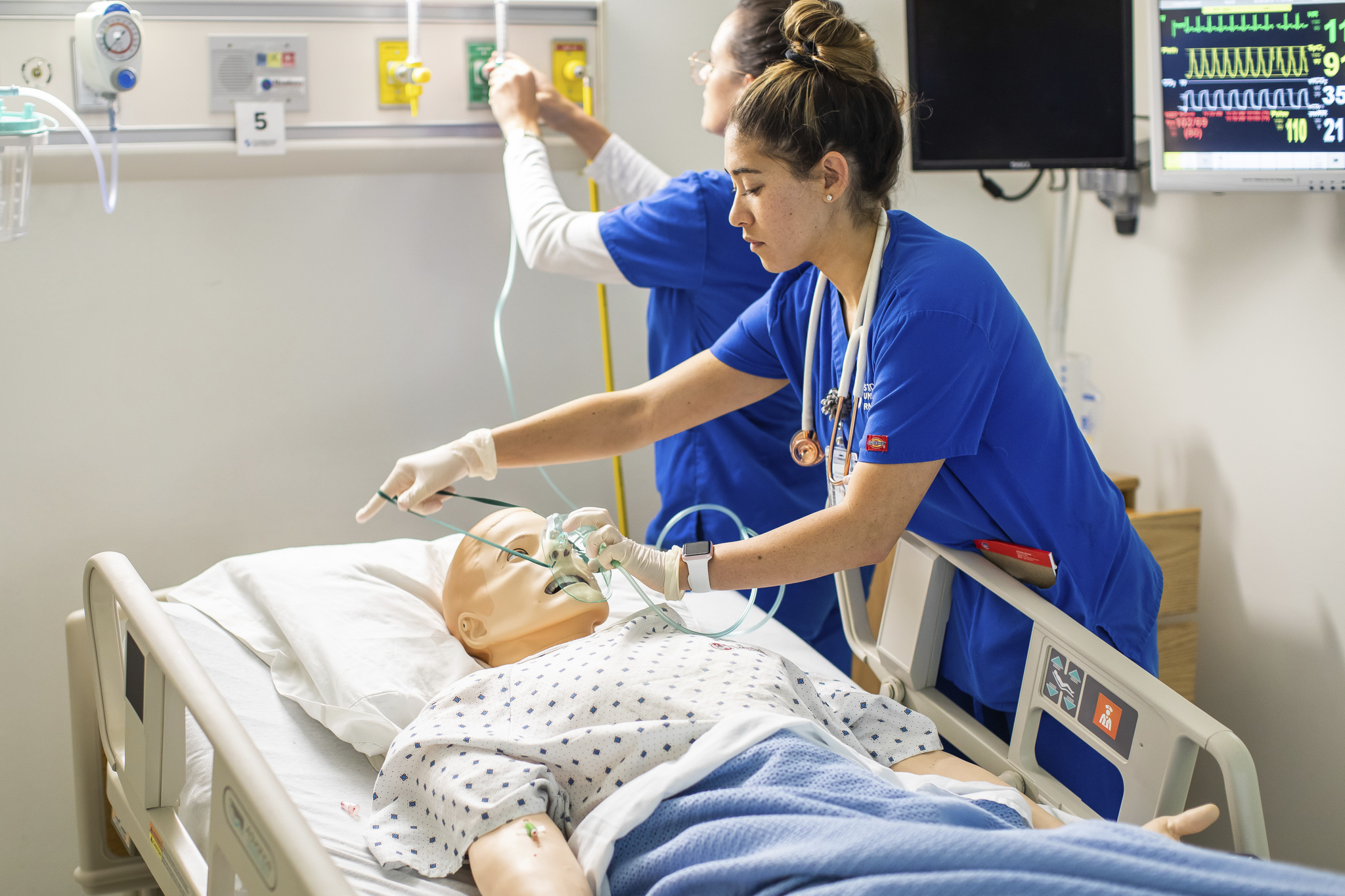
One of the biggest adjustments may be moving from skills you already know well into an environment where you’re learning something completely new. Nursing education includes science, nursing theory, laboratory learning, simulation, clinical education, and preparation for licensure examinations.
Depending on your pathway, you may study areas such as:
- Anatomy and physiology
- Pharmacology
- Nursing fundamentals
- Patient assessment
- Medical-surgical nursing
- Maternal-newborn nursing
- Pediatric nursing
- Mental health nursing
- Communication and documentation
You’ll also practice nursing skills in laboratories and simulation environments before and alongside supervised clinical experiences. Clinical rotations then give you opportunities to apply appropriate classroom and laboratory learning in healthcare settings.
Your previous work experience may support skills such as communication or time management, but nursing school is where you’ll learn how to use those abilities within patient care.
How Can You Prepare Financially and Personally for a Career Change?
Changing careers often involves more than applying to school.
Before enrolling, think about how the program will affect your schedule, income, transportation, and family responsibilities.
Consider:
- How many days per week you’ll attend class
- How long the program takes
- When clinical rotations may take place, including early in the morning, at night, or on weekends
- How much time you’ll need outside class to study
- Whether you plan to continue working
- Tuition and additional program expenses and whether Financial Aid is available
- Transportation to campus and clinical locations
- Childcare or family responsibilities
If you currently work full-time, do not assume you’ll be able to maintain the same work schedule throughout nursing school. Clinical rotations in particular may not follow a traditional Monday-through-Friday schedule. Planning for those realities before school begins can make your career transition more manageable.

What Does the Transition from Worker to Nursing Student Look Like?
Career changers often need to adjust both academically and professionally. If you’ve been away from school for several years, you may need to rebuild study habits, become comfortable taking exams, or learn how to manage coursework alongside other responsibilities. You may also find that nursing school changes the way you think about familiar strengths.
Being “good with people,” for example, becomes more specific in nursing. You’ll learn therapeutic communication, patient education, professional boundaries, documentation, and how to report clinical information.
Being “good under pressure” also changes. Nursing education teaches you how to assess a situation, recognize priorities, follow evidence-based practices, and seek appropriate assistance rather than relying only on instinct.
Your existing strengths can be valuable, but nursing school develops them within a clinical and professional framework.
How Does Stanbridge University Support Different Nursing Career Paths?
Stanbridge University offers two prelicensure nursing pathways that may interest career changers.
Vocational Nursing
The Associate of Occupational Science in Vocational Nursing program combines nursing coursework, Nursing Skills Laboratories, simulation, and supervised clinical rotations. ³
The program is approved by the California Board of Vocational Nursing and Psychiatric Technicians (BVPNT) at Stanbridge University’s Orange County, Los Angeles, Riverside, and San Diego campuses. ³
It is structured for completion in approximately 17–19 months full-time or 26–28 months part-time, depending on cohort scheduling and individual progression. ³
The part-time pathway may be especially relevant to some career changers who need additional flexibility, although availability and schedules vary by campus and cohort.
Bachelor of Science in Nursing
The Bachelor of Science in Nursing program combines nursing coursework, laboratory learning, simulation-based education, and supervised clinical rotations.⁴
The program is approved by the California Board of Registered Nursing (BRN) at the Orange County, Los Angeles, and Riverside campuses and accredited by the Commission on Collegiate Nursing Education. The San Diego campus is pending BRN approval.⁴
The BSN program consists of 180 quarter credit hours and is structured for completion in approximately 36–37 months.⁴
Because the pathways prepare students for different nursing roles, compare program length, schedule, scope of practice, licensure requirements, and your long-term educational goals before deciding which direction to pursue.
Is It Too Late to Change Careers and Become a Nurse?
There is no single point in your working life when you must choose nursing. People arrive at nursing education with different backgrounds, responsibilities, and reasons for making a change. What matters is whether you’re prepared for the educational commitment and whether nursing aligns with the kind of work you want to pursue.
A restaurant, retail, coffee shop, food service, or warehouse job may seem far removed from nursing. However, the communication, teamwork, organization, adaptability, and service skills you’ve developed can remain relevant as you learn an entirely new profession. Changing careers does not mean pretending your previous experience never happened. It means building on what you’ve learned while developing the nursing knowledge, clinical skills, and professional judgment required for your next role.
If you’re considering the transition, contact Stanbridge University to learn more about where to start.
Frequently Asked Questions
Yes. Many people enter nursing school without previous healthcare experience. Nursing programs provide the coursework, skills labs, simulation, and supervised clinical education needed to develop nursing-specific knowledge and patient-care skills.
Yes. A non-healthcare background does not prevent someone from pursuing nursing. Jobs in retail, restaurants, food service, warehouses, and other industries can also help develop transferable skills such as communication, teamwork, organization, adaptability, and working under pressure.
Not always. Some entry-level nursing programs accept applicants with a high school diploma or equivalent and do not require previous college-level prerequisites. Admissions requirements vary by school and nursing pathway, so applicants should review each program individually.
The right pathway depends on the student’s goals, available time, and desired nursing responsibilities. Vocational nursing generally provides a shorter pathway to licensed nursing practice, while RN education requires a greater time commitment and prepares graduates for a broader scope of nursing responsibilities.
The timeline depends on the nursing pathway and program. Stanbridge University’s Vocational Nursing program is structured for approximately 17–19 months full-time or 26–28 months part-time, while its BSN program is structured for approximately 36–37 months.³ ⁴
Some nursing students continue working while enrolled. However, the amount of work that is practical depends on class schedules, study time, laboratory requirements, clinical rotations, and personal responsibilities. Students should review the full program schedule before deciding how much they can realistically work.
Footnotes
¹ California Employment Development Department, Licensed Vocational Nurses Occupational Profile https://labormarketinfo.edd.ca.gov/cgi/career/occbyonetskillsoccdetails.asp?location=0601000000&socCode=292061++++&socTitle=Licensed+Vocational+Nurses
² California Employment Development Department, Registered Nurses Occupational Profile https://labormarketinfo.edd.ca.gov/cgi/databrowsing/occExplorerQSDetails.asp?careerID=&geogArea=0601000000&menuChoice=occexplorer&search=Explore+Occupation&searchCriteria=registered+nurse&soccode=291141
³ Stanbridge University Associate of Occupational Science in Vocational Nursing Program https://www.stanbridge.edu/program/vn
⁴ Stanbridge University Bachelor of Science in Nursing Program https://www.stanbridge.edu/program/bsn