How Do Clinical Rotations Prepare Nursing Students for Patient Care?
Nursing clinical rotations give you supervised opportunities to apply what you’ve learned in the classroom, skills lab, and simulation environment to actual patient care. Depending on your program and clinical placement, you may practice assessment, communication, documentation, medication-related skills, prioritization, teamwork, and other nursing responsibilities appropriate to your level of education. As you progress, clinical education can help you connect nursing knowledge with the realities of caring for patients in healthcare settings.
What Are Clinical Rotations in Nursing School?
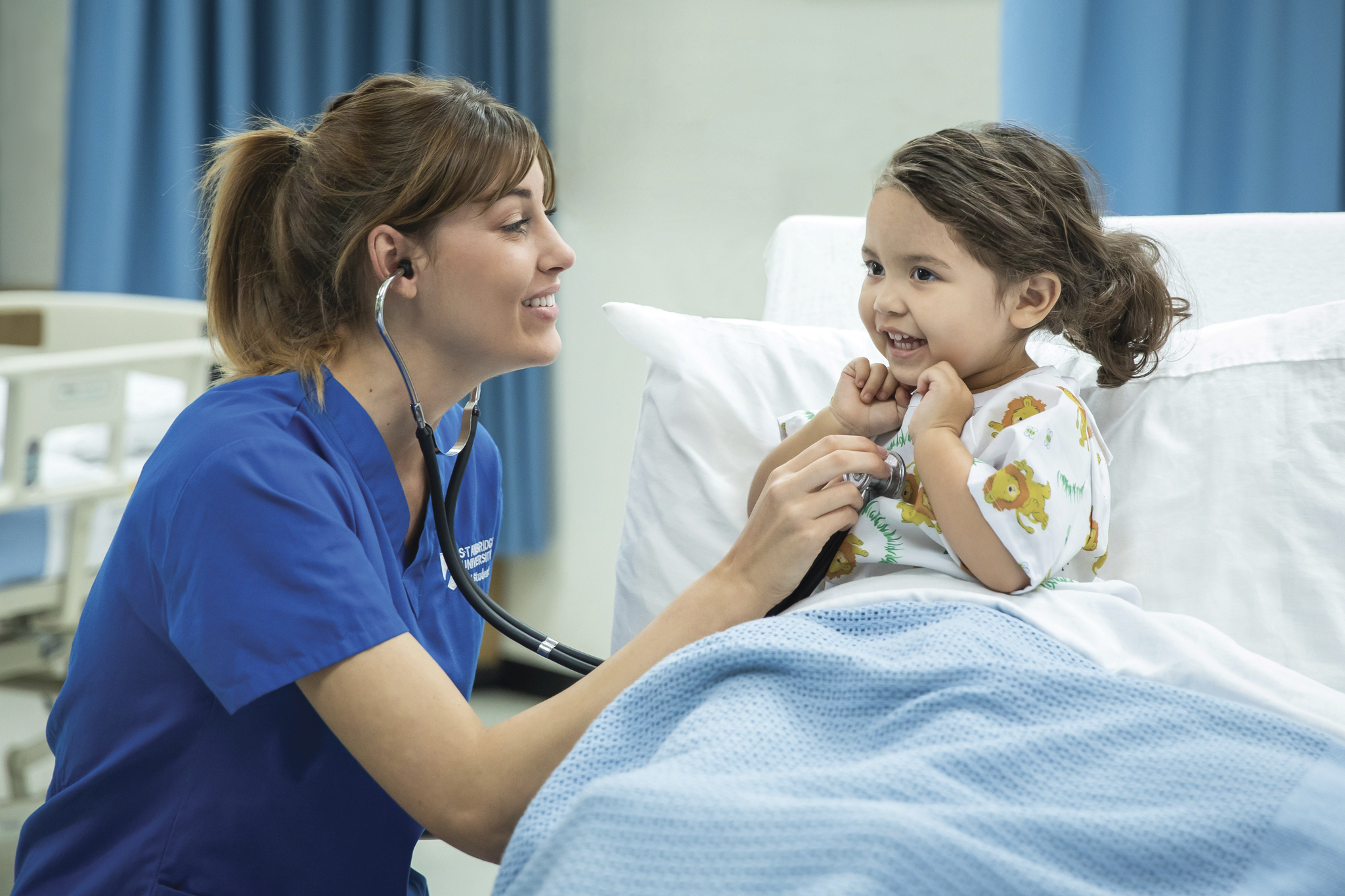
Clinical rotations are supervised learning experiences that take place in healthcare settings as part of your nursing education. Rather than learning only through lectures, textbooks, or simulations, you have opportunities to observe and participate in patient care under appropriate supervision.
Your responsibilities depend on your nursing program, how far you’ve progressed in the curriculum, the clinical setting, and the activities your instructor determines are appropriate. In California, clinical education is required in both registered nursing and vocational nursing programs. The California Board of Registered Nursing (BRN) establishes clinical education requirements for prelicensure RN programs, while the Board of Vocational Nursing and Psychiatric Technicians (BVNPT) establishes requirements for vocational nursing education.¹ ²
As a result, clinical rotations are a core part of preparing for nursing practice.
How Do Clinical Rotations Connect Classroom Learning With Patient Care?
Before you enter a clinical setting, much of your nursing education begins with concepts. You may study anatomy and physiology, pharmacology, patient assessment, nursing fundamentals, disease processes, communication, and other subjects.
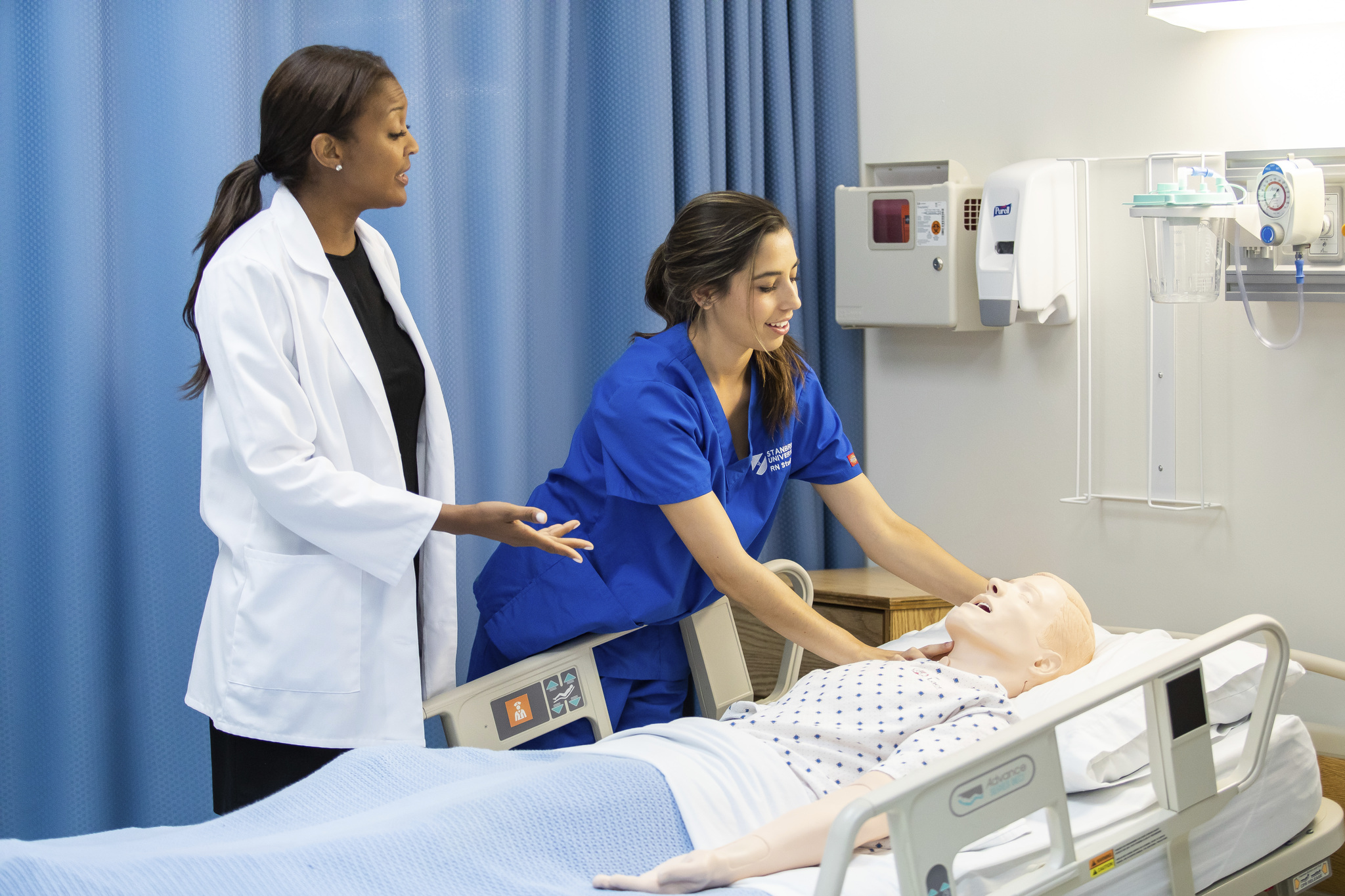
Skills laboratories can then give you structured opportunities to practice individual nursing techniques. Simulation can bring several concepts together through realistic patient-care scenarios.
Clinical rotations add another layer by placing that learning within actual healthcare environments.
For example, you might learn about vital signs in class, practice measuring them in a skills lab, respond to changing vital signs during a simulation, and later perform an appropriate assessment during supervised clinical education. Each experience builds on the others.
What Do Nursing Students Learn During Clinical Rotations?
Clinical learning changes as you progress through your program. However, several skills and professional behaviors are developed throughout nursing clinical education.
Patient Assessment
Clinical rotations can help you become more comfortable gathering information about a patient’s condition. Depending on your program and level of education, you may practice measuring vital signs, observing symptoms, reviewing relevant patient information, performing appropriate assessments, and communicating findings to your instructor or healthcare team.
Over time, these experiences can help you connect individual findings with the larger patient situation.
Communication
Nurses communicate constantly. During clinical education, you may interact with patients, families, instructors, nurses, and other healthcare professionals.
These experiences can help you practice explaining care, listening to patient concerns, asking appropriate questions, reporting relevant information, and communicating professionally with members of the healthcare team.
Just as importantly, you begin learning how communication may need to change depending on the patient, situation, and setting.
Documentation
Documentation is an important part of nursing care. Clinical education can introduce you to the ways healthcare professionals record assessments, interventions, patient responses, and other relevant information.
Depending on your clinical site and student role, you may practice documentation under supervision or work through related learning activities with your instructor.
These experiences reinforce the importance of clear, accurate, and timely communication in healthcare records.
Nursing Skills
Clinical rotations also give you opportunities to apply skills you’ve previously practiced in laboratory or simulation environments. Depending on your program, clinical placement, and level of progression, these may include medication-related activities, infection prevention, patient hygiene, mobility assistance, wound care, vital signs, or other nursing procedures.
You will not be expected to know how to do everything independently when you begin your clinical education. Instead, clinical learning allows you to continue developing appropriate skills over time with supervision and feedback.
How Do Clinical Rotations Develop Clinical Judgment?
One of the biggest adjustments in nursing education is learning that patient care rarely involves one piece of information at a time. A patient may have several health conditions, medications, symptoms, concerns, and care needs. In addition, their condition can change. Clinical rotations give you opportunities to begin putting those pieces together.
For example, in addition to knowing how to measure a blood pressure, you may need to consider whether the result has changed, what other symptoms are present, what medications the patient is receiving, and which information needs to be communicated.
Your instructor can then ask questions that encourage you to think through what you’re observing and why it matters. As you gain experience, this process helps to strengthen the connection between nursing knowledge and clinical decision-making.
How Do Clinical Rotations Teach You to Prioritize Care?
Similarly, nursing often involves caring for patients with several needs at the same time. During clinical education, you begin learning how to organize those responsibilities.
For example, you may need to consider which assessment should happen first, whether a change in condition requires immediate attention, when scheduled care needs to occur, and how to manage several responsibilities within a clinical shift.
Initially, your instructor provides significant guidance. As you progress, you may be expected to organize more of your assigned responsibilities while continuing to work within the expectations of your student role.
These experiences can help you develop time management and prioritization skills in ways that are difficult to reproduce through classroom learning alone.
How Do You Learn to Work With a Healthcare Team?
Patient care is collaborative. Depending on the setting, nurses may work with physicians, nursing assistants, pharmacists, physical therapists, occupational therapists, respiratory therapists, social workers, case managers, and other professionals.
Clinical rotations allow you to observe how those roles interact. You may participate in reports, communicate patient information, observe interdisciplinary discussions, or work alongside other healthcare professionals as appropriate to the clinical experience.
As a result, you can begin to see how nursing responsibilities fit within the broader patient-care team.
What Types of Clinical Rotations Do Nursing Students Complete?
Your exact clinical experiences depend on your program and what placements are available. For registered nursing education, clinical experiences may include areas such as:
- Medical-surgical nursing
- Maternal-newborn nursing
- Pediatric nursing
- Mental health nursing
- Community health
- Other areas of patient care
Vocational nursing clinical education also spans several patient-care areas. California’s BVNPT-required curriculum includes clinical experience related to:
- Nursing fundamentals
- Medical-surgical nursing
- Communicable diseases
- Gerontological nursing
- Rehabilitation
- Maternity nursing
- Pediatric nursing ²
However, individual placements vary based on many factors. Enrollment in a nursing program does not guarantee that you’ll complete a rotation at a particular hospital, unit, specialty, or healthcare facility.
How Are BSN and Vocational Nursing Clinical Rotations Different?
Both Bachelor of Science in Nursing (BSN) and vocational nursing programs use supervised clinical education to help you apply nursing knowledge, but the experiences reflect the different scopes and educational expectations of registered nurses (RNs) and licensed vocational nurses (LVNs).
Vocational nursing education focuses on developing the knowledge and hands-on skills needed for LVN practice. Clinical experiences help you apply concepts related to areas such as basic nursing care, medication administration, medical-surgical nursing, maternity, pediatrics, rehabilitation, and gerontology.²
BSN clinical education prepares you for the broader responsibilities associated with registered nursing. Depending on your coursework and placement, clinical experiences may place additional emphasis on comprehensive assessment, clinical judgment, care planning, prioritization, leadership, community health, and coordination of patient care.¹
The difference does not mean that one type of clinical education is more valuable. Instead, each is designed around the responsibilities and scope of the nursing role it supports.
What Challenges Can You Expect During Nursing Clinicals?
Clinical rotations can be an adjustment. Healthcare environments often move quickly, and you may encounter unfamiliar situations, changing patient needs, new terminology, or responsibilities that require you to manage your time carefully.
Clinical schedules can also differ from classroom schedules. Depending on your program and placement, rotations may take place early in the morning, in the evening, or on weekends, and may require travel to healthcare facilities outside the immediate area surrounding your campus.
You may also receive frequent feedback from instructors. That feedback is part of the learning process. Clinical education gives faculty opportunities to identify areas where you are progressing and where additional practice may be useful.
Preparing for these expectations can help you approach clinical rotations as a learning experience and adjust to your new environment more smoothly.
How Can You Get More From Your Clinical Rotations?
Beyond completing your required hours, clinical rotations are one of the best educational opportunities you will have to hone your nursing skills as a student. Approaching your clinical rotations actively is a great way to get the most out of your experience.
Before a clinical day, review relevant concepts and arrive prepared for the assigned experience. During the rotation, ask questions, listen to feedback, and pay attention to how nurses organize care and communicate with patients and healthcare teams. Afterward, reflect on what went well and what you want to improve.
It can also help to connect clinical experiences back to your coursework. If you encounter an unfamiliar medication, diagnosis, procedure, or patient-care situation, reviewing it later can reinforce what you observed.
The goal is not to experience every possible patient situation before graduation. Instead, clinical education helps you develop a foundation for continued learning.
What Do Clinical Rotations Look Like at Stanbridge University?
Stanbridge University incorporates supervised clinical education into both its Bachelor of Science in Nursing and Associate of Occupational Science in Vocational Nursing programs.³ ⁴
Bachelor of Science in Nursing
The Stanbridge University BSN curriculum combines classroom instruction, nursing skills laboratories, simulation-based learning, and supervised clinical education.³
Clinical coursework includes experiences connected with areas such as fundamentals of nursing, medical-surgical nursing, maternal-newborn care, pediatrics, mental health nursing, community health, and nursing leadership.³ ⁵
Clinical rotations take place at approved partner healthcare facilities throughout Southern California. Depending on placement and course requirements, rotations may occur Monday through Sunday and during day, evening, or night shifts.³
The BSN program is approved by the California Board of Registered Nursing (BRN) at the Orange County, Los Angeles, and Riverside campuses and accredited by the Commission on Collegiate Nursing Education (CCNE).³
Vocational Nursing
Stanbridge University’s Vocational Nursing program also combines nursing coursework, nursing skills laboratories, simulation, and supervised clinical rotations.⁴
The curriculum includes clinical education in areas such as nursing fundamentals, medical-surgical nursing, maternal-newborn nursing, pediatrics, and other areas required for vocational nursing preparation.⁴ ⁵
Clinical rotations take place at approved partner facilities throughout Southern California and may include weekday or weekend schedules.⁴
The program is approved by the California Board of Vocational Nursing and Psychiatric Technicians (BVNPT) at Stanbridge University’s Orange County, Los Angeles, Riverside, and San Diego campuses.⁴ Clinical sites, schedules, and experiences vary based on course requirements and placement availability.
Why Are Clinical Rotations an Important Part of Nursing Education?
Clinical rotations help connect what you know with what you do. Classroom instruction can teach you why a nursing intervention matters. Skills labs allow you to practice how to perform individual techniques. Simulation challenges you to bring knowledge and skills together.
Clinical education then places those lessons within supervised patient-care environments. Along the way, you can develop greater familiarity with patient assessment, communication, teamwork, documentation, prioritization, time management, and clinical judgment. You will not encounter every patient condition or master every nursing responsibility before graduation. Nursing requires continued learning throughout your career. However, clinical rotations can help you build the foundation needed to move from nursing student toward professional practice.
If you’re exploring nursing education, you can review the Stanbridge University Bachelor of Science in Nursing and Vocational Nursing program pages for curriculum, clinical education, approval, accreditation, admissions, and program information.
Frequently Asked Questions
During clinical rotations, you’ll participate in supervised learning experiences in healthcare settings. Depending on your program and level of progression, you may practice patient assessment, communication, documentation, nursing skills, prioritization, and teamwork.
Yes. Clinical education provides supervised opportunities to participate in patient care in healthcare settings. Your responsibilities depend on your program, level of education, clinical placement, and instructor guidance.
Simulation uses controlled patient-care scenarios and educational technology, while clinical rotations take place in healthcare settings with patients. Both allow you to apply nursing knowledge, but they serve different purposes within your education.
Clinical experiences vary by program and placement. They may include medical-surgical nursing, maternal-newborn care, pediatrics, mental health, community health, gerontology, rehabilitation, and other areas of patient care.
No, not usually. Your clinical rotations will be determined by your program. Clinical placement policies vary by program, but you should not assume that a particular hospital, unit, specialty, or location will be available. Clinical sites and schedules depend on course requirements, program arrangements, and placement availability.
Clinical rotations help you apply classroom and laboratory learning while developing patient-care skills, communication, clinical judgment, prioritization, time management, documentation, and teamwork under supervision.
Footnotes
¹ California Board of Registered Nursing, Prelicensure Nursing Program Requirements https://www.rn.ca.gov/education
² California Board of Vocational Nursing and Psychiatric Technicians, Licensed Vocational Nurses: Curriculum Requirements https://www.bvnpt.ca.gov/licensees/licensed_vocational_nurses.shtml
³ Stanbridge University, Bachelor of Science in Nursing Program https://www.stanbridge.edu/program/bsn
⁴ Stanbridge University, Associate of Occupational Science in Vocational Nursing Program https://www.stanbridge.edu/program/vn
⁵ Stanbridge University Catalog, All Course Descriptions https://catalog.stanbridge.edu/all-course-descriptions/