Why Is Pharmacology Important for Nurses?
Basic Overview
Pharmacology is an important part of nursing education because it helps students understand how medications work, how they affect the body, and how to support safe medication administration. Whether pursuing vocational nursing or registered nursing, students study pharmacology concepts that help prepare them for patient care responsibilities and clinical decision-making.

Understanding Pharmacology in Nursing Education
Students exploring nursing careers often ask what classes they will take in nursing school and which subjects are most important for success.
One topic that appears throughout nursing education is pharmacology. Because medications play an important role in patient care, nurses need a foundational understanding of how drugs work, how they are administered, and how they may affect patients.
As a result, pharmacology is a key component of many nursing education pathways.
What Is Pharmacology?
Pharmacology is the study of medications and how they interact with the body.¹
This field examines topics such as:
- How medications work
- How medications are administered
- How the body processes medications
- Potential medication effects and interactions
- Safe medication practices
Healthcare professionals use pharmacology knowledge to help support patient care and medication safety.¹
Why Is Pharmacology Important for Nurses?
Nurses frequently work with medications as part of patient care responsibilities.
Therefore, understanding pharmacology helps nurses administer medicine, monitor patients, and communicate with healthcare teams.
These concepts support nursing practice across a variety of healthcare settings.¹
What Do Nurses Learn in Pharmacology?
Specific coursework varies by program and educational level. However, nursing students often study topics such as:
Medication Classifications
Students learn how different categories of medications affect the body and support patient treatment plans.
Medication Administration
Nursing students learn about common methods of medication administration, including oral, topical, injectable, and other routes used in healthcare settings.
Medication Safety
Students learn how medication safety principles help support accurate documentation, patient monitoring, and safe medication administration practices.
Drug Actions and Effects
Students study how medications interact with body systems and how different factors may influence medication responses.
Dosage and Calculation Concepts
Many nursing programs introduce medication-related calculations that support safe medication administration practices.

Is Pharmacology Different for AVN and BSN Students?
Both vocational nursing and registered nursing education pathways include pharmacology-related concepts. However, coursework depth and overall program scope may vary depending on the educational pathway and program structure.
Pharmacology for Vocational Nursing (LVN)
Vocational nursing education introduces medication-related concepts that support entry-level nursing practice and patient care responsibilities.²
Pharmacology for Registered Nursing (RN)
Registered nursing education may explore pharmacology concepts in greater depth as part of broader nursing coursework, clinical education, and patient care preparation.
Educational requirements, coursework, and learning objectives vary by institution and program.
How Does Pharmacology Connect to Patient Care?
Pharmacology is more than memorizing medication names.
Instead, it helps students understand how medication-related knowledge supports patient care responsibilities.
For example, nurses may use pharmacology knowledge when:
- Administering medications
- Monitoring patients after medication administration
- Documenting medication-related information
- Communicating with physicians and healthcare teams
- Educating patients about medication instructions
Consequently, pharmacology serves as an important foundation for many aspects of nursing practice.¹
Is Pharmacology Difficult?
Students often view pharmacology as one of the more challenging subjects in nursing education because it involves learning medication terminology, classifications, and safety concepts.
However, many nursing students develop confidence through a combination of classroom instruction, laboratory experiences, clinical education, studying, and repetition.
Success often depends on consistent study habits, organization, and applying concepts throughout the educational process.
Nursing Education Pathways at Stanbridge University
Students interested in nursing careers can explore several educational pathways at Stanbridge University. Recognized as the #1 Best College for Nursing in California for 2026 by Niche.com, Stanbridge University offers programs designed to prepare students for a variety of nursing career pathways.⁴
Associate of Occupational Science in Vocational Nursing (AVN)
The Vocational Nursing program prepares students for Licensed Vocational Nurse career pathways through classroom instruction, hands-on learning experiences, and clinical education.²
Bachelor of Science in Nursing (BSN)
The Bachelor of Science in Nursing program prepares students for Registered Nurse career pathways through nursing coursework, hands-on and simulation-based learning, and clinical education experiences.³
Both nursing pathways include coursework designed to support the development of nursing knowledge and patient care skills.
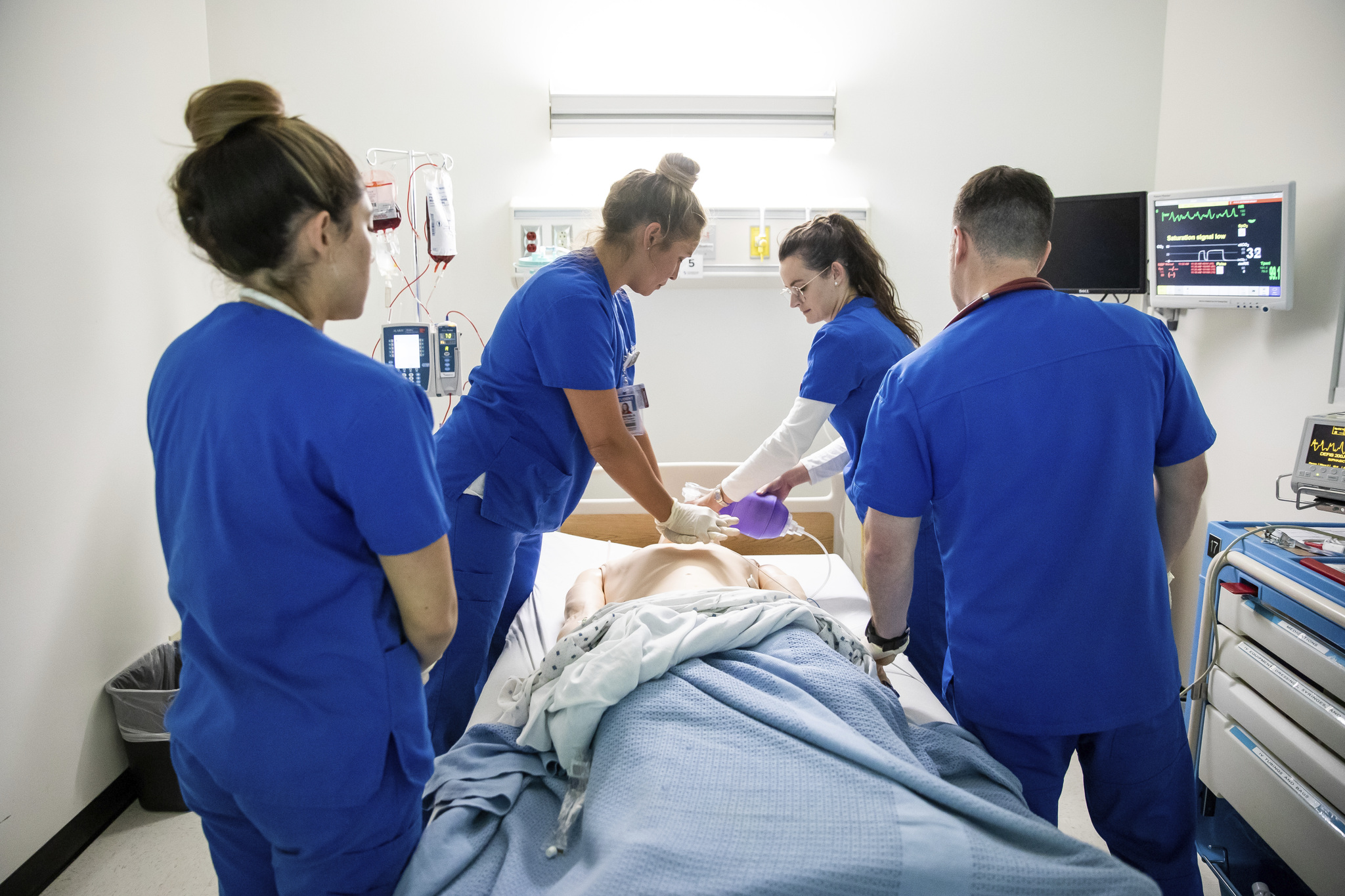
How Does Pharmacology Support Future Nursing Careers?
Pharmacology knowledge supports many responsibilities nurses perform throughout their careers. For example, nurses may administer medications, monitor patient responses, document medication-related information, and communicate with healthcare teams about patient care.
Because medications are used throughout healthcare, pharmacology remains relevant across a variety of nursing roles and practice settings. As a result, pharmacology continues to be an important component of nursing education and professional development.
Frequently Asked Questions
Pharmacology helps nurses understand how medications work, how they affect the body, and how medication-related knowledge supports patient care and safety.¹
Nursing students often learn about medication classifications, medication administration, medication safety, drug actions and effects, and dosage-related concepts.¹
Yes. Pharmacology is a required component of nursing education because nurses must understand how medications work, how they are administered, and how they support patient care. While course names and curriculum structure may vary, pharmacology concepts are included in nursing programs.² ³
Some students consider pharmacology challenging because it involves learning medication terminology, classifications, and safety concepts. However, many students develop confidence through studying, practice, and hands-on learning experiences.
Both vocational nursing and registered nursing pathways include pharmacology concepts. However, coursework depth and program scope may vary depending on the educational pathway and institution.² ³
Pharmacology helps nurses understand medication administration, patient monitoring, medication safety principles, and communication related to patient care.¹
Students interested in nursing careers can explore the Vocational Nursing and Bachelor of Science in Nursing programs offered by Stanbridge University.² ³
Footnotes
¹ National Library of Medicine (NLM) and National Center for Biotechnology Information (NCBI) Pharmacology and Medication Safety Resources
https://www.nlm.nih.gov/, https://www.ncbi.nlm.nih.gov/
² Stanbridge University Vocational Nursing Program Information
https://www.stanbridge.edu/program/vn
³ Stanbridge University Bachelor of Science in Nursing Program Information https://www.stanbridge.edu/program/bsn
⁴ Source: Niche.com, 2026 Best Colleges for Nursing in California. https://www.niche.com/colleges/search/best-colleges-for-nursing/s/california/