What Skills Do You Need to Succeed in Nursing School?
Basic Overview
There is no single personality or background required to succeed in nursing school. However, students who develop skills such as communication, critical thinking, time management, adaptability, professionalism, and a willingness to learn are often well prepared for the academic, laboratory, simulation, and clinical experiences that nursing education provides.
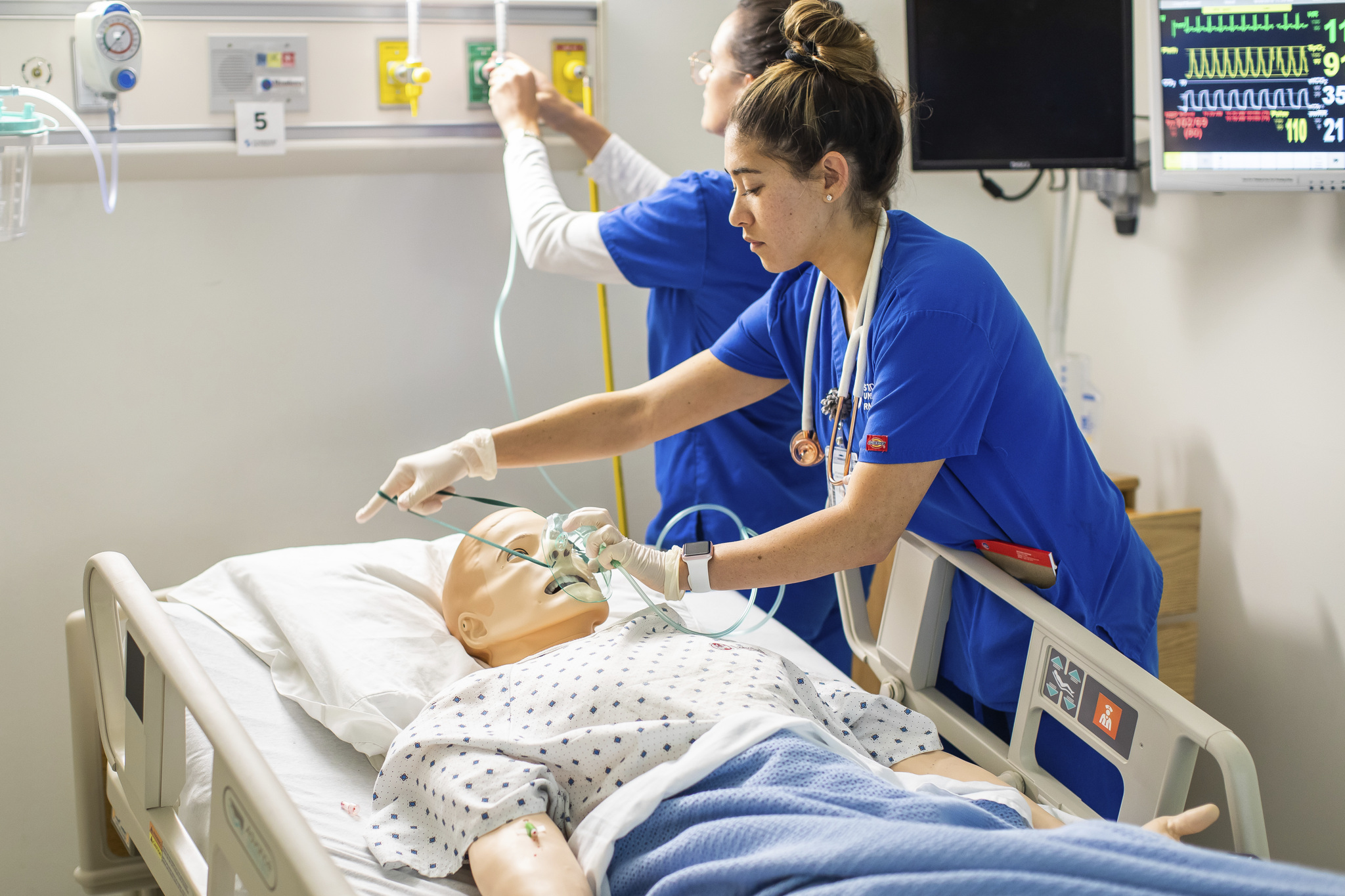
Can Anyone Succeed in Nursing School?
Students considering nursing school often wonder whether they have the right personality or background to succeed.
The good news is that successful nursing students come from many different educational, professional, and personal backgrounds. Some begin their nursing education immediately after high school, while others transition into nursing after working in different careers or raising families.
Rather than having one specific personality type, successful nursing students often develop habits and professional skills that help them adapt to the demands of nursing education.
Communication Skills
Communication is one of the most important skills in nursing.
Throughout nursing school and beyond, students communicate with instructors, classmates, patients, and healthcare professionals.
Strong communication skills help students:
- Ask questions
- Participate in classroom discussions
- Work effectively in teams
- Communicate with patients during simulation and clinical education
- Receive and apply constructive feedback
Communication continues to play an important role throughout a nursing career.
Critical Thinking
Nurses regularly evaluate information, identify priorities, and make informed decisions as part of patient care.
During nursing school, students strengthen critical thinking by:
- Analyzing patient scenarios
- Applying classroom concepts
- Solving clinical problems
- Participating in simulation-based learning
- Reflecting on clinical experiences
As students progress through nursing education, these experiences help strengthen clinical reasoning and decision-making.
Time Management
Nursing programs often include a combination of lectures, laboratory instruction, simulation, clinical education, assignments, and independent study.
Developing effective time management strategies can help students:
- Balance academic responsibilities
- Prepare for exams
- Stay organized
- Meet assignment deadlines
- Manage competing priorities
Learning to organize time effectively is a skill many students continue to build throughout nursing school and into their professional careers.
Adaptability
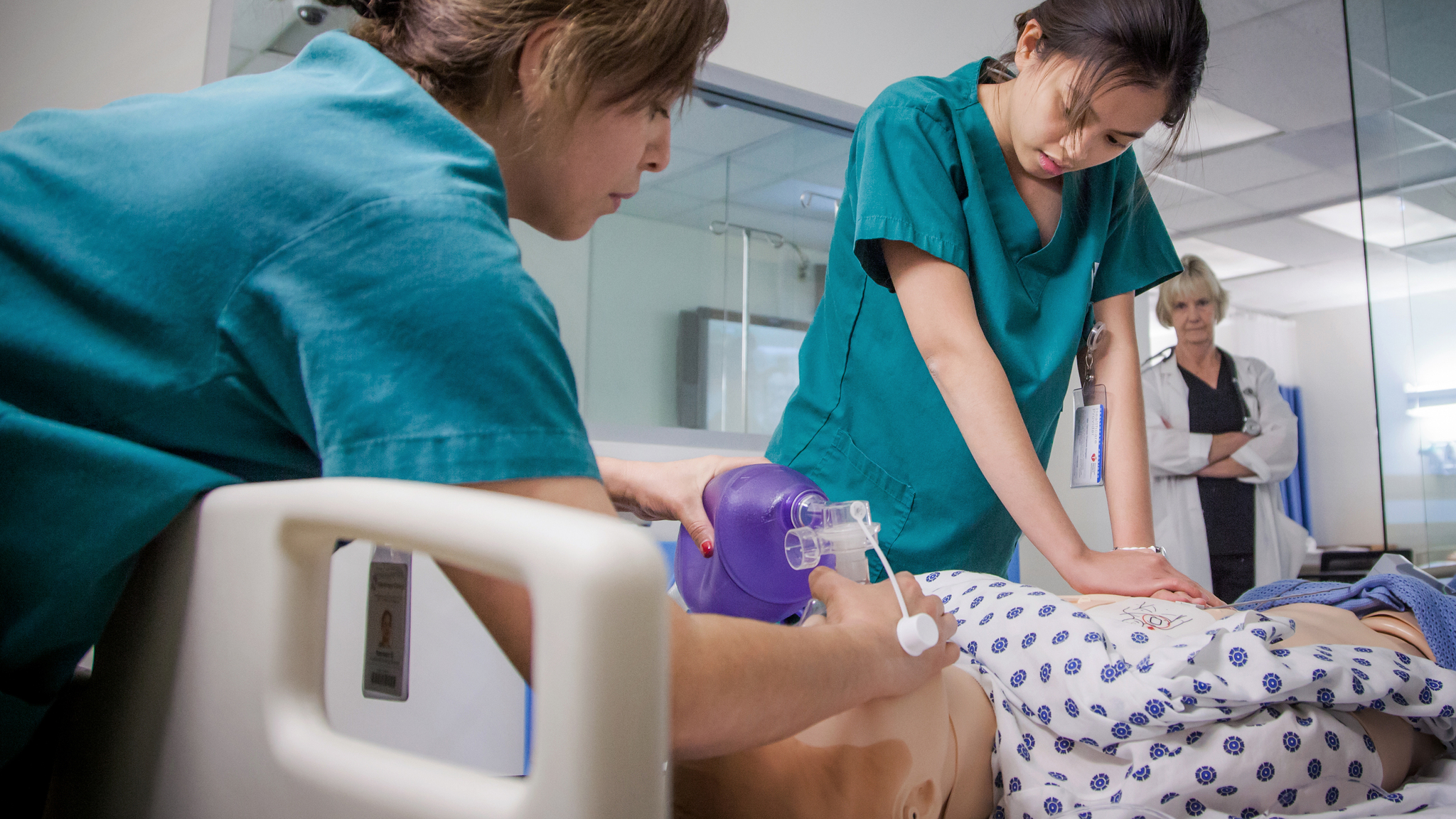
Healthcare environments are constantly changing. Likewise, nursing students encounter new concepts, clinical situations, and learning experiences throughout their education.
Being adaptable can help students:
- Adjust to new learning environments
- Respond to changing situations
- Learn from feedback
- Build confidence over time
Adaptability often develops through practice and experience rather than coming naturally from the beginning.
Professionalism
Nursing students begin developing their professionalism begins long before graduation.
Throughout nursing school, students learn the importance of:
- Accountability
- Respect
- Ethical behavior
- Reliability
- Patient confidentiality
- Professional communication
Developing these habits helps prepare students for both clinical education and future nursing practice.
A Willingness to Learn
One of the most valuable qualities successful nursing students share is a willingness to continue learning.
Students who remain curious, ask questions, seek feedback, and continue improving often build confidence throughout their nursing education. As healthcare continues to evolve through new research, technologies, and patient care practices, this willingness to keep learning can lead nurses to success in their professional practice as well.
No student knows everything before they begin nursing school. That’s why nursing education is designed to help students develop knowledge and skills over time through classroom instruction, simulation-based learning, laboratory experiences, and supervised clinical education.
Do You Need Healthcare Experience Beforehand?
Many students ask whether they need previous healthcare experience before enrolling in nursing school; the answer depends on the program’s admissions requirements.
Many nursing students begin their education without previous healthcare employment. Others enter nursing school after working as Certified Nursing Assistants (CNAs), medical assistants, emergency medical technicians (EMTs), or in other healthcare roles.
Although previous healthcare experience may help some students become familiar with patient care environments, it is not the only pathway to becoming a nurse.
How Can You Prepare for Nursing School?
If you’re planning to begin nursing school, there are several ways you can prepare.
Consider:
- Strengthening your study habits
- Improving your time management skills
- Practicing effective communication
- Reviewing basic science concepts
- Developing healthy routines
- Learning to balance multiple responsibilities
Preparing for nursing school is less about knowing all the answers and more about developing habits that support long-term success.
Our guide “What Should You Know Before Starting a Healthcare Career?” explores key considerations for students beginning their journey in healthcare and offers helpful insights as you prepare for nursing school.
Nursing Education at Stanbridge University
As you prepare for success in nursing school, you will likely also explore nursing programs. Students interested in nursing careers can explore multiple educational pathways at Stanbridge University.
Associate of Occupational Science in Vocational Nursing
The Associate of Occupational Science in Vocational Nursing program prepares students for Licensed Vocational Nurse career pathways through classroom instruction, laboratory learning, simulation-based education, and supervised clinical experiences.¹
The program is approved by the California Board of Vocational Nursing and Psychiatric Technicians (BVNPT) at the Orange County, Los Angeles, Riverside, and San Diego campuses.¹
The program consists of 106.5 quarter credit hours and is designed to be completed in approximately 17–19 months for full-time students and 26–28 months for part-time students, depending on cohort scheduling and individual progression.³
Stanbridge University NCLEX-PN licensure pass rates
- Orange County: 94% (2023–2025)
- Los Angeles: 91% (2023–2025)
- Riverside: 96% (2025)¹
Bachelor of Science in Nursing
The Bachelor of Science in Nursing program prepares students for Registered Nurse career pathways through nursing coursework, laboratory instruction, simulation-based learning, and supervised clinical education.²
The program is approved by the California Board of Registered Nursing (BRN) at the Orange County, Los Angeles, and Riverside campuses. The San Diego, San Marcos campus is pending BRN approval.² In addition, the program is accredited by the Commission on Collegiate Nursing Education (CCNE).²
The program consists of 180 quarter credit hours and is designed to be completed in approximately 36–37 months, depending on cohort scheduling and individual progression.³
Recent graduates achieved a 98% NCLEX-RN licensure pass-rate (2023–2025) across the Orange County, Los Angeles, and Riverside campuses.²
Both vocational nursing and registered nursing pathways provide opportunities for students to develop communication, critical thinking, professionalism, and other skills that support nursing education and patient-centered care.
Success Looks Different for Every Student
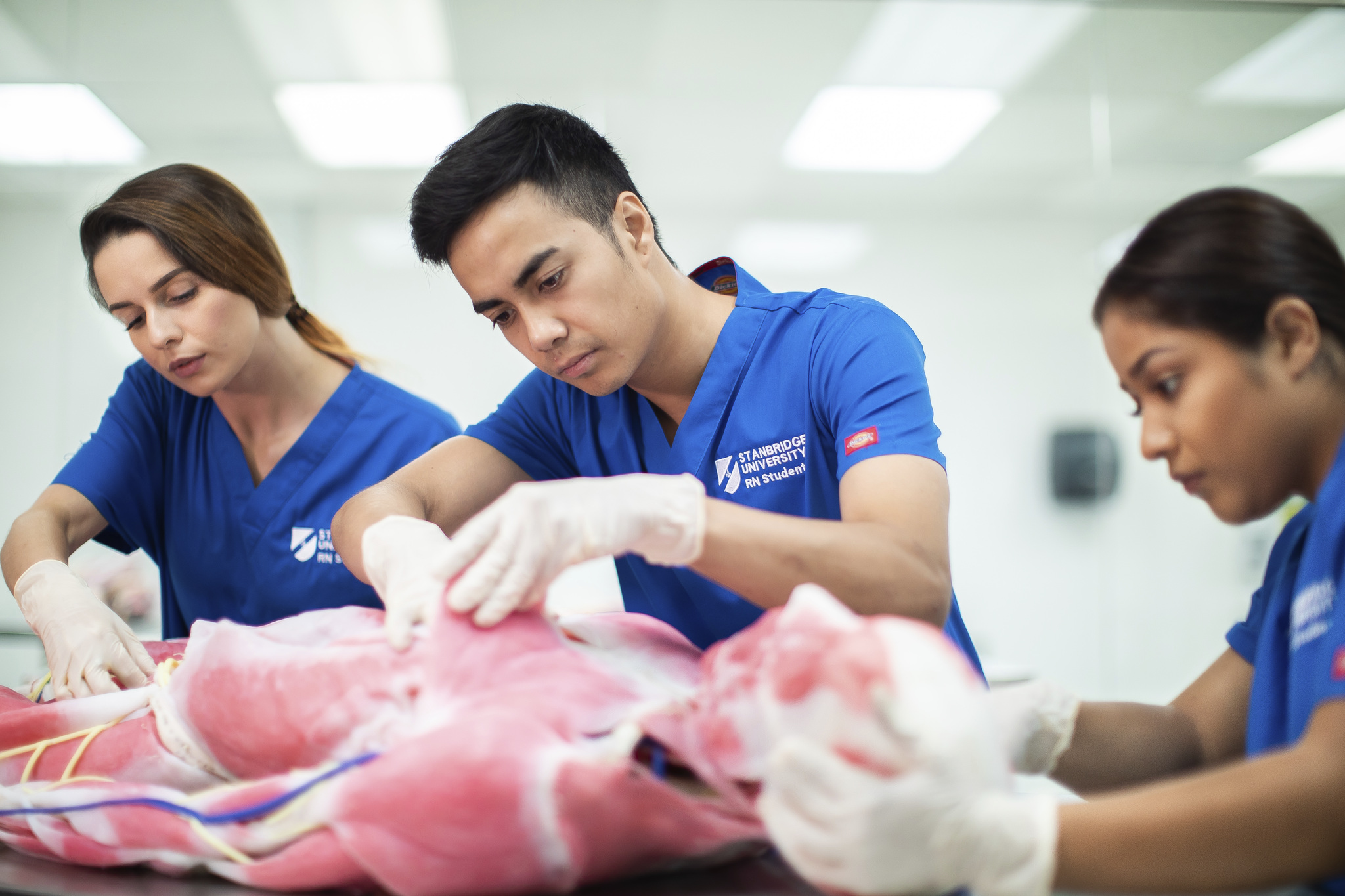
There is no single formula for succeeding in nursing school. Students develop their skills at different rates and bring different strengths to the classroom, laboratory, and clinical environment.
By approaching nursing school with curiosity, professionalism, strong study habits, and adaptability, you can build the knowledge and skills needed to support your educational journey. Over time, those experiences help prepare students for the responsibilities of professional nursing practice.
Frequently Asked Questions
Successful nursing students often develop strong communication, critical thinking, time management, adaptability, professionalism, and study skills. These abilities help students navigate classroom instruction, laboratory learning, educational simulations, and clinical education.
Not necessarily. Many nursing students begin their education without previous healthcare employment. While some students have experience as Certified Nursing Assistants (CNAs), Emergency Medical Technicians (EMTs), or in other healthcare roles, many nursing programs do not require previous healthcare experience before admission.
There is no single personality that guarantees success in nursing school. However, students who are willing to learn, communicate effectively, stay organized, work well with others, and adapt to new challenges often build strong foundations for success.
Nursing education involves more than memorization. Students also develop clinical reasoning, communication, critical thinking, problem-solving, and professional decision-making skills through classroom instruction, simulation-based learning, laboratory experiences, and supervised clinical education.
Students often prepare by strengthening study habits, improving time management, reviewing basic science concepts, practicing communication skills, and developing routines that support academic success.
Yes. Nursing education is designed to help students develop professional knowledge and skills over time. Classroom instruction, laboratory learning, simulation, and clinical education all provide opportunities to strengthen communication, critical thinking, professionalism, and patient care skills.
Students interested in nursing careers can explore the Associate of Occupational Science in Vocational Nursing and Bachelor of Science in Nursing programs at Stanbridge University.
Footnotes
¹ Stanbridge University Associate of Occupational Science in Vocational Nursing Program Information, https://www.stanbridge.edu/program/vn
² Stanbridge University Bachelor of Science in Nursing Program Information, https://www.stanbridge.edu/program/bsn
³ Program duration subject to change. Completion times vary depending upon the start and end dates of a cohort and any individual circumstances that may impact progression.