How to Know if a Healthcare Career Is Right for You
Basic Overview
Healthcare careers can be rewarding if you enjoy helping others, solving problems, working as part of a team, and continuing to learn throughout your career. While no single personality is “perfect” for healthcare, understanding your interests, strengths, preferred work environment, and long-term goals can help you determine whether a healthcare career is the right fit.

Is Healthcare a Good Career for You?
Choosing a career is one of the biggest decisions you’ll make, and healthcare offers a wide range of opportunities for people with different interests, personalities, and professional goals.
Some healthcare professionals care for a variety of patients’ daily needs, while others specialize in rehabilitation, education, or long-term recovery. As a result, there isn’t one personality type that’s “right” for healthcare.
Instead, asking yourself a few key questions can help you determine whether a healthcare career aligns with your interests and strengths.
Do You Enjoy Helping Others?
Many people pursue healthcare careers because they want to make a meaningful difference in the lives of others.
Healthcare professionals support patients during illness, injury, recovery, rehabilitation, and everyday health challenges.
If you enjoy helping people achieve their goals, overcome obstacles, or improve their quality of life, healthcare may be a career worth exploring.
Are You Comfortable Working with People?
Most healthcare careers involve interacting with many people, including patients, families, coworkers, and interdisciplinary healthcare teams.
Depending on the profession, you may spend your day:
- Communicating with patients
- Educating families
- Collaborating with healthcare professionals
- Supporting rehabilitation goals
- Providing direct patient care
Strong interpersonal skills can help healthcare professionals build trust and provide patient-centered care.
Do You Enjoy Learning?
Healthcare continues to evolve as research, technology, and patient care practices change.
Many healthcare professionals continue learning throughout their careers by staying current with professional standards, continuing education requirements, and advances within their field.
If you enjoy learning new concepts and building your knowledge over time, healthcare may provide opportunities for continued professional growth.
Do You Like Solving Problems?
Healthcare professionals often evaluate situations, identify challenges, and determine appropriate next steps.
Depending on the profession, problem-solving may involve:
- Evaluating patient needs
- Adapting treatment plans
- Selecting therapeutic activities
- Responding to changing patient conditions
- Collaborating with healthcare teams
Critical thinking and adaptability are valuable across many healthcare careers.
What Kind of Patient Care Interests You?
Not every healthcare professional provides the same type of care. Two types of healthcare professions that provide different care to patients are nursing professions and allied health professions.
Nursing
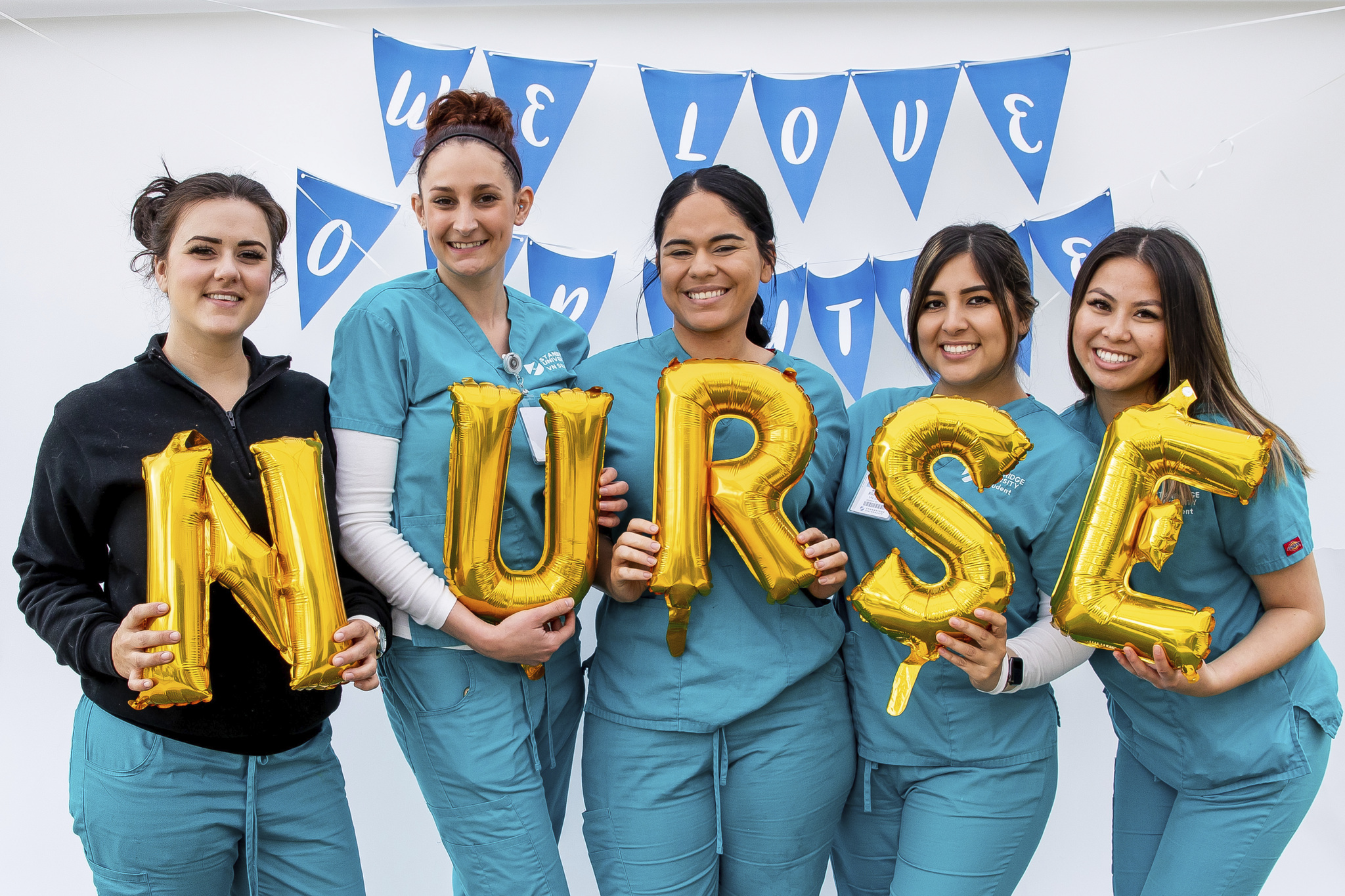
Nurses often monitor patient health, coordinate care, educate patients and families, administer medications, and collaborate with healthcare teams.¹ ²
Depending on their role and practice setting, nurses may work with infants, children, adolescents, adults, or older adults. They care for patients experiencing a wide range of medical conditions, illnesses, injuries, and healthcare needs in hospitals, clinics, schools, community health organizations, and other healthcare settings.
Many students who enjoy direct patient care, communication, and working as part of interdisciplinary healthcare teams choose to explore nursing education pathways. Common education pathways in nursing prepare students to become Licensed Vocational Nurses (LVNs) and Registered Nurses (RNs).
Allied Health
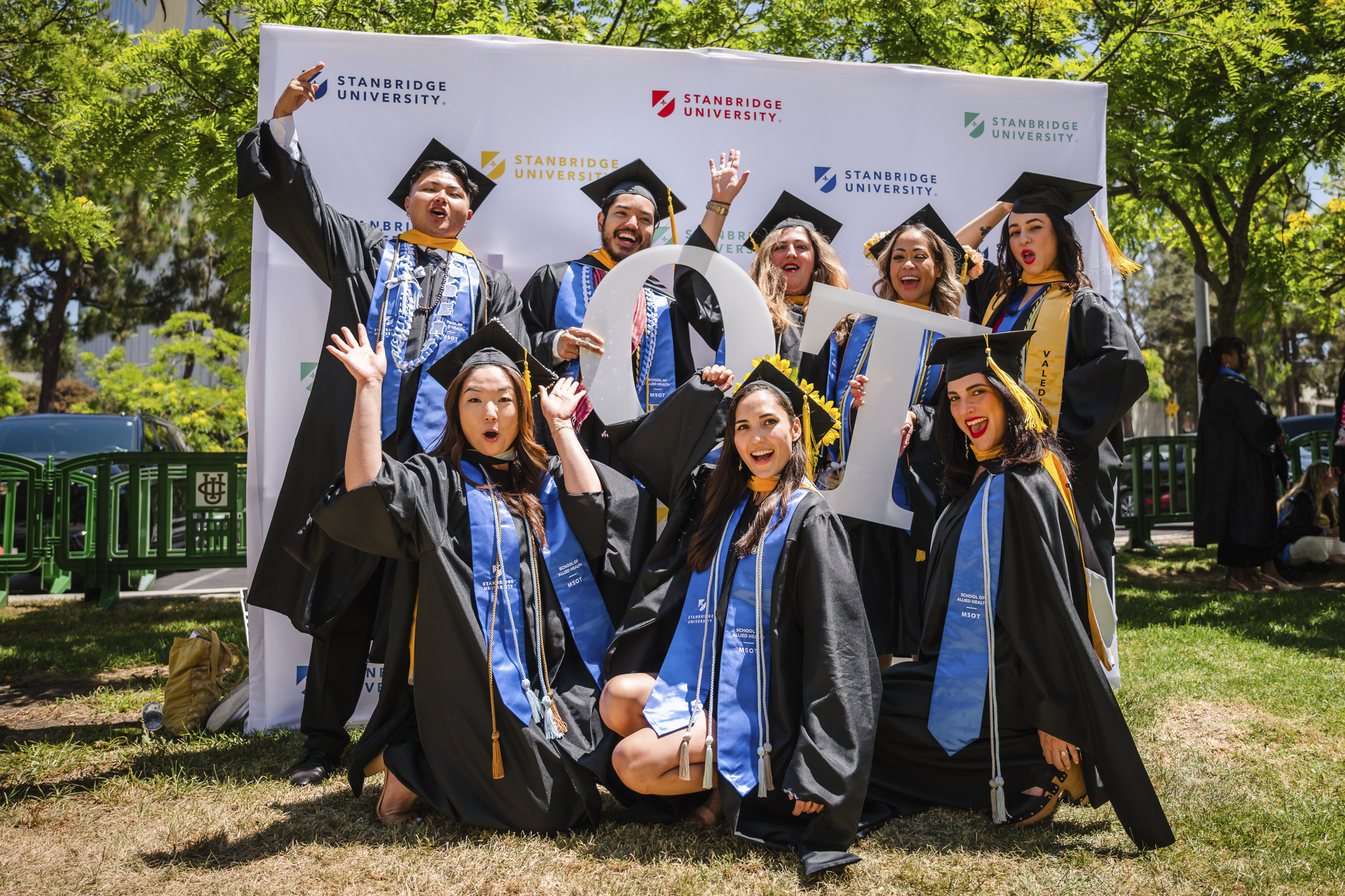
Allied Health careers help individuals improve movement, recover from injuries, or maintain skills needed for everyday living and meaningful activities.³ ⁴ ⁵
They often work with patients recovering from injuries, living with developmental disabilities, or adapting to physical challenges. Many students interested in rehabilitation and movement sciences explore these healthcare pathways, including physical therapy, and occupational therapy.
If you’re still deciding between nursing and rehabilitation-focused careers, our article “Nursing vs. Allied Health” explores some of the differences between these educational pathways.
What Type of Work Environment Do You Prefer?
Healthcare professionals work in many different settings.
Examples include:
- Hospitals
- Outpatient clinics
- Schools
- Rehabilitation facilities
- Skilled nursing facilities
- Community health organizations
- Home healthcare
The work environment often influences a healthcare professionals daily responsibilities, patient population, and pace of work.
Thinking about where you would enjoy working can help narrow your career options.
What Are Your Long-Term Career Goals?
As you explore healthcare careers, consider where you would like your education and career to take you.
Questions to ask yourself include:
- Do I enjoy direct patient interaction?
- Am I interested in rehabilitation or nursing?
- Do I enjoy working with children, adults, or older adults?
- Would I like to continue my education in the future?
- What type of work-life balance am I looking for?
There are no right or wrong answers, but reflecting on these questions may help you identify educational pathways that align with your goals.
What Does the Job Outlook Look Like?
Healthcare continues to be one of the fastest-growing employment sectors in California.
According to the California Employment Development Department (EDD):
- Licensed Vocational Nurses are projected to experience 17.8% employment growth between 2022 and 2032.¹
- Registered Nurses are projected to grow 12.9%.²
- Occupational Therapy Assistants are projected to grow 33.3%.³
- Occupational Therapists are projected to grow 20.5%.⁴
- Physical Therapist Assistants are projected to grow 41.8%.⁵
The EDD also reports competitive median annual wages across these professions, although salaries vary based on experience, employer, geographic location, and practice setting.¹ ² ³ ⁴ ⁵
Understanding workforce information alongside your personal interests can help you make a more informed career decision.
Exploring Healthcare Education at Stanbridge University
Students interested in healthcare careers can explore several educational pathways at Stanbridge University.
Available programs include:
Associate of Occupational Science in Vocational Nursing
Students interested in Licensed Vocational Nurse pathways can explore the Associate of Occupational Science in Vocational Nursing program.
Bachelor of Science in Nursing
Students interested in Registered Nursing can explore the Bachelor of Science in Nursing program.
Associate of Occupational Science – Occupational Therapy Assistant
Students interested in rehabilitation-focused careers can explore the Occupational Therapy Assistant program.
Master of Science in Occupational Therapy
Students interested in becoming Occupational Therapists can explore the Master of Science in Occupational Therapy program.
Associate of Science – Physical Therapist Assistant
Students interested in helping patients improve mobility and movement can explore the Physical Therapist Assistant program.
If you’re just beginning your research, you may also find our article “What Should You Know Before Starting a Healthcare Career?” helpful as you compare educational pathways and prepare for the next step.
Is a Healthcare Career Right for You?
The answer depends on your interests, goals, and the type of work you find meaningful.
Healthcare careers offer opportunities to work with patients, collaborate with healthcare teams, solve problems, and continue learning throughout your career.
By exploring different professions, reflecting on your strengths, and researching educational pathways, you can better determine whether healthcare is the right fit for your future.
Frequently Asked Questions
Healthcare may be a good fit if you enjoy helping others, solving problems, working with people, and continuing to learn throughout your career. The right healthcare profession depends on your interests, strengths, and long-term goals.
Many healthcare professionals demonstrate communication, compassion, adaptability, critical thinking, teamwork, professionalism, and problem-solving skills. Different healthcare careers may emphasize these qualities in different ways.
Many healthcare professionals work directly with patients, including Licensed Vocational Nurses, Registered Nurses, Occupational Therapists, Occupational Therapy Assistants, and Physical Therapist Assistants. Responsibilities vary depending on the profession and work setting.¹ ² ³ ⁴ ⁵
Consider your interests, preferred work environment, long-term goals, and the type of patient care you would like to provide. Researching educational pathways, daily responsibilities, and career outlook can help you determine which profession best aligns with your goals.
According to the California Employment Development Department (EDD), several healthcare professions are projected to experience continued employment growth through 2032, including Licensed Vocational Nurses, Registered Nurses, Occupational Therapy Assistants, Occupational Therapists, and Physical Therapist Assistants.¹ ² ³ ⁴ ⁵
Many healthcare education pathways do not require previous healthcare employment before enrollment. Students should review the admissions requirements for each program they are considering. Requirements vary by program and institution.
Students interested in healthcare careers can explore Stanbridge University’s programs in Vocational Nursing, Bachelor of Science in Nursing, Occupational Therapy Assistant, Master of Science in Occupational Therapy, and Physical Therapist Assistant.
Footnotes
¹ California Employment Development Department (EDD), Licensed Vocational Nurses Occupational Profile, https://labormarketinfo.edd.ca.gov/cgi/databrowsing/occExplorerQSDetails.asp?searchCriteria=licensed+vocational&careerID=&menuChoice=&geogArea=0601000000&soccode=292061&search=Explore+Occupation
² California Employment Development Department (EDD), Registered Nurses Occupational Profile, https://labormarketinfo.edd.ca.gov/cgi/databrowsing/occExplorerQSDetails.asp?searchCriteria=registered+nurse&careerID=&menuChoice=&geogArea=0601000000&soccode=291141&search=Explore+Occupation
³ California Employment Development Department (EDD), Occupational Therapy Assistants Occupational Profile, https://labormarketinfo.edd.ca.gov/cgi/databrowsing/occExplorerQSDetails.asp?searchCriteria=occupational+therapy&careerID=&menuChoice=&geogArea=0601000000&soccode=312011&search=Explore+Occupation
⁴ California Employment Development Department (EDD), Occupational Therapists Occupational Profile, https://labormarketinfo.edd.ca.gov/cgi/databrowsing/occExplorerQSDetails.asp?searchCriteria=occupational+therapist&careerID=&menuChoice=&geogArea=0601000000&soccode=291122&search=Explore+Occupation
⁵ California Employment Development Department (EDD), Physical Therapist Assistants Occupational Profile, https://labormarketinfo.edd.ca.gov/cgi/databrowsing/occExplorerQSDetails.asp?searchCriteria=physical+therapist+assistant&careerID=&menuChoice=&geogArea=0601000000&soccode=312021&search=Explore+Occupation