Nursing vs Allied Health: Which Healthcare Career Path Is Right for You?
Basic Overview
Nursing and allied health careers both play important roles in healthcare, but they differ in responsibilities, educational pathways, and patient care focus. Nurses often provide and coordinate patient care across a variety of healthcare settings, while allied health professionals frequently specialize in areas such as rehabilitation, therapy, diagnostics, and wellness. Understanding these differences can help you choose a healthcare career path that aligns with your interests and goals.
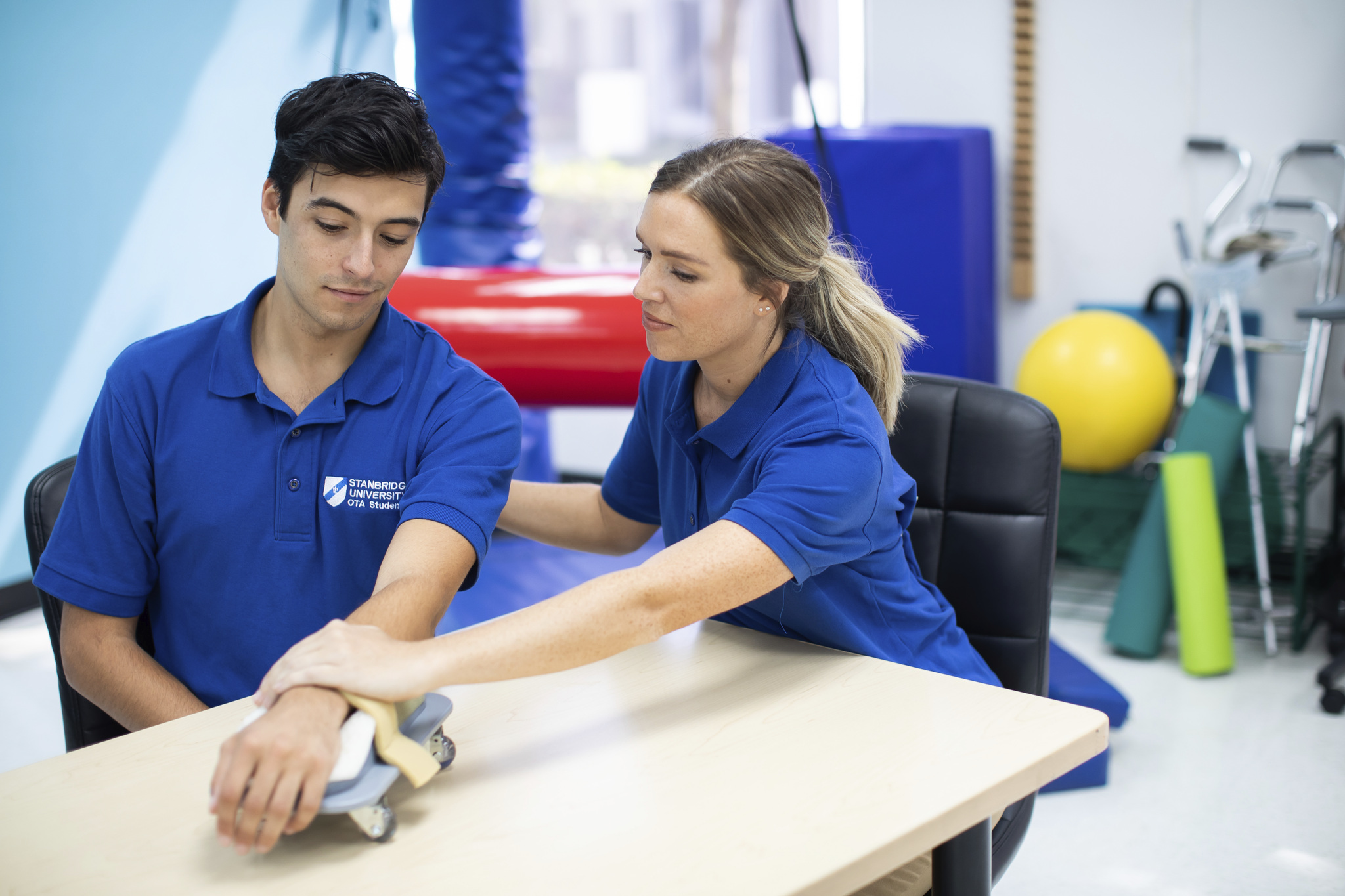
Should You Pursue Nursing or Allied Health?
Students interested in healthcare careers often compare nursing and allied health professions when deciding which educational pathway to pursue.
Both nursing and allied health professionals work directly with patients and contribute to healthcare teams. However, their responsibilities, educational requirements, and career pathways can differ significantly.
Understanding these differences can help you identify a healthcare profession that aligns with your interests, strengths, and long-term career goals.
What Is Nursing?
Nursing focuses on patient care, health education, care coordination, and clinical decision-making. Nurses work closely with patients, families, physicians, therapists, and other healthcare professionals to support treatment and recovery.¹
Common nursing roles include:
- Licensed Vocational Nurse (LVN)
- Registered Nurse (RN)
Nurses often provide direct patient care, monitor patient conditions, administer treatments, and educate patients about their health and wellness.
What Is Allied Health?
Allied health refers to a broad group of healthcare professions that support patient care, rehabilitation, diagnosis, treatment, and wellness outside of physician and nursing roles.²
Examples of allied health careers include:
- Occupational Therapy Assistant (OTA)
- Occupational Therapist (OT)
- Physical Therapist Assistant (PTA)
Many allied health professionals specialize in a specific area of healthcare and work closely with patients to improve function, mobility, independence, and quality of life.
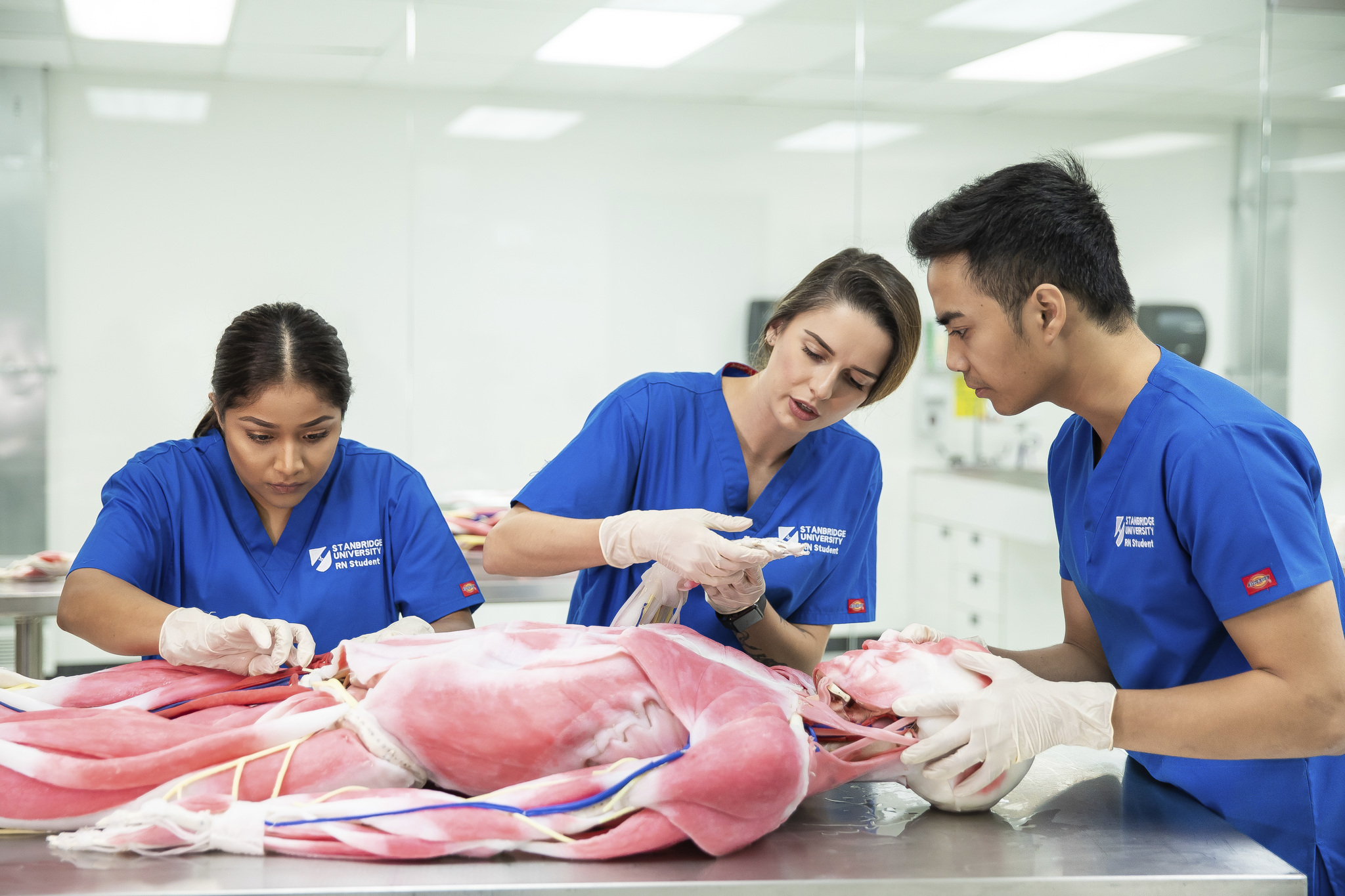
Nursing vs Allied Health: What Is the Difference?
Patient Care Focus
Nurses often provide broad patient care and care coordination across a variety of healthcare settings. Their responsibilities may include monitoring patients, administering medications, educating patients, and collaborating with healthcare teams.¹
In contrast, allied health professionals frequently focus on specialized services such as rehabilitation, therapy, diagnostics, or wellness.²
Educational Pathways
Nursing
Common nursing pathways include:
Licensed Vocational Nurse (LVN)
Vocational Nursing typically complete an approved vocational nursing program, which may result in a diploma, certificate, or associate degree, depending on the institution and program structure. After graduation, students pursue LVN licensure requirements.¹
Registered Nurse (RN)
Registered Nurses typically complete either an Associate Degree in Nursing (ADN) or a Bachelor of Science in Nursing (BSN). After graduation, students pursue Registered Nurse licensure requirements, including the NCLEX-RN examination and applicable state requirements.¹
Allied Health
Allied health careers have varying educational requirements.
Occupational Therapy Assistant (OTA)
Occupational Therapy Assistants typically complete an associate degree program that includes classroom instruction and fieldwork experiences. After graduation, students pursue OTA requirements, including the NCBOT-COTA examination and applicable state requirements.²
Physical Therapist Assistant (PTA)
Physical Therapist Assistants typically complete an associate degree program that includes classroom instruction, laboratory training, and clinical education experiences. After graduation, students pursue PTA requirements, including the NPTE examination and applicable state requirements.³
Occupational Therapist (OT)
Occupational Therapists typically complete a master’s degree program that includes graduate-level coursework, fieldwork experiences, and applicable certification and licensure requirements before entering practice.²
As a result, educational timelines, degree requirements, and licensure pathways vary depending on the profession you choose.
Work Environments
Both nurses and allied health professionals work in diverse healthcare settings.
Common environments include:
- Hospitals
- Rehabilitation centers
- Skilled nursing facilities
- Schools
- Outpatient clinics
- Community health organizations
However, allied health professionals are often more likely to specialize within specific practice areas such as rehabilitation and therapy.
Which Career Path Offers More Direct Patient Interaction?
Both nursing and allied health careers involve patient interaction.
Nurses often care for multiple patients throughout a shift and coordinate care across healthcare teams.
Allied health professionals frequently spend extended periods working one-on-one with patients during therapy sessions, rehabilitation activities, or treatment interventions.
The type of patient interaction differs depending on the profession and work environment.
What Types of Students Choose Nursing?
Nursing may appeal to students who:
- Enjoy direct patient care
- Are interested in health education
- Want broad clinical responsibilities
- Enjoy working in fast-paced healthcare environments
- Are interested in leadership or advanced nursing pathways
What Types of Students Choose Allied Health?
Allied health careers may appeal to students who:
- Enjoy rehabilitation and therapy-focused work
- Prefer specialized healthcare roles
- Are interested in helping patients improve function and independence
- Enjoy one-on-one patient interaction
- Want to focus on a specific area of healthcare
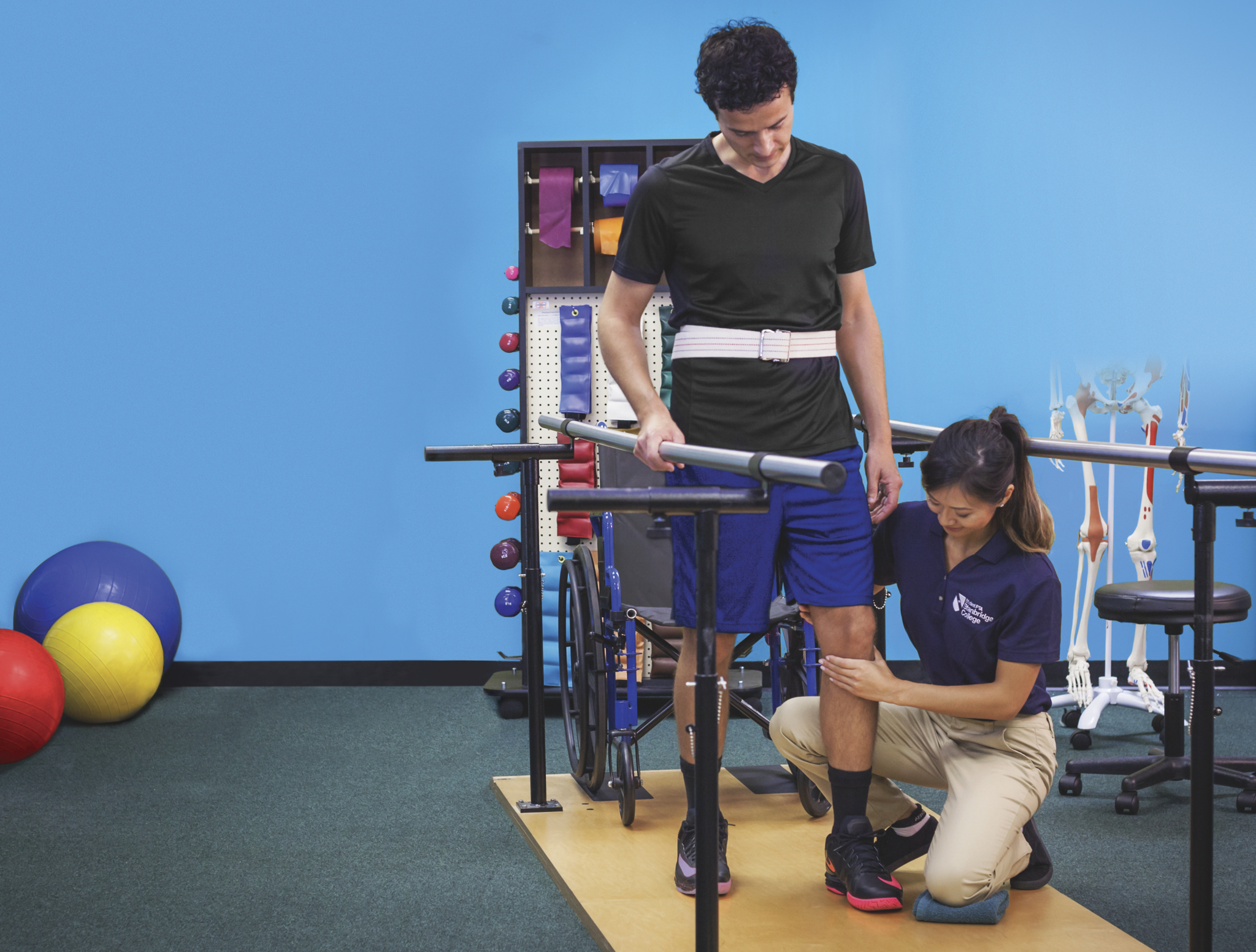
Healthcare Education Pathways at Stanbridge University
Students interested in healthcare careers can explore several educational paths at Stanbridge University.
Vocational Nursing (VN)
The Vocational Nursing program at Stanbridge University prepares students for Licensed Vocational Nurse career pathways through classroom instruction, hands-on learning, and clinical education experiences.⁴
Bachelor of Science in Nursing (BSN)
The Stanbridge University Bachelor of Science in Nursing program prepares students for Registered Nurse career paths through nursing coursework, simulation-based learning, and clinical experiences.⁴
Occupational Therapy Assistant (OTA)
The Occupational Therapy Assistant program at Stanbridge University prepares students to support Occupational Therapists in helping patients develop or regain skills needed for daily living and participation.⁴
Physical Therapist Assistant (PTA)
The Stanbridge University Physical Therapist Assistant program prepares students to work with patients recovering from injury, illness, and surgery while supporting mobility and rehabilitation goals.⁴
Master of Science in Occupational Therapy (MSOT)
The Master of Science in Occupational Therapy program at Stanbridge University prepares students to evaluate patients, develop treatment plans, and support participation in meaningful daily activities.⁴
Nursing vs Allied Health: Which Is Right for You?
The right healthcare career depends on your interests, educational goals, preferred work environment, and long-term professional objectives.
If you enjoy broad patient care responsibilities, health education, and clinical decision-making, nursing may align with your goals.
On the other hand, if you are interested in rehabilitation, therapy, mobility, or helping patients improve independence, an allied health profession may be a better fit.
Exploring both pathways can help you identify a healthcare career that aligns with your interests and future goals.
Frequently Asked Questions
Nursing focuses on patient care, care coordination, and health education, while allied health careers often focus on specialized areas such as rehabilitation, therapy, diagnostics, and wellness.¹ ²
No. Nursing and allied health are generally considered separate categories of healthcare professions, although both contribute to patient care and healthcare teams.¹ ²
Neither pathway is universally better. The right choice depends on your interests, career goals, preferred work environment, and educational preferences.
Examples include Occupational Therapy Assistant, Occupational Therapist, Physical Therapist Assistant, and many other specialized healthcare professions.²
Not necessarily. Educational requirements vary by profession. Some allied health careers require associate degrees, while others require master’s degrees.² ³
Students interested in healthcare careers can explore Stanbridge University’s nursing, occupational therapy, and physical therapy education path here.⁴
Footnotes
¹ California Employment Development Department (EDD) Nursing Occupation Information, https://labormarketinfo.edd.ca.gov/cgi/databrowsing/occExplorerQSDetails.asp?searchCriteria=Nursing&careerID=&menuChoice=&geogArea=0601000000&soccode=292061&search=Explore+Occupation, https://labormarketinfo.edd.ca.gov/cgi/databrowsing/occExplorerQSDetails.asp?searchCriteria=registered+nurse&careerID=&menuChoice=&geogArea=0601000000&soccode=291141&search=Explore+Occupation
² California Employment Development Department (EDD) Occupational Therapy and Allied Health Occupational Information, https://labormarketinfo.edd.ca.gov/cgi/databrowsing/occExplorerQSDetails.asp?searchCriteria=occupational+therapist&careerID=&menuChoice=&geogArea=0601000000&soccode=291122&search=Explore+Occupation, https://labormarketinfo.edd.ca.gov/cgi/databrowsing/occExplorerQSDetails.asp?searchCriteria=Occupational+Therapy&careerID=&menuChoice=&geogArea=0601000000&soccode=312011&search=Explore+Occupation
³ California Employment Development Department (EDD) Physical Therapist Assistant Occupational Information, https://labormarketinfo.edd.ca.gov/cgi/databrowsing/occExplorerQSDetails.asp?searchCriteria=Physical+Therapist+Assistant&careerID=&menuChoice=&geogArea=0601000000&soccode=312011&search=Explore+Occupation
⁴ Stanbridge University Program Information, https://www.stanbridge.edu/programs