How Do BSN Students Learn to Think Like Nurses? Inside Nursing School
If you’re considering nursing school, you may already know you’ll study anatomy, pharmacology, and patient care. However, a Bachelor of Science in Nursing (BSN) program also teaches you how to think like a nurse. Through classroom instruction, simulation, clinical experiences, and evidence-based learning, you’ll develop critical thinking, clinical judgment, communication, and decision-making skills that help you assess patient needs, prioritize care, and collaborate with healthcare teams.
What Does It Mean to Think Like a Nurse?
Nursing is about much more than performing clinical skills. Every day, nurses assess patients, recognize changes in health conditions, communicate with healthcare teams, prioritize multiple responsibilities, and make informed decisions that support safe, patient-centered care.
Learning to think like a nurse means developing the ability to combine scientific knowledge with clinical judgment and compassionate communication. With these skills, nurses play an active role in patient care: they continually evaluate patient information, identify potential concerns, and determine appropriate next steps within their scope of practice.
These skills are not learned overnight. Instead, they develop throughout nursing school as students build confidence through classroom instruction, simulation, laboratory experiences, and supervised clinical education.
How Do BSN Students Develop Critical Thinking Skills?
Critical thinking is one of the most important skills developed during a Bachelor of Science in Nursing program.
Beyond memorizing facts, you’ll learn how to evaluate information, identify patterns, solve problems, and make informed clinical decisions based on patient needs.
Throughout nursing school, instructors encourage students to ask questions such as:
- What information is most important?
- What could this assessment finding indicate?
- Which patient needs immediate attention?
- What additional information should be gathered?
- How might one intervention affect another?
Instead of focusing on one clear, correct answer, nursing education often presents complex patient scenarios that require careful analysis and thoughtful decision-making.
As your education progresses, you’ll become more comfortable applying nursing knowledge to increasingly complex patient situations.
How Does Nursing School Build Clinical Judgment?
Critical thinking and clinical judgment are closely connected, but they are not exactly the same.
Critical thinking involves analyzing information and considering different possibilities. Clinical judgment is the process of applying that analysis to make informed nursing decisions.
For example, a nurse may notice that a patient’s blood pressure has changed, recognize additional symptoms, review the patient’s medical history, and determine whether the healthcare team should be notified immediately.
Throughout a BSN program, students strengthen clinical judgment by participating in:
- Patient case studies
- Simulation exercises
- Laboratory experiences
- Clinical rotations
- Faculty-guided discussions
- Reflective learning activities
Each learning experience helps students become more confident in recognizing patient needs and responding appropriately in different healthcare situations.
Why Is Communication an Essential Nursing Skill?
Nurses communicate with patients, families, physicians, therapists, pharmacists, and many other healthcare professionals throughout every shift.
Strong communication helps promote patient safety, reduce misunderstandings, and support coordinated care.
During nursing school, you’ll continue developing skills such as:
- Active listening
- Patient education
- Professional communication
- Therapeutic communication
- Team collaboration
- Documentation
These communication skills become increasingly important during clinical experiences, where students begin interacting with real patients and healthcare teams under faculty supervision.
Learning to communicate clearly and compassionately helps nurses build trust while supporting effective care and positive patient experiences.
How Do BSN Students Learn to Prioritize Patient Care?
One of the biggest adjustments you’ll make during nursing school is learning that not all patient needs carry the same level of urgency. Nurses often care for multiple patients with different medical conditions and treatment plans.
To prepare for these situations, BSN students learn how to organize information, recognize changes in patient conditions, and determine which situations require immediate attention.
Faculty help students strengthen these skills through:
- Patient scenarios
- Simulation activities
- Case studies
- Clinical discussions
- Reflection exercises
Through these experiences, students develop the skills they need to make thoughtful clinical decisions that support safe and effective patient care.
What Role Does Evidence-Based Practice Play in Nursing School?
Modern nursing relies on evidence-based practice, in which current research findings continue to inform clinical expertise, allowing nurses to provide patients with the highest-quality care.
Throughout a BSN program, students learn how to evaluate scientific evidence and apply it to nursing practice. When nurses use research to help guide clinical decisions and improve patient outcomes–especially when following tradition would lead them to a different answer, advances in healthcare can reach patients faster.
Developing these research skills also prepares graduates to continue learning throughout their careers as healthcare practices evolve.
What Courses Help BSN Students Develop These Skills?
Every Bachelor of Science in Nursing program has its own curriculum, but the coursework in any nursing program is designed to help students build knowledge and skills progressively throughout the program.
As you advance through a BSN program, you’ll study subjects that strengthen both your clinical knowledge and professional decision-making. Coursework may include topics such as Fundamentals of Nursing, Health Assessment, Pathophysiology, Pharmacology, Adult Health Nursing, Maternal-Newborn Nursing, Pediatric Nursing, Mental Health Nursing, Community Health Nursing, Leadership and Management, and Evidence-Based Practice.¹
Many nursing programs also incorporate laboratory instruction, simulation-based learning, and supervised clinical experiences that help you apply classroom concepts while developing confidence in patient care.
How Do Simulation and Clinical Experiences Strengthen Decision-Making?
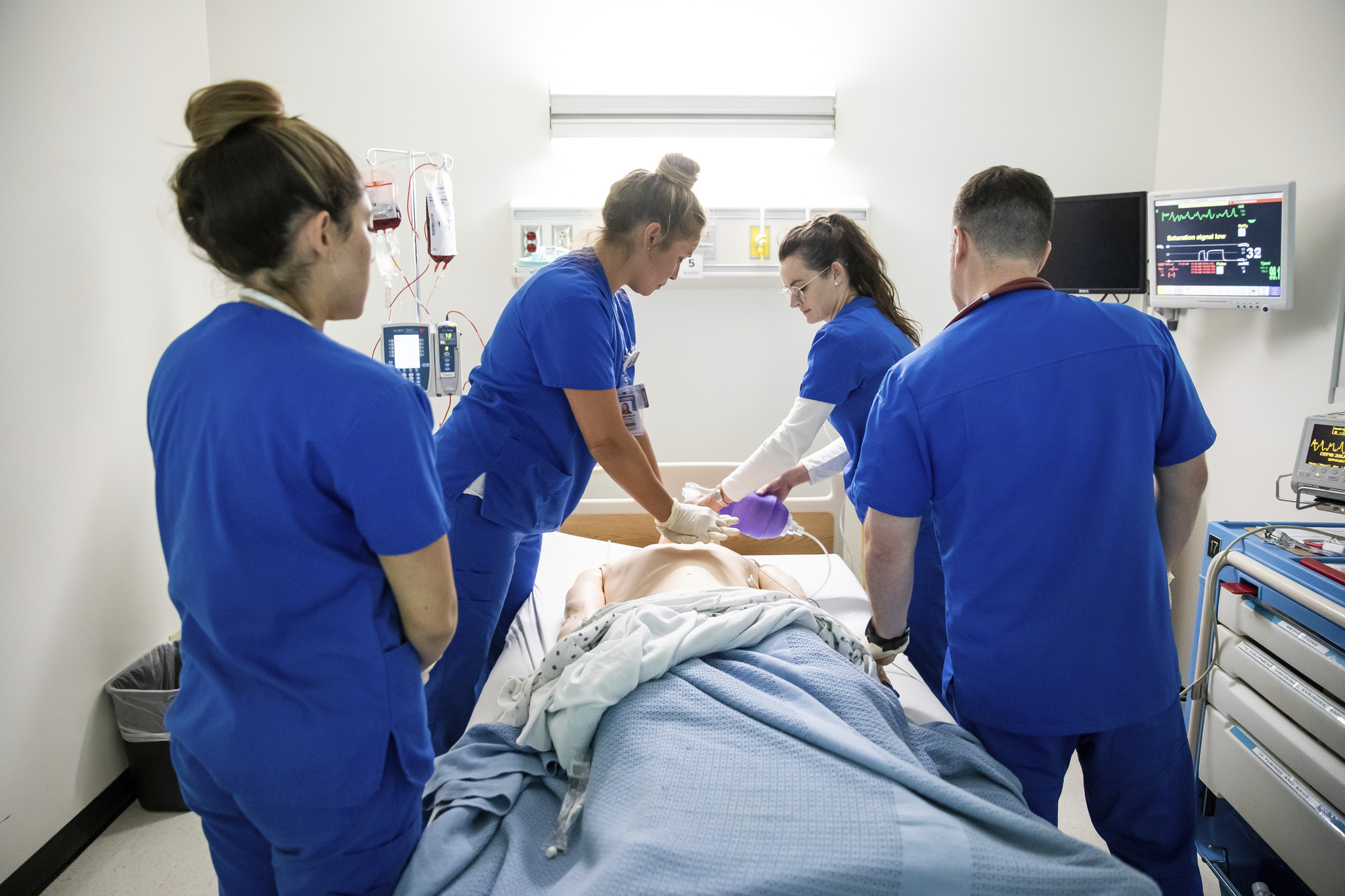
Learning to think like a nurse doesn’t happen through lectures alone. Throughout a BSN program, simulation and supervised clinical experiences give you opportunities to apply classroom knowledge in realistic healthcare scenarios.
Simulation activities allow students to practice assessing patients, communicating with healthcare teams, prioritizing care, and responding to changing patient conditions in a structured learning environment. Faculty members guide students through each scenario, providing feedback that helps strengthen clinical judgment and confidence.
Clinical experiences build on those skills by allowing students to care for real patients in healthcare settings under the supervision of qualified instructors and clinical partners. As students progress through the program, they begin integrating assessment, communication, critical thinking, and decision-making into everyday nursing practice.
These experiences help bridge the gap between classroom learning and professional nursing responsibilities.
How Do Reflection and Feedback Help You Grow as a Nurse?
One important aspect of nursing education is that learning continues even after a clinical experience or simulation ends.
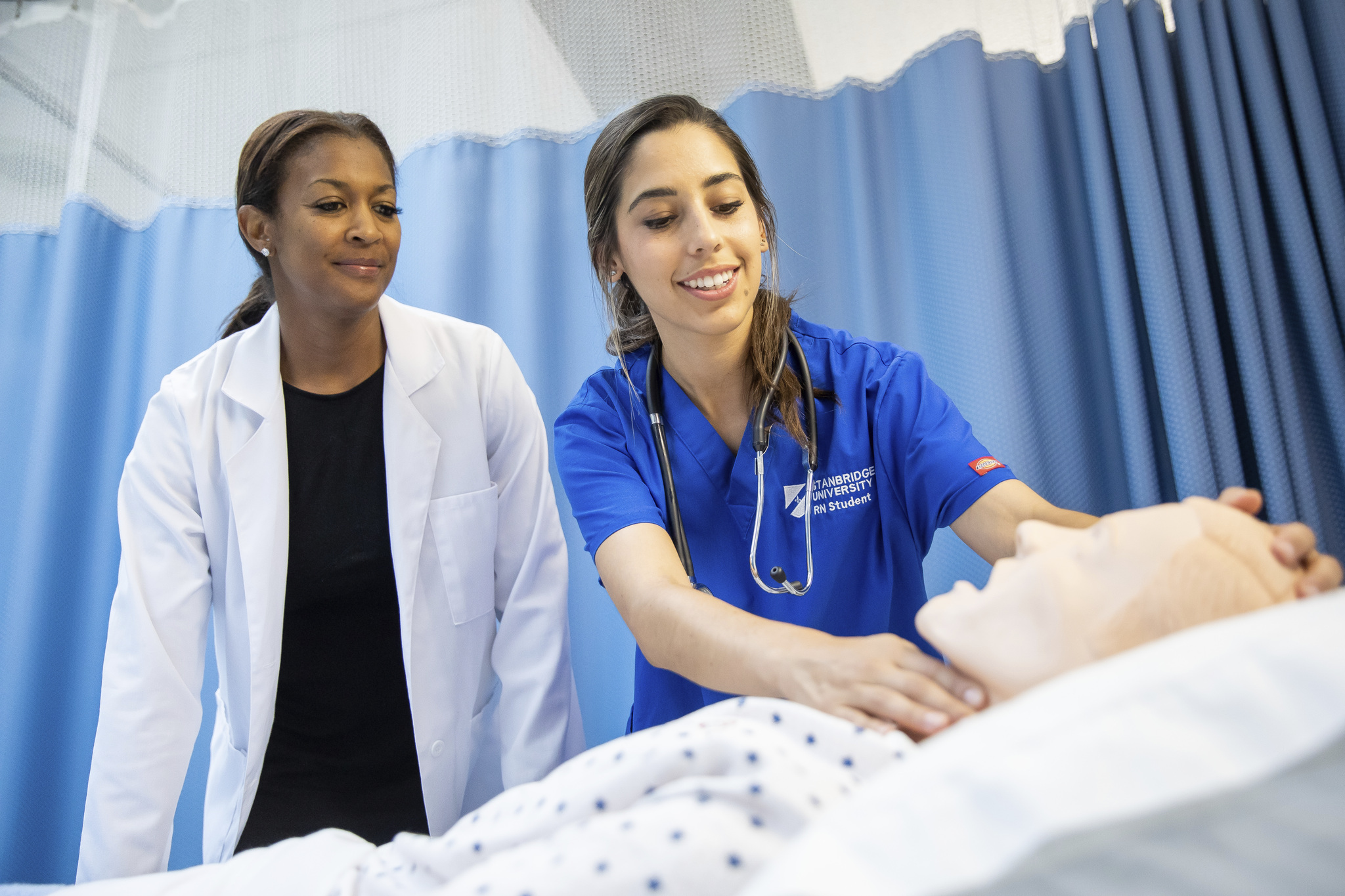
Throughout a BSN program, students are encouraged to reflect on their clinical decisions, communication, and patient interactions. Faculty members provide constructive feedback that helps students recognize their strengths, identify opportunities for improvement, and refine their clinical reasoning.
Reflection may include questions such as:
- What information influenced your decision?
- How did you prioritize patient needs?
- What went well during the interaction?
- What would you do differently next time?
This ongoing cycle of practice, feedback, and reflection helps students become more confident and thoughtful decision-makers while preparing for professional nursing practice.
How Does a BSN Program Prepare You for Professional Nursing Practice?
A Bachelor of Science in Nursing program prepares students for more than passing exams or mastering technical procedures. It helps develop the professional knowledge, communication skills, ethical judgment, and clinical reasoning needed to provide safe, patient-centered care.
Throughout the program, students continue building competencies in:
- Patient assessment
- Clinical judgment
- Critical thinking
- Evidence-based practice
- Therapeutic communication
- Patient education
- Collaboration
- Professionalism
- Leadership
- Ethical decision-making
These skills support nursing practice across a variety of healthcare settings and patient populations.
Choosing a BSN Program
If you’re exploring nursing education, understanding the educational tools a BSN program uses to prepare you to think like a nurse can help you determine whether the program is the right fit for your goals.
Stanbridge University’s Bachelor of Science in Nursing (BSN) program is designed to help students develop the clinical knowledge, critical thinking, communication, and decision-making skills needed for professional nursing practice. Through classroom instruction, laboratory experiences, simulation-based education, and supervised clinical learning, students progressively learn and apply nursing concepts in increasingly complex patient care situations.²
Throughout the curriculum, students strengthen competencies in areas such as:
- Patient assessment
- Clinical judgment
- Evidence-based practice
- Therapeutic communication
- Leadership
- Nursing research
- Interprofessional collaboration
- Patient-centered care
Students also complete coursework across a variety of nursing specialties, helping them develop the knowledge and confidence needed to care for diverse patient populations.
The Stanbridge University program is designed to be completed in approximately 36–37 months, although completion time may vary based on individual progression.²
Stanbridge University BSN graduates have an average first-time NCLEX-RN pass rate of 98% (2023–2025).²

Is a BSN Program Right for You?
If you enjoy solving problems, communicating with others, working as part of a healthcare team, and helping people during some of the most important moments of their lives, a Bachelor of Science in Nursing may align with your interests and career goals.
Nursing school challenges students to think critically, communicate effectively, and make informed decisions while providing compassionate, evidence-based care. These abilities develop gradually through classroom instruction, laboratory practice, simulation, and supervised clinical experiences.
Understanding how nursing education builds these skills can help you make a more informed decision about whether pursuing a BSN is the right next step for your future. To learn more about comparing BSN programs, read our article “How to Compare BSN Programs in California”.
Frequently Asked Questions
Thinking like a nurse means learning how to assess patient conditions, recognize changes in health status, prioritize care, communicate effectively with healthcare teams, and make informed clinical decisions. Throughout a BSN program, you’ll develop these skills through classroom instruction, simulation, laboratory learning, and supervised clinical experiences.
In a BSN program, you’ll develop critical thinking by analyzing patient scenarios, participating in simulation exercises, completing case studies, and applying classroom knowledge during clinical experiences. These learning experiences help you evaluate information, solve problems, and make informed nursing decisions.
Clinical judgment is the process of using assessment findings, nursing knowledge, and critical thinking to make informed decisions about patient care. Throughout a BSN program, you’ll strengthen your clinical judgment through simulation, case studies, faculty feedback, and supervised clinical experiences.
BSN programs typically include coursework in subjects such as Fundamentals of Nursing, Health Assessment, Pharmacology, Adult Health Nursing, Pediatric Nursing, Mental Health Nursing, and Evidence-Based Practice. You’ll also participate in laboratory instruction, simulation-based learning, and supervised clinical experiences that help you apply classroom concepts in healthcare settings.¹
Clinical experiences allow you to apply classroom learning while caring for patients under the supervision of qualified instructors. As you progress through the program, you’ll strengthen your assessment skills, clinical judgment, communication, teamwork, and decision-making while becoming more confident in providing patient-centered nursing care.
Program length varies by institution. Stanbridge University’s Bachelor of Science in Nursing (BSN) program is designed to be completed in approximately 36–37 months, although your completion time may vary depending on enrollment status and individual progression through the curriculum.²
If you’re interested in nursing education, you can explore Stanbridge University’s Bachelor of Science in Nursing (BSN) program to learn more about the curriculum, admissions requirements, accreditation, clinical education, NCLEX performance, and student support services.²
Footnotes
¹ Stanbridge University Course Catalog: All Course Descriptions, https://catalog.stanbridge.edu/all-course-descriptions/
² Stanbridge University Bachelor of Science in Nursing (BSN) Program, https://www.stanbridge.edu/program/bsn