How to Compare BSN Programs in California
Basic Overview
When comparing BSN programs in California, it’s important to evaluate factors such as accreditation, admissions requirements, program length, clinical experiences, NCLEX-RN pass rates, student support services, and educational technology. Reviewing these areas can help you identify a nursing program that aligns with your educational goals, learning preferences, and career aspirations.
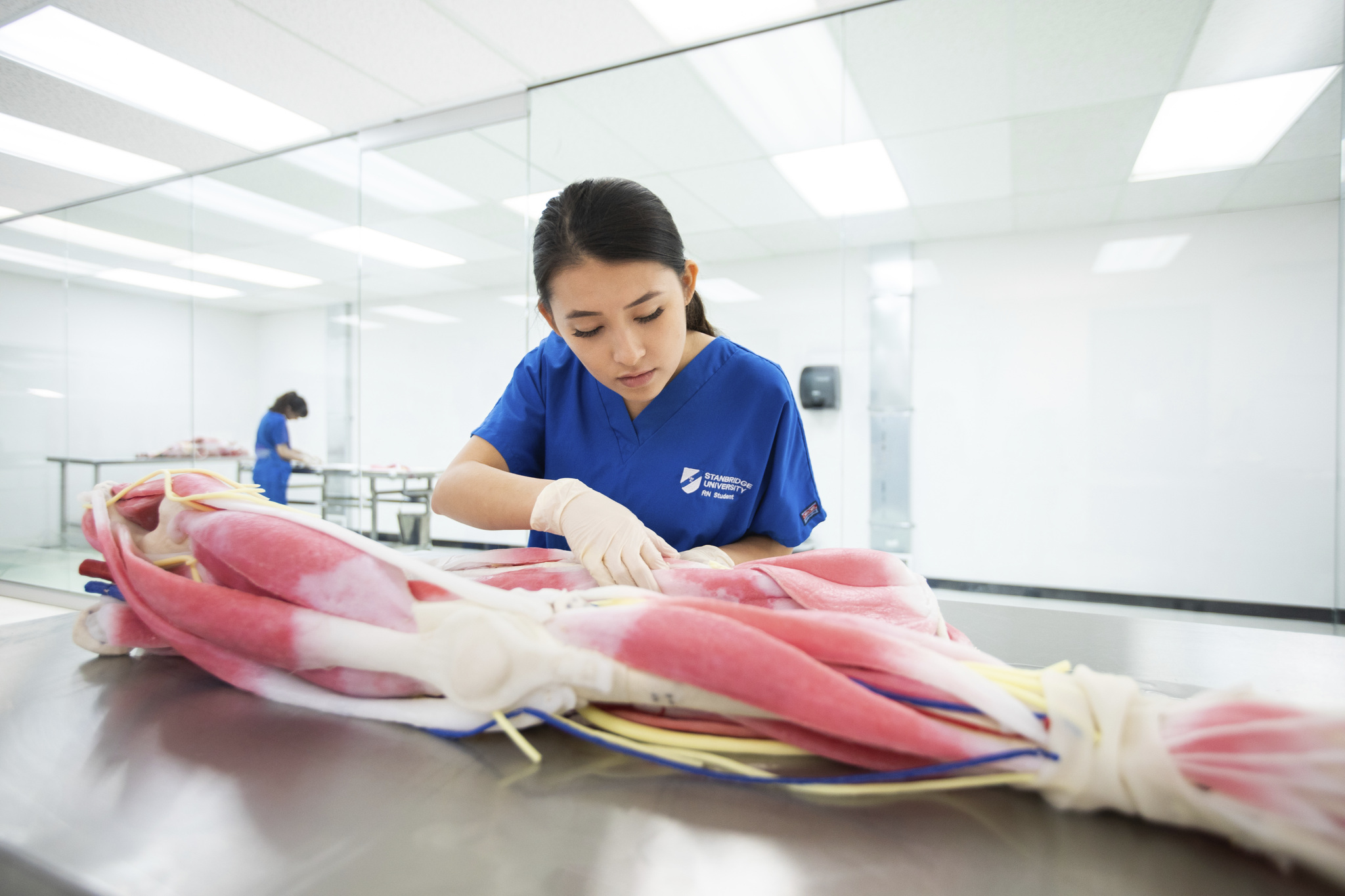
What Should You Consider When Comparing BSN Programs?
If you are researching nursing schools, you will discover that programs can vary in admissions requirements, curriculum structure, clinical experiences, educational resources, and student support services.
Because earning a Bachelor of Science in Nursing (BSN) requires a significant educational commitment, taking time to compare programs can help you make a more informed decision.
Why Is Accreditation Important?
Accreditation is often one of the first factors students consider when comparing nursing programs.
Accreditation helps demonstrate that a program has undergone review against established educational standards. It may also affect licensure pathways, transferability, graduate education opportunities, and employer recognition.¹
As you compare BSN programs, it is important to understand that a school may hold several different types of accreditation, approval, or recognition. These can include institutional accreditation, nursing program accreditation, and state approval, each of which serves a different purpose in nursing education and professional preparation.¹
When comparing BSN programs in California, you may want to look for:
- Institutional accreditation, which evaluates the college or university as a whole.
- Nursing program accreditation, such as accreditation from the Commission on Collegiate Nursing Education (CCNE) or the Accreditation Commission for Education in Nursing (ACEN), which evaluates the quality of the nursing program.¹
- California Board of Registered Nursing (BRN) approval, which authorizes a nursing program to prepare graduates for Registered Nurse licensure in California.¹
Because accreditation and approval requirements can vary, you should review current accreditation and approval information directly from the institution, accrediting agencies, and the California Board of Registered Nursing.
What Are the Admission Requirements?
Admissions requirements vary between nursing programs. However, many Bachelor of Science in Nursing (BSN) programs have similar admissions components that students can begin preparing for before applying.
As you compare schools, you may encounter requirements such as:
- A high school diploma or GED (or equivalent educational background)
- Official high school and/or college transcripts
- Entrance assessments, such as the Test of Essential Academic Skills (TEAS), if required by the program
- Minimum academic or GPA requirements
- Prerequisite coursework, depending on the institution
- Completed application materials and supporting documentation
- Official high school and/or college transcripts
Because admissions policies vary by institution, you should review each program’s official admissions requirements and deadlines before applying. Preparing these materials early can help you navigate the application process more efficiently.
How Long Does It Take to Complete a BSN Program?
Program length is another important consideration.
BSN programs vary in length depending on the educational pathway, institution, and student background. In general, traditional Bachelor of Science in Nursing programs are often designed to be completed in approximately three to four years, while some programs may offer alternative pathways for students with prior education or nursing experience.
Some BSN programs are designed for students entering directly from high school or with limited college experience, while others are designed for licensed nurses seeking additional education.
Program timelines vary by institution and student circumstances. Therefore, you should review official program information when comparing options.

Why Do Clinical Experiences Matter?
Clinical education is an important component of nursing preparation; it provides opportunities to apply classroom concepts in healthcare settings under supervision.
When comparing programs, you may consider:
- Types of clinical placements
- Clinical learning environments
- Healthcare partnerships
- Variety of patient populations
- Clinical hours and experiences
These experiences can help you develop practical skills and gain exposure to healthcare environments.
What Student Outcomes Should You Review?
Students often review publicly available outcomes information such as NCLEX-RN licensure pass rates, graduation data, and program completion information when available. While no single metric tells the entire story, reviewing multiple outcomes can provide additional context about a program’s educational performance.
How Important Are Educational Resources and Technology?
Educational resources vary by institution. Many nursing programs incorporate simulation laboratories, virtual learning technologies, interactive learning platforms, and skills laboratories to support classroom instruction and hands-on learning experiences.
What Student Support Services Are Available?
Support services can play an important role throughout nursing education. As you compare programs, consider the availability of academic support, tutoring resources, faculty accessibility, career development services, and student success initiatives. These resources may influence your overall educational experience.
Exploring the Stanbridge University BSN Program
If you are interested in nursing education pathways, you can explore the Bachelor of Science in Nursing program at Stanbridge University.²
The Bachelor of Science in Nursing program at Stanbridge University:
- Is approved by the The California Board of Registered Nursing at the Orange County, Los Angeles, and Riverside Campuses. The program at the San Diego, San Marcos campus is pending BRN approval.²
- Is ranked the #1 Best College for Nursing in California for 2026 by Niche.com.³
- Is accredited by the Commission on Collegiate Nursing Education (CCNE) ²
- Includes simulation-based learning and clinical education experiences²
- Utilizes healthcare education technology and hands-on learning opportunities²
Recent NCLEX-RN licensure pass rates for the Orange County and Los Angeles campuses were reported as 98% for 2023–2025.²
The Bachelor of Science in Nursing program is 180 quarter credit hours and is designed to be completed in approximately 36–37 months, depending on cohort scheduling and individual progression.⁴
How Do You Choose the Right BSN Program?
The right nursing program depends on your individual goals, educational background, learning preferences, and career aspirations.
Before deciding, you should consider:
- Accreditation and approval status
- Admissions requirements
- Program length
- Clinical education opportunities
- Student outcomes
- Educational technology and learning resources
- Student support services
Whether you are beginning your nursing education journey or narrowing your list of potential schools, reviewing program details can help you identify a BSN pathway that aligns with your educational goals, learning preferences, and long-term career plans.

Frequently Asked Questions
Students often compare BSN programs by reviewing accreditation, admissions requirements, program length, clinical experiences, student outcomes, educational resources, and support services.
Students often review institutional accreditation, nursing program accreditation, and state approval status when researching nursing programs.¹
Common questions include:
Is the program accredited?
What are the admissions requirements?
Is there clinical experiences that are available?
What support services are offered?
What are the program’s NCLEX-RN pass rates?
Program length varies by institution. The Stanbridge University Bachelor of Science in Nursing program is designed to be completed in approximately 36–37 months. ² ⁴
Clinical experiences help students apply classroom concepts in healthcare settings and gain exposure to patient care environments.
Students often review NCLEX-RN pass rates, accreditation information, graduation data, and program completion information when available.
Students can review program websites, accreditation information, admissions requirements, and official institutional resources when comparing BSN programs.²
Footnotes
¹ California Board of Registered Nursing (BRN) and Accreditation Resources, https://www.rn.ca.gov/
² Stanbridge University Bachelor of Science in Nursing Program Information, https://www.stanbridge.edu/program/bsn
³ Source: Niche.com, 2026 Best Colleges for Nursing in California, https://www.niche.com/colleges/search/best-colleges-for-nursing/s/california/
⁴ Program duration is subject to change. Completion times vary depending on cohort scheduling and individual circumstances that may impact progression.