What Should Students Know Before Starting a PTA Program?
Students researching a Physical Therapist Assistant (PTA) program are often looking for more than admission requirements. You may want to know what daily coursework looks like, how much time you should expect to dedicate to studying, and what skills can help you succeed once classes begin.
Understanding what to expect before enrollment can help students make informed decisions and prepare for the transition into healthcare education.
What Is a Physical Therapist Assistant?
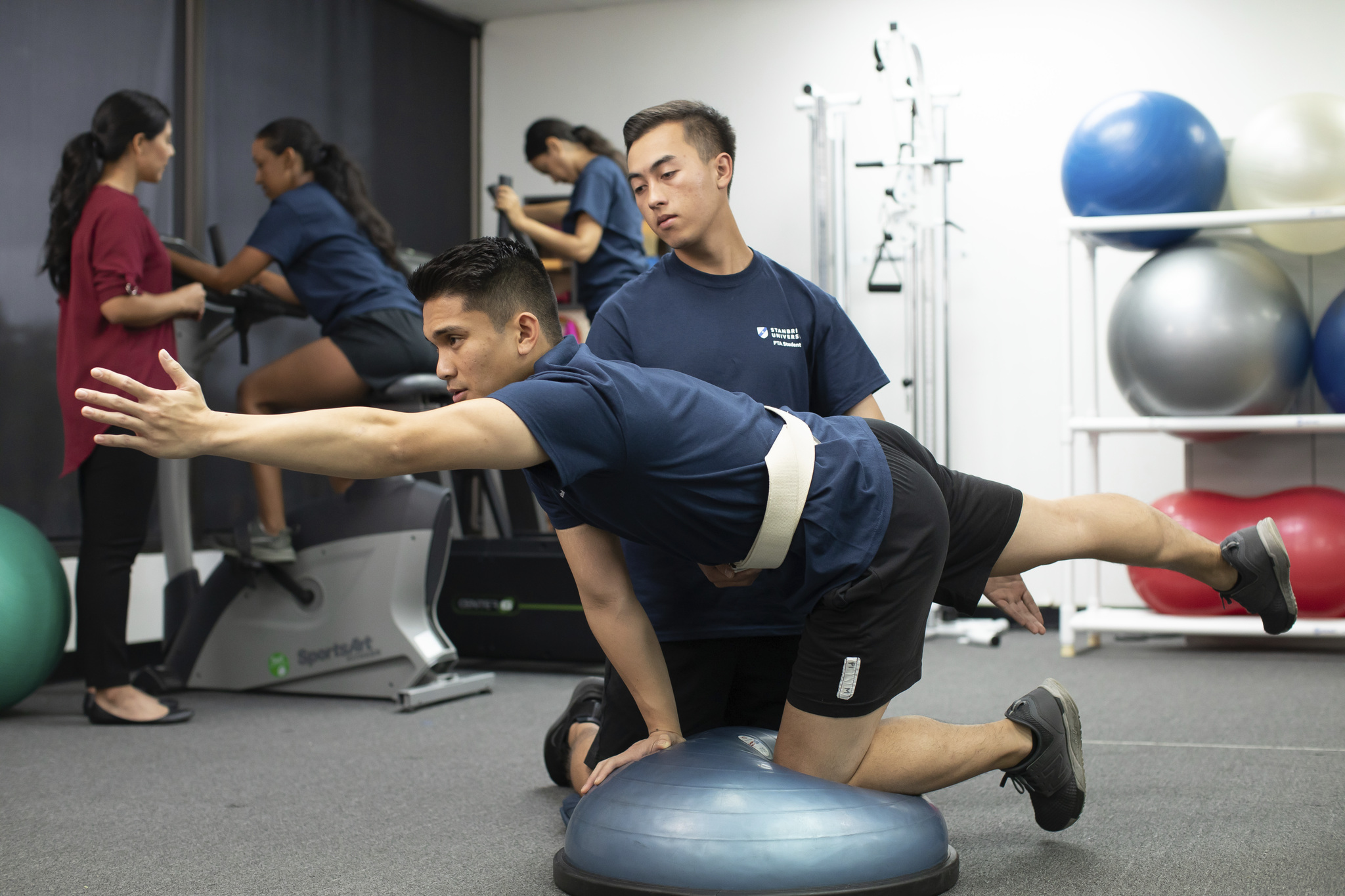
A Physical Therapist Assistant (PTA) works under the direction and supervision of a licensed physical therapist to help implement treatment plans designed to improve patient mobility, function, and quality of life. PTAs may assist patients recovering from injuries, surgeries, illnesses, or chronic conditions.¹
Physical Therapist Assistants often work in settings such as:
- Outpatient rehabilitation clinics
- Hospitals
- Skilled nursing facilities
- Home health environments
- Sports medicine practices
The profession combines patient interaction, movement science, and hands-on care, making it an appealing option for individuals interested in healthcare and rehabilitation.¹
What Academic Skills Are Helpful Before Starting a PTA Program?
Many PTA students come from a variety of educational backgrounds. However, students often benefit from strengthening certain skills before beginning their program.
Areas that may help support success include:
- Basic anatomy and physiology knowledge
- Study and time management skills
- Written and verbal communication
- Critical thinking and problem-solving
- Comfort working in team environments
Because Physical Therapist Assistant programs combine classroom learning with practical application, students should be prepared to actively participate in lectures, labs, and collaborative learning activities.
What Coursework Can Students Expect?
PTA programs typically include a combination of general education, science-based coursework, and Physical Therapist Assistant-specific training.²
Topics may include:
- Anatomy and physiology
- Kinesiology
- Therapeutic exercise
- Patient care procedures
- Rehabilitation techniques
- Professional ethics
- Clinical documentation
Students should expect coursework that builds both theoretical knowledge and practical skills over time.
How Important Is Hands-On Learning in a PTA Program?
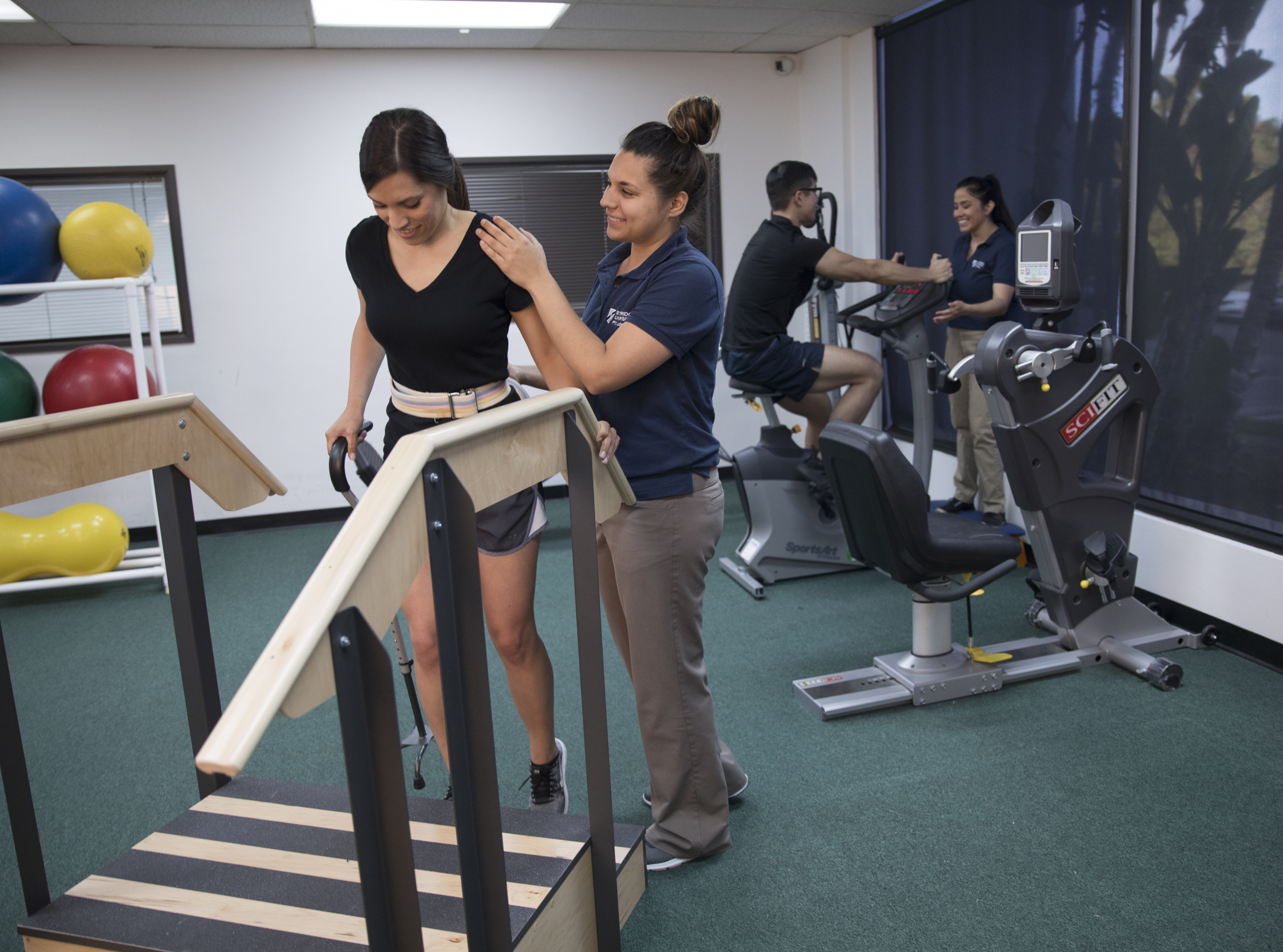
Hands-on learning is a significant component of Physical Therapist Assistant education.
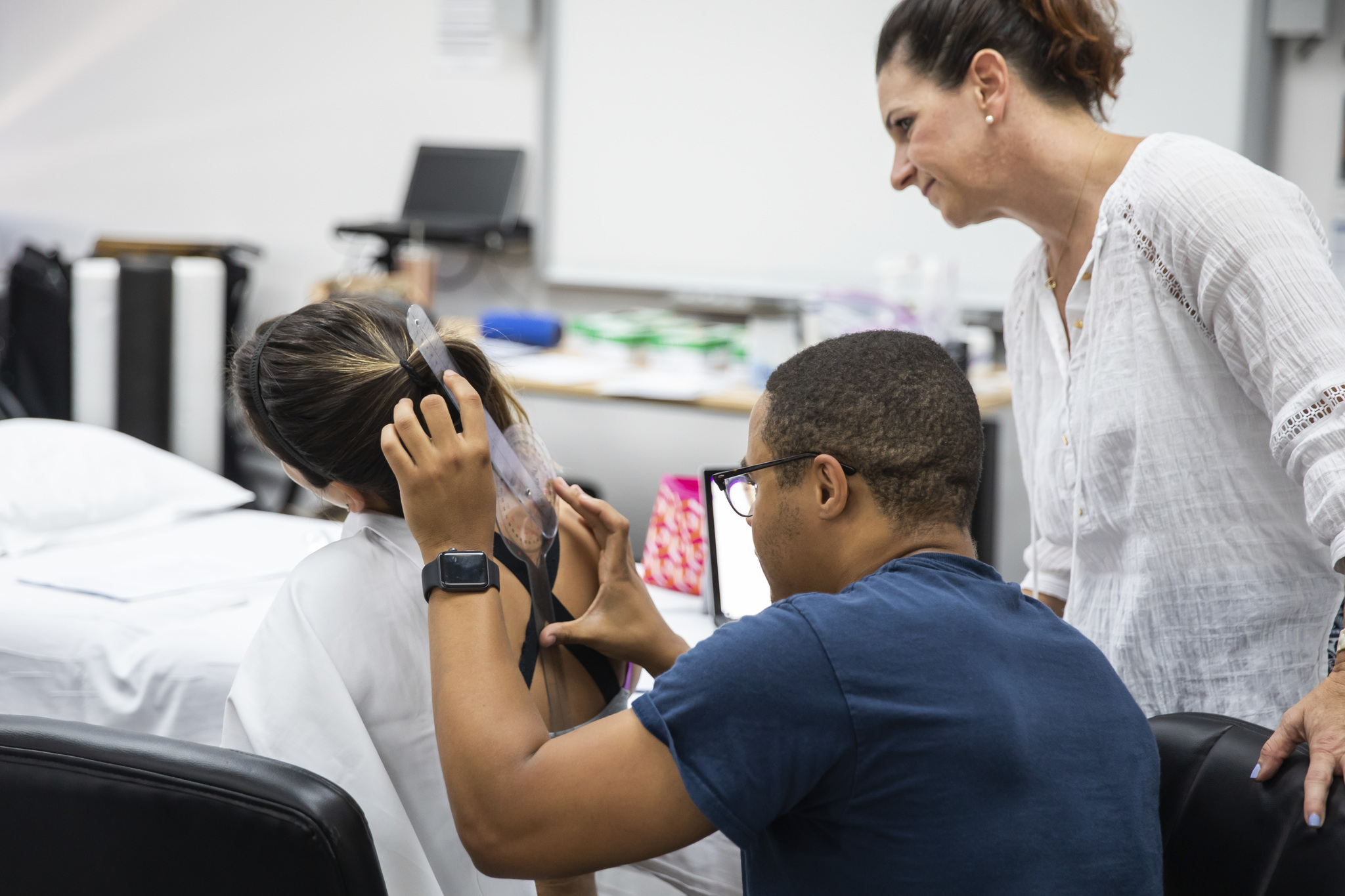
Students often practice skills in laboratory settings before applying them during clinical education experiences. These environments are designed to help students develop confidence while learning proper patient care techniques.
Stanbridge University’s PTA program includes opportunities for students to develop practical skills through hands-on training and clinical education experiences.
What Should Students Know About Clinical Education?
Clinical education allows students to apply classroom concepts in real healthcare settings under supervision.
During clinical experiences, students may:
- Observe patient evaluations
- Assist with therapeutic exercises
- Practice communication with patients and healthcare teams
- Develop professional behaviors and clinical decision-making skills
Clinical education is an important part of preparing for entry-level Physical Therapist Assistant practice.²
How Much Time Should Students Expect to Commit?
PTA programs require consistent effort both inside and outside the classroom. The Stanbridge PTA program is 122 quarter credit hours and takes approximately 20–21 months to complete.3
Students should plan time for:
- Attending classes and labs
- Studying course materials
- Completing assignments
- Preparing for practical assessments
- Participating in clinical education experiences
Developing strong organizational habits before starting a program can help students balance academic responsibilities effectively.
What Personal Qualities Can Help PTA Students Succeed?
Successful PTA students often demonstrate qualities such as:
- Professionalism
- Adaptability
- Communication skills
- Compassion
- Attention to detail
- Willingness to learn
Healthcare environments frequently require collaboration with patients, physical therapists, and other healthcare professionals. Building these skills early can help students navigate both academic and clinical settings.1
Why Research PTA Programs Carefully Before Enrolling?
Every Physical Therapist Assistant program has unique curriculum structures, schedules, and learning environments.
You may benefit from reviewing:
- Program curriculum
- Clinical education opportunities
- Student support services
- Technology and learning resources
- Admissions requirements
Taking time to evaluate these factors can help you determine whether a program aligns with your educational goals, learning preferences, schedule, and personal commitments before making an enrollment decision.
Exploring the Stanbridge University PTA Program
Students interested in physical therapy education pathways can review the Physical Therapist Assistant program at Stanbridge University.
The Stanbridge University PTA program includes:
- Hands-on clinical skills training
- Clinical education experiences
- Simulation-based learning opportunities
- Small-group learning environments
- Student support resources
This full-time program is designed to prepare students for physical therapist assistant practice and licensure pathways.
Recent NPTE for PTA licensure pass rates for the Orange County and Los Angeles campuses were reported as 98% for 2023–2025.4 These figures reflect reported first-time licensure pass rate data within one year of graduation.
The PTA program is 122 quarter credit hours and takes approximately 20–21 months to complete.3
Students interested in learning more about admissions requirements, program timelines, and healthcare education pathways can also contact us.
Frequently Asked Questions
Students should know that a PTA program combines classroom instruction, laboratory practice, and clinical education experiences. Coursework often includes anatomy, kinesiology, patient care skills, and rehabilitation concepts.² Additionally, PTA programs require consistent effort both inside and outside the classroom. The Stanbridge PTA program is 122 quarter credit hours and takes approximately 20–21 months to complete.3
PTA programs typically combine classroom learning with hands-on laboratory instruction and clinical education experiences. Students learn concepts in class and then apply those skills in supervised settings.²
PTA programs commonly include anatomy and physiology, kinesiology, therapeutic exercise, patient care procedures, rehabilitation techniques, and professional practice topics.²
PTA students complete clinical education experiences as it is a required part of their training. These supervised experiences help students apply classroom knowledge in healthcare settings.²
Strong communication, organization, time management, critical thinking, and professionalism can help students succeed in a Physical Therapist Assistant program.
Footnotes
¹ U.S. Bureau of Labor Statistics – Physical Therapist Assistants and Aides
https://www.bls.gov/ooh/healthcare/physical-therapist-assistants-and-aides.htm
² American Physical Therapy Association (APTA) and Commission on Accreditation in Physical Therapy Education (CAPTE), https://www.apta.org/, https://www.capteonline.org/
³ Program duration subject to change. Completion times vary depending upon the start and end dates of a cohort and any individual circumstances that may impact progression.
4 Source: NPTE for PTA Ultimate Pass Rate for graduates, Three-Year Average, 2022/2023-2024/2025, Orange County campus; The Federation of State Boards of Physical Therapy; Basic Pass Rate Report. As viewed on March 11, 2026.