What Is Clinical Education in Healthcare Programs?
Basic Overview
Clinical education allows healthcare students to apply classroom learning in supervised healthcare settings. Through clinical experiences, fieldwork, and simulation-based learning, students develop practical skills, strengthen clinical reasoning, and gain experience working with patients and healthcare teams before entering professional practice.
Understanding Clinical Education
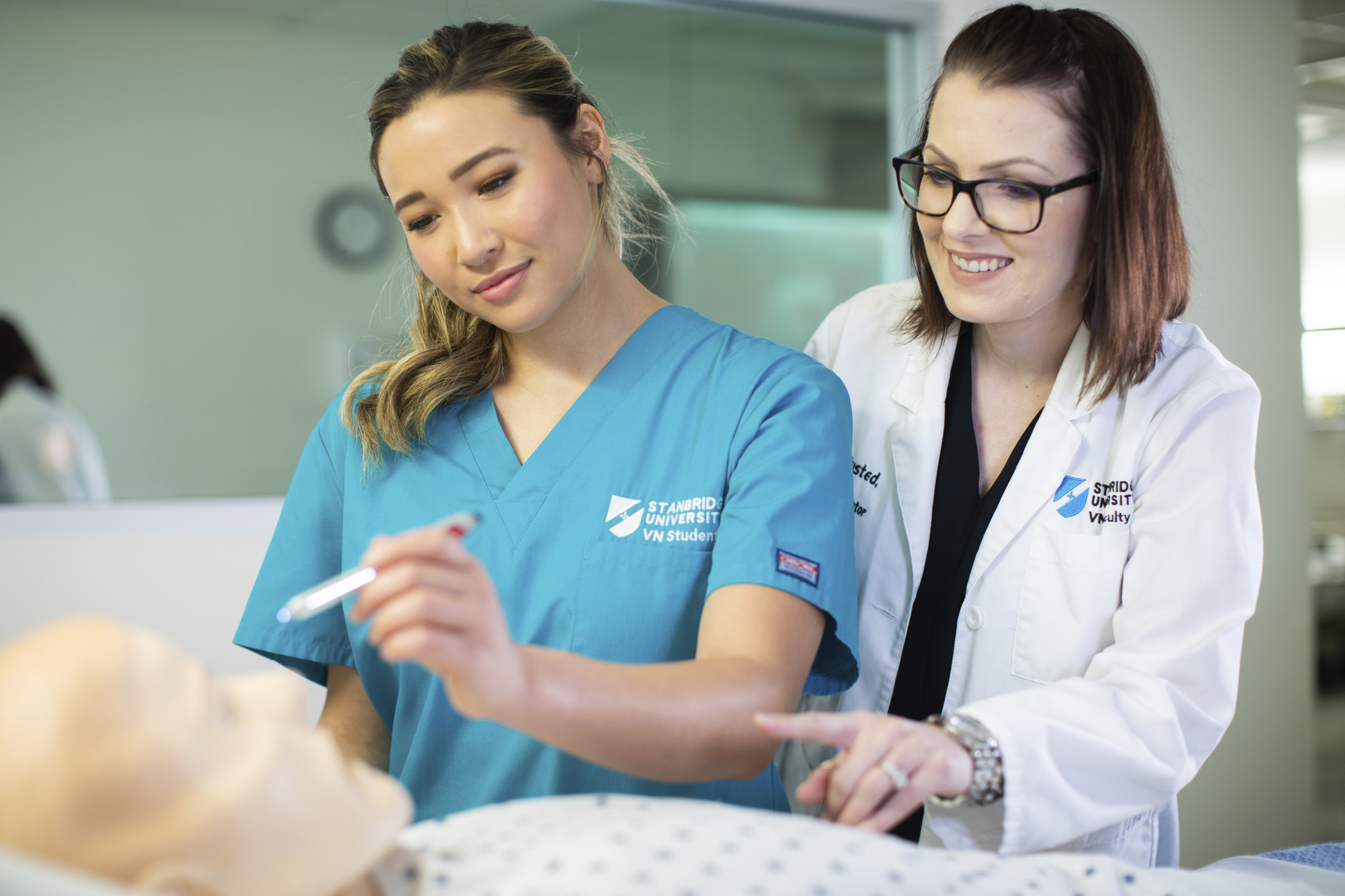
Students researching healthcare careers often learn through classroom instruction, laboratory experiences, simulations, and clinical education. While each plays an important role, clinical education provides opportunities to apply academic knowledge in real-world healthcare environments.
Whether you are interested in nursing, occupational therapy, occupational therapy assisting, physical therapist assisting, or another healthcare profession, clinical education helps bridge the gap between classroom learning and patient care.
Because healthcare is a hands-on profession, many educational programs incorporate supervised clinical experiences to help students develop practical knowledge and professional skills.
What Is Clinical Education?
Clinical education is a supervised learning experience that allows students to apply classroom concepts while working in healthcare settings under the guidance of qualified healthcare professionals.¹
Depending on the profession, clinical education may include:
- Clinical rotations
- Clinical placements
- Fieldwork experiences
- Practicums
- Supervised patient care
Although terminology varies by profession, the goal remains the same: helping students develop the knowledge, skills, and professional behaviors needed for healthcare practice.
Why Is Clinical Education Important?
Healthcare professionals make decisions that affect patient care every day.
While classroom instruction provides foundational knowledge, clinical education allows students to observe, practice, and apply that knowledge in supervised healthcare environments.
Clinical education helps students:
- Connect classroom learning to patient care
- Develop communication and interpersonal skills
- Strengthen clinical reasoning
- Build confidence in healthcare settings
- Learn professional responsibilities
- Collaborate with interdisciplinary healthcare teams
As a result, clinical education is an important component of healthcare education and professional preparation.
What Types of Clinical Education Do Healthcare Students Complete?
Clinical education varies depending on the profession and educational pathway.
Nursing Clinical Education
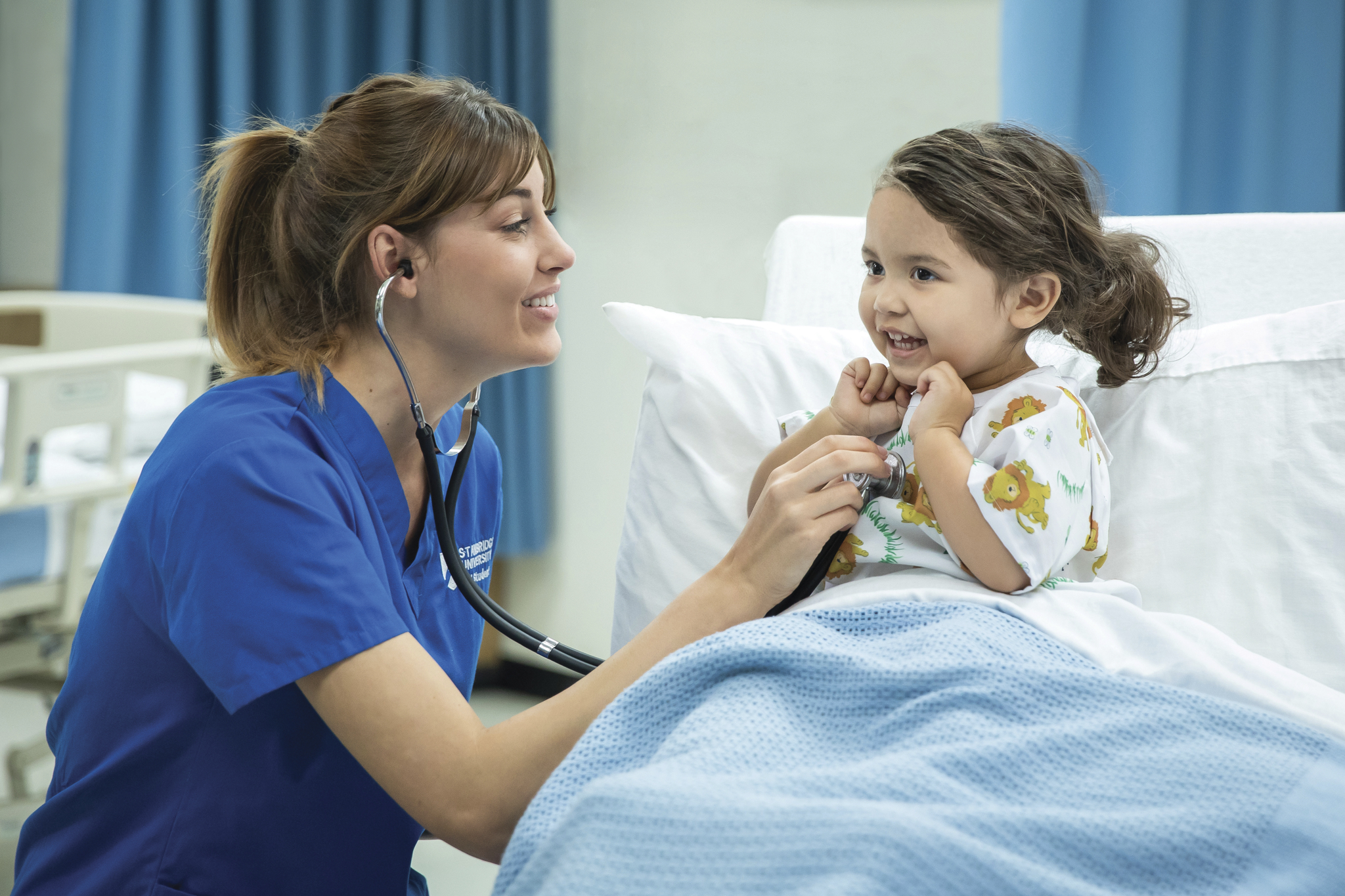
Nursing students participate in supervised clinical experiences that provide opportunities to apply nursing knowledge while caring for patients in healthcare settings.
Clinical education may include experiences in hospitals, long-term care facilities, community healthcare settings, and specialty care environments.
During clinical experiences, nursing students learn to integrate classroom concepts with patient assessment, communication, documentation, and other nursing responsibilities under supervision.
Occupational Therapy Assistant Fieldwork
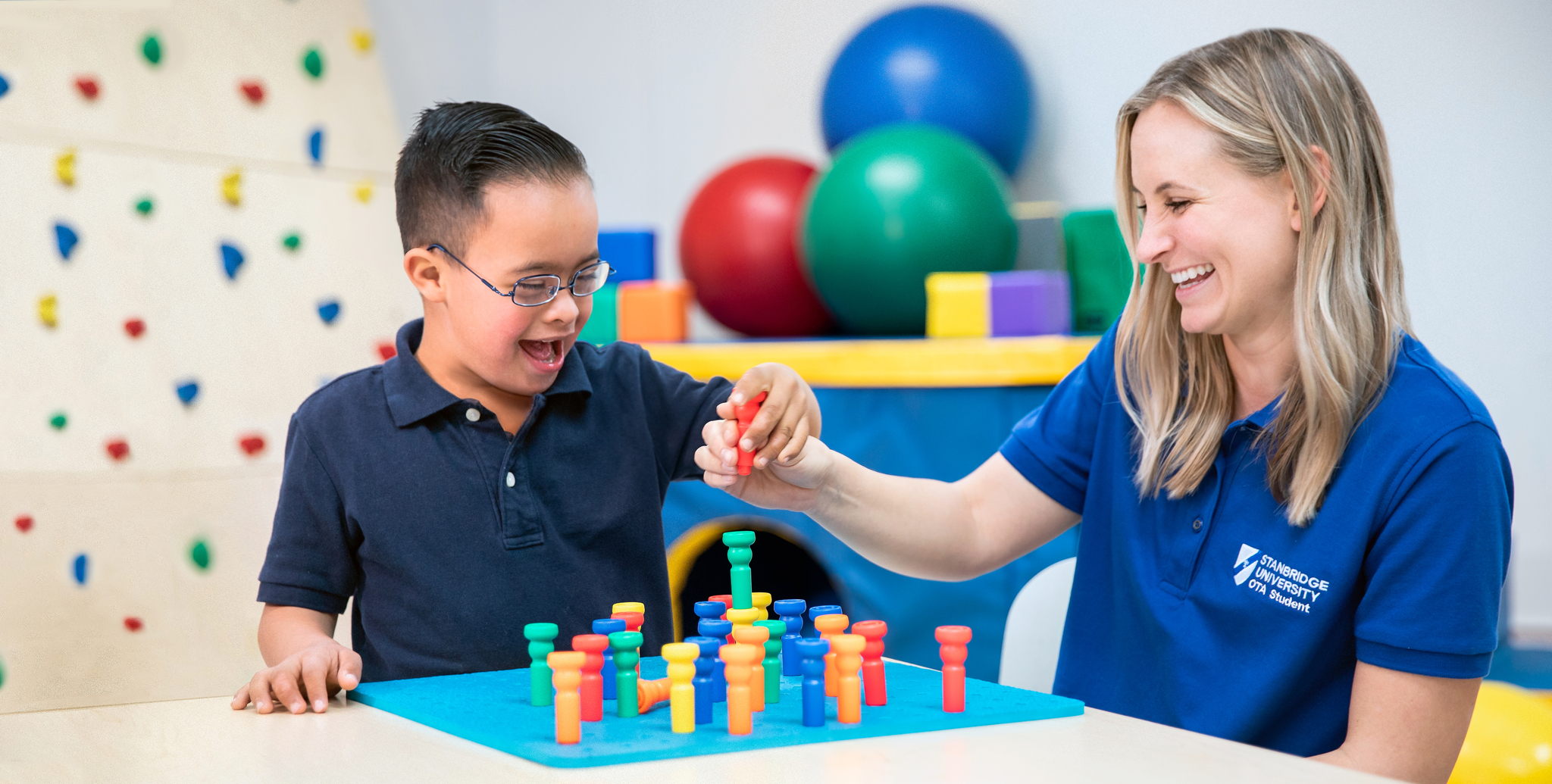
Occupational Therapy Assistant students complete supervised fieldwork experiences that help connect classroom instruction with occupational therapy practice.²
During fieldwork, students observe occupational therapy services, develop professional skills, and participate in patient-centered learning experiences under the supervision of qualified practitioners.
Occupational Therapist Fieldwork
Occupational Therapist students complete graduate-level fieldwork experiences that support advanced professional preparation.²
These experiences help students develop clinical reasoning, patient evaluation skills, intervention planning concepts, and leadership responsibilities associated with occupational therapy practice.
Physical Therapist Assistant Clinical Education
Physical Therapist Assistant students complete supervised clinical education experiences that help prepare them for rehabilitation-focused patient care.³
Clinical education provides opportunities to observe rehabilitation practice, work with patients experiencing a variety of conditions, develop professional communication skills, and strengthen clinical decision-making
How Is Simulation Different from Clinical Education?
Many healthcare programs use both simulation-based learning and clinical education.
Simulation allows students to practice healthcare skills in controlled educational environments before working with patients.
Examples include:
- High-fidelity patient simulators
- Nursing simulation laboratories
- Virtual reality learning
- Anatomy visualization technology
- Skills laboratories
Clinical education, on the other hand, takes place in healthcare environments where students learn under supervision while participating in patient care experiences.
Because these learning methods complement one another, many healthcare programs incorporate both throughout the curriculum.
What Skills Do Students Develop During Clinical Education?
Clinical education helps students strengthen many of the professional competencies used across different healthcare pathways and professions.
Examples include:
- Professional communication
- Critical thinking
- Clinical reasoning
- Documentation
- Teamwork
- Professionalism
- Patient-centered care
- Adaptability
Students also gain experience working with patients, families, instructors, and interdisciplinary healthcare teams.
What Should You Know Before Beginning Clinical Education?
Clinical education differs from classroom learning in several ways.
Students are expected to:
- Demonstrate professionalism
- Follow healthcare facility policies
- Maintain patient confidentiality
- Apply classroom concepts appropriately
- Accept feedback from instructors and clinical supervisors
- Continue developing professional skills throughout the experience
Every clinical placement provides opportunities for continued learning and professional growth.
Healthcare Education Pathways at Stanbridge University
Students interested in healthcare careers can explore several educational pathways at Stanbridge University.⁴
Healthcare programs at Stanbridge University incorporate a combination of classroom instruction, laboratory experiences, simulation-based learning, and supervised clinical education or fieldwork experiences, depending on the specific program.³
Programs currently offered at Stanbridge University:
Vocational Nursing (VN)
The Associate of Occupational Science in Vocational Nursing program at Stanbridge University prepares students for Licensed Vocational Nurse career pathways through classroom instruction, laboratory learning, simulation, and clinical education experiences. ⁴
Bachelor of Science in Nursing (BSN)
The Stanbridge University Bachelor of Science in Nursing program prepares students for Registered Nurse career pathways through nursing coursework, simulation-based learning, and supervised clinical education experiences. ⁴
Occupational Therapy Assistant (OTA)
The Occupational Therapy Assistant program at Stanbridge University incorporates classroom learning, laboratory instruction, and supervised fieldwork experiences that help prepare students for occupational therapy practice. ⁴
Master of Science in Occupational Therapy (MSOT)
The Stanbridge University Master of Science in Occupational Therapy program includes graduate-level coursework, laboratory learning, and fieldwork education that supports advanced occupational therapy preparation. ⁴
Physical Therapist Assistant (PTA)
The Physical Therapist Assistant program at Stanbridge University combines classroom instruction, laboratory education, simulation, and supervised clinical experiences designed to prepare students for rehabilitation-focused healthcare careers. ⁴
How Does Clinical Education Prepare Students for Healthcare Careers?
Clinical education gives students opportunities to apply classroom learning while developing practical healthcare skills in supervised environments.
Although every healthcare profession has different educational requirements, clinical education helps students connect theory with practice, strengthen professional competencies, and better understand patient-centered care.
As healthcare education continues to evolve, supervised clinical experiences remain an important part of preparing future healthcare professionals.
Frequently Asked Questions
“Clinicals” is a common term for supervised clinical education experiences where healthcare students apply classroom learning while working with patients under the guidance of qualified healthcare professionals. Depending on the profession, these experiences may also be called clinical education, clinical rotations, fieldwork, or practicums.¹
Clinicals help students apply classroom knowledge in real healthcare settings while developing communication, clinical reasoning, professionalism, and patient care skills under supervision.¹
Simulation-based learning takes place in controlled educational environments where students practice healthcare skills using simulation manikins, virtual reality, or other educational technology. Clinicals take place in healthcare settings where students apply those skills while participating in supervised patient care experiences.¹
Many healthcare programs include supervised experiential learning as part of the curriculum. Depending on the profession, these experiences may be called clinicals, clinical education, fieldwork, clinical rotations, or practicums.¹
Students often develop communication, teamwork, clinical reasoning, professionalism, documentation, patient interaction, and problem-solving skills while participating in supervised clinical experiences.¹
Students interested in healthcare careers can explore Stanbridge University’s programs to learn more about educational pathways, clinical education, and fieldwork opportunities.⁴
Footnotes
¹ National Library of Medicine (NLM) https://www.nlm.nih.gov/
² Accreditation Council for Occupational Therapy Education (ACOTE) https://acoteonline.org/
³ Commission on Accreditation in Physical Therapy Education (CAPTE) https://www.capteonline.org/
⁴ Stanbridge University Program Information, https://www.stanbridge.edu/programs