What Is a Simulation Lab in Healthcare Education?
Basic Overview
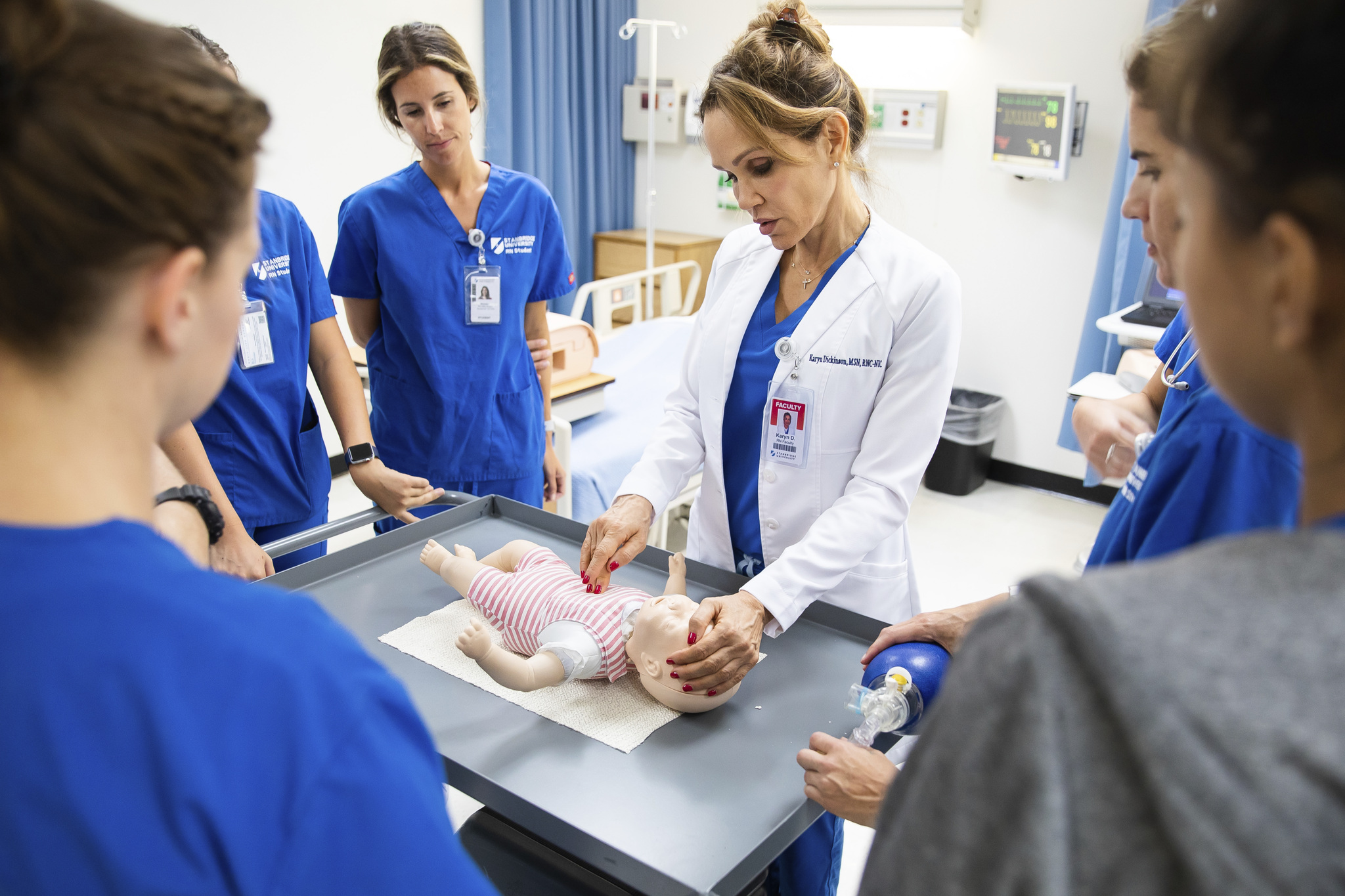
A simulation lab is a learning environment where healthcare students practice clinical skills, communication, and decision-making using advanced technology before participating in supervised clinical or fieldwork experiences. Simulation-based learning complements classroom instruction by allowing students to apply concepts in realistic educational settings before working with real patients.
Understanding Simulation Labs
Healthcare education combines classroom instruction with hands-on learning experiences that help students prepare for patient care.
One educational resource many healthcare students encounter is the simulation lab. These learning environments allow students to practice healthcare skills, strengthen clinical reasoning, and apply classroom concepts before participating in supervised clinical education or fieldwork experiences.
Because healthcare professionals often work in fast-paced environments, simulation-based learning provides opportunities to build confidence through guided practice.
What Is a Simulation Lab?
A simulation lab is a controlled educational environment where students apply healthcare knowledge and practice clinical skills using simulation technology and realistic patient-care scenarios.¹
Depending on the healthcare program, simulation laboratories may include:
- High-fidelity patient simulators
- Hospital-style patient rooms
- Medical equipment
- Task trainers
- Healthcare technology
- Faculty-guided simulation activities
Simulation labs are designed to complement classroom instruction, not replace real-world clinical education.
What Is Simulation-Based Learning and Why Is It Important?
Simulation-based learning is an educational approach that allows students to practice healthcare concepts in realistic learning environments. Rather than simply reading about patient care, students actively participate in scenarios that encourage critical thinking, communication, teamwork, and clinical decision-making.
Simulation activities may help students practice:
- Patient assessment
- Communication with patients and healthcare teams
- Clinical reasoning
- Documentation
- Professional decision-making
- Safe healthcare practices
Because every scenario is supervised, students receive guidance and feedback throughout the learning process.
How Is a Simulation Lab Different from Clinical Education?
Although simulation labs and clinical education both support healthcare learning, they serve different purposes.
Simulation laboratories provide opportunities to practice skills in educational settings before working with patients.
Clinical education takes place in healthcare environments where students apply classroom learning with real patients under the supervision of qualified healthcare professionals.
Many healthcare programs incorporate both simulation-based learning and supervised clinical experiences, because each contributes to student learning in different ways.
Who Uses Simulation Labs?
Simulation-based learning is incorporated into many healthcare education pathways.
Nursing
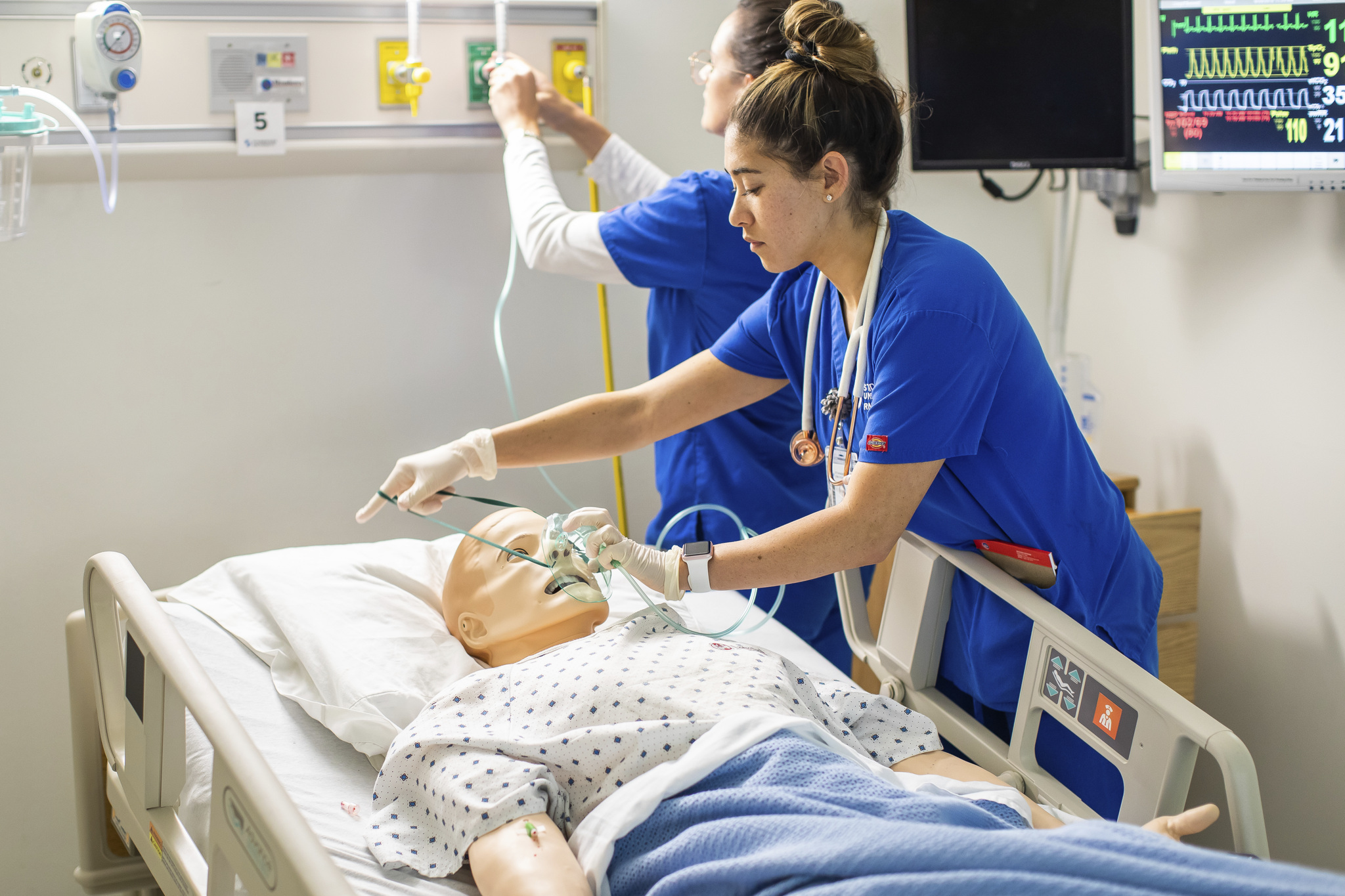
Nursing students may use simulation laboratories to practice patient assessment, communication, medication administration concepts, clinical reasoning, and teamwork.
Occupational Therapy
Occupational therapy students may use simulation activities to explore patient scenarios, develop clinical reasoning, and practice professional communication before fieldwork experiences.
Occupational Therapy Assistant
Occupational Therapy Assistant students may participate in simulation-based learning that models therapeutic activities, patient interaction, and occupational therapy concepts before supervised fieldwork.
Physical Therapist Assistant
Physical Therapist Assistant students may use simulation laboratories to practice patient mobility techniques, rehabilitation concepts, communication, and clinical decision-making before entering clinical education experiences.
Specific simulation activities vary depending on the educational pathway.
What Types of Technology Are Found in Simulation Labs?
Healthcare simulation laboratories often incorporate multiple educational technologies.
Examples include:
- High-fidelity patient simulators
- Electronic health record simulations
- Medical task trainers
- Healthcare monitoring equipment
These technologies support learning by providing opportunities to explore healthcare concepts in interactive ways and preparing students for the technology they will encounter in clinical education, fieldwork experiences, and professional practice.
Innovation and Technology at Stanbridge University
Stanbridge University incorporates simulation-based learning and educational technology across its healthcare programs.²
Innovation & Technology resources include:
- High-Fidelity Simulation Laboratories
- Virtual Reality Laboratories
- SynDaver Synthetic Cadavers
- Rehabilitation Robotics
These technologies complement classroom instruction while supporting hands-on learning experiences throughout healthcare education.²
You can learn more about Stanbridge University’s Innovation & Technology resources here.²
How Does Simulation Support Future Healthcare Professionals?
Healthcare professionals combine knowledge, communication, technical skills, and clinical judgment throughout their careers.
Simulation-based learning helps students begin developing these competencies before participating in supervised clinical education and, ultimately, professional practice.
Although simulation is only one part of healthcare education, it remains an important tool that supports student learning, confidence, and preparation across many healthcare disciplines.
Frequently Asked Questions
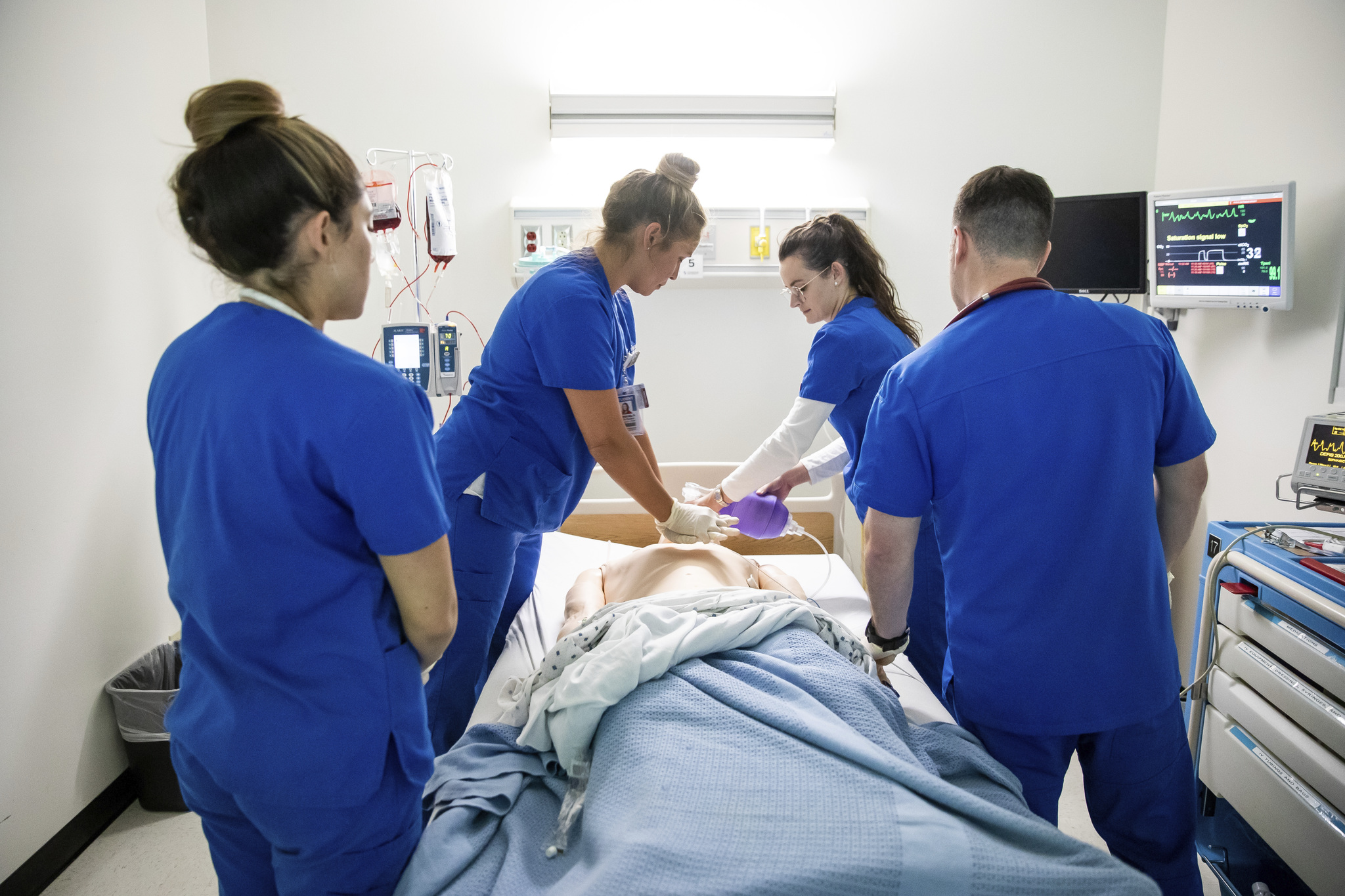
A simulation lab is a controlled educational environment where healthcare students practice clinical skills, communication, and decision-making using realistic patient scenarios and simulation technology.¹
Simulation-based learning is an educational approach that allows students to apply classroom concepts through realistic healthcare scenarios before participating in supervised clinical or fieldwork experiences.¹
Simulation laboratories provide opportunities to practice healthcare skills in synthetic educational settings, while clinical education takes place in real healthcare environments where students participate in supervised patient care experiences.¹
Simulation labs help students strengthen clinical reasoning, communication, teamwork, and practical skills while building confidence before entering clinical education or fieldwork.¹
Simulation-based learning is used across many healthcare programs, including nursing, occupational therapy, occupational therapy assistant, and physical therapist assistant education.²
Simulation laboratories may include high-fidelity patient simulators, medical task trainers, virtual reality, digital anatomy resources, electronic health record simulations, and other healthcare education technologies.¹
Students interested in learning more about simulation-based learning and educational technology can explore Stanbridge University’s Innovation & Technology resources.²
Footnotes
¹ National Library of Medicine (NLM) and National Center for Biotechnology Information (NCBI) Healthcare Simulation and Healthcare Education Resources, https://www.nlm.nih.gov/, https://www.ncbi.nlm.nih.gov/
² Stanbridge University Innovation & Technology, https://www.stanbridge.edu/innovation-technology