What Should You Consider When Choosing a Nursing Career Path for the Long Term?
Nursing offers several educational and career pathways, from nursing assistant roles and vocational nursing to registered nursing and graduate-level education. The right nursing career path depends on more than how quickly you want to enter the field. Your preferred responsibilities, educational goals, work environment, interest in direct patient care, and plans for future education can all shape your decision. Understanding how CNA, LVN, ADN, BSN, and graduate nursing pathways differ can help you choose a starting point while keeping your long-term goals in mind.

What Nursing Career Paths Can You Consider?
There is no single route into nursing or patient care. Depending on your goals, you may begin with a state-approved nursing assistant program, pursue vocational nursing education, or complete a registered nursing degree. Later, registered nurses may choose graduate education for roles in areas such as advanced practice, leadership, research, or nursing education.
Common pathways include:
- Certified Nursing Assistant (CNA) → quickest introduction to patient care, but not nursing licensure
- Licensed Vocational Nurse (LVN) → shorter, more focused pathway to licensed nursing practice
- Associate Degree in Nursing (ADN) → relatively shorter pathway to RN licensure
- Bachelor of Science in Nursing (BSN) → longer initial RN pathway with bachelor’s-level education and a more direct foundation for graduate study
- Master of Science in Nursing (MSN) → graduate education for nurses who want to develop expertise in education, leadership, advanced practice, or another specialized area
These pathways should not be viewed simply as levels where one is inherently better than another. Each involves different education, responsibilities, licensing requirements, and career possibilities. Instead, consider where you want to begin and what you may want your nursing career to look like several years from now.
Certified Nursing Assistant
A Certified Nursing Assistant (CNA) can be one of the quickest ways to begin gaining experience in patient care. CNA programs are typically much shorter than nursing degree programs and may take several weeks to a few months to complete, depending on the state, program, and schedule.
Nursing assistants commonly help patients with activities of daily living, such as bathing, dressing, eating, and mobility. They may also measure vital signs and communicate patient concerns to other members of the healthcare team.
According to the U.S. Bureau of Labor Statistics, nursing assistants generally complete a state-approved education program and may need to pass a state competency examination. Requirements vary by state.¹
CNA education is different from vocational or registered nursing education and does not lead to nursing licensure as an LVN or RN. However, the shorter training period may appeal to you if you want to gain patient care experience before deciding whether to pursue nursing education. To learn more, read “Do You Need to Be a CNA Before Nursing School?”.
Vocational Nursing
Vocational nursing may appeal to you if you want to pursue licensed nursing practice through a shorter and more focused educational pathway than an RN program. Vocational nursing programs commonly take about one to two years, although program length varies by school, schedule, and state requirements.
The curriculum focuses on the foundational knowledge and hands-on skills needed for vocational nursing practice. Licensed vocational nurses provide basic direct nursing care to patients under supervision and within their scope of practice. Depending on the setting, responsibilities may include monitoring vital signs, administering medications, providing basic wound care, assisting with daily activities, documenting care, and reporting changes in a patient’s condition.
Becoming an LVN does not require you to eventually become an RN. Vocational nursing can be a career pathway on its own. However, if registered nursing may be part of your long-term goals, consider the additional education that would be required to move from LVN to RN practice.
Associate Degree in Nursing
An Associate Degree in Nursing (ADN) is one of the educational pathways toward becoming a registered nurse. ADN programs typically include a broader scope of nursing education compared to an LVN program and can take about two years to complete. After completing a qualifying program, you must meet your state’s remaining requirements and pass the NCLEX-RN before becoming licensed as an RN.³ ⁴
Because an ADN generally requires less time in school than a traditional BSN pathway, it may appeal to you if your priority is pursuing RN licensure sooner. However, some healthcare employers prefer or require a BSN for certain registered nursing positions. A BSN may also be required if you later want to pursue many graduate nursing programs.
Some ADN-prepared RNs address this later by completing an RN-to-BSN program while continuing their nursing careers. Therefore, an ADN can offer a shorter initial pathway to registered nursing, but you should consider whether completing additional education later fits your long-term plans.
Bachelor of Science in Nursing
A Bachelor of Science in Nursing is another educational pathway toward RN licensure. The difference between a BSN and an ADN primarily lies in the scope and degree level of education.
BSN programs combine core nursing and clinical education with bachelor’s-level study that commonly includes areas such as general education, leadership, research, evidence-based practice, community health, communication, and healthcare systems.⁵ As a result, a BSN may align with your goals if you want a bachelor’s degree from the beginning, if you want to explore nursing education on a deeper level, or if you think graduate nursing education may be part of your future.
For example, most Master of Science in Nursing (MSN) programs require applicants to hold a BSN from an accredited institution and an unencumbered RN license in the state where they practice.
Therefore, thinking about graduate school early can help you determine whether beginning with a BSN makes sense for your educational plans. If you are interested in learning more about the difference between ADN and BSN programs, you can read our blog, “ADN vs. BSN: Which Nursing Pathway Is Right for You?”.
Master of Science in Nursing
A Master of Science in Nursing (MSN) is a graduate degree for registered nurses (RNs) who want to develop advanced knowledge in a specific area of nursing. Unlike an LVN, ADN, or BSN program, an MSN is not an initial pathway into nursing. You typically pursue graduate nursing education after earning a BSN and becoming a licensed registered nurse, which is important to note if you are considering continuing your education.
MSN programs commonly take about one to three years to complete, although timelines vary based on the specialization, program structure, enrollment status, and prior education.
Your career options also depend heavily on the type of MSN you pursue. Graduate nursing programs may focus on areas such as nursing education, leadership, administration, informatics, or advanced practice. For example, advanced practice roles such as nurse practitioner require role-specific graduate education and applicable certification and licensure. A nursing education MSN, on the other hand, focuses on preparing nurses for teaching and educational roles rather than advanced practice licensure.
If you already know that graduate education may be part of your long-term plan, earning a BSN can provide a more direct educational foundation for that next step. However, admission requirements vary from program to program, so you should review the requirements of any graduate program you’re considering.
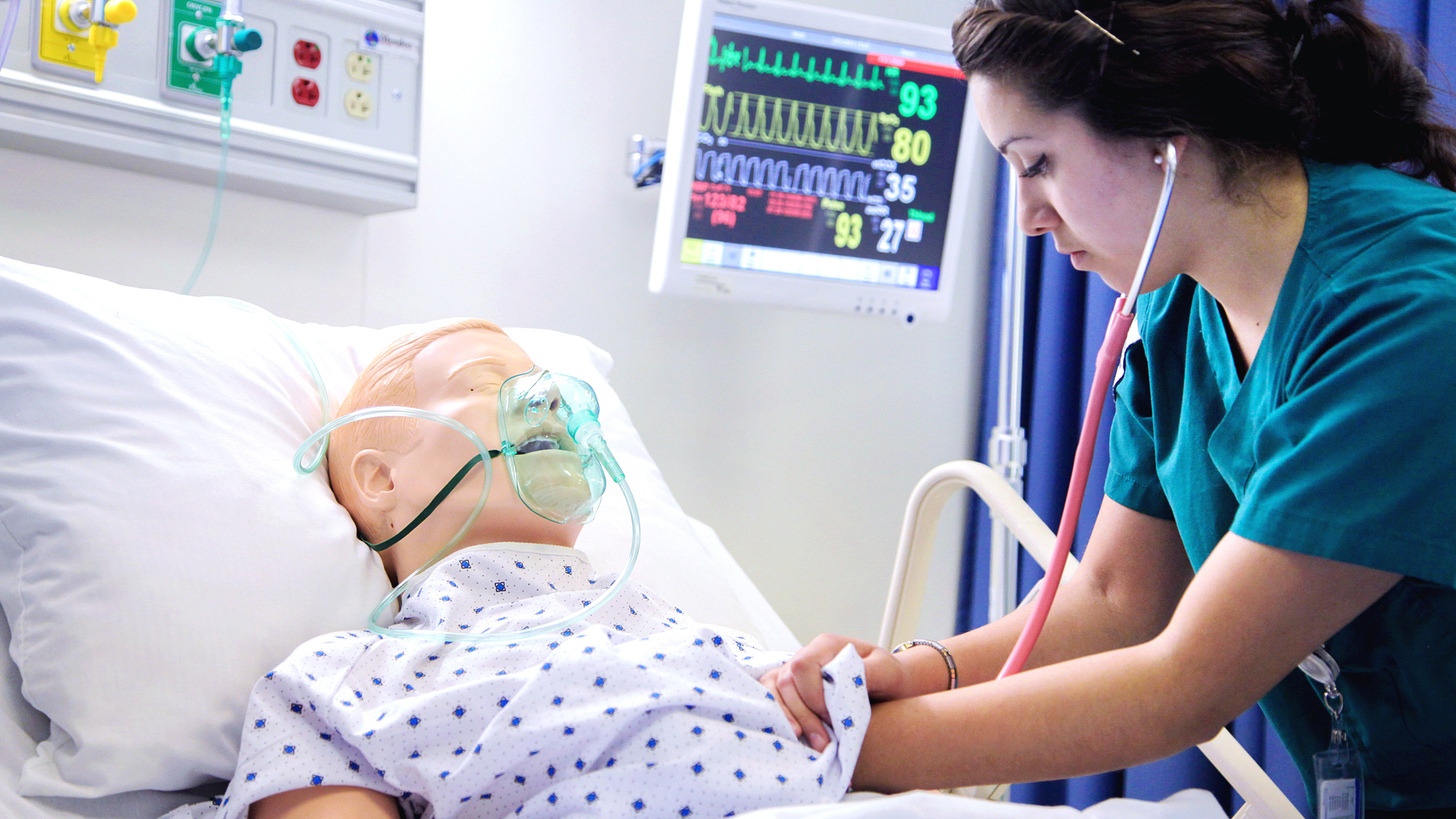
What Should You Consider Before Choosing Between LVN and RN Education?
LVNs and RNs are both licensed nurses, but their education, scope of practice, and responsibilities differ. Rather than asking which role is “better,” consider what kind of work and educational commitment fit your goals.
You may want to ask yourself:
- How soon do I want to begin pursuing licensed nursing practice?
- How much time can I currently commit to school?
- What types of nursing responsibilities interest me?
- Do I want a bachelor’s degree?
- Could graduate nursing education be part of my future?
- What schedule and workload can I realistically maintain?
- Which patient populations or healthcare settings interest me?
- How will I balance school with work and personal responsibilities?
Your answers may change over time. However, thinking about these questions before enrolling can help you choose an educational starting point with greater awareness of what may come next.
How Important Is Future Education When Choosing a Nursing Path?
Your first nursing program does not necessarily have to be your last. Some nurses remain in the same type of role throughout their careers, while others pursue additional education as their interests change.
For example, an LVN may later explore an LVN-to-RN pathway. An ADN-prepared RN may consider an RN-to-BSN program. A BSN-prepared RN may pursue a master’s or doctoral degree. However, advancement is not automatic. Each new program has its own admissions requirements, prerequisites, costs, and time commitments. Transfer credit also varies by institution. Therefore, you should never assume that coursework from one program will automatically transfer into another.
If additional education is important to you, research the requirements for your possible next step before selecting your current program.
Stanbridge University Nursing Programs
Stanbridge University offers three different nursing education pathways: Vocational Nursing, Bachelor of Science in Nursing, and Master of Science in Nursing with an emphasis in nursing education.
Vocational Nursing
The Associate of Occupational Science in Vocational Nursing program prepares you to pursue LVN licensure through nursing coursework, laboratory instruction, simulation-based learning, and supervised clinical education.⁸
The program is 106.5 quarter credit hours and is structured for completion in approximately 17–19 months full-time or 26–28 months part-time, including holidays and term breaks. Completion time may vary based on cohort scheduling and individual progression.⁸ The program is available at Stanbridge University’s Irvine, Alhambra, Riverside, and San Marcos campuses, subject to current program approvals and schedule availability.⁸
Bachelor of Science in Nursing
If your goal is registered nursing with a bachelor’s-level education, Stanbridge offers a Bachelor of Science in Nursing (BSN) program.⁹
The BSN program combines nursing coursework, laboratory learning, simulation, and supervised clinical education. The program consists of 180 quarter credit hours and is structured for completion in approximately 36–37 months, including holidays and university breaks. Completion time varies based on cohort scheduling and individual progression.⁹ After completing a qualifying prelicensure program, graduates must meet California BRN requirements and pass the NCLEX-RN to become licensed registered nurses.⁴
Master of Science in Nursing Education
For BSN-prepared registered nurses interested in education, Stanbridge offers a Master of Science in Nursing with an emphasis in education (MSN-Ed).⁶
The 45-quarter-credit program is structured for completion in approximately 13–14 months, including holidays and breaks. Completion time may vary depending on cohort dates and individual progression.⁶
Coursework focuses on areas including nursing research, healthcare policy, curriculum design, instructional strategies, assessment, educational technology, leadership, and evidence-based practice. The program also includes a nurse educator clinical experience and capstone.⁶ Applicants must hold a BSN from an accredited institution and an unencumbered RN license in the state where they practice.⁶
How Can You Plan a Nursing Career Without Locking Yourself Into One Path?
Long-term career planning does not require deciding today what you want to do for the rest of your career. Instead, think in stages. First, identify the type of nursing role you want to pursue now. Then, consider which credentials you might want later and what education those roles require.
For example:
- Vocational nursing: VN education → NCLEX-PN → LVN licensure
- Registered nursing: ADN or BSN education → NCLEX-RN → RN licensure
- Continued education: BSN → NCLEX-RN → RN licensure and experience → MSN
These examples illustrate possible educational sequences rather than guaranteed career progression.
Your goals may change as you gain experience. In fact, working with different patient populations and healthcare teams may help you discover interests you did not anticipate when you first entered nursing education. Planning ahead can save you time and resources, but many happy and successful healthcare professionals do not take the most direct path possible toward their ultimate career.

What Should Matter Most in Your Long-Term Decision?
A nursing career can span decades, so your first decision should balance your current circumstances with your future possibilities. Consider the education required for the role you want now, the responsibilities you hope to have, the settings where you may want to work, and whether additional education interests you.
Then compare programs based on factors such as approval, accreditation, curriculum, clinical education, schedule, program length, costs, licensure outcomes, and student support services.
Ultimately, there is no single nursing career path that fits everyone. A thoughtful choice is one that aligns with your current goals while giving you a clear understanding of what additional steps may be required if those goals change.
Frequently Asked Questions
Common nursing pathways include certified nursing assistant roles, vocational nursing, registered nursing through an ADN or BSN, and graduate nursing education. Each pathway has different educational, licensing, and professional requirements, so your goals can help determine where you begin.
No. You do not need to become a CNA before entering an LVN or RN education program, although individual nursing programs have their own admissions requirements. CNA experience may help you become familiar with patient care, but it is a separate credential and career pathway.
No. LVNs and RNs are both licensed nurses, but they complete different education and have different scopes of practice and responsibilities. If you’re comparing the two paths, consider the type of nursing work you want to perform as well as your long-term educational goals.
Not necessarily. You can pursue RN licensure after completing a qualifying ADN or BSN and meeting applicable state requirements. However, a BSN provides bachelor’s-level education and may also support future graduate nursing study.³ ⁴
Yes. If you become an LVN and later want to pursue RN licensure, you can explore educational pathways designed for licensed vocational nurses. Requirements and transfer policies vary, so you should review each program carefully before assuming prior coursework will apply.
Your options depend on the type of MSN program you complete. Some master’s programs prepare nurses for advanced practice roles, while others focus on nursing education, leadership, administration, informatics, or other specialties. Always review the program’s specific concentration and intended outcomes.
Stanbridge University offers a Master of Science in Nursing with an emphasis in nursing education. If you already hold a BSN and an unencumbered RN license, the program can help you develop skills in curriculum design, teaching, assessment, educational technology, research, and nursing education leadership.⁶
Footnotes
¹ U.S. Bureau of Labor Statistics Nursing Assistants and Orderlies https://www.bls.gov/ooh/healthcare/nursing-assistants.htm
² California Board of Registered Nursing, Get a Nursing License https://www.rn.ca.gov/careers/howto.shtml
³ California Board of Registered Nursing, Nursing Programs https://www.rn.ca.gov/education/programs.shtml
⁴ California Board of Registered Nursing Licensure by Examination https://www.rn.ca.gov/applicants/lic-exam.shtml
⁵ U.S. Bureau of Labor Statistics Registered Nurses https://www.bls.gov/ooh/healthcare/registered-nurses.htm
⁶ Stanbridge University Master of Science in Nursing https://www.stanbridge.edu/program/msn
⁷ U.S. Bureau of Labor Statistics Nurse Anesthetists, Nurse Midwives, and Nurse Practitioners https://www.bls.gov/ooh/healthcare/nurse-anesthetists-nurse-midwives-and-nurse-practitioners.htm
⁸ Stanbridge University Associate of Occupational Science in Vocational Nursing https://www.stanbridge.edu/program/vn
⁹ Stanbridge University Bachelor of Science in Nursing https://www.stanbridge.edu/program/bsn