Stanbridge University Students and Staff Help Build a New School in Rural Guatemala
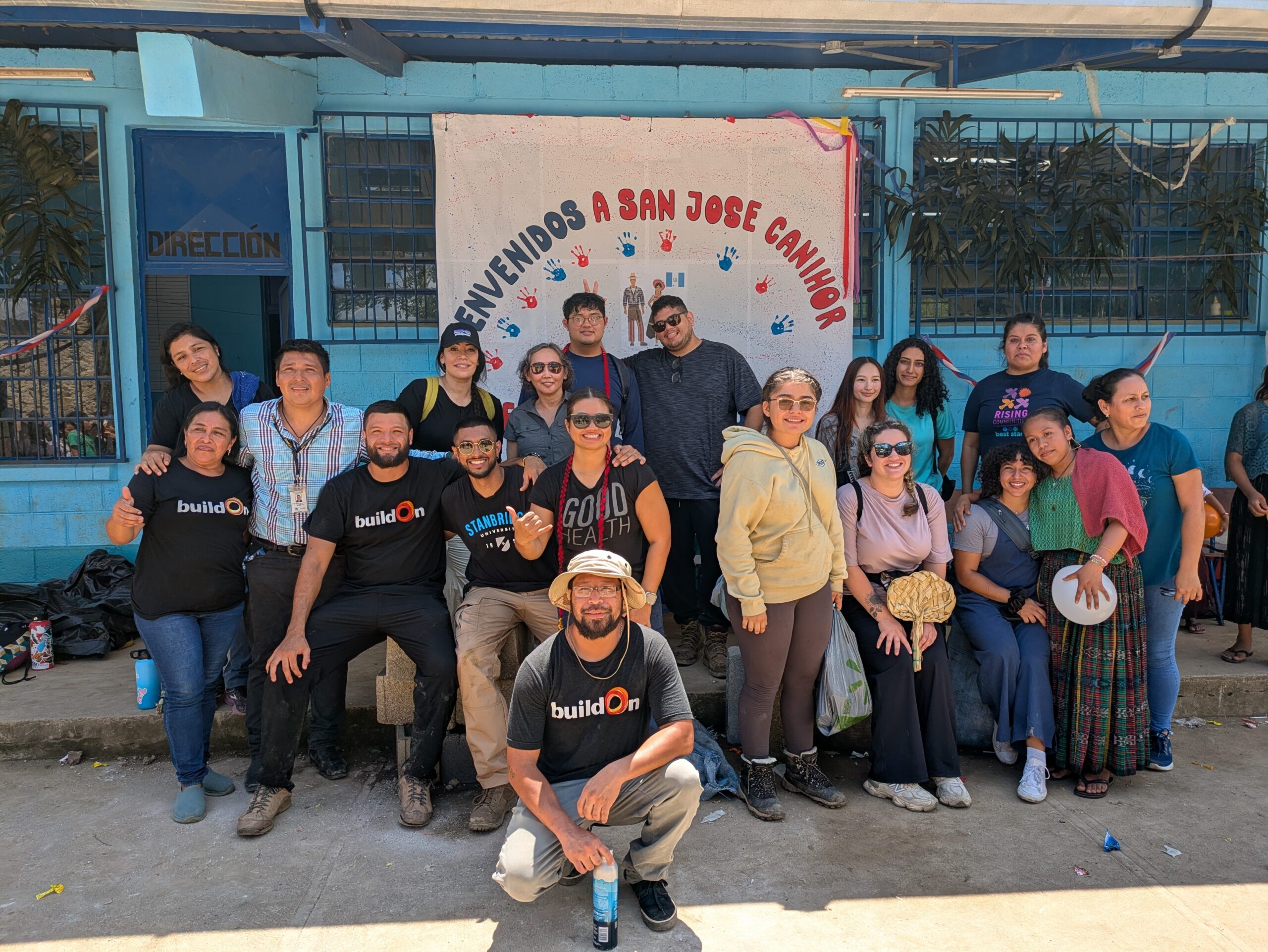
Stanbridge University students and staff traveled to Caserío San José Canihor in Alta Verapaz, Guatemala, where they worked alongside local residents and buildOn, a nonprofit organization that works with communities in developing countries to build schools through service-based projects, to help construct a new primary school for children in the community. The project brought together volunteers and community members around a shared goal: creating a safe, permanent place for children to learn. For the Stanbridge participants, the experience also offered an opportunity to learn directly from a community where cooperation and collective care are part of daily life.¹
What Did Stanbridge Students Learn from this Experience?
For the Stanbridge students who traveled to Guatemala, the project also became an opportunity to learn from the community they were serving.
Bachelor of Science in Nursing student Jizelle Ragi Boctor reflected on the strong sense of collective care she observed during the experience:
“It reminded me that humanity is at its best when we look after one another, not because we have to, but because we want to.”¹
Her reflection points to an important part of community service: volunteers may arrive intending to contribute, but they can also return with new perspectives shaped by the people they meet.
Another participant, Brandon Motta, described being especially affected by the relationships he observed among community members.
“The most meaningful moment to me was seeing firsthand how community plays such an important role in the everyday lives of the people I visited.”¹
For Mr. Motta, seeing those relationships encouraged reflection on how lessons from the experience could apply to his own life.
Community Collaboration and Why it Matters
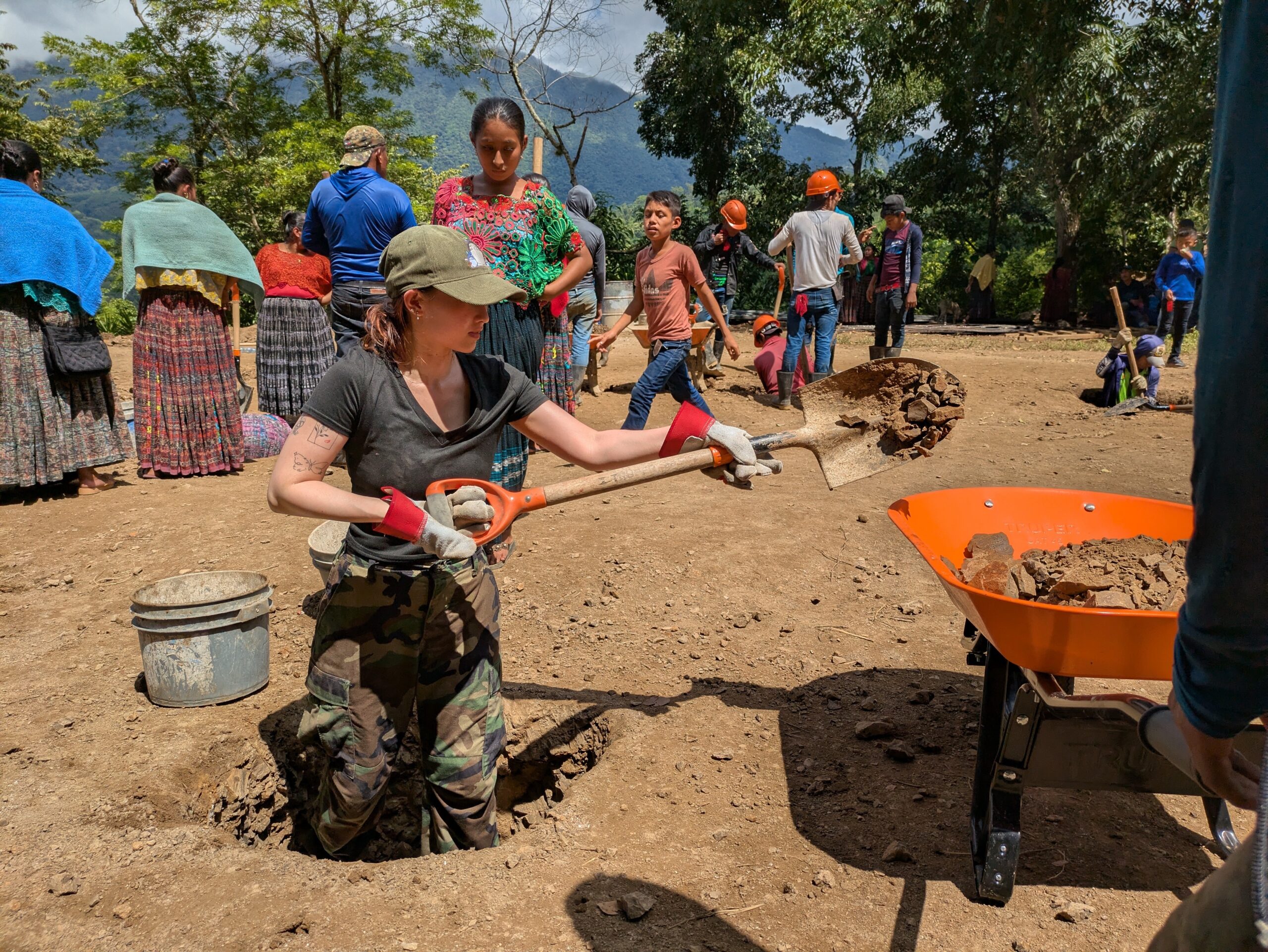
Community service is often most meaningful when it involves listening to others, participation in a group, and shared responsibility. In Guatemala, Stanbridge students and staff worked alongside residents and buildOn volunteers during the construction process.¹
That collaboration helped make the project a shared effort. It also gave Stanbridge participants an opportunity to experience a different community firsthand, interact with local residents, and better understand the importance of relationships in everyday life.
For students preparing for healthcare careers, experiences involving collaboration and service can also reinforce broader values that matter when working with people, including communication, respect, empathy, and an awareness of perspectives different from their own.
Connecting Service with Healthcare Education
Healthcare is fundamentally centered on people. Nurses and allied health professionals regularly work with individuals from different backgrounds, cultures, families, and communities. As a result, healthcare education involves more than developing technical knowledge.
Communication, teamwork, compassion, and respect are also important parts of patient-centered care. Community service experiences can complement clinical education by exposing students to communities and perspectives they may not encounter in the classroom.
For students participating in the Guatemala project, working alongside local residents created an opportunity to experience cooperation and community care in a setting far removed from their regular academic environment.
What Did Stanbridge Leadership Say About the Project?
Dr. Minerva Valdenor, Dean of Nursing at Stanbridge University, joined students during the project and reflected on what she observed.
“Witnessing the dedication of our students and partners in this initiative reaffirms our belief that learning can transform entire communities.”¹
Dean Valdenor also described the project as representing “hope, growth, and lasting change.”¹
Her participation connected university leadership directly with the students, community members, and partners working on the school.
Stanbridge University’s Outreach Program
The Guatemala school project is part of a broader history of community engagement at Stanbridge University. Through Stanbridge Outreach, students and staff participate in service initiatives focused on local and global communities. Over the years, Stanbridge community projects have included environmental restoration, childhood literacy initiatives, support for people with disabilities, food assistance, animal welfare, and other volunteer efforts.
For example, in 2026, Stanbridge’s Root for Change initiative reached a milestone of 10,000 trees planted across Southern California.² The university has also previously donated refurbished laptops to children and families with limited access to technology.³
The Guatemala project extends that service beyond Southern California by connecting Stanbridge participants with an international community and an education-focused construction project.
Expanding Educational Access
Several Stanbridge community initiatives have focused on helping expand access to educational resources. More recently, Stanbridge donated retired Chromebooks through community partners serving underserved populations across several Latin American countries. ³
The Guatemala school project approached educational access in a different way: by helping create the physical space where children can learn. Although each project serves different communities and needs, they share a common focus on supporting access to learning through practical resources. In Caserío San José Canihor, that resource is now a permanent primary school.
What Can Students Take Away from Global Community Service?
Traveling to another country for a service project can challenge participants to encounter unfamiliar environments, routines, and perspectives. However, the Guatemala project also demonstrated how quickly people can find common purpose around a shared goal.
When students worked alongside local residents, they experienced the importance of cooperation firsthand. The reflections shared after the trip suggest that some of the most meaningful lessons came not from construction itself, but from observing how community members supported one another.
For students preparing to work with diverse patients and communities, that awareness can be valuable. Healthcare professionals may not share the same experiences, backgrounds, or perspectives as the people they serve. Learning to listen, collaborate, and approach others with respect can remain important throughout a healthcare career.
Building More Than a School
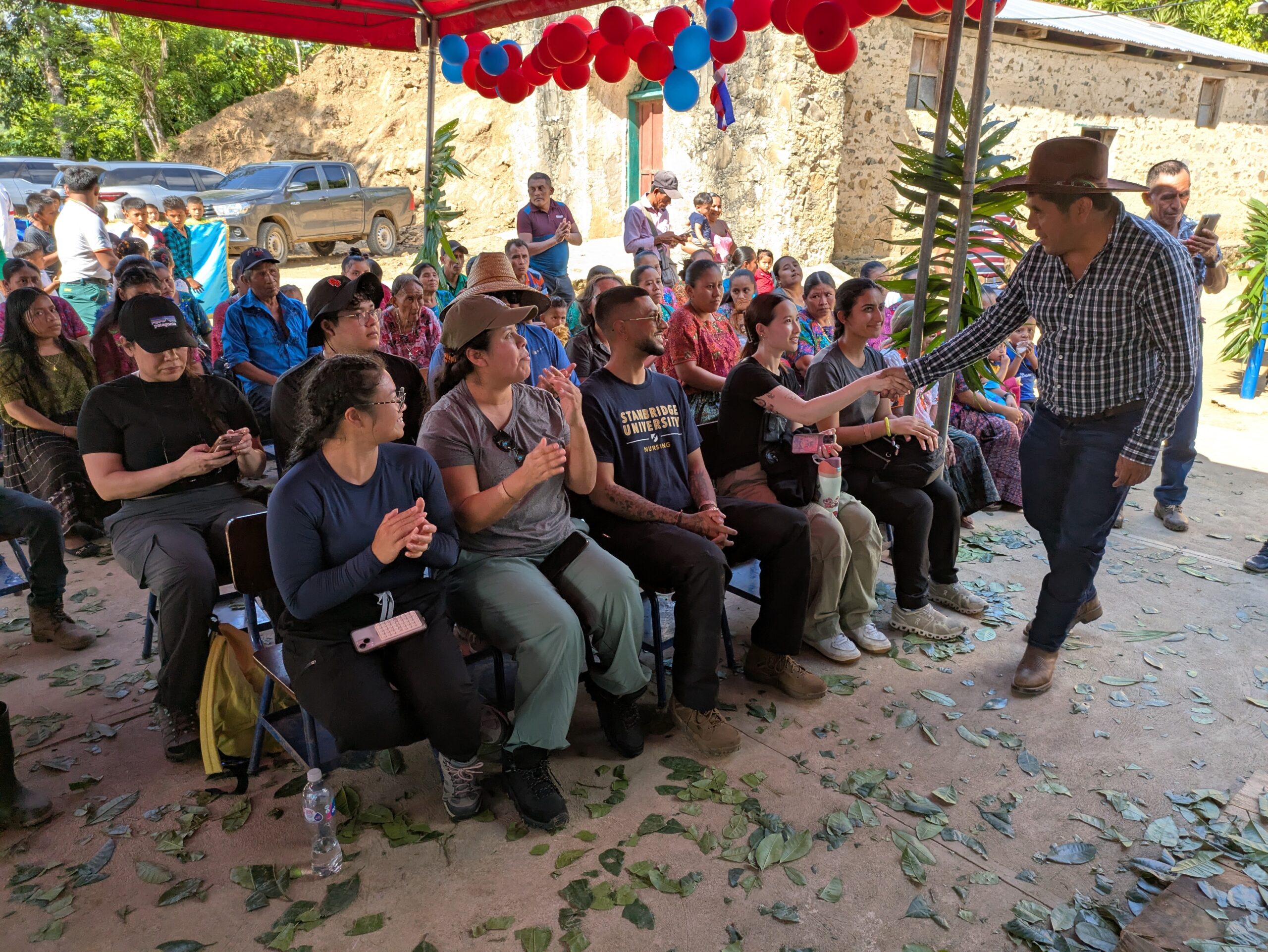
The new primary school in Caserío San José Canihor is a tangible result of collaboration between local residents, buildOn, and Stanbridge University students and staff. Yet the experience also created connections between people who might otherwise never have met.
For the children of the community, the project provides a permanent place to learn. For participating students and staff, it offered a firsthand lesson in cooperation, service, and collective care.
Those lessons are reflected in the words of the students who returned home thinking not only about what they helped build, but also about what they learned from the people who built it alongside them.
Frequently Asked Questions
Stanbridge University students and staff traveled to Caserío San José Canihor in Alta Verapaz, Guatemala, where they worked alongside local residents and buildOn to help construct a new primary school for children in the community.¹
The project brought together Stanbridge University students and staff, local community members, and buildOn volunteers. Dr. Minerva Valdenor, Dean of Nursing at Stanbridge University, also joined students during the project.¹
The new primary school provides children in Caserío San José Canihor with a safe, permanent learning environment designed to support educational opportunities within the community.¹
Participants described learning about collective care, community relationships, and the importance of people supporting one another. Their reflections show how the experience encouraged them to think about lessons they could bring back into their own lives.¹
No. Community service and clinical education serve different purposes. Clinical education provides supervised experiences related to professional healthcare training, while community service gives you opportunities to contribute to communities and engage with people and perspectives outside healthcare settings.
Stanbridge Outreach encompasses community service initiatives involving Stanbridge University students and staff. Projects have supported areas such as education, environmental stewardship, childhood literacy, disability advocacy, and other community needs.
Footnotes
¹ GlobeNewswire, Stanbridge University Staff and Students Build New School in Rural Guatemala https://www.globenewswire.com/news-release/2025/12/16/3206373/0/en/Stanbridge-University-Staff-and-Students-Build-New-School-in-Rural-Guatemala.html
² Stanbridge University Blog, Stanbridge University Plants 10,000 Trees Across Southern California https://blog.stanbridge.edu/
³ Stanbridge University Blog, How Stanbridge University Expands Educational Access Through Chromebook Donations https://blog.stanbridge.edu/stanbridge-university-chromebook-donations/