The Benefits of Becoming a Physical Therapist Assistant in California
Basic Overview
Physical therapist assistants (PTAs) play an important role in helping patients improve mobility, recover from injuries, and regain independence. In California, PTAs work in a variety of healthcare settings and are part of a growing healthcare profession. If you enjoy working directly with patients, rehabilitation, and movement science, becoming a physical therapist assistant may be a career worth exploring.
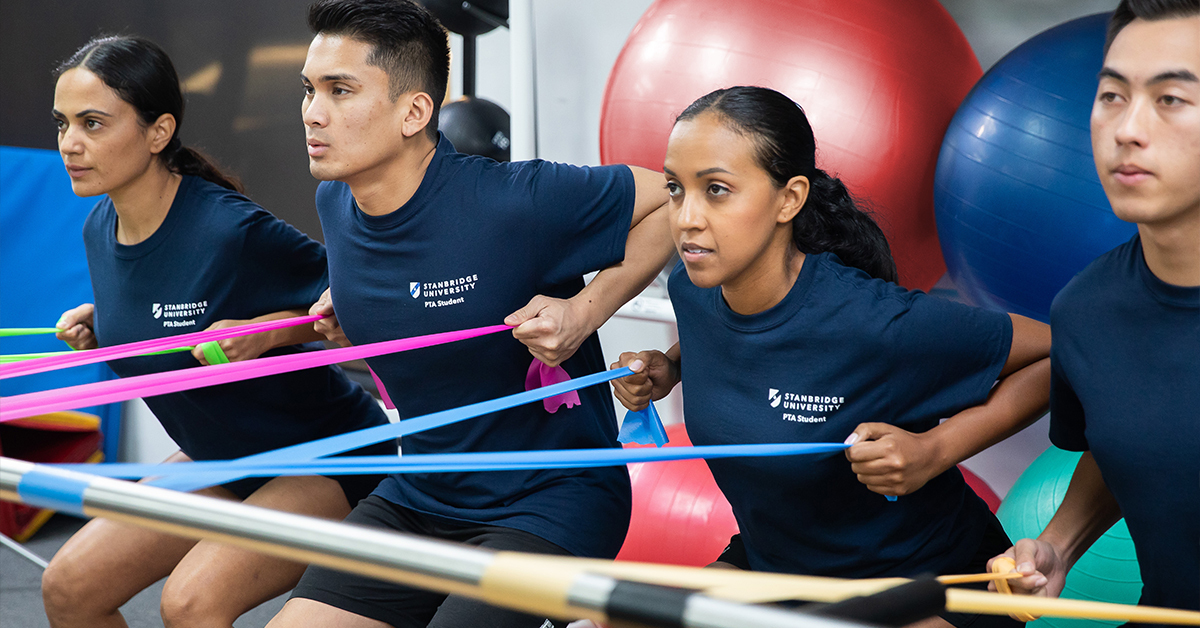
Why Do Students Choose a Career as a Physical Therapist Assistant?
Students choose healthcare careers for many different reasons.
For students with an interest in rehabilitation, movement, and working directly with patients to help them recover from an illness or injury, becoming a physical therapist assistant provides many opportunities to explore these interests.
While an interest in these topics is a significant motivator for many students, it is only one of many benefits to being a physical therapist assistant in California.
Helping Patients Improve Mobility and Independence
At the center of a physical therapist assistant’s responsibilities is helping patients improve movement and functional mobility under the direction and supervision of a licensed physical therapist.¹ Many people find it rewarding to work directly with patients.
Depending on the patient’s needs, physical therapist assistants may help individuals:
- Improve strength
- Increase balance
- Practice walking
- Improve flexibility
- Recover after surgery
- Return to daily activities
Because rehabilitation is highly individualized, PTAs often work with patients over time as they progress toward their rehabilitation goals.
Working with a Variety of Patients
Physical therapist assistants have opportunities to work with people of all ages, from young children to older adults.
They may also work with individuals with different medical backgrounds, including people affected by:
- Orthopedic injuries
- Sports injuries
- Neurological conditions
- Surgery
- Chronic medical conditions
- Age-related mobility challenges
This variety allows many PTAs to experience different patient populations and rehabilitation goals throughout their careers.
Diverse Healthcare Work Settings
California offers a wide range of healthcare environments where physical therapist assistants may practice.
Common work settings include:
- Hospitals
- Outpatient rehabilitation clinics
- Skilled nursing facilities
- Home healthcare
- Rehabilitation hospitals
- Community healthcare organizations
The work environment often influences the patients a PTA works with, their daily responsibilities, and the pace of care.
Being Part of a Collaborative Healthcare Team
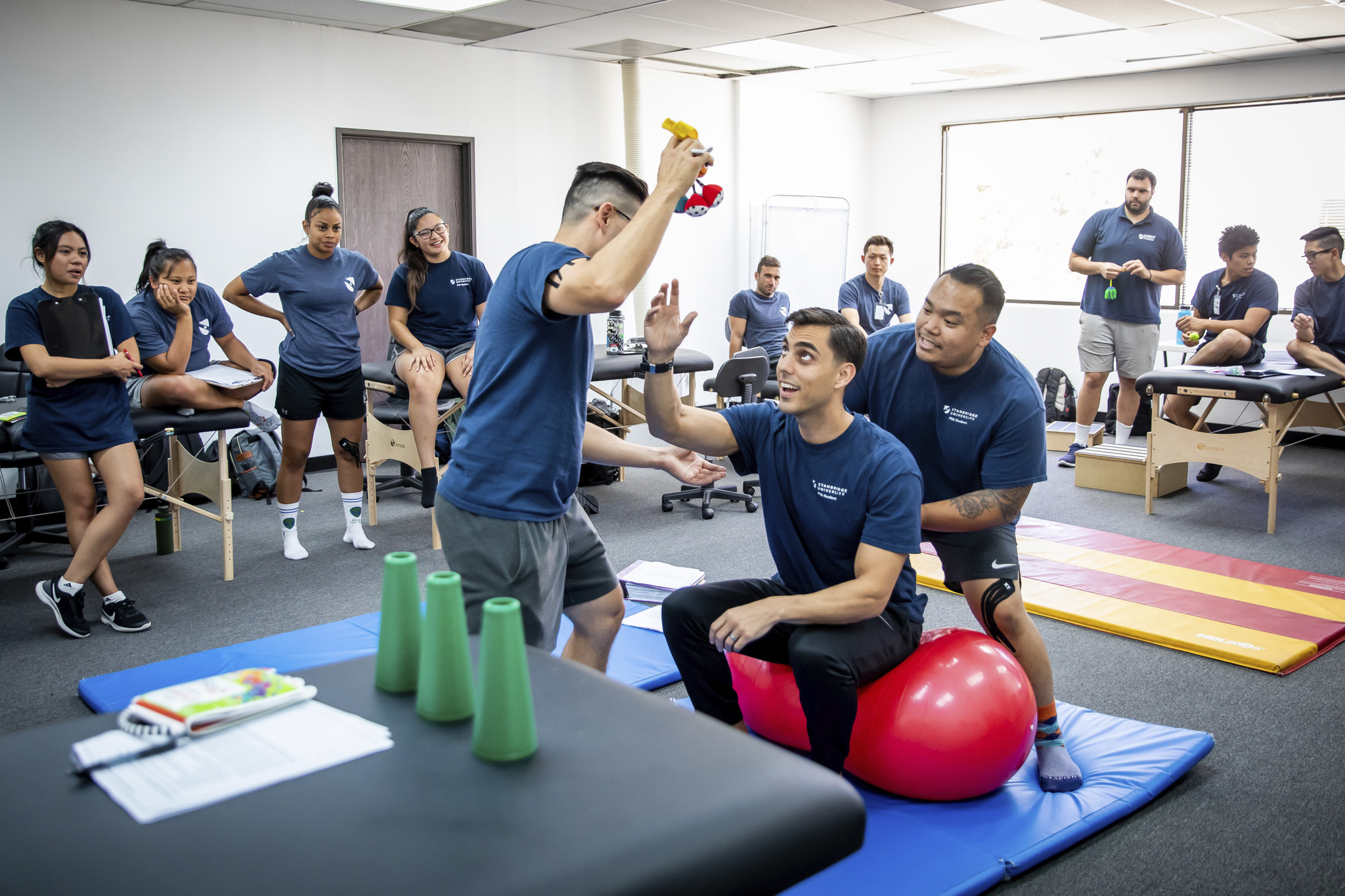
Physical therapist assistants regularly work alongside licensed physical therapists and other healthcare professionals.
Depending on the setting, healthcare teams may include:
- Physicians
- Nurses
- Occupational Therapists
- Occupational Therapy Assistants
- Speech-language pathologists
- Case managers
Collaboration helps ensure patients receive coordinated care that supports their rehabilitation goals.
A Growing Healthcare Profession in California
According to the California Employment Development Department (EDD), physical therapist assistance is projected to experience 41.8% employment growth between 2022 and 2032, making it one of the faster-growing healthcare professions in California.¹
The EDD also reports a statewide median hourly wage of $40.97, or about $85,220 annually, although wages vary depending on employer, geographic location, experience, and practice setting.¹
Opportunities to Continue Learning
Healthcare continues to evolve as new rehabilitation techniques, technologies, and research become available.
Throughout their careers, physical therapist assistants continue developing professional knowledge through continuing competence requirements, workplace learning, and collaboration with physical therapists and other healthcare professionals.
For students who enjoy learning and adapting, rehabilitation careers provide opportunities for ongoing professional development.
What Skills Help Physical Therapist Assistants Succeed?
Successful physical therapist assistants often demonstrate:
- Communication
- Compassion
- Observation
- Critical thinking
- Problem-solving
- Adaptability
- Professionalism
- Teamwork
These skills help PTAs work effectively with patients while supporting rehabilitation plans developed by physical therapists.
Physical Therapist Assistant Education at Stanbridge University
Students interested in becoming physical therapist assistants can explore the Associate of Science in Physical Therapist Assistant program at Stanbridge University.
The program is accredited by the Commission on Accreditation in Physical Therapy Education (CAPTE).²
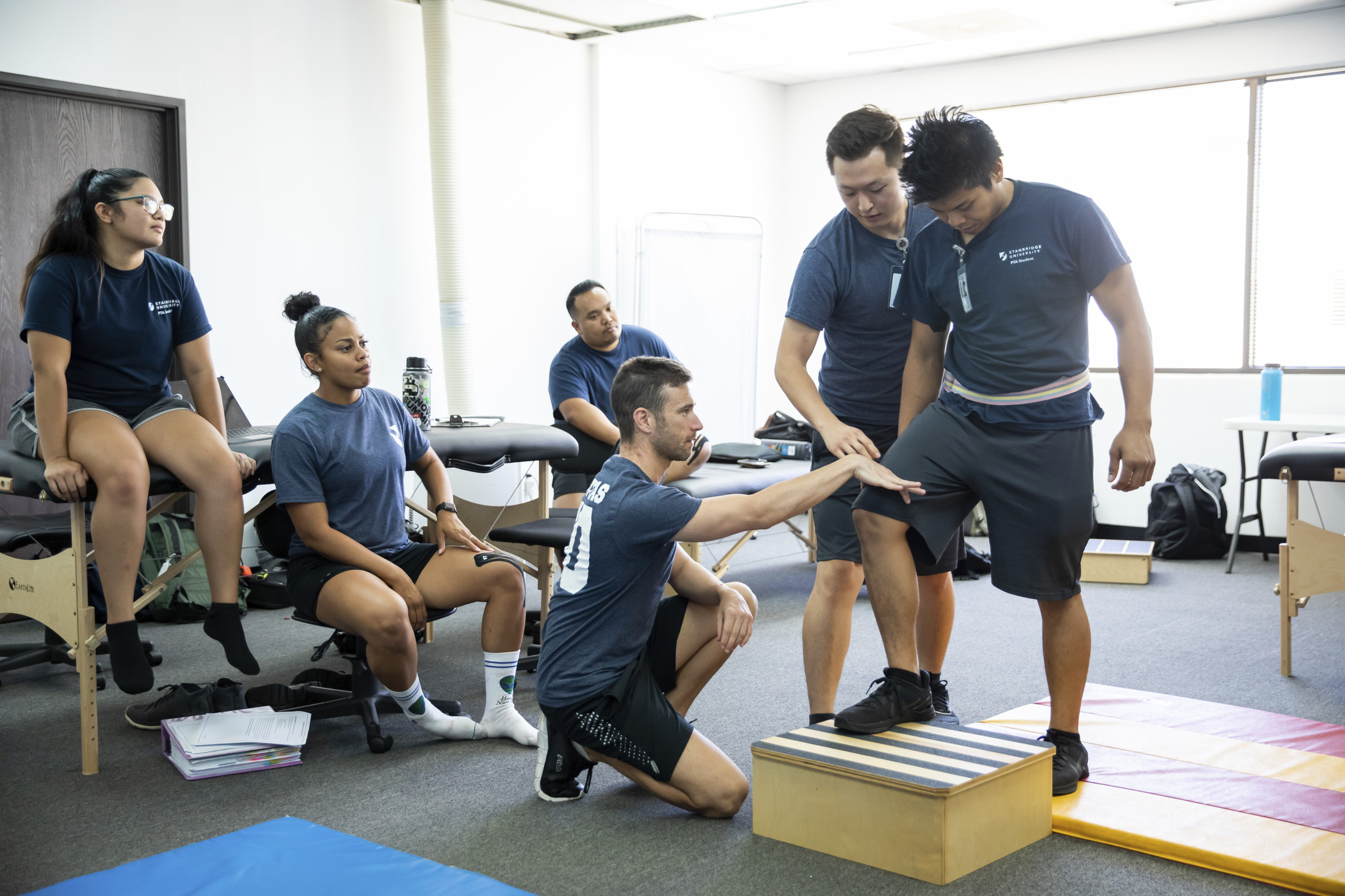
Students complete classroom instruction, laboratory education, simulation-based learning, and supervised clinical education experiences designed to prepare them for rehabilitation-focused healthcare careers.²
The program consists of 122 quarter credit hours and is designed to be completed in approximately 20–21 months, depending on cohort scheduling and individual progression.³
Recent graduates achieved a 98% NPTE licensure pass rate (2023–2025) for the Orange County campus.²
Is Becoming a Physical Therapist Assistant Right for You?
If you enjoy helping others improve mobility, supporting rehabilitation, and working directly with patients, becoming a physical therapist assistant may be a healthcare career worth exploring.
By understanding the profession’s responsibilities, work environments, educational requirements, and career outlook, you can determine whether a PTA pathway aligns with your personal interests and long-term professional goals.
For many students, rehabilitation offers the opportunity to combine science, movement, and patient-centered care while helping individuals regain independence and improve their quality of life. If you’re considering this path, reviewing key factors before selecting a program can help you make an informed decision. Learn more in our guide: “What Questions Should You Ask Before Choosing a PTA Program?”.
Frequently Asked Questions
Physical therapist assistants work under the direction and supervision of licensed physical therapists to help patients improve mobility, strength, balance, and functional movement. They help implement treatment plans while supporting patients throughout the rehabilitation process.¹
Many students are drawn to the profession because it offers opportunities to work directly with patients, support rehabilitation and recovery, practice in a variety of healthcare settings, and enter a growing healthcare field in California.¹
Physical therapist assistants work in hospitals, outpatient rehabilitation clinics, skilled nursing facilities, patient homes, rehabilitation hospitals, and community healthcare settings.¹
Yes. According to the California Employment Development Department (EDD), employment for physical therapist assistants is projected to grow 41.8% between 2022 and 2032 in California.¹
Successful physical therapist assistants often demonstrate communication, compassion, professionalism, observation, critical thinking, teamwork, adaptability, and problem-solving skills.
Program length varies by institution. The Stanbridge University Associate of Science in Physical Therapist Assistant program is designed to be completed in approximately 20–21 months, depending on cohort scheduling and individual progression.³
Students interested in becoming Physical Therapist Assistants can explore the Associate of Science in Associate of Science – Physical Therapist Assistant program at Stanbridge University to learn more about admissions, accreditation, curriculum, and clinical education.
Footnotes
¹ California Employment Development Department (EDD), Physical Therapist Assistants Occupational Profile, https://labormarketinfo.edd.ca.gov/cgi/databrowsing/occExplorerQSDetails.asp?searchCriteria=physical+therapist+assistant&careerID=&menuChoice=&geogArea=0601000000&soccode=312021&search=Explore+Occupation
² Stanbridge University Associate of Science in Physical Therapist Assistant Program Information, https://www.stanbridge.edu/program/pta
³ Program duration is subject to change. Completion times vary depending on cohort scheduling and individual circumstances that may impact progression.