What Questions Should You Ask Before Choosing a PTA Program?
Basic Overview
Choosing a Physical Therapist Assistant (PTA) program involves more than reviewing admissions requirements. Students often compare accreditation, clinical education opportunities, licensure preparation, program length, educational technology, and student support services when evaluating PTA programs. Asking the right questions can help you identify a program that aligns with your educational goals and career interests.
Why Is It Important to Compare PTA Programs?
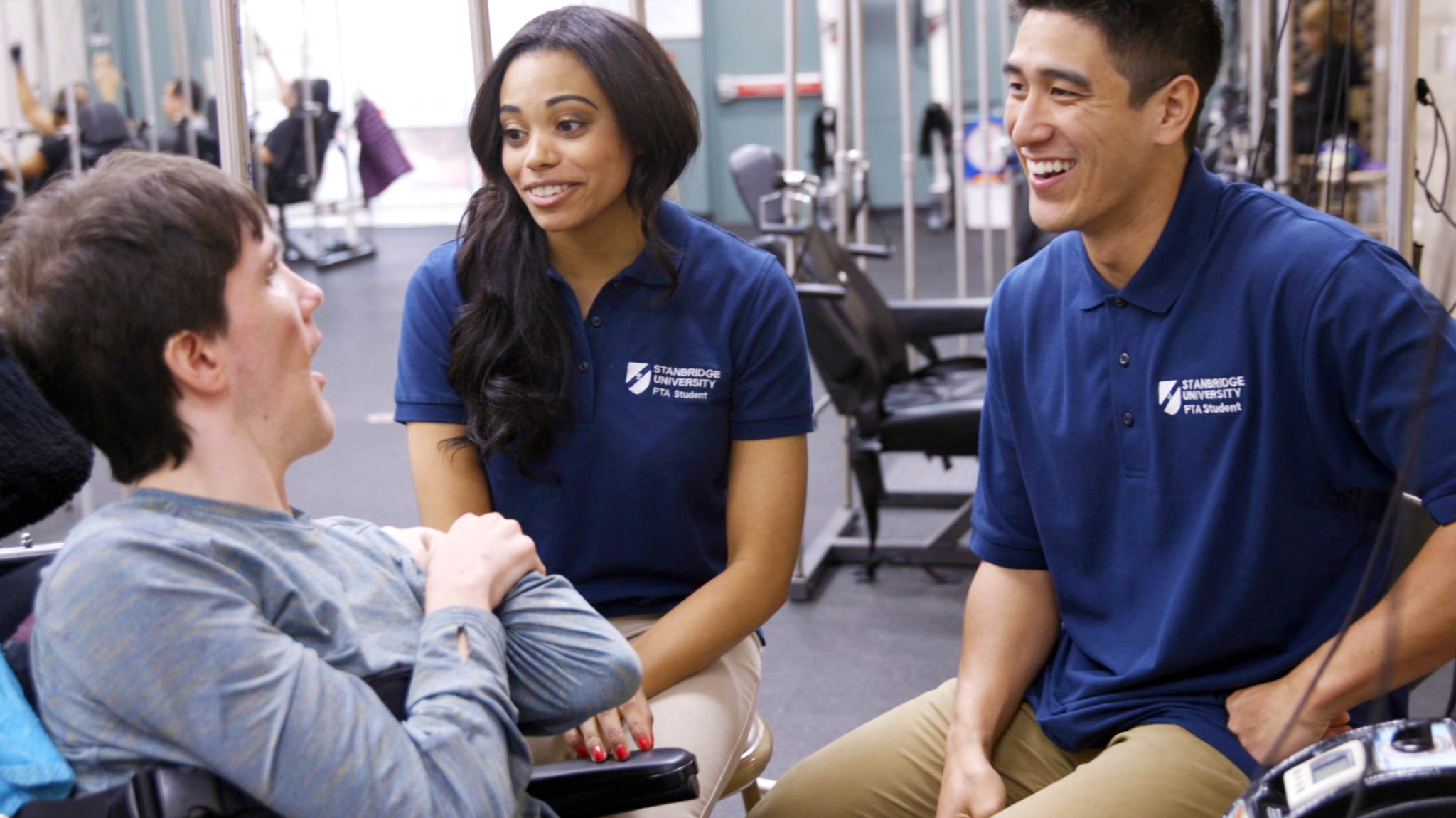
Students interested in physical therapy careers often compare multiple Physical Therapist Assistant (PTA) programs before making an enrollment decision.
While admissions requirements are important, they represent only one part of the decision-making process. Accreditation, clinical education experiences, licensure preparation, educational technology, and student support services can all influence your educational experience.
Is the PTA Program Accredited?
Accreditation is one of the most important factors to review when comparing PTA programs.
The Commission on Accreditation in Physical Therapy Education (CAPTE) is the accrediting body responsible for Physical Therapist Assistant and Physical Therapist education programs in the United States.¹
Graduating from a CAPTE-accredited PTA program is required for eligibility to pursue licensure pathways in most states.¹
Questions to ask include:
- Is the program CAPTE accredited?
- What is the program’s current accreditation status?
- When was the most recent accreditation review completed?
Because accreditation can impact licensure pathways and professional opportunities, many students begin their research with accreditation information.
What Clinical Education Experiences Are Included?
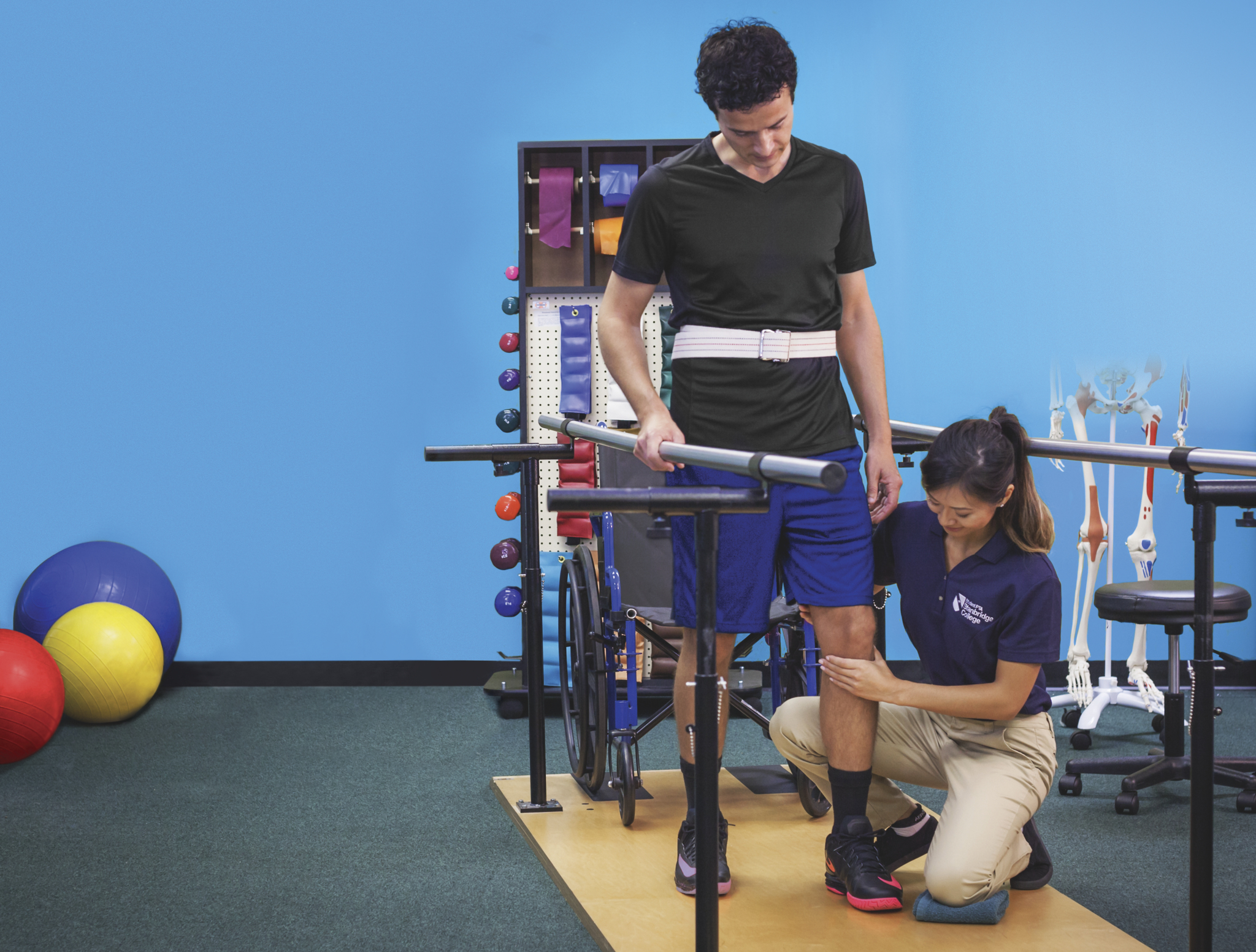
Clinical education is a major component of PTA education. Through supervised clinical experiences, students apply classroom concepts in real healthcare environments while working with patients and healthcare professionals.¹
Questions to ask include:
- What clinical education experiences are included?
- What types of healthcare settings are available?
- How are clinical placements coordinated?
- What patient populations might students work with?
Clinical education helps students connect classroom learning to patient care and rehabilitation practice.
How Does the Program Prepare Students for the NPTE?
Many students want to understand how a PTA program supports preparation for the National Physical Therapy Examination (NPTE) and licensure.
Questions to ask include:
- How does the curriculum support licensure preparation?
- What academic support resources are available?
- What licensure and pass rate information is publicly available?
- What opportunities exist to develop practical skills and clinical reasoning?
Reviewing multiple factors can help you better understand a program’s educational approach.
What Educational Technology and Learning Resources Are Available?
Healthcare education increasingly incorporates technology-enhanced learning experiences.
Questions to ask include:
- What simulation technologies are available?
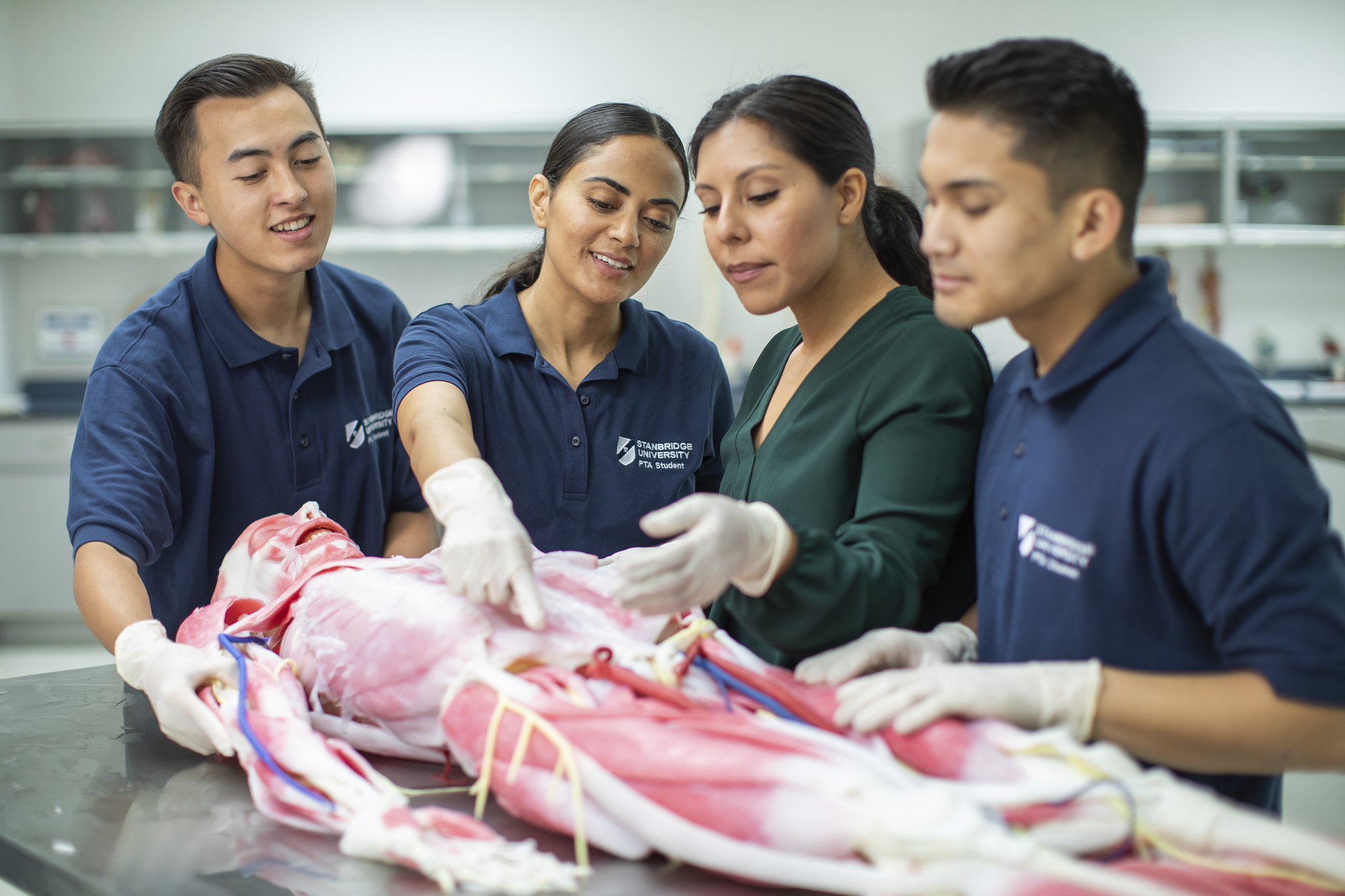
- What laboratory resources support hands-on learning?
- How is educational technology incorporated into instruction?
- What opportunities exist for practical skill development?
These resources may complement classroom instruction and support student learning throughout the program.
What Student Support Services Are Offered?
Student support services can play an important role throughout a PTA program.
Questions to ask include:
- What academic support resources are available?
- Are tutoring services offered?
- How accessible are faculty members?
- What student success resources are available?
Support services vary by institution and may influence the overall educational experience.
How Long Does the Program Take to Complete?
Program length is another important factor many students review when comparing PTA programs.
Questions to ask include:
- How many credit hours are required?
- What is the expected program length?
- How are clinical education experiences incorporated into the schedule?
- What does a typical student timeline look like?
Understanding program timelines can help you evaluate educational commitments and career planning.
What Should You Know About Admissions Requirements?
Admissions requirements vary by institution and program.
Students may want to ask:
- What are the admissions requirements?
- Are there required prerequisite courses?
- What application materials are needed?
- What are the admissions deadlines?
Reviewing admissions requirements early can help you prepare application materials and better understand the enrollment process.
Exploring the Stanbridge University PTA Program
Students interested in Physical Therapist Assistant education can explore the Physical Therapist Assistant program at Stanbridge University.²
The Physical Therapist Assistant program is accredited by the Commission on Accreditation in Physical Therapy Education (CAPTE).¹ ²
The program incorporates:
- Hands-on laboratory instruction²
- Clinical education experiences²
- Simulation-based learning opportunities²
- Educational technology resources²
- Student support services²
Recent NPTE licensure pass rates for the Orange County and Los Angeles campuses were reported as 98% for 2023–2025.²
The Physical Therapist Assistant program is 122 quarter credit hours and is designed to be completed in approximately 20–21 months, depending on cohort scheduling and individual progression.³
In addition, Stanbridge University has received national recognition from organizations including Niche.com, reflecting student interest and institutional visibility within healthcare education.⁴
How Do You Choose the Right PTA Program?
The right PTA program depends on your educational goals, learning preferences, and career aspirations.
When comparing programs, consider:
- Accreditation status
- Clinical education opportunities
- Licensure preparation resources
- Educational technology
- Student support services
- Program length
- Admissions requirements
Taking time to evaluate these factors can help you identify a PTA program that aligns with your goals and interests.
Frequently Asked Questions
Students often ask about accreditation, clinical education experiences, licensure preparation, educational technology, student support services, admissions requirements, and program length.
CAPTE accreditation is important because graduating from a CAPTE-accredited PTA program is required for licensure eligibility in most states.¹
Clinical education is an important component of PTA education because it allows students to apply classroom concepts in supervised healthcare environments.¹
The National Physical Therapy Examination (NPTE) is the licensure examination required for Physical Therapist Assistants. When comparing PTA programs, students often review available licensure preparation resources and publicly reported NPTE pass rates to better understand educational pathways and program outcomes.
Program length varies by institution. The Stanbridge University PTA program is designed to be completed in approximately 20–21 months for full-time students.³
Students often review simulation technologies, laboratory experiences, rehabilitation learning resources, and educational technology that support hands-on learning.
Students can explore Stanbridge University’s Physical Therapist Assistant program information, accreditation status, admissions requirements, and educational resources when researching PTA pathways.²
Footnotes
¹ Commission on Accreditation in Physical Therapy Education (CAPTE) and American Physical Therapy Association (APTA) https://www.capteonline.org/, https://www.apta.org/
² Stanbridge University Physical Therapist Assistant Program Information, https://www.stanbridge.edu/program/pta
³ Program duration subject to change. Completion times vary depending upon the start and end dates of a cohort and any individual circumstances that may impact progression.
⁴ Stanbridge University Awards and Recognition, https://www.stanbridge.edu/awards