What Types of Patients Do Physical Therapist Assistants Work With?
Basic Overview
Physical therapist assistants (PTAs) help patients of all ages improve movement, reduce pain, and regain function under the direction and supervision of licensed physical therapists. Depending on where they work, PTAs may treat children with developmental conditions, athletes recovering from injuries, adults recovering after surgery, older adults working to maintain independence, or patients rebuilding mobility after neurological conditions such as stroke. If you’re considering a PTA career, understanding these patient populations can help you determine whether the profession aligns with your interests.
In this article, we’ll explore some of the most common patient populations physical therapist assistants serve and explain how each setting offers unique opportunities to support patient care.
Orthopedic Patients
One of the largest patient populations physical therapist assistants work with is individuals recovering from orthopedic injuries or surgeries.
Orthopedic physical therapy focuses on restoring movement after conditions affecting muscles, bones, joints, tendons, and ligaments. Common health conditions and procedures that require orthopedic physical therapy include:
- Knee or hip replacement surgery
- ACL reconstruction
- Rotator cuff injuries
- Fractures
- Back and neck pain
- Arthritis
- Tendon or ligament injuries
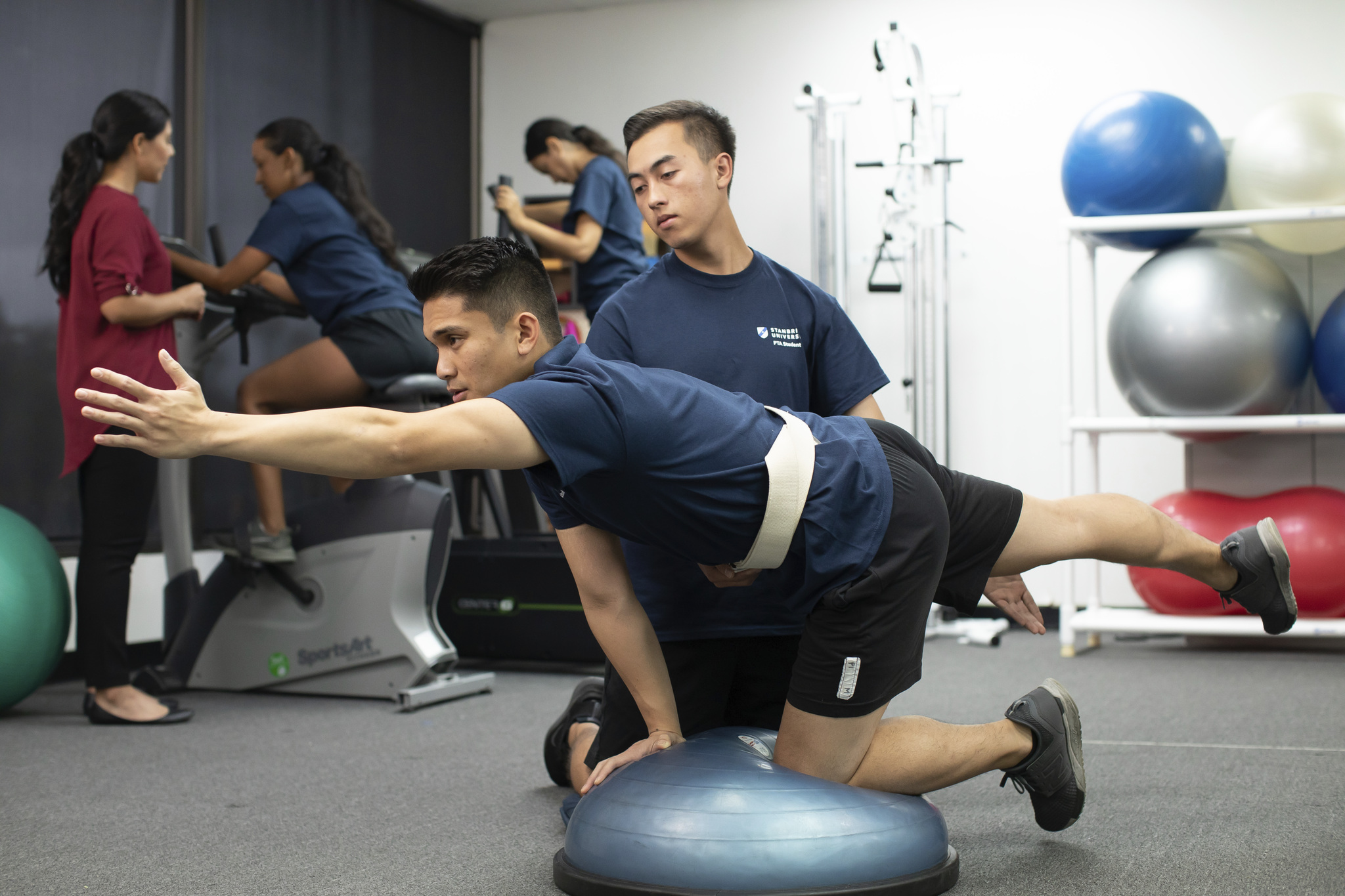
During treatment, PTAs may guide patients through therapeutic exercises, balance training, gait training, stretching, and movement activities designed by the supervising Physical Therapist.¹
Depending on their recovery needs, orthopedic patients are commonly treated in outpatient physical therapy clinics, hospitals, and rehabilitation centers.
Neurological Patients
Neurological rehabilitation focuses on helping patients regain mobility and independence after conditions affecting the brain, spinal cord, or nervous system.
PTAs work with patients living with or recovering from neurological conditions including:
- Stroke
- Traumatic brain injury (TBI)
- Spinal cord injury
- Multiple sclerosis (MS)
- Parkinson’s disease
- Other neurological disorders
As a result, treatment plans are individualized because every neurological condition presents differently. A physical therapist assistant may help patients improve balance, walking, coordination, and movement while working toward goals established by the Physical therapist.¹
Depending on their condition, many neurological patients receive care in inpatient rehabilitation hospitals, outpatient rehabilitation clinics, or skilled nursing facilities.
Pediatric Patients
If you enjoy working with children, pediatric physical therapy may be an area of interest to you.
Pediatric physical therapy helps implement treatment plans designed by physical therapists for infants, children, and adolescents with movement or developmental challenges. As children develop, therapy may focus on improving strength, coordination, balance, mobility, and participation in age-appropriate activities.¹
Common reasons for children to receive physical therapy include:
- Developmental delays
- Cerebral palsy
- Genetic disorders
- Sports injuries
- Orthopedic conditions
- Recovery following illness or surgery
In these settings, PTAs may work with children in outpatient clinics, children’s hospitals, schools, or other pediatric healthcare settings.
Geriatric Patients
Physical therapist assistants play an important role in helping older adults maintain mobility and independence.
Older patients commonly receive physical therapy for:
- Arthritis
- Joint replacements
- Balance disorders
- Fall prevention
- Osteoporosis
- General mobility limitations
As people age, treatment often emphasizes improving strength, balance, endurance, walking ability, and everyday functional activities to support safe movement and independence as patients grow older.
In addition, PTAs often work with geriatric patients in outpatient clinics, rehabilitation hospitals, skilled nursing facilities, assisted living communities, and home health settings.¹
Sports Medicine Patients
Sports medicine physical therapy may help treat:
- Student athletes
- Recreational athletes
- Competitive athletes
- Active adults recovering from injuries
Common sport-related injuries and health conditions requiring physical therapy include:
- Sprains and strains
- ACL injuries
- Shoulder injuries
- Running injuries
- Tendinitis
- Post-surgical rehabilitation
Depending on the injury, treatment may include therapeutic exercise, balance activities, flexibility training, strength development, and movement retraining under the supervising physical therapist’s plan of care.¹
As patients progress, PTAs often find helping patients safely return to sports or recreational activities to be a rewarding aspect of this specialty.
Patients Recovering After Surgery
Many physical therapist assistants assist patients in the days and weeks following surgery.
Post-operative physical therapy often involves helping patients recover after:
- Joint replacement surgery
- Spine surgery
- Shoulder surgery
- Foot or ankle surgery
- Fracture repair
Initially, rehabilitation often focuses on reducing pain, improving mobility, restoring strength, and helping patients safely return to daily activities according to their surgeon’s and physical therapist’s recommendations.¹
Patients Receiving Inpatient Rehabilitation
Some patients require intensive rehabilitation before returning home after a serious illness, injury, or surgery.
In inpatient rehabilitation settings, PTAs may work with individuals recovering from:
- Stroke
- Multiple trauma injuries
- Major orthopedic surgery
- Neurological conditions
- Serious illness requiring rehabilitation
As part of their recovery, these patients often participate in structured therapy programs designed to improve movement, walking, endurance, and independence with daily activities.
Where Do Physical Therapist Assistants Work?
Because PTAs serve many different patient populations, they also work in a variety of healthcare settings.
Common workplaces include:
- Outpatient physical therapy clinics
- Hospitals
- Inpatient rehabilitation facilities
- Skilled nursing facilities
- Patient homes
- Pediatric therapy clinics
- Sports medicine clinics
- Schools
- Long-term care facilities¹
Over time, many PTAs discover throughout their careers which patient populations they enjoy working with most. For example, some remain in one specialty, while others gain experience across multiple areas.
Can Physical Therapist Assistants Specialize?
While all of these focuses fall under the same general PTA licensure, many physical therapist assistants develop expertise in particular patient populations through their clinical experience and workplace settings.
For example, one PTA may spend most of their career working with orthopedic patients, while another primarily treats neurological patients. Other possible areas of specialty for a PTA include:
- Pediatric patients
- Older adults
- Sports medicine patients
- Inpatient rehabilitation
As you gain experience, your interests may evolve over time, and working with a variety of patient populations during your clinical education and throughout your career can help you discover which environments and patient groups you enjoy most.
Preparing to Work with Different Patient Populations
Working with diverse groups of patients requires both technical knowledge and strong interpersonal skills. Throughout a PTA education program, students learn how to adapt treatment techniques, communicate with patients of different ages, and support personalized care plans developed by licensed Physical Therapists. ²
Stanbridge University’s Associate of Science in Physical Therapist Assistant program includes classroom instruction, hands-on laboratory experiences, and supervised clinical education that expose students to a variety of patient care situations. The program is accredited by the Commission on Accreditation in Physical Therapy Education (CAPTE), which helps ensure it meets nationally recognized educational standards for preparing future Physical Therapist Assistants.²
The PTA program at Stanbridge University is 122 quarter credit hours and takes approximately 20–21 months to complete.³
Is Becoming a Physical Therapist Assistant Right for You?
If you enjoy working with different types of people, solving problems, and helping patients regain movement after injury, illness, or surgery, becoming a Physical Therapist Assistant may be a suitable career for you.
Whether you’re interested in helping young athletes recover from injuries, supporting children with developmental challenges, assisting older adults in maintaining independence, or working with patients rebuilding mobility after neurological conditions, the PTA profession offers a wide variety of clinical experiences.
Learning about these patient populations is one step toward deciding whether this rewarding healthcare career aligns with your interests and long-term goals.
Frequently Asked Questions
Physical Therapist Assistants (PTAs) work with patients of all ages in a variety of healthcare settings. They may help individuals recovering from injuries, surgery, neurological conditions, or age-related mobility challenges under the direction and supervision of a licensed Physical Therapist.¹
No. Although some PTAs work in sports medicine, athletes represent just one of many patient populations. PTAs also work with patients recovering from surgery, neurological conditions such as stroke or Parkinson’s disease, developmental conditions, orthopedic injuries, and age-related mobility challenges.¹
Yes. Many PTAs work with infants, children, and adolescents in pediatric clinics, children’s hospitals, schools, outpatient rehabilitation centers, and other healthcare settings. They help implement treatment plans developed by licensed Physical Therapists to improve strength, balance, coordination, mobility, and functional movement based on each child’s needs.¹
Yes. Many PTAs work with geriatric patients recovering from surgery, managing arthritis, improving balance, preventing falls, or maintaining mobility and independence. These patients may receive care in outpatient clinics, rehabilitation hospitals, skilled nursing facilities, home health agencies, or assisted living communities.¹
Physical Therapist Assistants are educated as generalists, but many gain experience working with specific patient populations or practice areas, such as orthopedics, pediatrics, neurological rehabilitation, geriatrics, or sports medicine.¹
Physical Therapist Assistants work in a variety of healthcare settings, including outpatient clinics, hospitals, rehabilitation facilities, skilled nursing facilities, home healthcare, schools, and sports medicine clinics.¹
Footnotes
¹ American Physical Therapy Association (APTA). Physical Therapist Assistant (PTA). https://www.apta.org/your-career/careers-in-physical-therapy/becoming-a-pta
² Stanbridge University. Associate of Science in Physical Therapist Assistant Program. https://www.stanbridge.edu/program/pta
³ Program duration subject to change. Completion times vary depending upon the start and end dates of a cohort and any individual circumstances that may impact progression.
⁴ NPTE for PTA Ultimate Pass Rate for graduates, Three-Year Average, 2022/2023-2024/2025, Orange County campus; The Federation of State Boards of Physical Therapy; Basic Pass Rate Report.