What Does ACOTE Accreditation Mean for OTA Programs?
ACOTE accreditation is a review process that evaluates whether Occupational Therapy Assistant and occupational therapy programs meet educational standards established by the Accreditation Council for Occupational Therapy Education (ACOTE). Additionally, students generally must graduate from an ACOTE-accredited OTA program to qualify for NBCOT certification eligibility and state licensure pathways. As a result, students often review accreditation status when comparing Occupational Therapy Assistant programs.

What Is ACOTE Accreditation?
The Accreditation Council for Occupational Therapy Education (ACOTE) is the accrediting body for occupational therapy education programs in the United States.¹
Specifically, ACOTE evaluates educational programs to determine whether they meet established standards related to:
- Curriculum structure
- Student learning outcomes
- Clinical education requirements
- Faculty qualifications
- Educational resources
Accreditation helps ensure that occupational therapy education programs meet nationally recognized educational standards.¹
Why Is ACOTE Accreditation Important?
Students researching OTA programs often consider accreditation because it relates to educational quality standards and licensure pathways. As a result, accreditation status is frequently one of the first factors students review when comparing Occupational Therapy Assistant programs.
ACOTE accreditation may help students:
- Identify programs that meet recognized educational standards
- Understand fieldwork and clinical education requirements
- Compare occupational therapy assistant programs
- Prepare for NBCOT certification eligibility pathways
Accreditation status is one factor among many students may consider when evaluating healthcare education programs. However, students often review accreditation alongside curriculum structure, fieldwork opportunities, student support services, and educational resources.
How Does ACOTE Accreditation Relate to OTA Licensure?
Students must graduate from an ACOTE-accredited Occupational Therapy Assistant program to take the National Board for Certification in Occupational Therapy (NBCOT) certification examination.¹
Certification and licensure requirements vary by state. However, many states require:
- Graduation from an accredited OTA program
- NBCOT certification
- State licensure or authorization to practice
Students researching OTA pathways should review state-specific licensure requirements. Additional career information is available through the California Employment Development Department Occupational Therapy Assistants Labor Market Information Division career overview.²
Exploring the Stanbridge University OTA Program
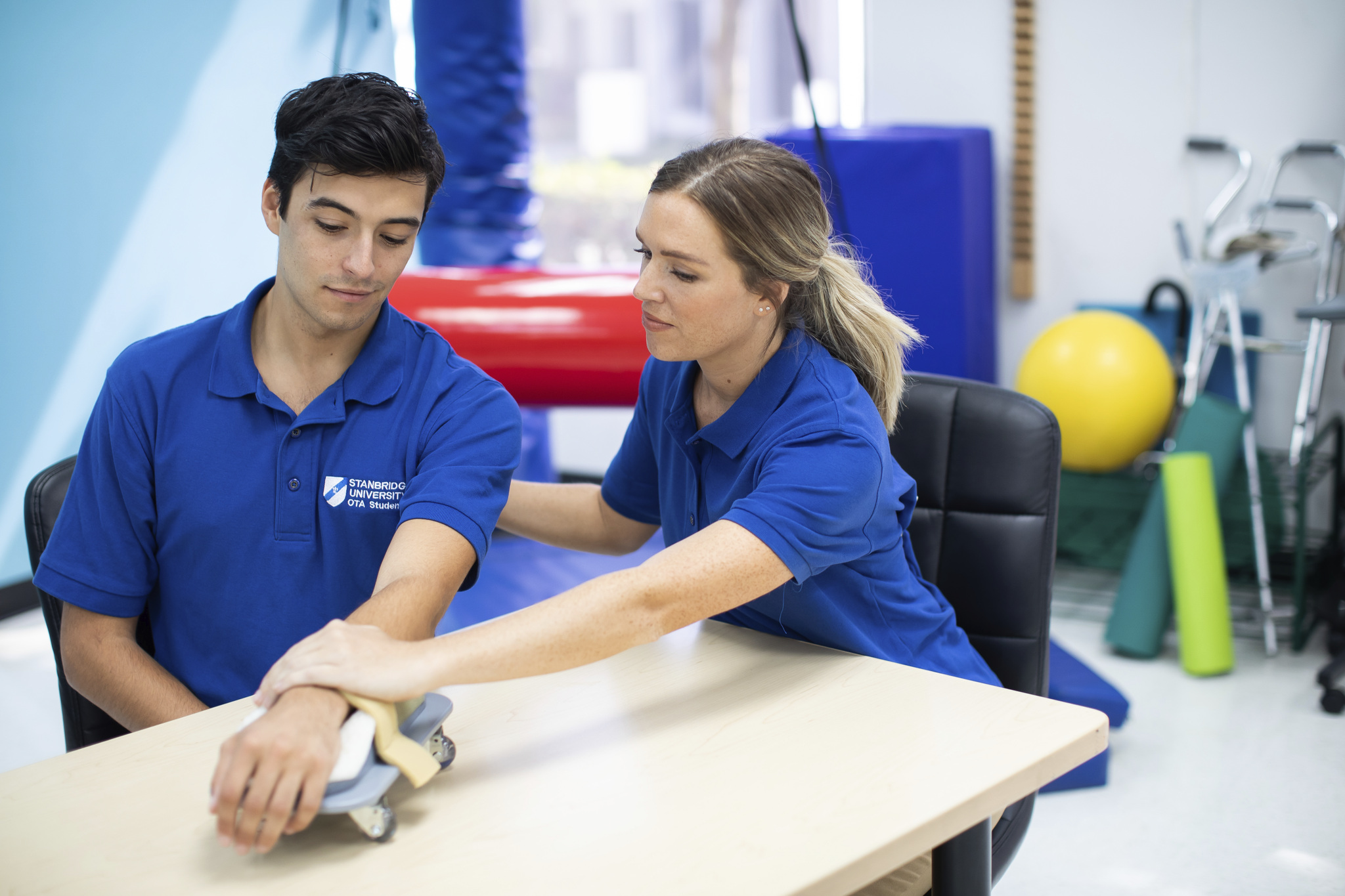
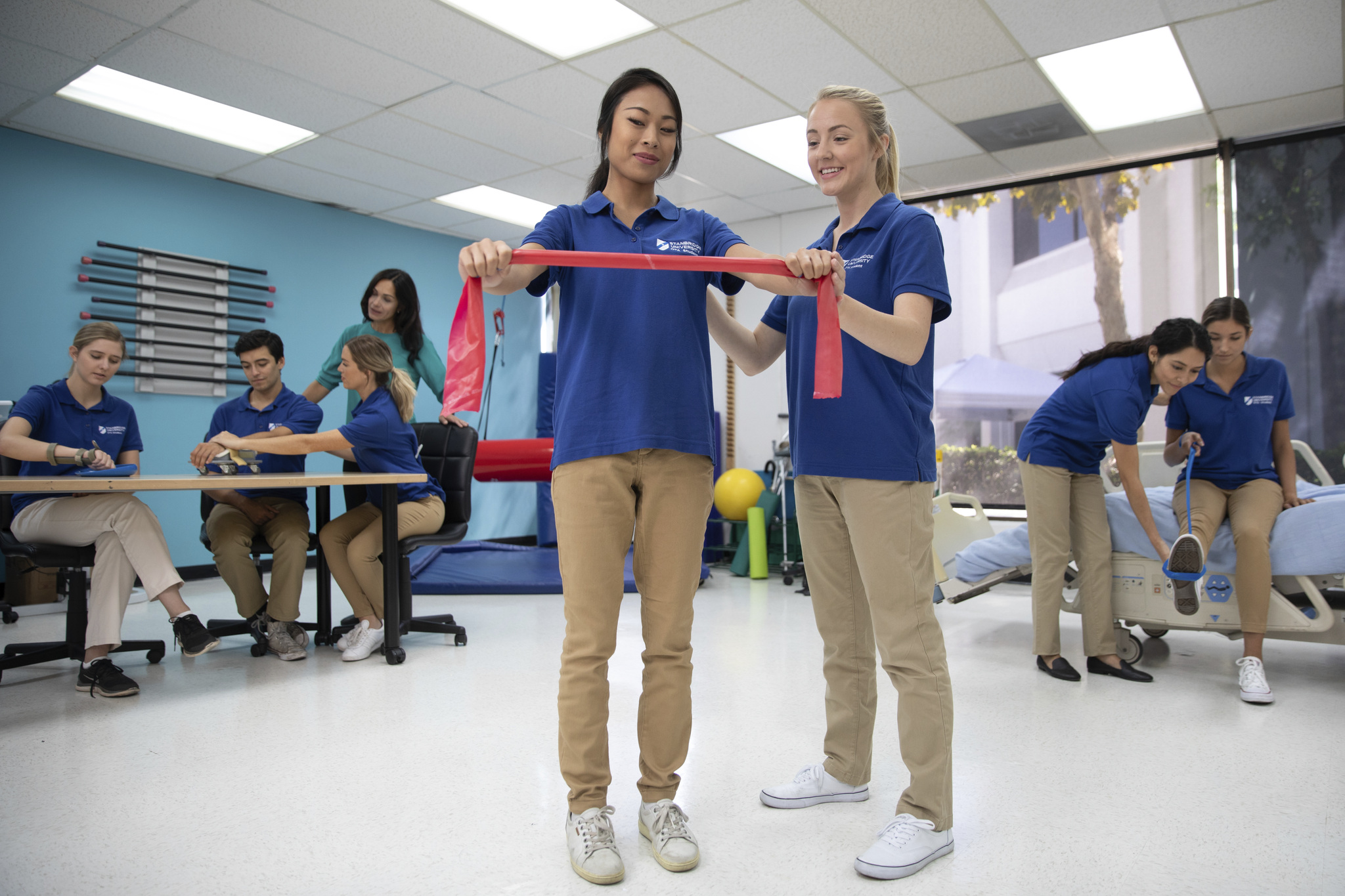
Students interested in occupational therapy assistant education pathways can explore the Occupational Therapy Assistant program at Stanbridge University. The Stanbridge University Occupational Therapy Assistant program is accredited by the Accreditation Council for Occupational Therapy Education (ACOTE) of the American Occupational Therapy Association (AOTA) through 2028/2029 at the Orange County and Los Angeles campuses.¹
This program includes:
- Hands-on clinical skills training
- Simulation-based learning experiences
- Clinical fieldwork opportunities
- Interactive healthcare education technology
- Structured student support resources
Recent NBCOT certification exam pass rates for the Orange County and Los Angeles campuses were reported as 79% for 2022-2025.³
The Stanbridge University full-time Occupational Therapy Assistant program is 112.5 quarter credit hours and takes approximately 22–23 months to complete. 4
How Can Students Compare ACOTE-Accredited OTA Programs?
Students researching OTA programs may benefit from asking:
- Is the program ACOTE accredited?
- What fieldwork opportunities are included?
- What simulation technology and laboratories are available?
- How does the program support certification preparation?
- What student support services are offered?
Reviewing accreditation alongside curriculum structure, fieldwork experiences, and educational technology may help students make more informed decisions.
Frequently Asked Questions
ACOTE accreditation means an occupational therapy or Occupational Therapy Assistant program has undergone evaluation to determine whether it meets established educational standards. As a result, accreditation helps students identify programs that meet nationally recognized educational requirements.¹
ACOTE accreditation is important because graduating from an accredited OTA program is generally required for NBCOT certification eligibility and state licensure pathways. Therefore, accreditation is often one of the first factors students consider when evaluating OTA programs.¹
Certification eligibility requirements generally include graduation from an ACOTE-accredited occupational therapy or OTA program. Therefore, accreditation is an important consideration for students planning to pursue certification.¹
Yes, the Occupational Therapy Assistant program is accredited by the Accreditation Council for Occupational Therapy Education (ACOTE) of the American Occupational Therapy Association (AOTA) through 2028/2029 at the Orange County and Los Angeles campuses.¹
Footnotes
¹ Accreditation Council for Occupational Therapy Education (ACOTE) and National Board for Certification in Occupational Therapy (NBCOT), https://acoteonline.org/ and https://www.nbcot.org/
² California Employment Development Department, “Occupational Therapy Assistants,” Labor Market Information Division, accessed May 26, 2026, https://labormarketinfo.edd.ca.gov/cgi/databrowsing/occExplorerQSDetails.asp?searchCriteria=occupational+therapy+assistant&careerID=&menuChoice=occexplorer&geogArea=0601000000&soccode=312011&search=Explore+Occupation
³ Source: NBCOT-COTA Pass Rates, 2022-2025, Orange County and Los Angeles campuses; National Board for Certification in Occupational Therapy, https://www.nbcot.org/Educators-Folder/SchoolPerformance.
4Program duration subject to change. Completion times vary depending upon the start and end dates of a cohort and any individual circumstances that may impact progression.