What Does an Occupational Therapist Do Every Day?
Basic Overview
Occupational Therapists (OTs) help people of all ages develop, recover, or maintain the skills needed for everyday life. OTs commonly evaluate patients, develop individualized treatment plans, provide therapeutic interventions, educate patients and caregivers, and collaborate with healthcare teams. Their work takes place in hospitals, rehabilitation facilities, schools, outpatient clinics, home health, and many other settings.

Understanding the Role of an Occupational Therapist
If you’re exploring healthcare careers, you may have come across occupational therapy and wondered what Occupational Therapists do during a typical workday.
While television often portrays healthcare professionals working primarily in hospitals, Occupational Therapists work in many different environments and with a wide variety of patients. As a result, no two days are exactly alike.
However, Occupational Therapists share a common goal: helping people participate as independently and safely as possible in the activities that are meaningful to their daily lives.¹
What Does an Occupational Therapist Do?
Occupational Therapists evaluate patients and develop individualized intervention plans that help people improve, recover, or maintain the skills needed for everyday activities.¹
Because every patient has different goals and needs, Occupational Therapists continually adapt interventions to support participation in meaningful daily activities.
What Does a Typical Day Look Like?
Although schedules vary by practice setting, many Occupational Therapists divide their day among patient care, documentation, collaboration, and treatment planning.
A typical day may include:
Evaluating New Patients
Occupational Therapists begin by learning about a patient’s medical history, functional abilities, goals, and challenges.
Evaluations help determine how health conditions affect daily activities such as dressing, eating, writing, working, driving, or participating in school.
Developing Treatment Plans
After completing an evaluation, Occupational Therapists create individualized intervention plans designed to address each patient’s goals.
Treatment plans are adjusted over time as patients make progress or their needs change.
Providing Therapeutic Interventions
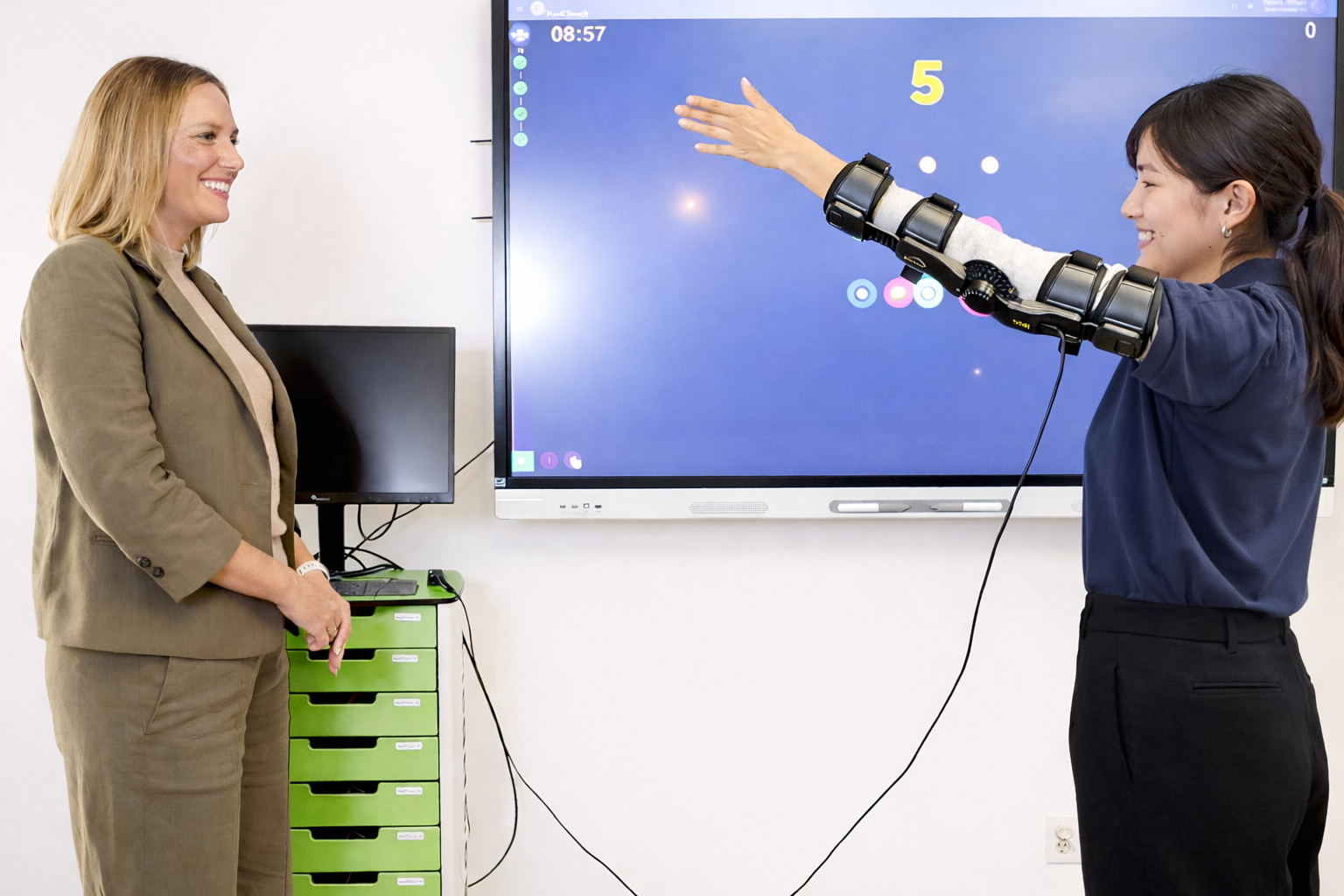
Throughout the day, Occupational Therapists work directly with patients using activities designed to improve function, independence, and participation.
Depending on the patient, interventions may focus on:
- Fine motor coordination
- Strength and endurance
- Balance and movement
- Cognitive skills
- Sensory processing
- Activities of daily living
- Adaptive equipment training
Educating Patients and Families
Occupational Therapists frequently teach patients and caregivers strategies that support independence outside the clinical setting.
Education may include home exercises, adaptive techniques, safety recommendations, and equipment use.
Collaborating with Healthcare Teams
Occupational Therapists regularly communicate with physicians, nurses, physical therapists, occupational therapy assistants, social workers, educators, and other healthcare professionals to coordinate patient care.
Because healthcare is collaborative, communication plays an important role throughout the workday.
Who Do Occupational Therapists Work With?
Occupational Therapists work with people of all ages.
Patients may include:
- Infants and young children
- School-age children
- Adolescents
- Adults
- Older adults
Occupational Therapists may work with individuals living with or recovering from:
- Injuries
- Illnesses
- Surgeries
- Neurological conditions
- Developmental disabilities
- Age-related conditions
Patient populations vary depending on the practice setting and specialty area.
Where Do Occupational Therapists Work?
Occupational Therapists practice in a wide variety of healthcare and community environments.¹
Common work settings include:
- Hospitals
- Rehabilitation centers
- Outpatient clinics
- Schools
- Skilled nursing facilities
- Home health agencies
- Community health organizations
Because occupational therapy is used in many different settings, work responsibilities often vary from one environment to another.
What Skills Are Important for Occupational Therapists?
Occupational therapy combines healthcare knowledge with creativity, problem-solving, and patient-centered care.
Successful Occupational Therapists often demonstrate:
- Communication
- Clinical reasoning
- Critical thinking
- Observation
- Adaptability
- Collaboration
- Compassion
- Professionalism
These skills help Occupational Therapists develop treatment plans that support each patient’s unique goals and circumstances.
What Is the Job Outlook for Occupational Therapists?
According to the California Employment Development Department (EDD), Occupational Therapists are projected to experience 20.5% employment growth between 2022 and 2032 in California.¹
The EDD also reports a statewide median hourly wage of $61.54, or an annual salary of about $128,000 in California, although wages vary by employer, experience, geographic location, and practice setting.¹
Because workforce information changes over time, students should review the California EDD Occupational Profile for the most up-to-date information.
How Do You Become an Occupational Therapist?
Occupational Therapists complete graduate-level education before entering professional practice.
While admission requirements vary by institution, many students first complete a bachelor’s degree before enrolling in a Master of Science in Occupational Therapy (MSOT) program. Many Occupational Therapy students earn undergraduate degrees in fields such as kinesiology, psychology, biology, health sciences, or exercise science, although graduate programs may accept a variety of bachelor’s degrees as long as applicants complete the required prerequisite coursework. ²
Graduate occupational therapy education typically includes:
- Classroom instruction
- Laboratory experiences
- Evidence-based practice
- Clinical reasoning
- Fieldwork education
- Professional development
Graduates then pursue certification through the National Board for Certification in Occupational Therapy (NBCOT) and applicable state licensure requirements.²
Occupational Therapy Education at Stanbridge University
Students interested in becoming Occupational Therapists can explore the Master of Science in Occupational Therapy (MSOT) program at Stanbridge University.²
The Stanbridge University MSOT program is fully accredited by the Accreditation Council for Occupational Therapy Education (ACOTE) of the American Occupational Therapy Association (AOTA).²
The curriculum incorporates classroom instruction, laboratory learning, simulation-based education, and supervised fieldwork experiences designed to prepare students for occupational therapy practice.²
The program consists of 117 quarter credit hours and is designed to be completed in approximately 26–27 months, depending on cohort scheduling and individual progression.³
Recent graduates achieved an NBCOT pass rate of 95% (2022–2024).²
Students interested in occupational therapy education can review admissions requirements, accreditation information, and curriculum details through Stanbridge University’s official program page.
If you’d like to learn more about graduate occupational therapy education, you may also enjoy our Occupational Therapy Master’s Degree Guide. For additional career information, explore “Is Occupational Therapy a Good Career in 2026? “.

Is Occupational Therapy the Right Career for You?
Occupational therapy offers opportunities to work with patients across the lifespan while helping individuals improve participation in meaningful daily activities.
Although every workday is different, Occupational Therapists commonly evaluate patients, develop treatment plans, provide therapeutic interventions, educate families, and collaborate with healthcare teams.
Understanding these responsibilities can help you determine whether an occupational therapy career aligns with your interests, strengths, and long-term professional goals.
Frequently Asked Questions
Occupational Therapists evaluate patients, develop individualized treatment plans, provide therapeutic interventions, monitor progress, educate patients and caregivers, and collaborate with healthcare teams. Daily responsibilities vary depending on the practice setting and patient population.¹
Occupational Therapists work in hospitals, rehabilitation facilities, outpatient clinics, schools, skilled nursing facilities, home health agencies, and community health organizations.¹
Occupational Therapists work with people of all ages, including children, adults, and older adults. They may support individuals living with or recovering from injuries, illnesses, surgeries, neurological conditions, developmental disabilities, or age-related changes.¹
Occupational Therapists often rely on communication, clinical reasoning, critical thinking, observation, adaptability, collaboration, and professionalism to support patient-centered care.
Occupational Therapists typically complete a bachelor’s degree before earning a Master of Science in Occupational Therapy (MSOT). After graduation, they pursue certification through the National Board for Certification in Occupational Therapy (NBCOT) and meet applicable state licensure requirements.²
According to the California Employment Development Department (EDD), Occupational Therapists are projected to experience 20.5% employment growth between 2022 and 2032 in California.¹
Students interested in occupational therapy can explore the Master of Science in Occupational Therapy program at Stanbridge University and review admissions requirements, accreditation information, and curriculum details through the university’s official program resources.²
Footnotes
¹ California Employment Development Department (EDD), Occupational Therapists Occupational Profile, https://labormarketinfo.edd.ca.gov/cgi/databrowsing/occExplorerQSDetails.asp?searchCriteria=occupational+therapist&careerID=&menuChoice=&geogArea=0601000000&soccode=291122&search=Explore+Occupation
² Stanbridge University Master of Science in Occupational Therapy Program Information, https://www.stanbridge.edu/program/msot
³ Program duration is subject to change. Completion times vary depending upon cohort scheduling and individual circumstances that may impact progression.