What Is the Difference Between Occupational Therapy and Physical Therapy?
Basic Overview
Occupational therapy and physical therapy both help people improve their health, independence, and quality of life, but they focus on different aspects of recovery. Occupational therapists help individuals participate in daily activities, while Physical therapists focus on improving movement, strength, balance, and mobility. Understanding these differences can help you determine which healthcare career aligns with your interests and goals.
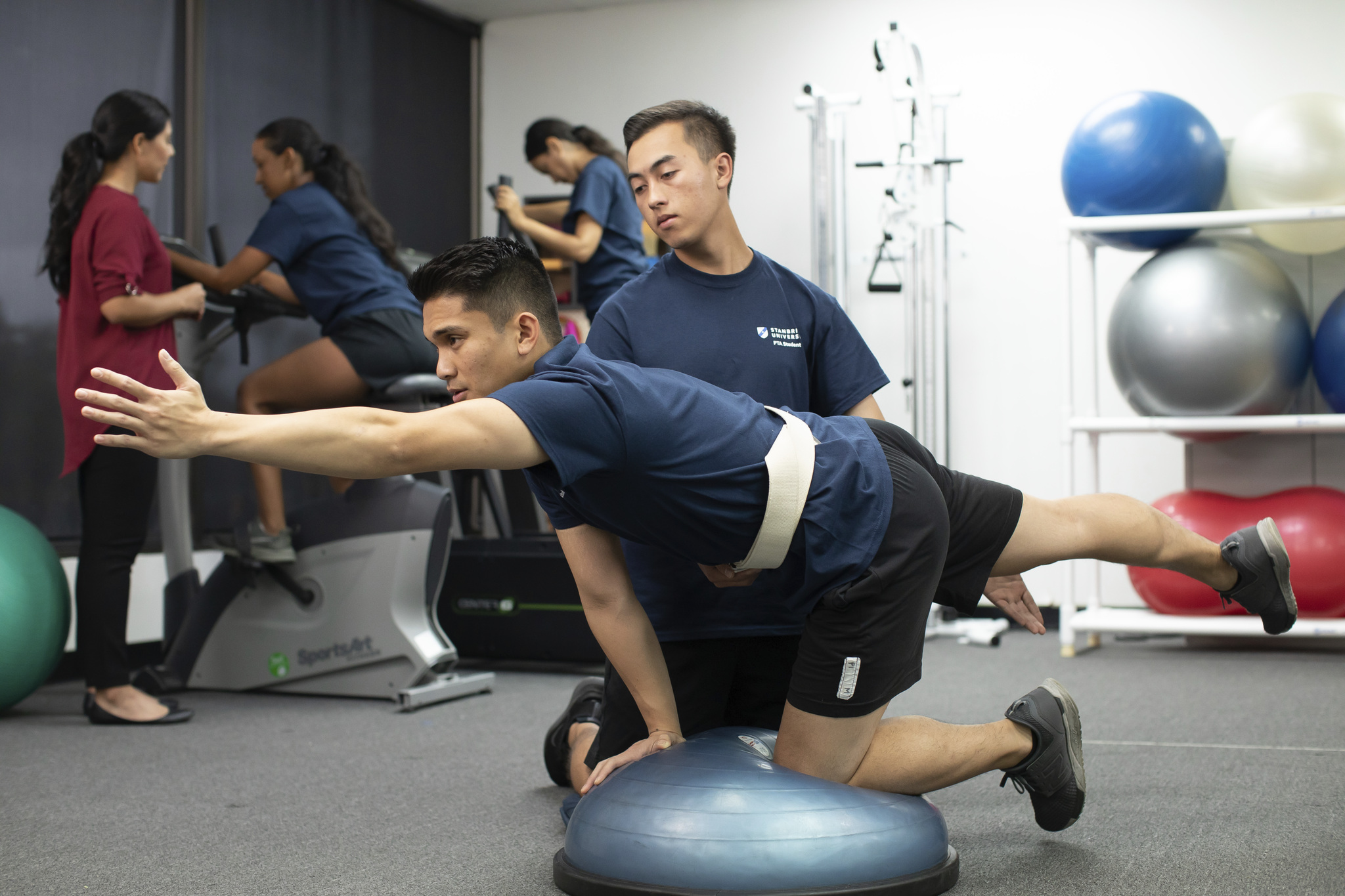
Understanding Occupational Therapy and Physical Therapy
If you’re interested in rehabilitation careers, you may have wondered about the difference between occupational therapy and physical therapy.
Both professions help people improve their quality of life after illness, injury, surgery, or changes in physical or cognitive function. However, they approach patient care from different perspectives. Occupational therapy centers on helping patients participate more meaningfully in their daily activities. Physical therapy, on the other hand, focuses on improving movement, mobility, strength, and physical function, often in a specific part of the body.
Understanding these differences can help you determine which rehabilitation career best aligns with your interests.
What Do Occupational Therapists Do?
Occupational therapists evaluate patients and develop individualized intervention plans that help people participate more fully in everyday life.¹
Depending on a patient’s goals, occupational therapists may help individuals improve the patient’s ability to:
- Dress and groom themselves independently
- Prepare meals
- Attend work or school
- Participate in hobbies
- Use adaptive equipment
- Complete everyday activities
Occupational therapy focuses on helping individuals perform the activities that are meaningful to them, often referred to as “occupations.”
Because every patient has different goals, occupational therapists develop personalized treatment plans that support independence, participation, and quality of life.
What Does a Physical Therapist Do?
Physical therapists evaluate patients and develop treatment plans that help improve movement and physical function.²
Treatment from a physical therapist often focuses on helping patients:
- Improve mobility
- Increase strength
- Improve balance
- Reduce pain
- Restore movement
- Recover after injury or surgery
Physical therapy emphasizes restoring movement and helping patients safely return to everyday physical activities.
What Is the Biggest Difference Between Occupational Therapy and Physical Therapy?
Occupational therapy and physical therapy aim to answer different questions as part of a patient’s overall treatment plan.
Occupational therapy answers the question, “How can this person successfully participate in everyday life?”
Physical therapy answers the question, “How can this person move more safely, comfortably, and effectively?”
While these two healthcare disciplines are separate, they often work together. For example, a patient recovering from a stroke may work with a Physical Therapist to improve strength and walking ability. The same patient may work with an Occupational Therapist to regain independence with dressing, bathing, cooking, writing, or returning to work.
Because these professions complement one another, they frequently collaborate as part of interdisciplinary healthcare teams.

Do Occupational Therapists and Physical Therapists Work with Similar Patients?
Yes, many occupational and physical therapists work with similar patients. Both professions work with individuals experiencing:
- Orthopedic injuries
- Neurological conditions
- Developmental disabilities
- Sports injuries
- Surgical recovery
- Age-related conditions
However, treatment goals differ based on each profession’s focus.
Where Do Occupational Therapists and Physical Therapists Work?
Occupational therapists and physical therapists work in many of the same healthcare environments.
Examples include:
- Hospitals
- Rehabilitation facilities
- Outpatient clinics
- Schools
- Skilled nursing facilities
- Home healthcare
- Community health organizations
Although the settings may be similar, daily responsibilities differ depending on the profession.
What Skills Are Important in Each Profession?
Both careers require:
- Communication
- Critical thinking
- Compassion
- Problem-solving
- Collaboration
- Professionalism
Occupational therapists often spend significant time evaluating how patients complete everyday activities and identifying adaptive strategies that promote independence.
Physical therapists often focus on evaluating movement, mobility, strength, flexibility, balance, and physical function while helping patients improve mobility and reduce movement limitations.
What About Occupational Therapy Assistants and Physical Therapist Assistants?
Students exploring rehabilitation careers may also consider Occupational Therapy Assistant (OTA) and Physical Therapist Assistant (PTA) pathways.
Occupational therapy assistants work under the supervision of occupational therapists to help implement treatment plans and support therapeutic activities.³
Physical therapist assistants work under the direction and supervision of licensed physical therapists to help patients improve mobility, strength, balance, and functional movement.⁴
Because assistants work collaboratively with supervising therapists, educational requirements and professional responsibilities differ from those of occupational therapists and physical therapists.
Rehabilitation Education at Stanbridge University
Students interested in rehabilitation careers can explore multiple educational pathways at Stanbridge University.
Associate of Occupational Science – Occupational Therapy Assistant
The Occupational Therapy Assistant program at Stanbridge University prepares students to support occupational therapists through classroom instruction, laboratory experiences, and supervised fieldwork education.⁵
The program is accredited by the Accreditation Council for Occupational Therapy Education (ACOTE) of the American Occupational Therapy Association.⁵
The program consists of 112.5 quarter credit hours and is designed to be completed in approximately 22–23 months, depending on cohort scheduling and individual progression.⁷
Recent graduates achieved a 78% NBCOT-COTA certification pass rate (2023–2025).⁵
Associate of Science – Physical Therapist Assistant
The Stanbridge University Physical Therapist Assistant program prepares students through classroom instruction, laboratory education, simulation-based learning, and supervised clinical experiences.⁶
The program is accredited by the Commission on Accreditation in Physical Therapy Education (CAPTE).⁶
The program consists of 122 quarter credit hours and is designed to be completed in approximately 20–21 months, depending on cohort scheduling and individual progression.⁷
Recent graduates achieved a 98% NPTE licensure pass rate (2023–2025) across the Orange County and Los Angeles campuses.⁶
Students interested in either rehabilitation pathway can review admissions requirements, accreditation information, curriculum details, and clinical education opportunities through Stanbridge University’s official program pages.
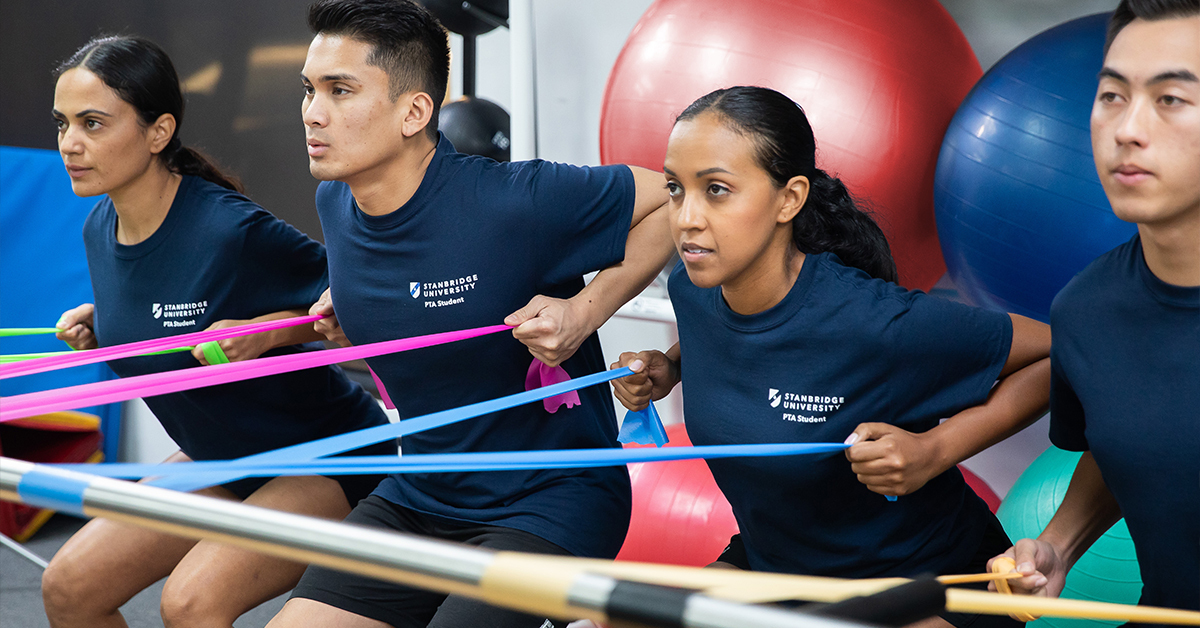
Which Rehabilitation Career Is Right for You?
Occupational therapy and physical therapy both provide opportunities to help people improve their health and independence.
If you’re interested in helping patients participate in everyday activities, occupational therapy may be a career worth exploring.
If you’re more interested in helping patients improve movement, mobility, balance, and physical function, physical therapy may better align with your interests.
Understanding the goals, responsibilities, and educational pathways of each profession can help you make a more informed decision as you begin exploring rehabilitation careers.
Frequently Asked Questions
Occupational therapy focuses on helping people participate in meaningful daily activities such as dressing, cooking, working, and attending school. Physical therapy focuses on improving movement, mobility, strength, balance, and physical function.¹ ²
Yes. Occupational therapists and physical therapists often collaborate as members of interdisciplinary healthcare teams. Although each profession has a different focus, they may work with the same patients to support recovery, rehabilitation, and long-term independence.¹ ²
Occupational therapists work with children and adults experiencing developmental disabilities, neurological conditions, injuries, surgeries, illnesses, or age-related changes. Their goal is to help patients participate more independently in everyday activities.¹
Physical therapists help patients improve movement, mobility, balance, strength, and physical function. They commonly work with individuals living with and recovering from injuries, surgeries, neurological conditions, orthopedic conditions, and other movement-related challenges.²
Neither profession is inherently better than the other; they simply focus on different aspects of patient care. Occupational therapy emphasizes participation in meaningful daily activities, while physical therapy focuses on improving movement and physical function. The right career depends on your interests, strengths, and long-term goals.
Occupational therapists evaluate patients, develop treatment plans, and oversee occupational therapy services. Occupational therapy assistants work under the supervision of occupational therapists to help implement treatment plans and support therapeutic activities.³
Physical Therapists evaluate patients, establish treatment plans, and oversee rehabilitation services. Physical therapist assistants work under the direction and supervision of licensed physical therapists to help implement treatment plans and guide patients through therapeutic exercises and rehabilitation activities.⁴
Students interested in rehabilitation careers can explore the Occupational Therapy Assistant and Physical Therapist Assistant programs offered by Stanbridge University.⁵ ⁶
Footnotes
¹ California Employment Development Department (EDD), Occupational Therapists Occupational Profile, https://labormarketinfo.edd.ca.gov/cgi/databrowsing/occExplorerQSDetails.asp?searchCriteria=occupational+therapist&careerID=&menuChoice=&geogArea=0601000000&soccode=291122&search=Explore+Occupation
² American Physical Therapy Association (APTA), Physical Therapy Overview, https://www.apta.org/
³ California Employment Development Department (EDD), Occupational Therapy Assistants Occupational Profile, https://labormarketinfo.edd.ca.gov/cgi/databrowsing/occExplorerQSDetails.asp?searchCriteria=occupational+therapy&careerID=&menuChoice=&geogArea=0601000000&soccode=312011&search=Explore+Occupation
⁴ California Employment Development Department (EDD), Physical Therapist Assistants Occupational Profile, https://labormarketinfo.edd.ca.gov/cgi/databrowsing/occExplorerQSDetails.asp?searchCriteria=physical+therapist+assistant&careerID=&menuChoice=&geogArea=0601000000&soccode=312021&search=Explore+Occupation
⁵ Stanbridge University Associate of Occupational Science – Occupational Therapy Assistant Program Information, https://www.stanbridge.edu/program/ota
⁶ Stanbridge University Associate of Science – Physical Therapist Assistant Program Information, https://www.stanbridge.edu/program/pta
⁷ Program duration is subject to change. Completion times vary depending on cohort scheduling and individual circumstances that may impact progression.