How to Compare PTA Programs in California
If you’re comparing Physical Therapist Assistant (PTA) programs in California, start with CAPTE accreditation, then look at NPTE pass rates, clinical education, curriculum, program length, schedule, costs, and student support. Because each program is structured differently, reviewing the same factors across your options can help you find a PTA program that aligns with your educational goals, learning preferences, and schedule.
What Should You Look for in a PTA Program?
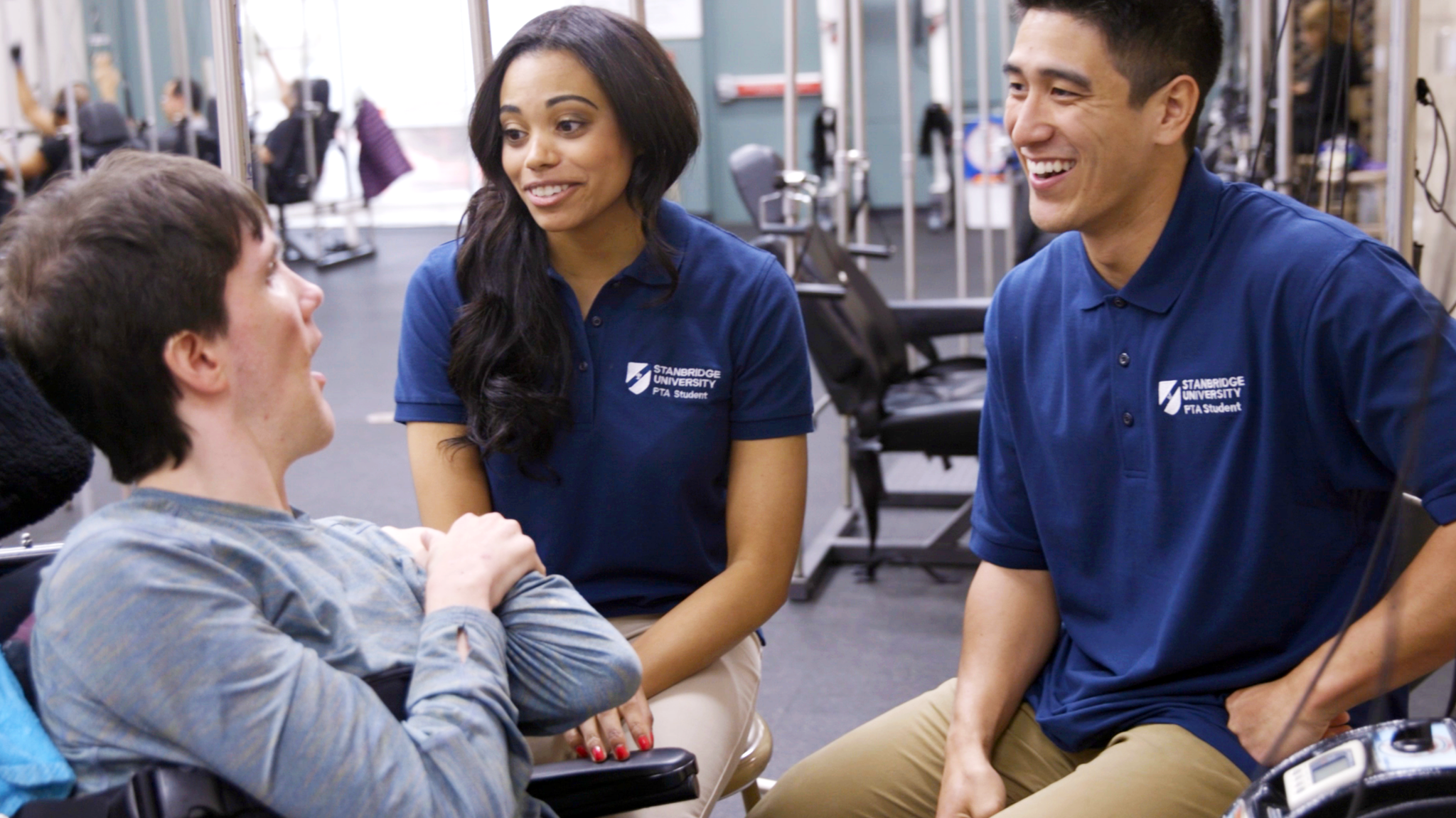
Choosing a PTA program involves more than finding a convenient campus. Physical therapist assistants work under the direction and supervision of licensed physical therapists, helping patients improve movement and function through treatment plans established by the physical therapist. To prepare you for that work, PTA education combines academic knowledge with hands-on laboratory instruction and supervised clinical education.
When comparing programs, consider:
- CAPTE accreditation
- NPTE pass rates
- Curriculum and laboratory learning
- Clinical education
- Program length and schedule
- Licensure preparation
- Student support
- Tuition and other educational costs
- Campus and clinical locations
Reviewing these factors together can give you a clearer picture of what your education may involve and how each program supports your goals and the pathway toward PTA licensure.
CAPTE Accreditation
Accreditation should be one of the first factors you verify. The Commission on Accreditation in Physical Therapy Education (CAPTE) accredits entry-level physical therapist and physical therapist assistant education programs in the United States. CAPTE maintains an official directory where you can search for currently accredited PTA programs.¹
Graduating from a CAPTE-accredited PTA program is an important part of the licensure pathway. In California, only graduates of CAPTE-accredited PTA programs may apply to the Physical Therapy Board of California for permission to complete the examinations required for licensure.² Because a PTA program is a significant educational investment, be sure to verify the accreditation status of each program you’re considering using CAPTE’s official program directory.
You should also distinguish between an accredited program and a developing program or one that holds Candidate for Accreditation status. CAPTE lists these categories separately.¹
NPTE Pass Rates
The National Physical Therapy Examination (NPTE) for physical therapist assistants is a key step toward licensure. When comparing PTA programs, published NPTE results can provide useful information about how graduates have performed on the examination. However, a percentage is more meaningful when you understand how it was calculated.
Look for answers to questions such as:
- Is the figure a first-time or ultimate pass rate?
- Is it an annual rate or a multi-year average?
- What year(s) does it cover?
- How many graduates took the exam?
- Does it represent one campus or several locations?
A first-time pass rate measures graduates who passed on their first attempt, while an ultimate pass rate includes all graduates who passed after one or more attempts. Because these numbers are typically different, you should make sure you’re comparing the same type of result across programs for the most helpful comparisons. At the same time, remember that NPTE pass rates should not be the only factor in your decision. These statistics can be useful indicators of a program’s success, but no program can guarantee that an individual graduate will pass the NPTE.
PTA Curriculum
PTA programs are designed to develop the knowledge and practical skills used in physical therapy settings. Depending on the curriculum, you may study anatomy, kinesiology, therapeutic exercise, patient mobility, neurological rehabilitation, orthopedic conditions, therapeutic modalities, documentation, communication, and professional practice.
However, course titles, topics, and sequences often vary by institution. When exploring a program’s curriculum, consider how it connects classroom concepts with laboratory practice and clinical education. For example, anatomy coursework may support later learning about movement, therapeutic exercise, and patient mobility. Additionally, look at how the curriculum progresses throughout the program. Understanding when laboratory courses and clinical experiences occur can help you see how the program builds skills over time.
Hands-on Learning
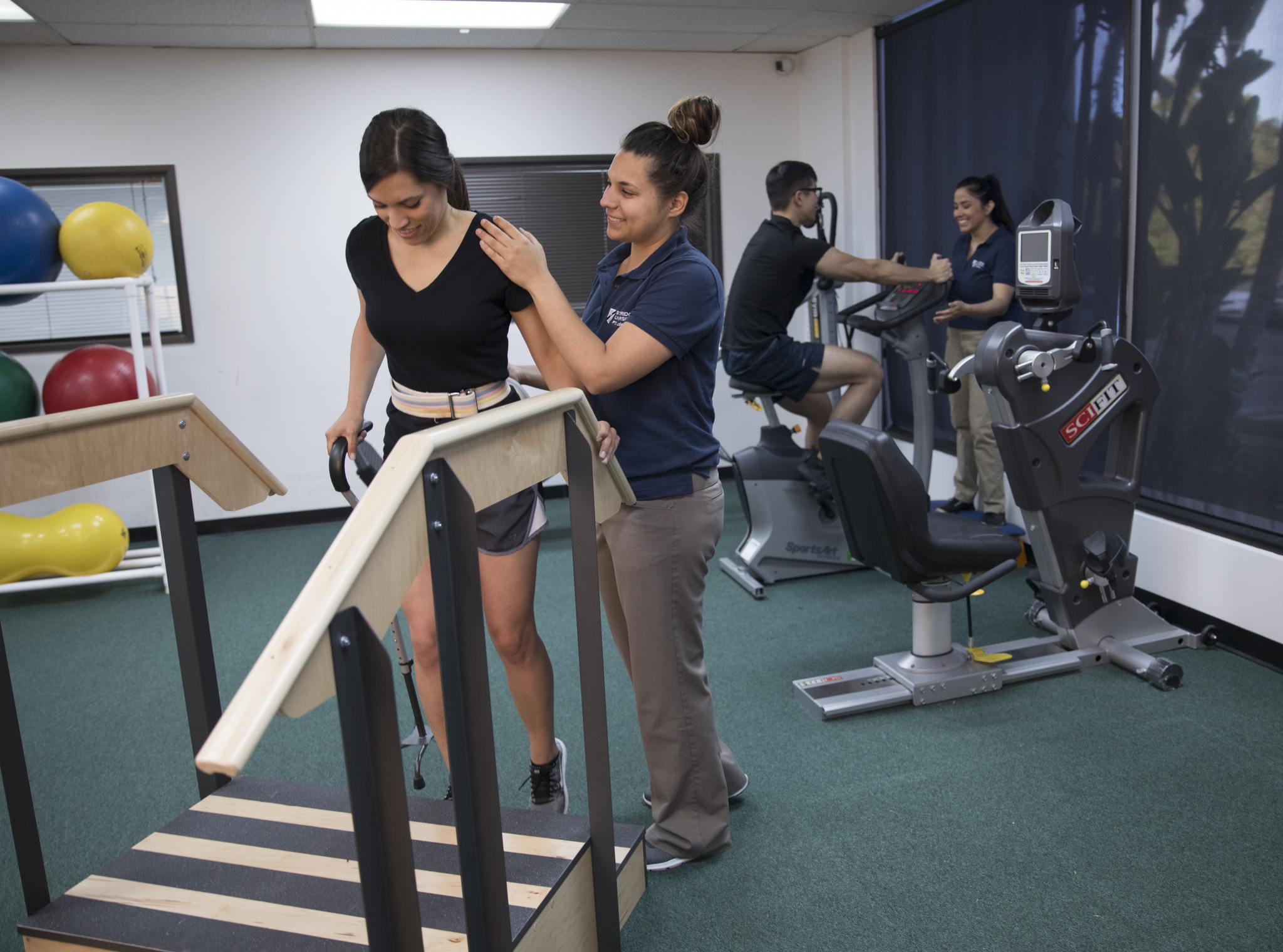
Physical therapy is a hands-on healthcare field, so laboratory education is an important part of PTA preparation. During laboratory courses, you may practice skills such as patient positioning, transfers, gait training, therapeutic exercise, mobility techniques, and the use of physical therapy equipment. Labs also give you opportunities to receive feedback before applying related skills during supervised clinical education.
When comparing PTA programs, consider asking:
- How often do students participate in laboratory courses?
- What types of equipment and learning resources are available?
- How does laboratory instruction connect with the curriculum?
- Are simulation or other educational technologies incorporated?
Educational technology, lab schedules, and the overall design of a program’s hands-on learning plan can all influence your educational decision.
Clinical Education
Clinical education allows you to apply classroom and laboratory learning with real patients in supervised physical therapy settings. Depending on your placements, you may gain experience in outpatient clinics, hospitals, rehabilitation centers, skilled nursing facilities, or other healthcare environments.
Because clinical placements are part of the academic program, it’s important to understand the scheduling expectations before enrolling. Ask where clinical sites may be located, how long rotations last, and whether you may need to travel outside the immediate area surrounding your campus. You should also ask whether clinical education may include early mornings, evenings, or other schedules that differ from your regular classroom hours.
Program Length and Schedule
PTA program length varies by institution, but remember that the total number of months is only part of the time commitment. Consider how often you’ll attend class, how much time you’ll spend in laboratories, and when clinical education occurs.
For example, a full-time program may require classes or labs several days each week in addition to study time outside class. Later terms may also involve clinical schedules that differ from your usual campus schedule.
It’s a good idea to ask questions such as:
- Is the program full-time or part-time?
- How many days per week are classes usually scheduled?
- Are any courses offered online or in a blended format?
- Does the published duration include holidays and breaks?
- How might clinical rotations affect the schedule?
Comparing the full schedule, rather than duration alone, can help you determine whether a program fits your personal responsibilities.
Student Support Services
PTA education often requires you to balance science coursework, hands-on skill training, clinical learning, and preparation for licensure examinations. For that reason, student support can be another useful comparison point. Depending on the school, resources may include academic advising, tutoring, faculty office hours, laboratory practice opportunities, mentoring, career services, and NPTE preparation.
However, simply having a resource available does not mean it will meet your needs. It can be helpful to find out when support is offered, how you can access it, and whether additional costs are involved. This can help you understand what support may be available as you progress through the program.
PTA Program Costs
When comparing PTA programs in California, the full picture often goes beyond the advertised tuition amount. Your educational costs may also include fees, textbooks, uniforms, equipment, transportation, background checks, health requirements, and expenses associated with clinical education or licensure.
Ask each school for its published program costs and required disclosures so you can compare similar expenses. You may also want to find out if you qualify for financial aid and payment options.
Most importantly, don’t assume that the least expensive or shortest program is automatically the best choice. Cost should be considered alongside accreditation, curriculum, clinical education, schedule, outcomes, and student support.
What is the Career Outlook for Physical Therapist Assistants in California?
California projects continued employment growth for physical therapist assistants. According to the California Employment Development Department (EDD), employment for physical therapist assistants in California is projected to increase 41.8% from 2022-2032, from approximately 7,900 positions to 11,200. The EDD Employment Projections lists physical therapist assistant as one of its projected fastest-growing occupations from 2024-2034.
In addition, the EDD reports a median hourly wage of $40.97 for physical therapist assistants in California, or approximately $85,200 annually. Actual wages vary based on employer, geographic location, experience, work setting, and other factors, but workforce data like median wages and projected growth can provide useful context as you consider physical therapy education and career pathways.³
Stanbridge University’s PTA Program
The Physical Therapist Assistant program at Stanbridge University is accredited by the Commission on Accreditation in Physical Therapy Education (CAPTE) at its Orange County and Los Angeles campuses.⁴
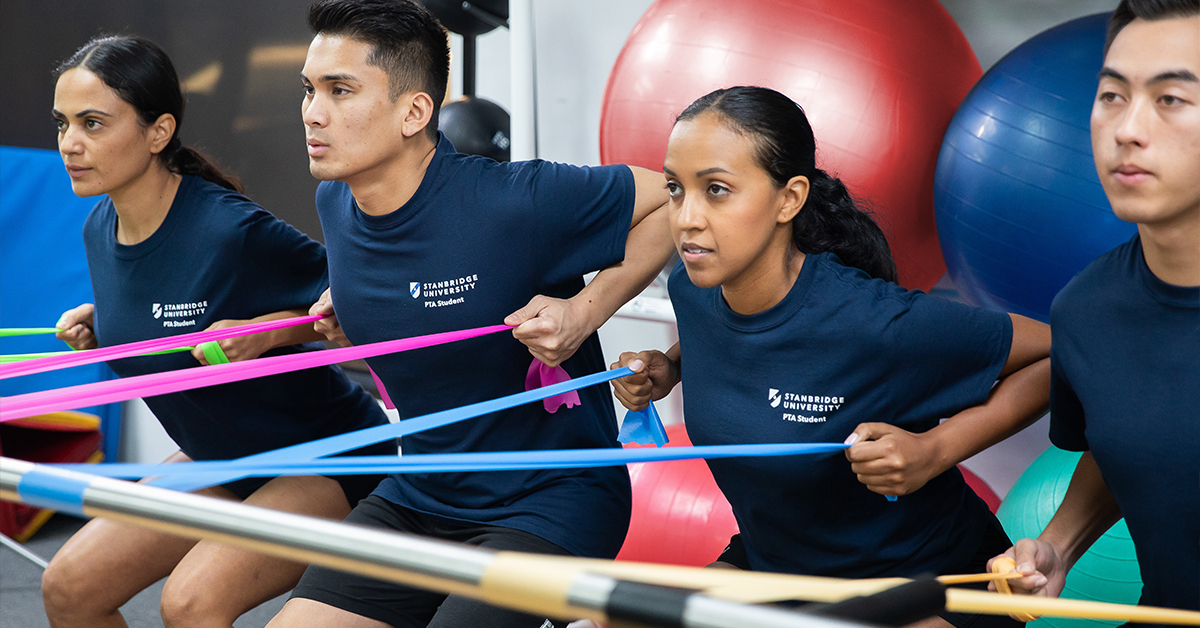
The Stanbridge PTA program combines classroom instruction, laboratory practice, and clinical education, with courses delivered through on-campus, online, and blended learning environments.⁴
The program is 122 quarter credit hours and is designed to be completed on a full-time schedule in approximately 20–21 months, including holidays and scheduled breaks. Completion time may vary depending on cohort dates and individual academic progression.⁴
Recent Stanbridge graduates achieved a 98% NPTE pass rate at the Orange County campus and a 100% NPTE pass rate at the Los Angeles campus (2023–2025).⁴ ⁵ Cumulative reviews, practice testing, and NPTE preparation are incorporated throughout the curriculum to prepare students for success in their licensure exams.⁴
How Can You Compare PTA Programs Side by Side?
Once you’ve narrowed down your options, compare the same information for every program. Be careful not to compare two pieces of information that sound the same but are actually different, like one school’s first-time pass rate against another school’s ultimate pass rate. Most importantly, use official sources whenever possible.
CAPTE’s directory can verify accreditation, while individual schools should provide current curriculum, schedule, cost, and outcome information. A consistent comparison can help you make a more informed decision without relying on one statistic or feature alone.
Ready to Compare Your PTA Program Options?
Choosing among PTA programs in California involves more than comparing campus locations or program length. CAPTE accreditation, NPTE outcomes, curriculum, laboratory learning, clinical education, schedule, costs, and student support can all help you understand how each program is structured. Start with CAPTE’s official directory, review each program’s published information, and ask detailed questions before making your decision.
If you’d like to learn more about Stanbridge University’s Associate of Science in Physical Therapist Assistant program, review the current PTA program information or contact Stanbridge University.
Frequently Asked Questions
Start by reviewing CAPTE accreditation, NPTE pass rates, curriculum, laboratory learning, clinical education, program length, schedule, costs, and student support. Comparing the same information across each program can help you make a more informed decision.
CAPTE accredits entry-level physical therapist assistant education programs to indicate that they meet certain educational standards and maintains an official directory of accredited programs. Graduating from a CAPTE-accredited PTA program is part of the pathway toward applying for PTA licensure in California.¹ ²
Check whether each figure is a first-time or ultimate pass rate, which reporting years it covers, and whether it represents one campus or multiple locations. Comparing the same type of NPTE data provides more useful context.
Clinical education gives you supervised opportunities to apply classroom and laboratory learning in physical therapy settings. In many ways, clinical education experiences are the part of your PTA program that most closely resembles working as a licensed PTA. When comparing programs, ask where clinical rotations may occur, how they’re scheduled, and what travel may be required.
Program length varies by institution and schedule. Stanbridge University’s Physical Therapist Assistant program is structured for completion in approximately 20–21 months on a full-time schedule, including holidays and scheduled breaks. Your completion time may vary based on cohort dates and individual academic progression.⁴
Yes. Stanbridge University’s Associate of Science in Physical Therapist Assistant program is accredited by the Commission on Accreditation in Physical Therapy Education (CAPTE).⁴
Stanbridge University graduates achieved a 98% NPTE for PTA licensure pass rate for 2023–2025 at the Orange County campus and a 100% three-year average at the Los Angeles campus. Individual outcomes vary.⁴ ⁵
Footnotes
¹ Commission on Accreditation in Physical Therapy Education (CAPTE) Directory of Programs https://www.capteonline.org/programs/accredited-physical-therapy-programs
² Stanbridge University Catalog, PTA General Information https://catalog.stanbridge.edu/programs/pta-program/pta-general-information/
³ California Employment Development Department, Physical Therapist Assistants Occupational Profile, California https://labormarketinfo.edd.ca.gov/cgi/databrowsing/occExplorerQSDetails.asp?searchCriteria=physical+therapist+assistant&careerID=&menuChoice=&geogArea=0601000000&soccode=312021&search=Explore+Occupation
⁴ Stanbridge University Associate of Science in Physical Therapist Assistant Program https://www.stanbridge.edu/program/pta
⁵ Stanbridge University Licensure and Certification Pass Rates https://www.stanbridge.edu/pass-rates