What Is Therapeutic Exercise in Physical Therapy, and How Do PTAs Use It?
Therapeutic exercise is the targeted use of movement and physical activity to address impairments, improve function, and support rehabilitation goals. Physical Therapist Assistants (PTAs) guide patients through therapeutic exercises established within a physical therapist’s plan of care, monitor how patients respond, make adjustments, reinforce appropriate technique, and communicate relevant findings to the supervising physical therapist.¹
What Is Therapeutic Exercise in Physical Therapy?
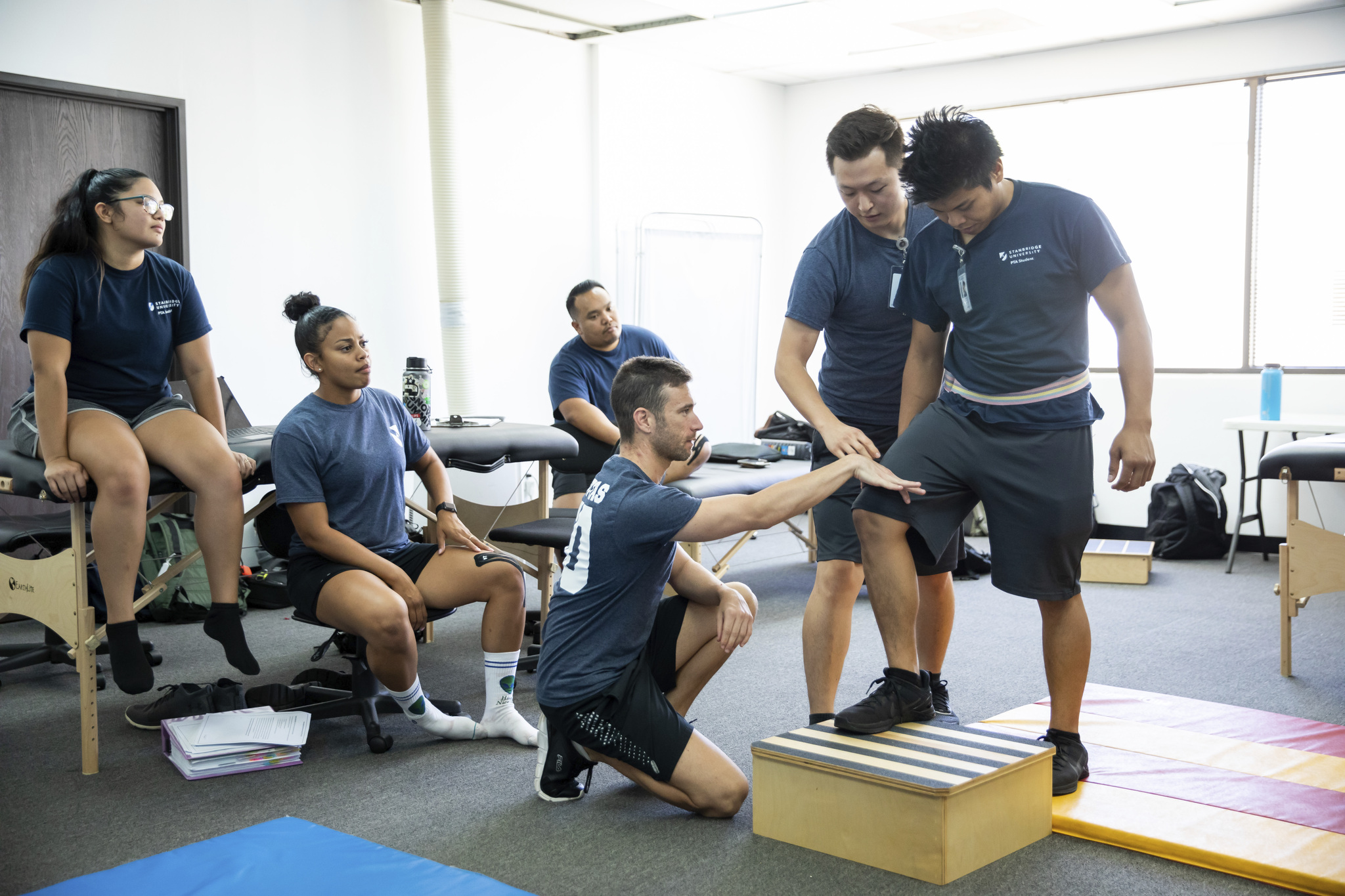
Therapeutic exercise uses purposeful movement to address a patient’s specific physical therapy needs. Unlike general exercise performed primarily for fitness, therapeutic exercise is designed to treat the patient’s condition, accounting for functional limitations, goals, and physical therapist’s plan of care.
Depending on the patient, therapeutic exercise may address:
- Strength
- Range of motion
- Flexibility
- Balance
- Coordination
- Endurance
- Posture
- Mobility
- Functional movement¹
For example, one patient may need exercises that improve knee strength after surgery, while another may work on balance and coordination following the onset of a neurological condition.
What Role Does a PTA Play in Therapeutic Exercise?
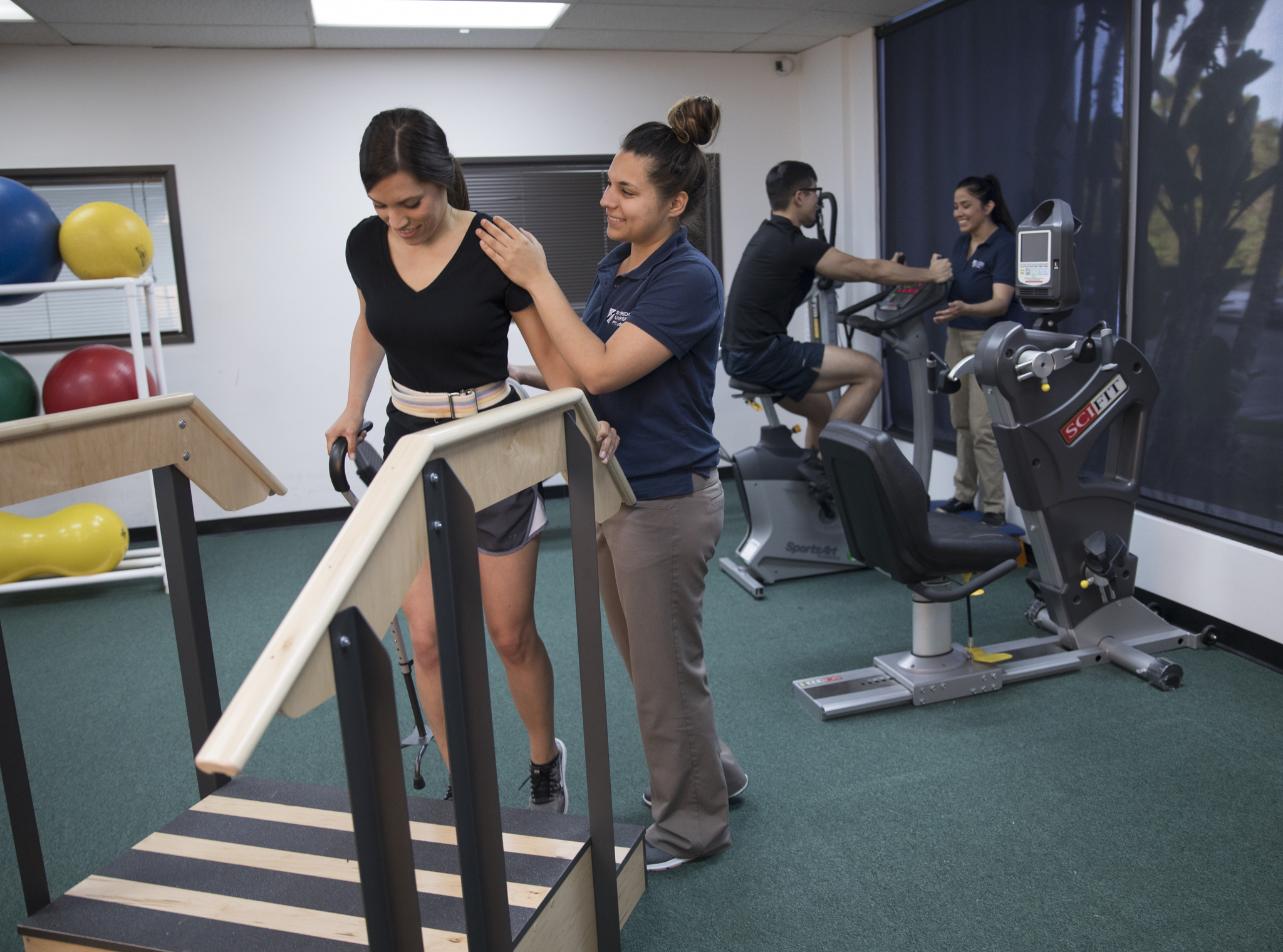
PTAs help implement therapeutic exercise interventions within the physical therapist’s established plan of care.¹ During treatment, a PTA may:
- Guide patients through prescribed exercises
- Demonstrate and reinforce appropriate technique
- Monitor movement and performance
- Observe patient responses
- Provide appropriate instruction and feedback
- Progress or modify interventions as permitted within the plan of care and applicable requirements
- Document treatment
- Communicate relevant changes to the physical therapist¹
The physical therapist performs the evaluation and establishes the plan of care. The PTA then works within that plan while monitoring how the patient responds. This collaboration is an important part of the PT/PTA relationship.
What Types of Therapeutic Exercise Might a PTA Use?
Therapeutic exercise varies according to the patient and rehabilitation goal.
| Type of Exercise | What It May Address |
| Strengthening | Muscle strength and functional movement |
| Range of Motion | Joint movement and mobility |
| Flexibility | Muscle or soft-tissue mobility |
| Balance | Stability and postural control |
| Coordination | Controlled and efficient movement |
| Endurance | Tolerance for sustained activity |
| Functional Exercise | Movement needed for everyday activities |
These categories often overlap. For example, standing from a chair may involve lower-extremity strength, balance, coordination, and functional mobility at the same time.
The goal is not simply to complete a certain number of repetitions. Therapeutic exercise is connected to a patient’s broader rehabilitation goals.
How Do PTAs Know Whether an Exercise Is Working?
PTAs observe and monitor how patients respond during treatment.
Depending on the intervention, they may consider factors such as:
- Movement quality
- Range of motion
- Strength
- Balance
- Endurance
- Pain or discomfort
- Fatigue
- Ability to complete the activity
- Progress toward functional goals¹
For example, a patient may tolerate more repetitions than during an earlier session or demonstrate better control during a balance activity.
A PTA documents relevant findings and communicates changes in the patient’s status or response to the supervising physical therapist. That makes observation an important part of therapeutic exercise, not just instruction.
How Does Therapeutic Exercise Connect With Everyday Movement?
Therapeutic exercise often helps patients work toward functional activities they want or need to perform.
A strengthening exercise, for example, may support the ability to rise from a chair. Balance exercises may contribute to safer walking. Range-of-motion activities may help a patient reach, dress, or complete other everyday movements.
This relationship can be summarized as:
Impairment → Therapeutic Exercise → Functional Goal
The exercise itself is not necessarily the final goal. Instead, it can be one part of helping the patient improve movement and function.
That is why therapeutic exercise frequently connects with other physical therapy interventions, including gait training, balance training, mobility activities, and patient education.
How Do PTA Students Learn Therapeutic Exercise?
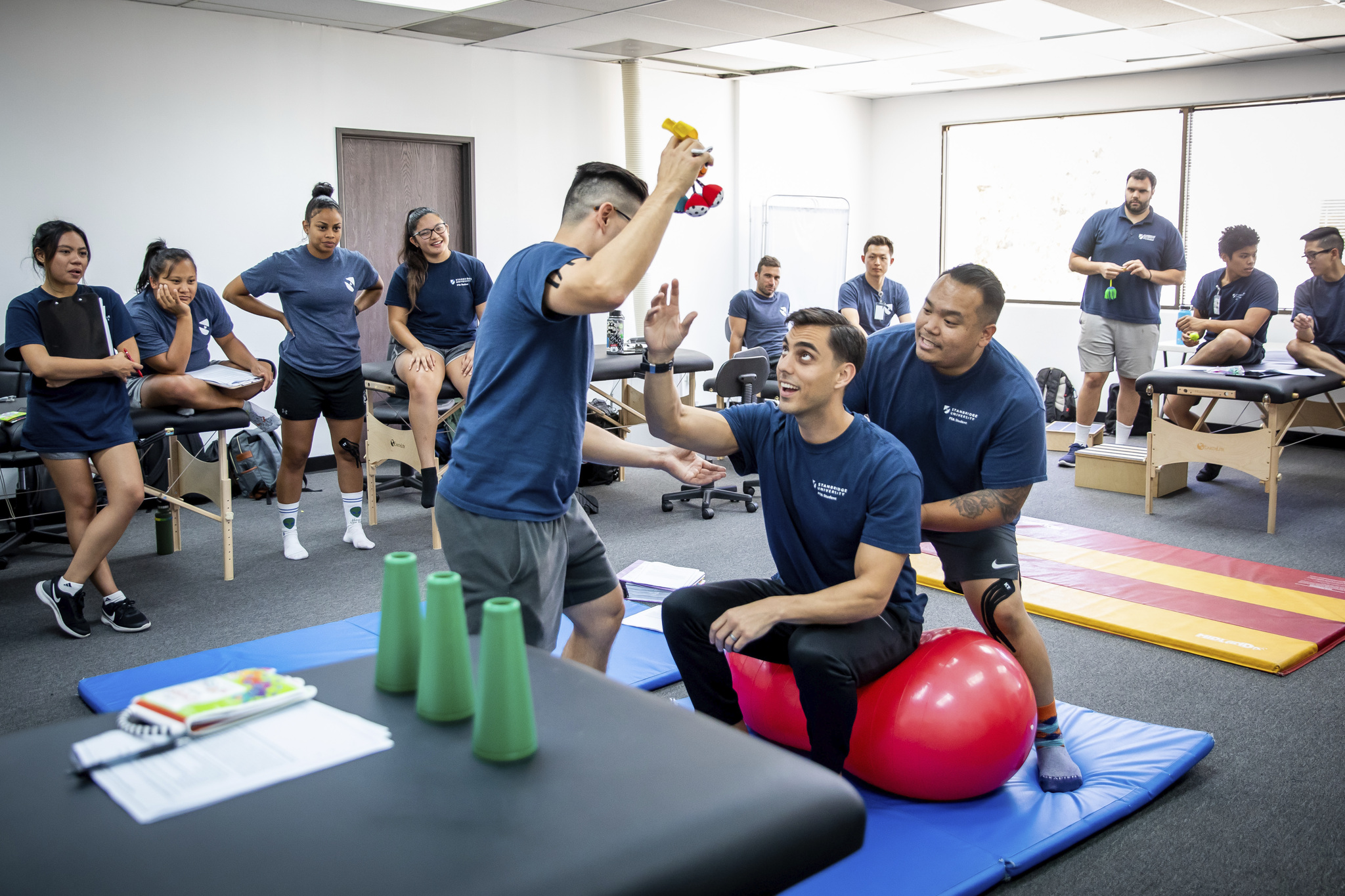
PTA students learn how movement, anatomy, kinesiology, patient assessment, and therapeutic interventions connect before applying appropriate skills during supervised clinical education.
Stanbridge University’s Associate of Science in Physical Therapist Assistant curriculum includes Therapeutic Exercise, along with Applied Kinesiology, Therapeutic Measurement and Testing, Neurologic Interventions, Orthopedic Interventions, and PTA laboratory courses.²
Through these learning experiences, students study concepts such as exercise principles, movement, patient response, and appropriate progression within the PTA role.
Laboratory instruction gives students opportunities to practice skills in a structured environment. Supervised clinical education then allows students to apply appropriate knowledge in physical therapy settings.³
Stanbridge University’s PTA program is accredited by the Commission on Accreditation in Physical Therapy Education (CAPTE) at the Orange County and Los Angeles campuses.³ The full-time program is structured for completion in approximately 20–21 months, including holidays and scheduled term breaks.³
Why Is Therapeutic Exercise Important for Future PTAs?
Therapeutic exercise is one of the ways PTAs help translate a physical therapist’s plan of care into hands-on rehabilitation.
Future PTAs need to understand more than how an exercise is performed. They also need to understand:
- What the exercise is intended to address
- How to instruct the patient appropriately
- What to observe during treatment
- How the patient is responding
- When relevant findings should be communicated to the physical therapist
These skills connect therapeutic exercise with broader PTA competencies in movement, clinical observation, patient education, safety, documentation, and communication.
For students interested in learning how these concepts come together in PTA education, explore Stanbridge University’s Physical Therapist Assistant program.
Frequently Asked Questions
No. General exercise may focus on overall health or fitness, while therapeutic exercise is selected to address specific impairments, functional limitations, and rehabilitation goals within a physical therapy plan of care.
PTAs work within the physical therapist’s established plan of care. They may progress or modify interventions when permitted by the plan of care, applicable supervision requirements, and scope of practice, while communicating relevant changes in patient status to the physical therapist.¹
Therapeutic exercise may address strength, range of motion, balance, coordination, endurance, and other movement needs. Gait training focuses more specifically on walking and functional mobility. The two may be used together as part of a rehabilitation plan.
Patient education can be part of physical therapy. A PTA may reinforce exercise instructions and appropriate technique within the physical therapist’s established plan of care.¹
Yes. Stanbridge University’s PTA curriculum includes dedicated Therapeutic Exercise coursework along with kinesiology, measurement and testing, neurological and orthopedic interventions, laboratory learning, and supervised clinical education.² ³
Footnotes
¹ Federation of State Boards of Physical Therapy, NPTE Content and PTA Examination Content Areas https://www.fsbpt.org/Free-Resources/NPTE-Development/NPTE-Content
² Stanbridge University Catalog, Physical Therapist Assistant Program Overview https://catalog.stanbridge.edu/programs/pta-program/pta-program-overview/
³ Stanbridge University, Associate of Science in Physical Therapist Assistant https://www.stanbridge.edu/program/pta