What Types of Patients Do Physical Therapist Assistants Work With?
Physical therapist assistants (PTAs) can work with patients across the lifespan, from children developing movement skills to older adults recovering from surgery, injury, or changes in mobility. Depending on the setting, PTAs may help people with orthopedic injuries, neurological conditions, sports injuries, chronic health conditions, or age-related mobility challenges. PTAs work under the direction and supervision of licensed physical therapists and carry out treatment interventions within the physical therapist’s established plan of care.¹

Patients of All Ages
Physical therapy can support people at many stages of life. The Federation of State Boards of Physical Therapy (FSBPT) identifies entry-level PTA knowledge across multiple body systems, including musculoskeletal, neuromuscular, cardiovascular and pulmonary, and integumentary systems.² That broad preparation reflects the variety of patients PTAs may encounter in practice.
For example, one patient may be recovering from knee surgery, while another is relearning how to walk after a stroke. A child may need support with movement and mobility, while an older adult may be working on balance after a fall. The treatment approach changes based on the patient’s diagnosis, goals, functional abilities, and plan of care.
Orthopedic Patients
Orthopedic rehabilitation is one of the most common areas of physical therapy. PTAs may work with patients recovering from conditions such as:
- Sprains and strains
- Fractures
- Joint replacement surgery
- Back or neck injuries
- Shoulder or knee injuries
- Arthritis
- Other musculoskeletal conditions
Treatment may include therapeutic exercise, stretching, strengthening, gait training, balance activities, and other interventions established by the supervising physical therapist.
For example, a patient recovering from knee replacement surgery may work with a PTA on strengthening the lower extremity, walking safely with an assistive device, and gradually improving mobility. Because the musculoskeletal system represents a major area of entry-level PTA practice, it also receives substantial emphasis in the NPTE-PTA content outline.²
Neurological Patients
PTAs also work with patients whose movement has been affected by neurological conditions. These may include people recovering from or living with:
- Stroke
- Traumatic brain injury
- Spinal cord injury
- Multiple sclerosis
- Parkinson’s disease
- Cerebral palsy
- Other neurological conditions
Neurological rehabilitation may focus on balance, coordination, strength, gait, transfers, endurance, and functional mobility.
A patient recovering from a stroke, for example, may need help practicing transfers from a bed to a chair, walking with an assistive device, or improving balance during movement.
FSBPT’s current NPTE-PTA content outline includes extensive coverage of the neuromuscular and nervous systems, reflecting their importance in entry-level PTA practice.²
Geriatric Patients
Geriatric patients are a large patient population in physical therapy. Aging can be associated with changes in strength, balance, endurance, mobility, and recovery from illness or injury. Older adults may also require rehabilitation after falls, fractures, joint replacement, stroke, or hospitalization.
PTAs may help older patients work toward goals such as:
- Walking more safely
- Improving balance
- Increasing strength
- Using a walker or cane
- Recovering after surgery
- Maintaining mobility
- Reducing fall risk
According to the U.S. Bureau of Labor Statistics, demand for physical therapy is expected to increase partly because older adults are more likely to experience strokes, mobility-related disabilities, and injuries that may require rehabilitation.³ PTAs who enjoy working with older patients may find opportunities in skilled nursing facilities, hospitals, home healthcare, outpatient clinics, and other rehabilitation settings.
Pediatric Patients
Physical therapy also serves infants, children, and adolescents. Pediatric patients may receive physical therapy for developmental, neurological, orthopedic, or other conditions that affect movement and mobility.
Depending on the child and treatment plan, a PTA may assist with activities designed to improve:
- Balance
- Strength
- Coordination
- Walking
- Gross motor skills
- Functional mobility
Pediatric physical therapy often incorporates activities that are appropriate for the child’s developmental level while still addressing specific therapeutic goals. PTAs working with children may practice in outpatient pediatric clinics, rehabilitation facilities, schools, hospitals, or other settings depending on state requirements and employer structure.
Athletes
Athletes may receive physical therapy after acute injuries, surgery, or overuse conditions.
Common examples include:
- Ankle sprains
- Knee injuries
- Shoulder injuries
- Muscle strains
- Tendon injuries
- Post-surgical rehabilitation
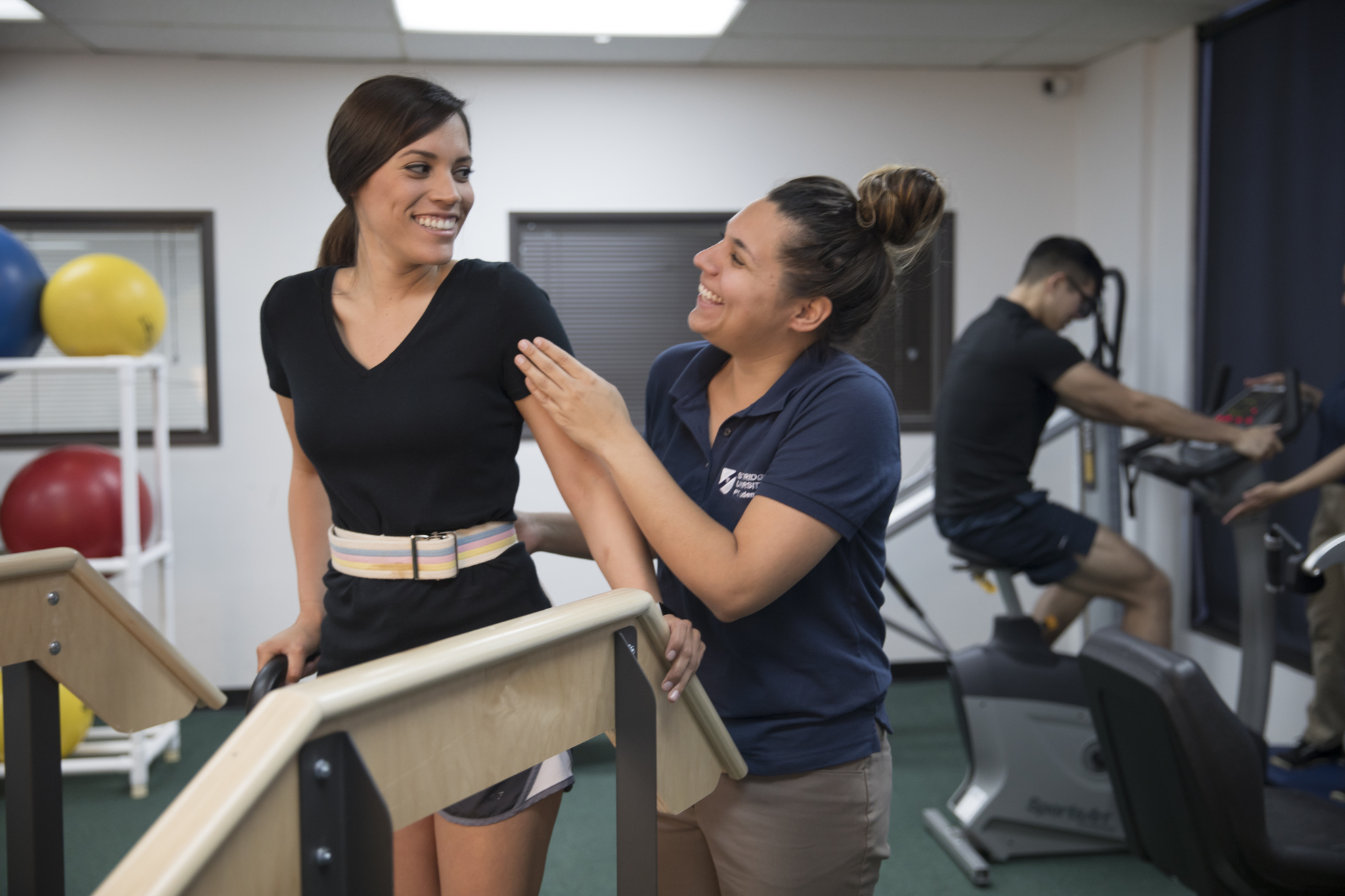
A PTA may guide therapeutic exercises, strengthening, flexibility activities, balance training, and functional movement under the physical therapist’s plan of care. The goal is not simply returning the patient to a sport as quickly as possible. Rehabilitation progresses based on the patient’s condition, functional goals, and response to treatment.
Stanbridge University, for example, describes PTA practice as potentially involving patients ranging from individuals recovering after stroke to injured athletes working toward a return to activity.⁴
Patients Recovering from Surgery
Post-surgical rehabilitation is another common area of physical therapy. Patients may receive physical therapy after procedures such as:
- Joint replacement
- Orthopedic repair
- Spinal surgery
- Other surgeries that affect mobility or physical function
Treatment can help patients regain strength, movement, endurance, balance, and independence as appropriate to their recovery.
PTAs may also teach patients how to use walkers, crutches, canes, or other equipment safely.
According to the Bureau of Labor Statistics, PTAs commonly help patients complete exercises, use assistive devices, and participate in gait and balance training as part of a physical therapist’s plan of care.³
Patients With Chronic Conditions
Physical therapy is not limited to short-term injury recovery. Patients with chronic health conditions may receive physical therapy to maintain or improve mobility, endurance, strength, and function.
These conditions can include:
- Arthritis
- Diabetes-related mobility challenges
- Chronic musculoskeletal conditions
- Neurological disorders
- Cardiopulmonary conditions
The appropriate intervention depends on the patient and the physical therapist’s treatment plan. FSBPT’s entry-level PTA examination content includes cardiovascular, pulmonary, metabolic, endocrine, musculoskeletal, and neurological systems, illustrating the range of health conditions PTAs may need to understand.²
PTA Patient Care Settings
Patient populations often vary by work setting. According to California EDD, industries employing physical therapist assistants include offices of other health practitioners, general medical and surgical hospitals, skilled nursing facilities, physician offices, and home healthcare services.¹
| Setting | Patients You May Encounter |
| Outpatient clinics | Orthopedic injuries, sports injuries, post-surgical patients |
| Hospitals | Patients recovering from surgery, illness, or neurological conditions |
| Skilled nursing facilities | Older adults, patients recovering from hospitalization, chronic conditions |
| Home healthcare | Patients with mobility limitations who receive care at home |
| Pediatric settings | Children with developmental, neurological, or orthopedic needs |
| Rehabilitation facilities | Neurological, orthopedic, and medically complex patients |
The exact mix depends on the employer and community.
Can PTAs Choose a Specialty?
PTAs are generally educated as entry-level generalists rather than graduating with a formal specialty. Over time, however, many develop significant experience working with certain populations or conditions.
For example, a PTA may spend much of a career working in:
- Orthopedics
- Neurological rehabilitation
- Pediatrics
- Geriatrics
- Sports rehabilitation
- Inpatient rehabilitation
That experience can shape professional expertise, but PTAs continue to work within the direction and supervision of licensed physical therapists.
If you already know that a particular patient population interests you, clinical education can help you better understand how that area of practice actually works.
What Skills Help PTAs Work With Different Patient Populations?
Working with diverse patients requires more than knowing therapeutic exercises. PTAs also need communication, observation, adaptability, and interpersonal skills. A treatment approach that works well with an athlete may need to be modified significantly for an older adult recovering from a stroke or a child learning a new motor skill. PTAs must also observe patients before, during, and after treatment and report relevant changes to the supervising physical therapist.³
As a result, effective PTA practice involves both technical skill and the ability to adapt communication and treatment delivery to the individual patient.
What Is the Career Outlook for PTAs in California?
California projects strong employment growth for physical therapist assistants. According to the California Employment Development Department, PTA employment is projected to increase from approximately 7,900 positions in 2022 to 11,200 in 2032, representing 41.8% projected growth. EDD projects approximately 16,210 total job openings during that period.¹ California EDD also reports a median hourly wage of $39.46 for PTAs in its available statewide wage data.¹
Actual employment and earnings vary based on location, employer, experience, schedule, work setting, and other factors. Workforce projections and wage data do not guarantee individual outcomes.
Stanbridge University’s PTA Program
Stanbridge University’s Associate of Science in Physical Therapist Assistant program prepares students as entry-level generalist PTAs who can work under the direction and supervision of licensed physical therapists across a variety of care settings and patient populations.⁴
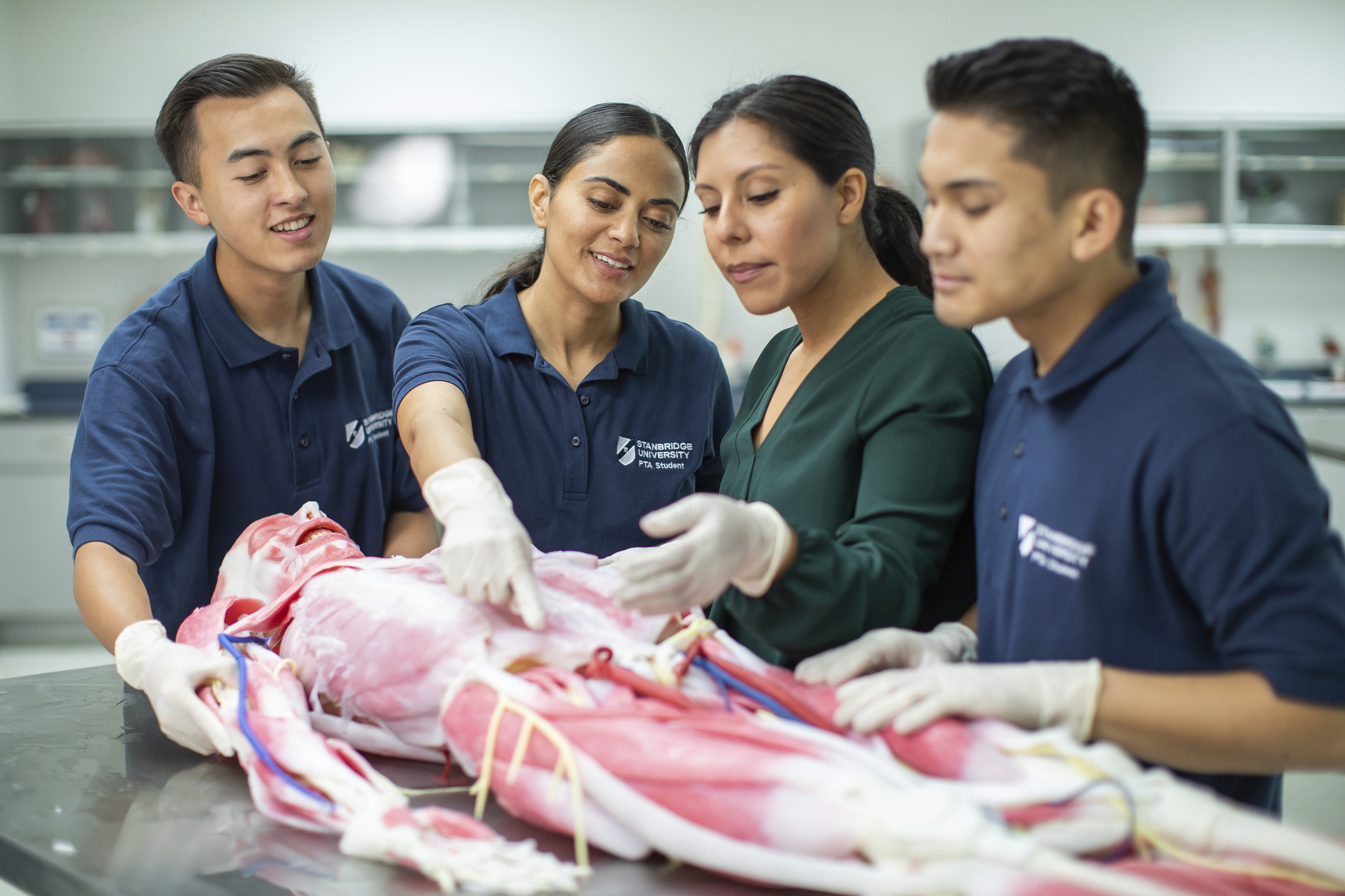
The curriculum combines classroom instruction, laboratory practice, and supervised clinical education. Program learning outcomes include working with diagnoses and interventions across the lifespan while developing communication, clinical reasoning, evidence-based practice, and patient-centered care skills.⁴
The PTA program is accredited by the Commission on Accreditation in Physical Therapy Education (CAPTE) at the Orange County and Los Angeles campuses.⁴ The full-time program is structured for completion in approximately 20–21 months, depending on cohort dates and individual academic progression.⁴
Is a PTA Career Right for You?
If you are considering becoming a PTA, think about whether you enjoy helping people work toward physical goals over time. One patient may be trying to walk again after a stroke. Another may be rebuilding strength after knee surgery. A child may be developing movement skills, while an older adult may be working toward greater balance and independence.
That variety is one of the defining features of physical therapist assistant practice. Rather than choosing a career based on one type of patient, consider whether you are interested in movement, rehabilitation, hands-on patient care, and adapting treatment to people with different needs.
If you would like to learn more, explore Stanbridge University’s Physical Therapist Assistant program or contact Stanbridge University.
Frequently Asked Questions
Physical Therapist Assistants work with patients of all ages. Depending on the setting, they may help people recovering from orthopedic injuries, neurological conditions, surgery, sports injuries, chronic conditions, or age-related mobility challenges.¹ ²
Yes. PTAs may work with patients recovering from stroke and help carry out interventions involving balance, gait, transfers, strength, and functional mobility under a physical therapist’s plan of care.
Yes. PTAs can work with pediatric patients who have developmental, neurological, or orthopedic conditions affecting movement and mobility.
Yes. PTAs may assist athletes recovering from musculoskeletal injuries or surgery through exercises, strengthening, balance activities, and functional rehabilitation established by a physical therapist.
Yes. PTAs commonly work with older adults experiencing mobility changes, falls, joint replacements, stroke, chronic conditions, or recovery after hospitalization.
PTAs are educated as generalists, but many develop extensive experience in areas such as orthopedics, pediatrics, neurological rehabilitation, geriatrics, or sports rehabilitation depending on their workplace and clinical experience.
Footnotes
¹ California Employment Development Department, Physical Therapist Assistants Occupational Profile https://labormarketinfo.edd.ca.gov/cgi/databrowsing/occExplorerQSDetails.asp?searchCriteria=physical+therapist+assistant&careerID=&menuChoice=&geogArea=0601000000&soccode=312021&search=Explore+Occupation
² Federation of State Boards of Physical Therapy, NPTE-PTA Test Content Outline https://www.fsbpt.org/Portals/0/documents/free-resources/2024-PTA-Test-Content-Outline-Bullets.pdf
³ U.S. Bureau of Labor Statistics, Physical Therapist Assistants and Aides
https://www.bls.gov/ooh/healthcare/physical-therapist-assistants-and-aides.htm
⁴ Stanbridge University, Associate of Science in Physical Therapist Assistant Program https://www.stanbridge.edu/program/pta
⁵ Stanbridge University Catalog, Physical Therapist Assistant General Information https://catalog.stanbridge.edu/programs/pta-program/pta-general-information/