What Is Rehabilitation Therapy?
Basic Overview
Rehabilitation therapy helps people improve function, mobility, independence, and quality of life after illness, injury, surgery, or other health conditions. Occupational therapy and physical therapy are two common rehabilitation professions, each with a different focus but a shared goal of helping patients achieve meaningful recovery and participation in everyday life.
Understanding Rehabilitation Therapy
Healthcare includes many professions that help people recover from injuries, illnesses, surgeries, and changes in physical or cognitive function. One area of healthcare that you may be less familiar with is rehabilitation therapy.
Rather than focusing primarily on diagnosing illnesses or performing medical procedures, rehabilitation professionals help people improve function, increase independence, and participate more fully in everyday life.
Understanding rehabilitation therapy can help you determine whether a rehabilitation-focused healthcare career aligns with your interests.
What Is Rehabilitation Therapy?
Rehabilitation therapy is a broad area of healthcare that helps individuals improve, restore, or maintain physical, cognitive, or functional abilities following illness, injury, surgery, or other health conditions.¹
Rehabilitation professionals work with patients to develop individualized treatment plans that support recovery and long-term participation in meaningful activities.
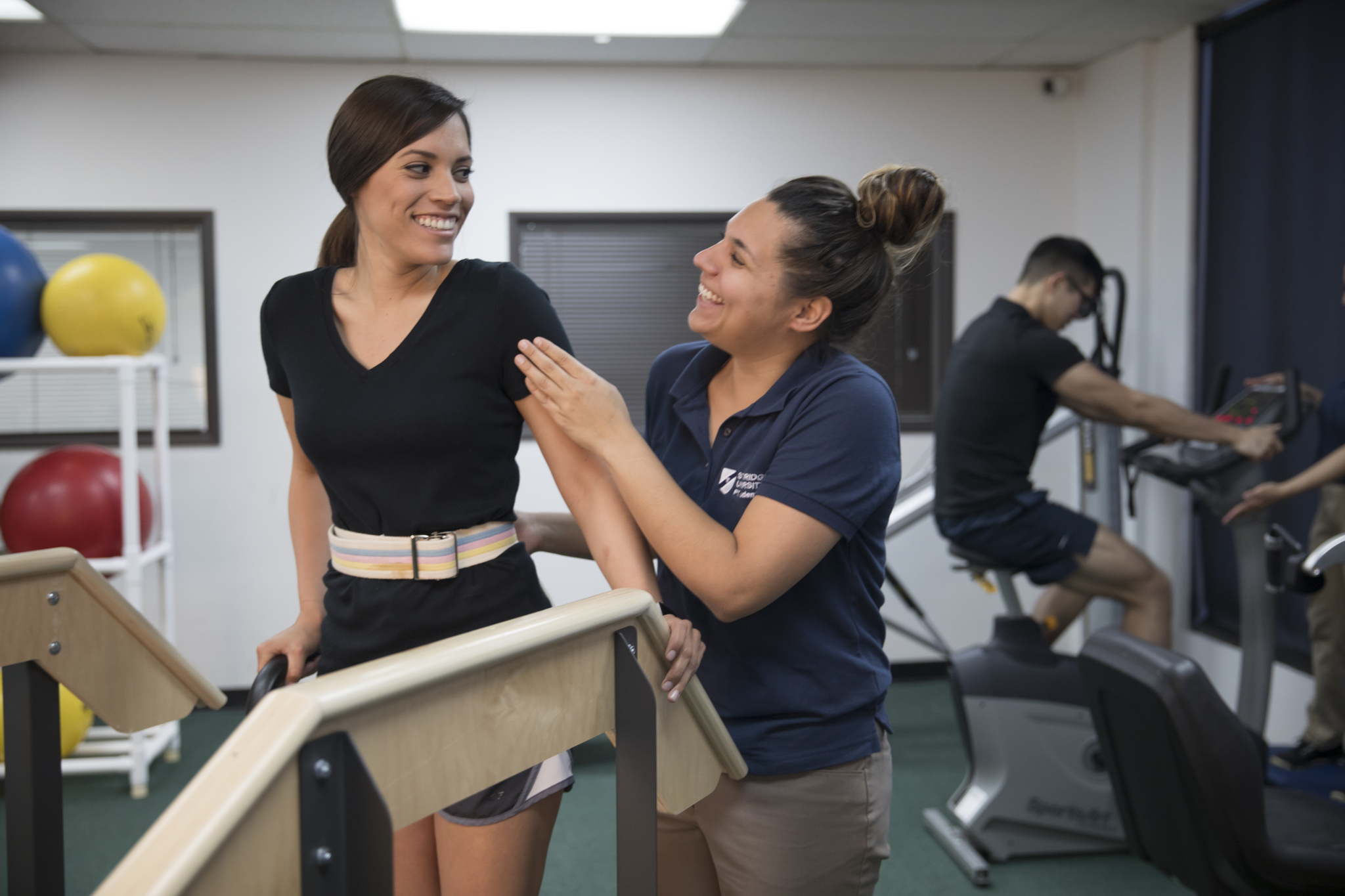
Depending on the profession and patient population, rehabilitation therapy may focus on improving mobility, restoring movement, building strength, increasing independence, developing daily living skills, and supporting participation in activities at home, school, work, or in the community.
Because every patient has unique goals, rehabilitation therapy is individualized to each person’s needs.
Who Benefits from Rehabilitation Therapy?
Rehabilitation therapy serves people of any age. Patients may include infants and children, adolescents, adults, and the elderly.
Rehabilitation professionals commonly work with individuals living with or recovering from:
- Orthopedic injuries
- Neurological conditions
- Stroke
- Surgery
- Developmental disabilities
- Chronic medical conditions
- Age-related changes
Treatment goals vary depending on the patient’s condition, lifestyle, and personal objectives.
What Is Occupational Therapy?
Occupational therapy is a type of rehabilitation therapy that helps people participate more independently in the activities that are meaningful to their daily lives.¹
OTs evaluate patients and develop individualized treatment plans that may help improve:
- Dressing and personal grooming
- Meal preparation
- School participation
- Workplace tasks
- Fine motor coordination
- Daily living activities
- Adaptive equipment use
Occupational therapy focuses on helping patients participate as fully as possible in everyday occupations, regardless of physical, cognitive, or developmental challenges.
What Is Physical Therapy?
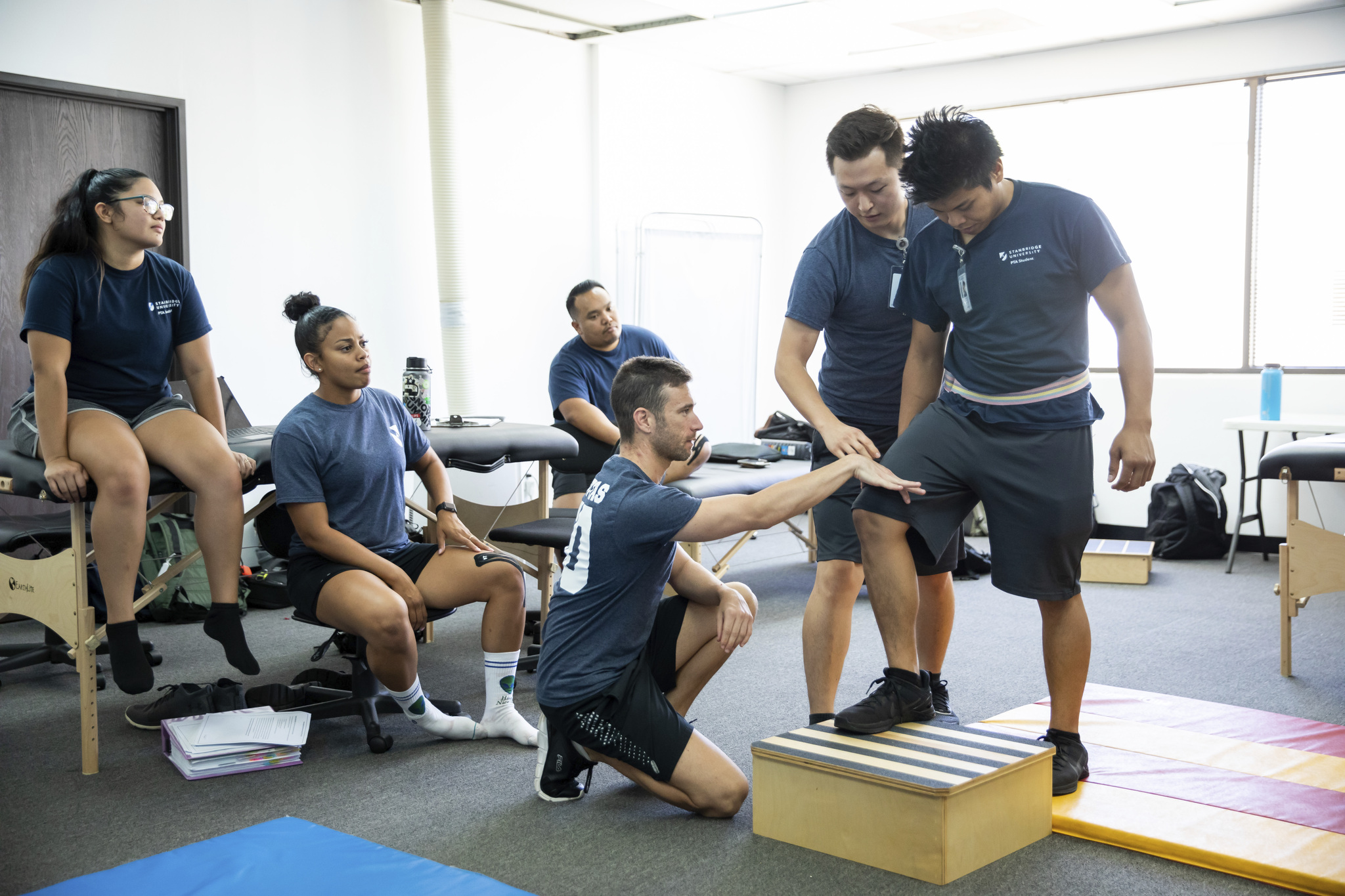
Physical therapy, another type of rehabilitation therapy, focuses on improving movement, mobility, strength, balance, and physical function.²
PTs evaluate patients and develop treatment plans designed to help individuals:
- Improve mobility
- Restore movement
- Increase strength
- Improve balance
- Reduce pain
- Recover following injury or surgery
Physical therapy emphasizes movement and physical function while helping patients return to activities safely.

How Do Occupational Therapy and Physical Therapy Work Together?
Although Occupational Therapists and Physical Therapists have different areas of focus, they often work with the same patients as part of interdisciplinary healthcare teams.
For example, a patient recovering from surgery may work with a Physical Therapist to improve walking and balance while also working with an Occupational Therapist to regain independence with dressing, cooking, or returning to work.
Because these professions complement one another, collaboration is common in rehabilitation settings.
What Are Occupational Therapy Assistants and Physical Therapist Assistants?
Students exploring rehabilitation careers may also consider Occupational Therapy Assistant (OTA) and Physical Therapist Assistant (PTA) pathways.
Occupational Therapy Assistant
Occupational Therapy Assistants work under the supervision of Occupational Therapists to help implement treatment plans and support therapeutic activities.¹
Examples may include helping patients:
- Practice daily living skills
- Improve fine motor coordination
- Use adaptive equipment
- Participate in therapeutic activities
Physical Therapist Assistant
Physical Therapist Assistants work under the direction and supervision of licensed Physical Therapists to help patients improve movement and physical function.²
Examples may include helping patients:
- Perform therapeutic exercises
- Improve balance
- Increase strength
- Practice walking and mobility activities
Where Do Rehabilitation Professionals Work?
Rehabilitation professionals practice in a variety of healthcare settings, including hospitals, rehabilitation facilities, outpatient clinics, schools, skilled nursing facilities, patient homes, and community health organizations.
The work environment often plays a role in determining what type of patients the professional usually works with, as well as their daily responsibilities and treatment approaches.
What Skills Are Important for Rehabilitation Careers?
Rehabilitation professionals often rely on a combination of healthcare knowledge and interpersonal skills.
Important skills include:
- Communication
- Critical thinking
- Clinical reasoning
- Compassion
- Observation
- Collaboration
- Adaptability
- Problem-solving
Because rehabilitation focuses on individualized care, professionals continually adjust interventions based on each patient’s progress and goals.
Rehabilitation Education at Stanbridge University
If a rehabilitation career sounds appealing to you, you can explore multiple educational pathways at Stanbridge University.
Master of Science in Occupational Therapy
Students interested in becoming Occupational Therapists can explore the Master of Science in Occupational Therapy program.⁴
The program is accredited by ACOTE and consists of 117 quarter credit hours designed to be completed in approximately 26–27 months, depending on cohort scheduling and individual progression.⁶
Recent graduates achieved a 94% NBCOT certification pass rate (2022–2025).⁴
Associate of Occupational Science – Occupational Therapy Assistant
The Occupational Therapy Assistant program prepares students to work with patients through classroom instruction, laboratory experiences, and supervised fieldwork education.³
The program is accredited by the Accreditation Council for Occupational Therapy Education (ACOTE) of the American Occupational Therapy Association.³
The program consists of 112.5 quarter credit hours and is designed to be completed in approximately 22–23 months, depending on cohort scheduling and individual progression.⁶
Recent graduates achieved a 78% NBCOT-COTA certification pass rate (2022–2025).³
Associate of Science – Physical Therapist Assistant
The Physical Therapist Assistant program prepares students to rehabilitate patients through classroom instruction, laboratory education, simulation-based learning, and supervised clinical education.⁵
The program is accredited by the Commission on Accreditation in Physical Therapy Education (CAPTE).⁵
The curriculum consists of 122 quarter credit hours and is designed to be completed in approximately 20–21 months, depending on cohort scheduling and individual progression.⁶
Recent graduates achieved a 98% NPTE licensure pass rate (2023–2025) at the Orange County campus.⁵
If you are interested in these pathways, you can review admissions requirements, accreditation information, curriculum details, and educational resources through Stanbridge University’s official program pages.
Is Rehabilitation Therapy Right for You?
Rehabilitation therapy offers opportunities to help people improve movement, regain independence, and participate more fully in everyday life.
Whether your interests involve occupational therapy, physical therapy, or rehabilitation support roles, understanding the goals and responsibilities of each profession can help you determine which educational pathway best aligns with your interests, strengths, and long-term career goals.
Frequently Asked Questions
Rehabilitation therapy is a healthcare specialty that helps people improve, restore, or maintain physical, cognitive, or functional abilities following illness, injury, surgery, or other health conditions.¹
Occupational therapy focuses on helping people participate in meaningful daily activities such as dressing, cooking, working, and attending school. Physical therapy focuses on improving movement, mobility, strength, balance, and physical function.¹ ²
Rehabilitation therapy serves people of all ages, including children, adults, and older adults. Patients may receive rehabilitation services to treat injuries, surgeries, neurological conditions, developmental disabilities, or age-related changes.¹
Common rehabilitation careers include Occupational Therapists, Occupational Therapy Assistants, Physical Therapists, and Physical Therapist Assistants. Each profession contributes to patient recovery while focusing on different aspects of rehabilitation.¹ ²
Rehabilitation professionals work in hospitals, outpatient clinics, rehabilitation facilities, schools, skilled nursing facilities, patient homes, and community health organizations.¹ ²
Communication, clinical reasoning, critical thinking, compassion, collaboration, observation, adaptability, and problem-solving are important skills across rehabilitation careers.
Students interested in rehabilitation careers can explore the Occupational Therapy Assistant, Master of Science in Occupational Therapy, and Physical Therapist Assistant programs at Stanbridge University.³ ⁴ ⁵
Footnotes
¹ American Occupational Therapy Association (AOTA) – Occupational Therapy Overview, https://www.aota.org/
² American Physical Therapy Association (APTA) – Physical Therapy Overview, https://www.apta.org/
³ Stanbridge University Associate of Occupational Science – Occupational Therapy Assistant Program Information, https://www.stanbridge.edu/program/ota
⁴ Stanbridge University Master of Science in Occupational Therapy Program Information, https://www.stanbridge.edu/program/msot
⁵ Stanbridge University Associate of Science – Physical Therapist Assistant Program Information, https://www.stanbridge.edu/program/pta
⁶ Program duration is subject to change. Completion times vary depending on cohort scheduling and individual circumstances that may impact progression.