Do You Need to Be a CNA Before Nursing School?
Basic Overview
You do not need to become a Certified Nursing Assistant (CNA) before attending nursing school. While some students choose to work as CNAs before pursuing Licensed Vocational Nurse (LVN) or Registered Nurse (RN) education, many nursing programs do not require previous healthcare experience. The right pathway depends on your educational background, career goals, and personal preferences.

What Is a CNA?
A Certified Nursing Assistant (CNA) provides basic patient care under the supervision of licensed nursing staff.
To become a CNA, you typically can complete a state-approved nurse assistant training program and meet applicable certification requirements established by their state. Educational and certification requirements vary by state.¹
CNAs commonly assist with:
- Bathing and grooming
- Dressing and personal care
- Taking vital signs
- Assisting with mobility
- Helping patients with activities of daily living
- Observing and reporting changes in patient condition
CNAs play an important role in supporting patient care across hospitals, skilled nursing facilities, rehabilitation centers, and long-term care environments.¹
Some students pursuing vocational nursing or registered nursing education also choose to obtain CNA certification while enrolled in school. Although CNA certification is not required before entering nursing programs, some students pursue it to gain additional patient care experience, strengthen their resumes, and prepare for future healthcare employment opportunities.
Do You Need to Become a CNA Before Nursing School?
No. Most nursing programs do not require applicants to become Certified Nursing Assistants before enrolling. Admission requirements vary by institution, but previous healthcare employment is not often required.
Some students choose to become CNAs because they want to:
- Gain experience working with patients
- Explore whether healthcare is the right career path
- Develop confidence in clinical environments
- Build communication and patient care skills
- Earn healthcare experience before continuing their education
However, others begin vocational nursing or registered nursing programs without first becoming CNAs.
What Is the Difference Between a CNA and an LVN?
Although both professions contribute to patient care, Certified Nursing Assistants and Licensed Vocational Nurses have different responsibilities, educational pathways, and scopes of practice.
Certified Nursing Assistant (CNA)
CNAs primarily assist patients with daily living activities and provide basic supportive care under supervision.
Licensed Vocational Nurse (LVN)
Licensed Vocational Nurses complete an approved vocational nursing education program before pursuing licensure.² Once licensed, LVNs provide basic nursing care under the supervision of Registered Nurses and physicians.
LVNs commonly:
- Monitor patient health
- Record patient information
- Assist with treatments
- Administer medications within their scope of practice
- Communicate with healthcare teams
- Support patient care planning
Because LVNs complete additional education and licensure requirements, their responsibilities differ from those of Certified Nursing Assistants.²
What About Registered Nurses?
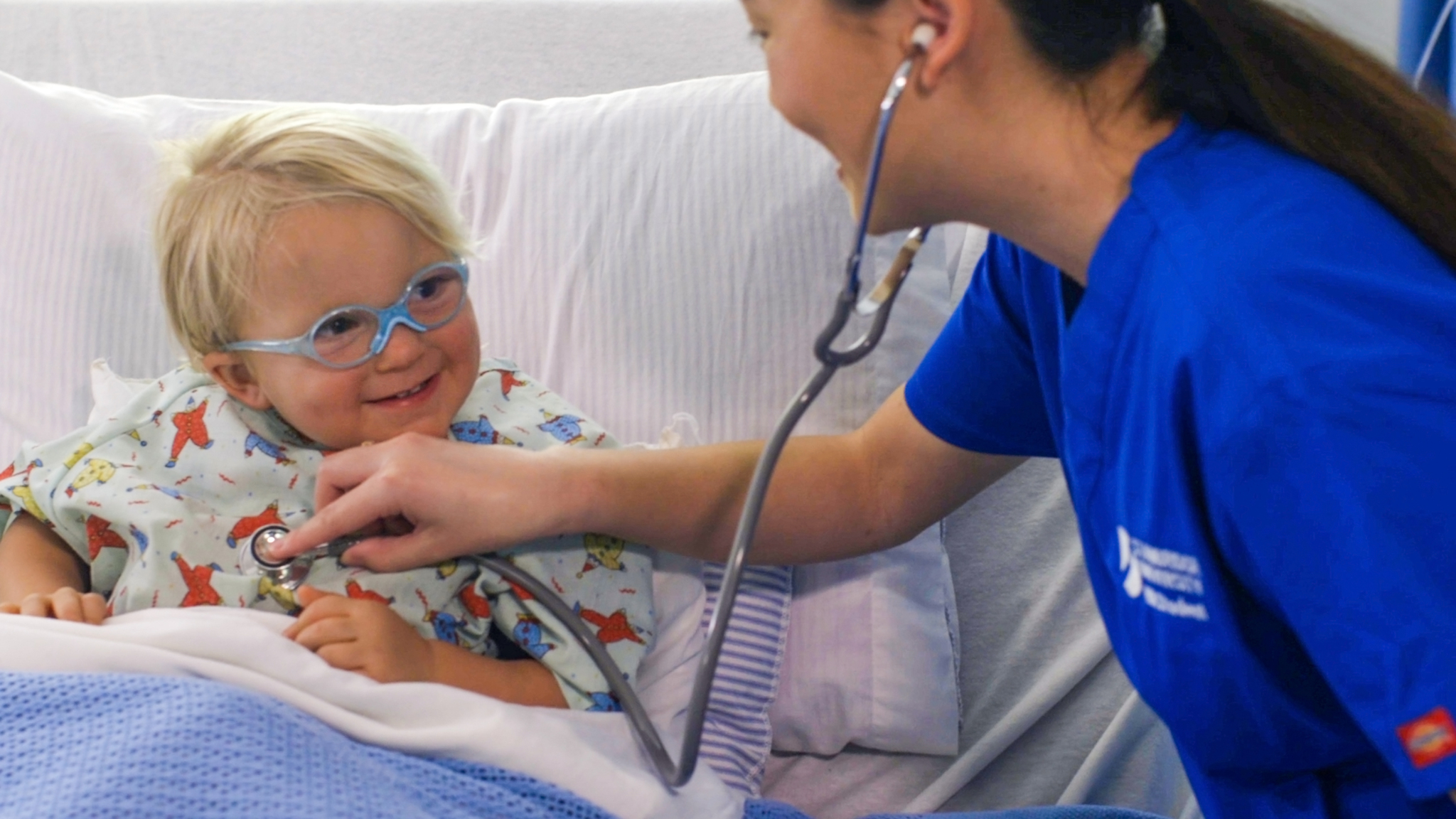
Students interested in becoming Registered Nurses typically complete either an Associate Degree in Nursing (ADN) or a Bachelor of Science in Nursing (BSN), followed by Registered Nurse licensure requirements.
Registered Nurses often:
- Assess patients
- Develop nursing care plans
- Coordinate patient care
- Educate patients and families
- Collaborate with physicians and healthcare teams
Like vocational nursing, Registered Nursing education programs generally does not require previous CNA certification before admission.³
Are There Benefits to Becoming a CNA First?
For some students, becoming a CNA before nursing school offers opportunities to gain experience in healthcare settings.
Potential benefits include:
- Exposure to patient care environments
- Experience working with healthcare teams
- Familiarity with medical terminology
- Greater confidence in clinical settings
- Insight into daily healthcare responsibilities
However, becoming a CNA is only one possible pathway into nursing. Many students choose to begin nursing education directly if they meet their chosen program’s admissions requirements.
What Should You Consider Before Choosing a Pathway?
Every student’s educational journey is different.
Questions to consider include:
- What are your long-term career goals?
- How much time do you want to invest in your education?
- Do you want to begin working in healthcare before nursing school?
- Are you interested in vocational nursing or registered nursing?
- What admissions requirements apply to the programs you are considering?
Answering these questions can help you identify an educational pathway that fits your goals and circumstances.
Nursing Education Pathways at Stanbridge University
Students interested in nursing careers can explore multiple educational pathways at Stanbridge University.
Associate of Occupational Science in Vocational Nursing
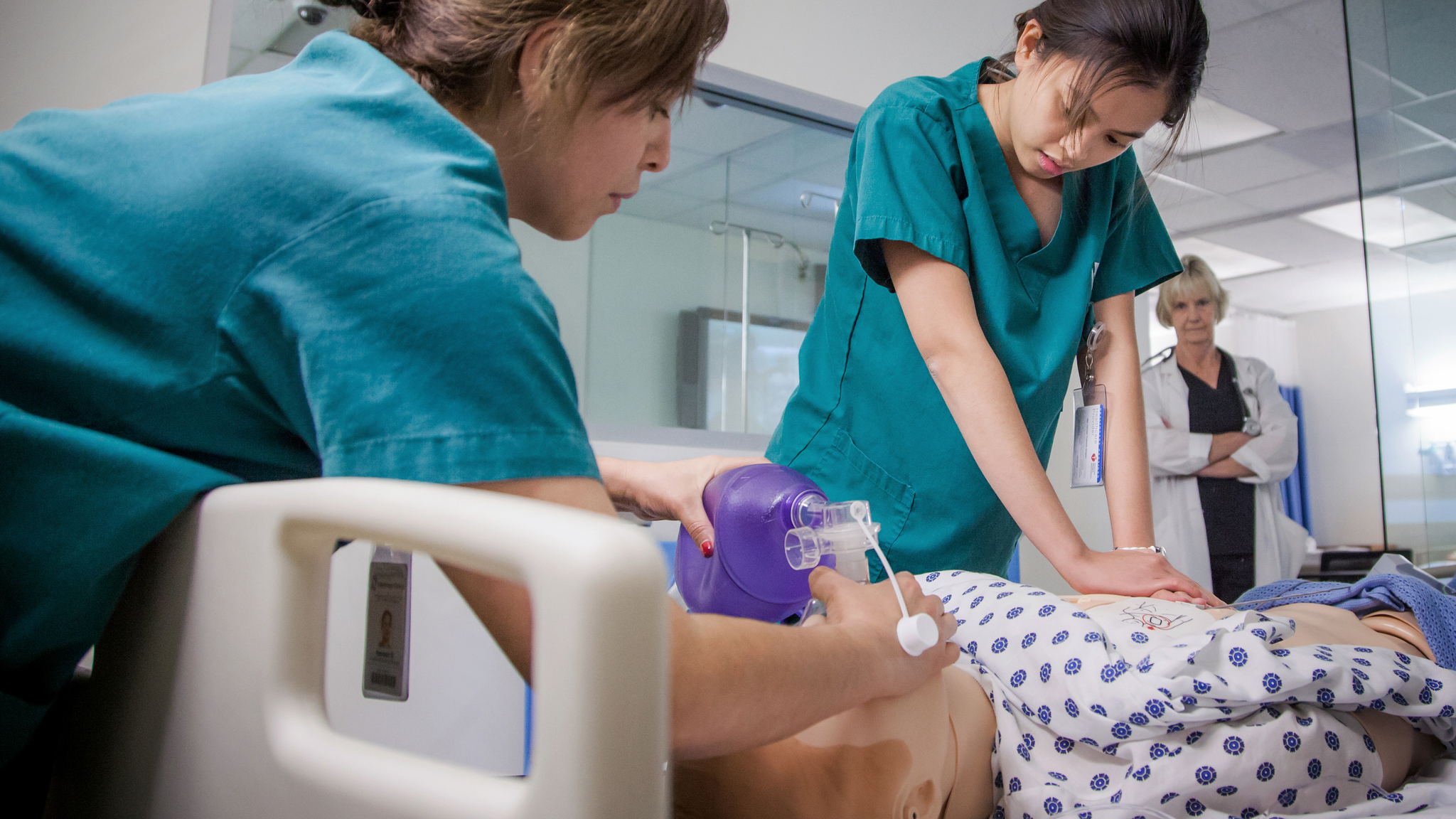
The Associate of Occupational Science in Vocational Nursing program at Stanbridge University prepares students for Licensed Vocational Nurse career pathways through classroom instruction, simulation-based learning, laboratory experiences, and supervised clinical education. ⁴
Recent NCLEX-PN licensure pass rates were reported as a 94% (2023–2025) for the Orange County campus, 92% (2023–2025) for the Los Angeles campus, and 96% (2025) for the Riverside campus. ⁴
The program is 106.5 quarter credit hours and is designed to be completed in approximately 17–19 months for full-time students and 26–28 months for part-time students, depending on cohort schedules and individual progression.⁶
Bachelor of Science in Nursing
The Stanbridge University Bachelor of Science in Nursing program prepares students for Registered Nurse career pathways through classroom instruction, simulation, laboratory education, and supervised clinical experiences. ⁵
Recent BSN graduates achieved a 98% NCLEX-RN licensure pass rate (2023–2025) across the Orange County, Los Angeles, and Riverside campuses. ⁵
The program is 180 quarter credit hours and is designed to be completed in approximately 36–37 months, depending on cohort scheduling and individual progression. ⁶
Students interested in either pathway can review current admissions requirements, program information, and application materials through Stanbridge University’s official admissions resources. ⁷
Choosing the Right Nursing Pathway
There is no single path into nursing.
Some students begin as Certified Nursing Assistants before pursuing additional education, while others enter vocational nursing or registered nursing programs without previous healthcare experience.
The right educational pathway depends on your goals, interests, preferred timeline, and the admission requirements of the program you choose.
Taking time to understand the differences between CNAs, LVNs, and Registered Nurses can help you make an informed decision about your future nursing career.
Frequently Asked Questions
No. Many nursing programs do not require students to become Certified Nursing Assistants before enrolling. Admissions requirements vary by institution, but previous healthcare experience is often not required. ⁷
Yes. Students can apply directly to approved vocational nursing programs if they meet the program’s admissions requirements. Becoming a CNA is one possible pathway into healthcare, but it is not generally required before pursuing Licensed Vocational Nurse education. ⁷
Yes. Many students enter Registered Nursing programs without previous CNA certification or healthcare employment. Admission requirements vary by institution and educational pathway.⁷
Certified Nursing Assistants primarily assist patients with activities of daily living under supervision. Licensed Vocational Nurses complete additional education and licensure requirements and provide basic nursing care under the supervision of Registered Nurses and physicians. ²
Some students find that previous healthcare experience helps them become familiar with patient care environments and healthcare teams. However, many students successfully begin nursing education without prior healthcare employment.
The answer depends on your goals. Some students choose to become CNAs to gain healthcare experience before nursing school, while others enroll directly in vocational nursing or registered nursing programs that align with their educational and career objectives.
Students interested in nursing careers can explore the Associate of Occupational Science in Vocational Nursing and Bachelor of Science in Nursing programs offered by Stanbridge University. ⁴ ⁵
Footnotes
¹ California Department of Public Health (CDPH), Certified Nurse Assistant Program, https://www.cdph.ca.gov/
² California Board of Vocational Nursing and Psychiatric Technicians (BVNPT), https://www.bvnpt.ca.gov/
³ California Board of Registered Nursing (BRN), https://www.rn.ca.gov/
⁴ Stanbridge University Associate of Occupational Science in Vocational Nursing Program Information, https://www.stanbridge.edu/program/vn
⁵ Stanbridge University Bachelor of Science in Nursing Program Information, https://www.stanbridge.edu/program/bsn
⁶ Program duration is subject to change. Completion times vary depending on cohort scheduling and individual circumstances that may impact progression.
⁷ Stanbridge University Admission Policies, https://catalog.stanbridge.edu/admission/admission-policies/