What Is Fieldwork in Occupational Therapy Education?
Basic Overview
Fieldwork is a supervised learning experience that allows occupational therapy students to apply classroom concepts in real-world settings. Both Occupational Therapy Assistant (OTA) and Occupational Therapist (OT) education pathways include fieldwork requirements designed to help students develop professional skills, gain practical experience, and prepare for patient-centered practice.
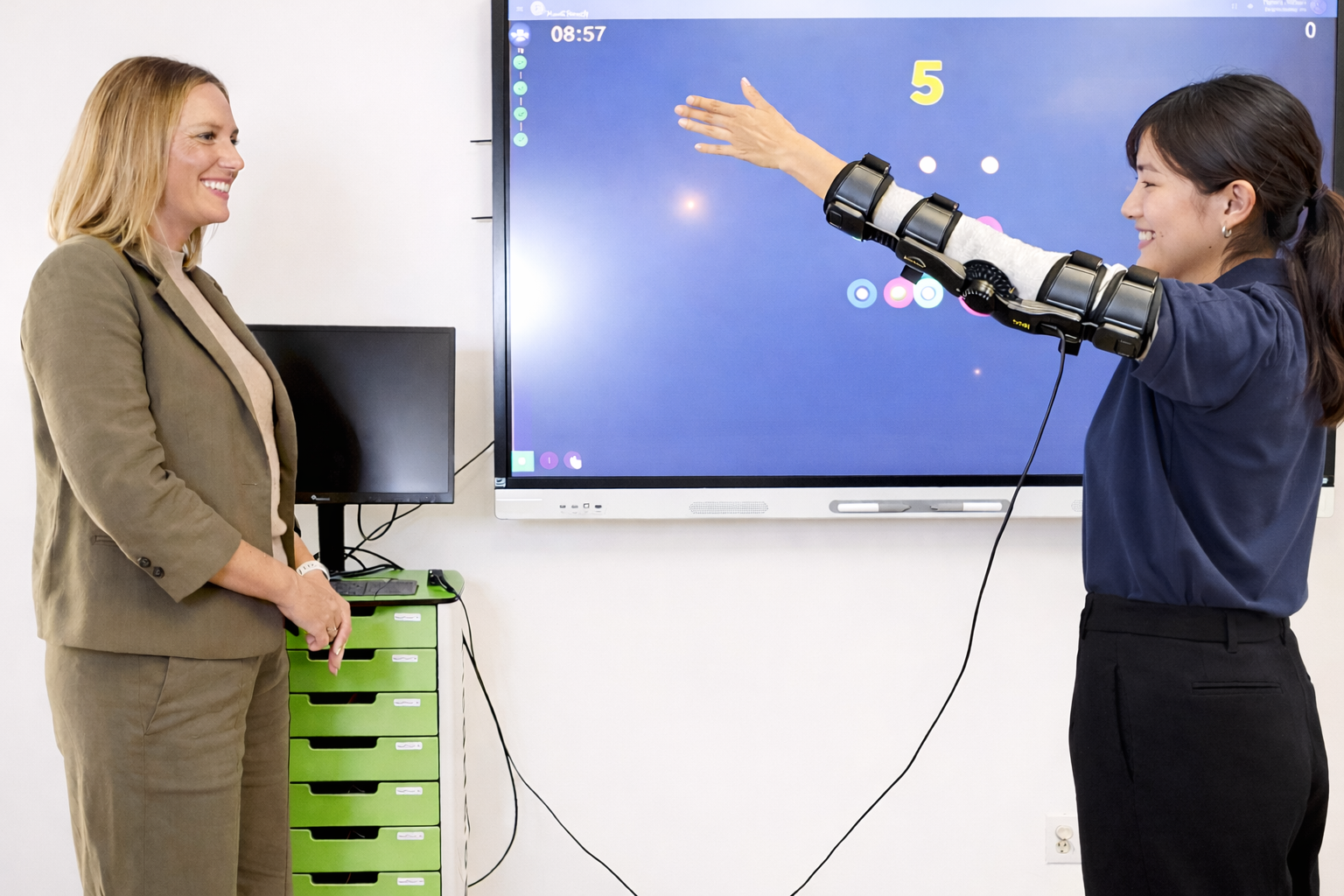
What Is Fieldwork?
Fieldwork is a supervised educational experience that allows students to apply knowledge and skills in healthcare, educational, and community-based settings.¹
During fieldwork, students work under the guidance of qualified professionals while observing, participating in, and developing skills related to occupational therapy practice.
Fieldwork experiences help students:
- Apply classroom concepts in real-world settings
- Observe occupational therapy practice in action
- Participate in supervised learning experiences
- Interact with patients, clients, and healthcare teams
- Experience occupational therapy practice environments
As a result, fieldwork serves as an important bridge between academic learning and professional practice.
Why Is Fieldwork Important in Occupational Therapy Education?
Occupational therapy involves helping individuals participate more fully in daily activities, work, school, self-care, and community life.²
Because occupational therapy is a hands-on profession, students benefit from opportunities to observe and participate in real-world practice environments.
Through fieldwork, students:
- Develop professional and clinical reasoning skills
- Strengthen communication and interpersonal abilities
- Gain exposure to different patient populations
- Better understand professional responsibilities
- Connect academic learning to patient-centered care
For all these reasons, fieldwork is an important component of occupational therapy education and professional preparation.
What Is the Difference Between OTA and OT Fieldwork?
Both Occupational Therapy Assistant and Occupational Therapist education pathways include fieldwork experiences. However, fieldwork requirements differ depending on the educational pathway and accreditation standards.¹
Occupational Therapy Assistant (OTA) Fieldwork
Occupational Therapy Assistant students complete supervised fieldwork experiences designed to help them apply concepts learned throughout their academic coursework.
Fieldwork allows OTA students to observe occupational therapy services, develop professional skills, and gain experience supporting patient participation and daily living activities.¹
OTA students complete fieldwork to learn how to support Occupational Therapists by implementing treatment plans and helping patients participate in therapeutic activities.
Occupational Therapist (OT) Fieldwork
Occupational Therapist students complete graduate-level fieldwork experiences as part of their professional education.
These experiences help students develop advanced clinical reasoning, patient evaluation skills, intervention planning concepts, and professional practice competencies.¹
In practical terms, Occupational Therapist students complete fieldwork to build the knowledge and skills needed to evaluate patients, develop occupational therapy treatment plans, and lead patient care.
Specific fieldwork requirements vary by program and educational pathway.
Where Do Occupational Therapy Students Complete Fieldwork?
Fieldwork experiences may take place in a variety of settings depending on the educational program and placement opportunities.
Examples include:
- Hospitals
- Rehabilitation facilities
- Skilled nursing facilities
- Schools
- Community health organizations
- Outpatient clinics
- Pediatric settings
- Mental health settings
Exposure to different environments helps students understand the diversity of occupational therapy practice.²
What Skills Can Students Develop During Fieldwork?
Fieldwork experiences provide opportunities for students to strengthen a variety of professional skills.
Examples include:
- Professional communication
- Observation and documentation
- Teamwork and collaboration
- Problem-solving and critical thinking
- Professionalism and ethics
- Patient interaction skills
Additionally, fieldwork allows students to see how classroom concepts are applied in real-world settings.
How Does Fieldwork Connect Classroom Learning to Patient Care?
Students often spend significant time studying anatomy, human development, occupational therapy theory, and healthcare concepts before entering fieldwork experiences. Fieldwork provides opportunities to see how those concepts relate to patient care, daily activities, rehabilitation, and participation-focused interventions.
As a result, students gain a better understanding of how occupational therapy professionals support individuals across different populations and practice settings.
What Is the Role of ACOTE in Fieldwork Education?
The Accreditation Council for Occupational Therapy Education (ACOTE) establishes accreditation standards for Occupational Therapy and Occupational Therapy Assistant programs.¹ These standards include requirements related to fieldwork education and experiential learning opportunities. Because fieldwork is a required component of accredited occupational therapy education pathways, students often review fieldwork opportunities when researching programs.¹
Occupational Therapy Education Pathways at Stanbridge University
Students interested in occupational therapy careers can explore multiple educational pathways at Stanbridge University.
Occupational Therapy Assistant (OTA)
The Occupational Therapy Assistant program prepares students to support Occupational Therapists in helping individuals develop, recover, or maintain skills needed for daily living.³
Master of Science in Occupational Therapy (MSOT)
The Master of Science in Occupational Therapy program prepares students to evaluate patients, develop treatment plans, and support participation in meaningful daily activities across a variety of settings.⁴
Both programs incorporate classroom instruction, laboratory experiences, and fieldwork education designed to support occupational therapy training and professional development.³ ⁴
How Does Fieldwork Prepare Students for Occupational Therapy Careers?
Fieldwork helps students gain practical experience, strengthen professional skills, and better understand occupational therapy practice. While classroom instruction provides foundational knowledge, fieldwork allows students to apply that knowledge in supervised settings and gain exposure to patient-centered care environments. Consequently, fieldwork remains an important part of occupational therapy education and career preparation.

Frequently Asked Questions
Fieldwork is a supervised learning experience that allows occupational therapy students to apply classroom concepts in healthcare, educational, and community-based settings.¹
Fieldwork helps students connect academic learning to real-world practice while developing professional skills, clinical reasoning, communication abilities, and patient-centered care experience.¹
Yes. Fieldwork is a required component of accredited Occupational Therapy Assistant and Occupational Therapy education pathways.¹
Both pathways include fieldwork experiences; however, requirements vary depending on the educational pathway, accreditation standards, and program structure.¹
Students may complete fieldwork experiences in hospitals, schools, rehabilitation facilities, skilled nursing facilities, outpatient clinics, community organizations, and other practice settings.²
Fieldwork allows students to apply classroom learning, gain practical experience, strengthen professional skills, and better understand occupational therapy practice in supervised environments.¹
Students interested in occupational therapy careers can explore the Occupational Therapy Assistant and Master of Science in Occupational Therapy programs offered by Stanbridge University.³ ⁴
Footnotes
¹ Accreditation Council for Occupational Therapy Education (ACOTE) and American Occupational Therapy Association (AOTA) https://acoteonline.org/, https://www.aota.org/
² National Library of Medicine (NLM) and National Center for Biotechnology Information (NCBI) Occupational Therapy and Rehabilitation Resources https://www.nlm.nih.gov/, https://www.ncbi.nlm.nih.gov/
³ Stanbridge University Occupational Therapy Assistant Program Information
https://www.stanbridge.edu/program/ota
⁴ Stanbridge University Master of Science in Occupational Therapy Program Information https://www.stanbridge.edu/program/msot