What Is Allied Health?
Basic Overview
Allied health refers to healthcare professions that support patient care, rehabilitation, diagnosis, and wellness outside of physician and nursing roles. Allied health professionals work in a variety of healthcare settings and often specialize in areas such as occupational therapy, physical therapy, rehabilitation, and patient support services. Understanding allied health careers can help you identify educational pathways that align with their interests and career goals.
Allied Health
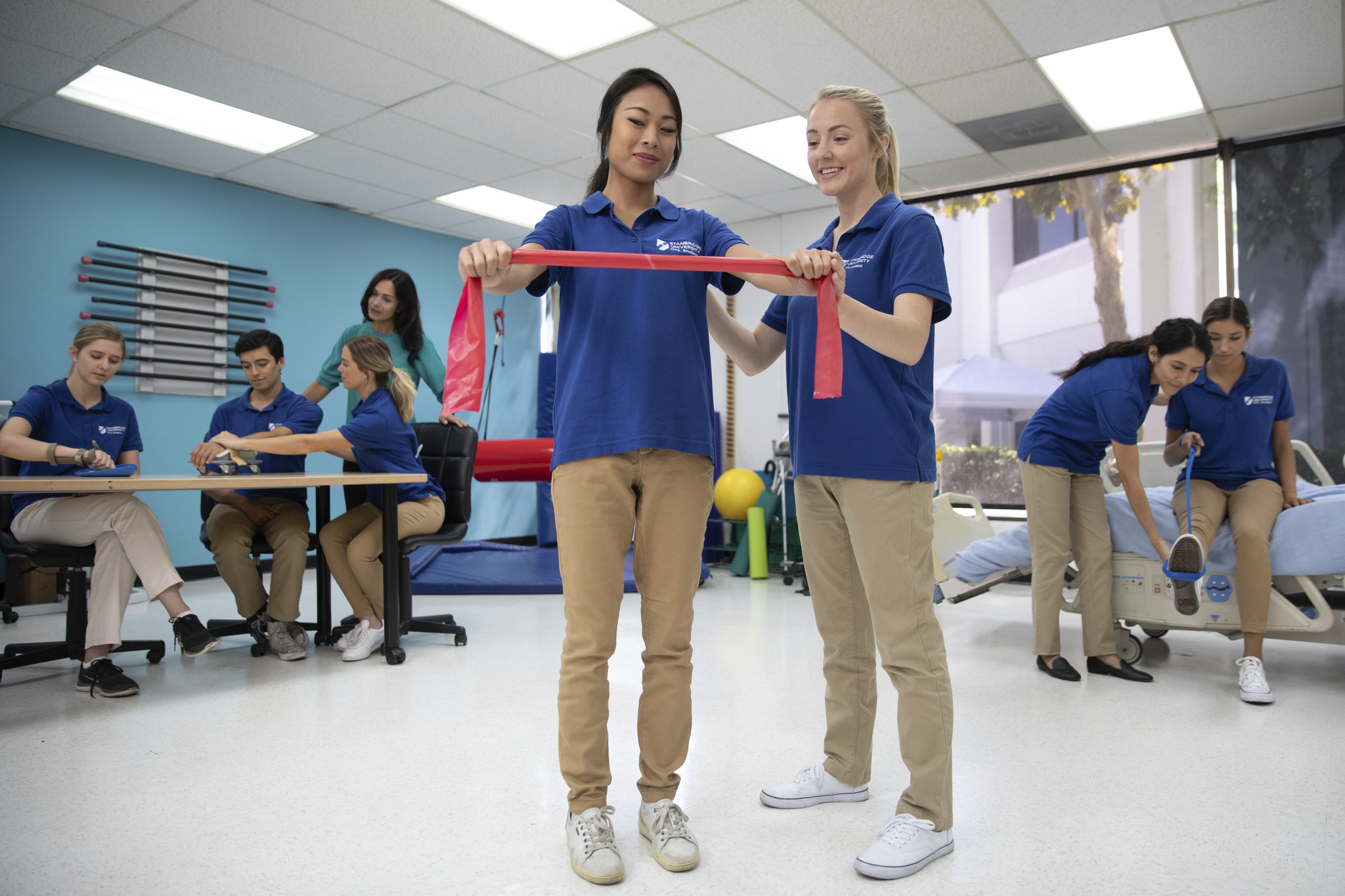
Healthcare is made up of many different professions that work together to support patient care, rehabilitation, diagnosis, treatment, and wellness. While physicians and nurses are often the most recognized healthcare professionals, many other specialists play essential roles in helping patients improve their quality of life and achieve healthcare goals. These professions are often referred to collectively as allied health.
Understanding what allied health is can help you explore healthcare career options and identify educational pathways that align with their interests.
What Does Allied Health Mean?
Allied health refers to a broad group of healthcare professions that support patient care, rehabilitation, treatment, and health services outside of physician and nursing roles.¹
Allied health professionals often work alongside physicians, nurses, therapists, and other healthcare providers as part of collaborative healthcare teams.
Examples of allied health professions include:
- Occupational Therapy Assistant (OTA)
- Physical Therapist Assistant (PTA)
- Respiratory Therapist
- Diagnostic Medical Sonographer
- Medical Laboratory Professional
- Radiologic Technologist
Many allied health professionals specialize in helping patients improve function, mobility, independence, and overall well-being.
Why Are Allied Health Professionals Important?
Healthcare relies on interdisciplinary teams to support patients with a wide range of needs.
Allied health professionals contribute by:
- Supporting rehabilitation and recovery
- Assisting with patient care and treatment plans
- Helping patients improve daily function and independence
- Providing specialized healthcare services
- Collaborating with healthcare teams
These professionals help ensure patients receive comprehensive care throughout their healthcare journey.¹
What Types of Allied Health Careers Focus on Rehabilitation?
Several allied health professions focus on rehabilitation and helping individuals participate more fully in daily activities. These careers vary in educational requirements, responsibilities, and scope of practice, but all play important roles in supporting patient recovery, mobility, function, and independence.
Occupational Therapists
Occupational Therapists evaluate patients, develop treatment plans, and help individuals participate more fully in activities related to work, school, self-care, and community engagement.²
Examples can include helping patients:
- Develop self-care skills such as dressing, grooming, and meal preparation
- Improve fine motor coordination and hand function
- Adapt home, school, or work environments
- Learn to use adaptive equipment and assistive technology
- Return to meaningful daily activities following illness or injury
You can explore the Master of Science in Occupational Therapy at Stanbridge University if you want to learn more.
Occupational Therapy Assistant (OTA)
Occupational Therapy Assistants work under the supervision of Occupational Therapists to help patients develop, recover, or maintain skills needed for daily living and meaningful activities.²
Examples can include helping patients improve:
- Dressing and grooming skills
- Fine motor coordination
- Adaptive equipment use
- Daily living activities
If you are interested in this pathway, you can learn more about Stanbridge University’s Occupational Therapy Assistant program.
Physical Therapist Assistant (PTA)
Physical Therapist Assistants work under the direction and supervision of licensed Physical Therapists to help patients improve mobility, strength, balance, and functional movement.³
Examples may include helping patients:
- Improve strength and flexibility
- Practice walking and balance activities
- Recover from surgery or injury
- Increase mobility and function
If you are interested in rehabilitation-focused careers, you can explore the Physical Therapist Assistant program.

What Education Is Required for Allied Health Careers?
Educational requirements vary depending on the profession, level of responsibility, and state licensure requirements.
Occupational Therapy Assistant (OTA)
Occupational Therapy Assistants complete an associate degree program that includes classroom instruction, laboratory learning, and supervised fieldwork experiences.² ⁴
OTA students often study topics such as:
- Human anatomy and physiology
- Occupational therapy principles
- Therapeutic activities
- Mental health concepts
- Pediatric and adult rehabilitation
- Fieldwork education experiences
Graduates must meet certification and state licensure requirements before practicing.²
Physical Therapist Assistant (PTA)
Physical Therapist Assistants complete an associate degree program that combines classroom instruction, laboratory practice, and clinical education experiences.³ ⁴
PTA coursework often includes:
- Anatomy and physiology
- Kinesiology
- Therapeutic exercise
- Rehabilitation techniques
- Patient care procedures
- Clinical education experiences
Graduates must meet licensure requirements established by their state before entering practice.³
Occupational Therapist (OT)
Occupational Therapists complete a master’s degree program that includes graduate-level coursework and supervised fieldwork experiences.² ⁴
OT education often includes:
- Evaluation and assessment methods
- Occupational therapy theory and practice
- Evidence-based interventions
- Leadership and professional practice
- Fieldwork and experiential learning
Graduates pursue certification and state licensure requirements before practicing as Occupational Therapists.²
Different professions require different levels of education, training, fieldwork, and licensure.
Understanding educational requirements can help you identify healthcare pathways that align with your interests, preferred educational timeline, and long-term professional goals.
Where Do Allied Health Professionals Work?
Allied health professionals work in a variety of healthcare settings, including:
- Hospitals
- Rehabilitation centers
- Skilled nursing facilities
- Schools
- Outpatient clinics
- Community health organizations
- Home healthcare settings
Work environments often vary depending on the profession, specialty, and patient population served.
Why Do Students Choose Allied Health Careers?
Many students are drawn to allied health careers because they combine healthcare knowledge with direct patient interaction.
Common reasons students explore allied health professions include:
- Working directly with patients
- Supporting rehabilitation and recovery
- Helping individuals improve independence
- Working in collaborative healthcare environments
- Pursuing specialized healthcare career pathways
Each profession offers unique responsibilities, educational pathways, and opportunities to contribute to patient care.
Allied Health Education at Stanbridge University
Stanbridge University offers allied health education pathways focused on rehabilitation sciences and patient-centered care.⁴
Programs include:
Occupational Therapy Assistant (OTA)
The Stanbridge University Occupational Therapy Assistant program prepares students to support Occupational Therapists in helping patients develop or regain skills needed for daily living and participation.
Physical Therapist Assistant (PTA)
The Stanbridge University Physical Therapist Assistant program prepares students to work alongside Physical Therapists in helping patients improve movement, mobility, and functional abilities.
Master of Science in Occupational Therapy (MSOT)
The Stanbridge University Master of Science in Occupational Therapy program prepares students to evaluate patients, develop treatment plans, and support participation in meaningful activities across a variety of settings.
Students interested in learning more about allied health education pathways can explore Stanbridge University’s program pages or contact Stanbridge University for additional information.
Is Allied Health Right for You?
Allied health careers can be perfect for you if you enjoy helping others, working in healthcare environments, and supporting patient recovery and independence.
Exploring allied health professions, educational requirements, and healthcare settings can help you identify pathways that align with their interests and career goals.
Frequently Asked Questions
Allied health refers to healthcare professions that support patient care, rehabilitation, diagnosis, treatment, and wellness outside of physician and nursing roles.¹
Examples of allied health careers include Occupational Therapy Assistant, Physical Therapist Assistant, Occupational Therapist, Respiratory Therapist, Diagnostic Medical Sonographer, and many other specialized healthcare professions.¹
Educational requirements vary by profession. Allied health careers require an associate degree, bachelor’s degree, master’s degree, or other specialized education depending on the role.² ³
Students interested in allied health education pathways can explore the Occupational Therapy Assistant, Physical Therapist Assistant, and Master of Science in Occupational Therapy programs offered by Stanbridge University.⁴
Footnotes
¹ California Employment Development Department (EDD) Healthcare Occupations Information, https://edd.ca.gov/
² American Occupational Therapy Association (AOTA), https://www.aota.org/
³ American Physical Therapy Association (APTA), https://www.apta.org/
⁴ Stanbridge University Program Information, https://www.stanbridge.edu/programs