What Is an NCLEX-PN Pass Rate and Why Does It Matter?
Students researching vocational nursing programs often compare curriculum structure, clinical training, scheduling, and student support services. Another factor you may review is a program’s NCLEX-PN licensure pass rate.
Understanding what an NCLEX-PN pass rate means can help students evaluate how vocational nursing programs prepare graduates for licensure pathways and entry-level nursing practice.
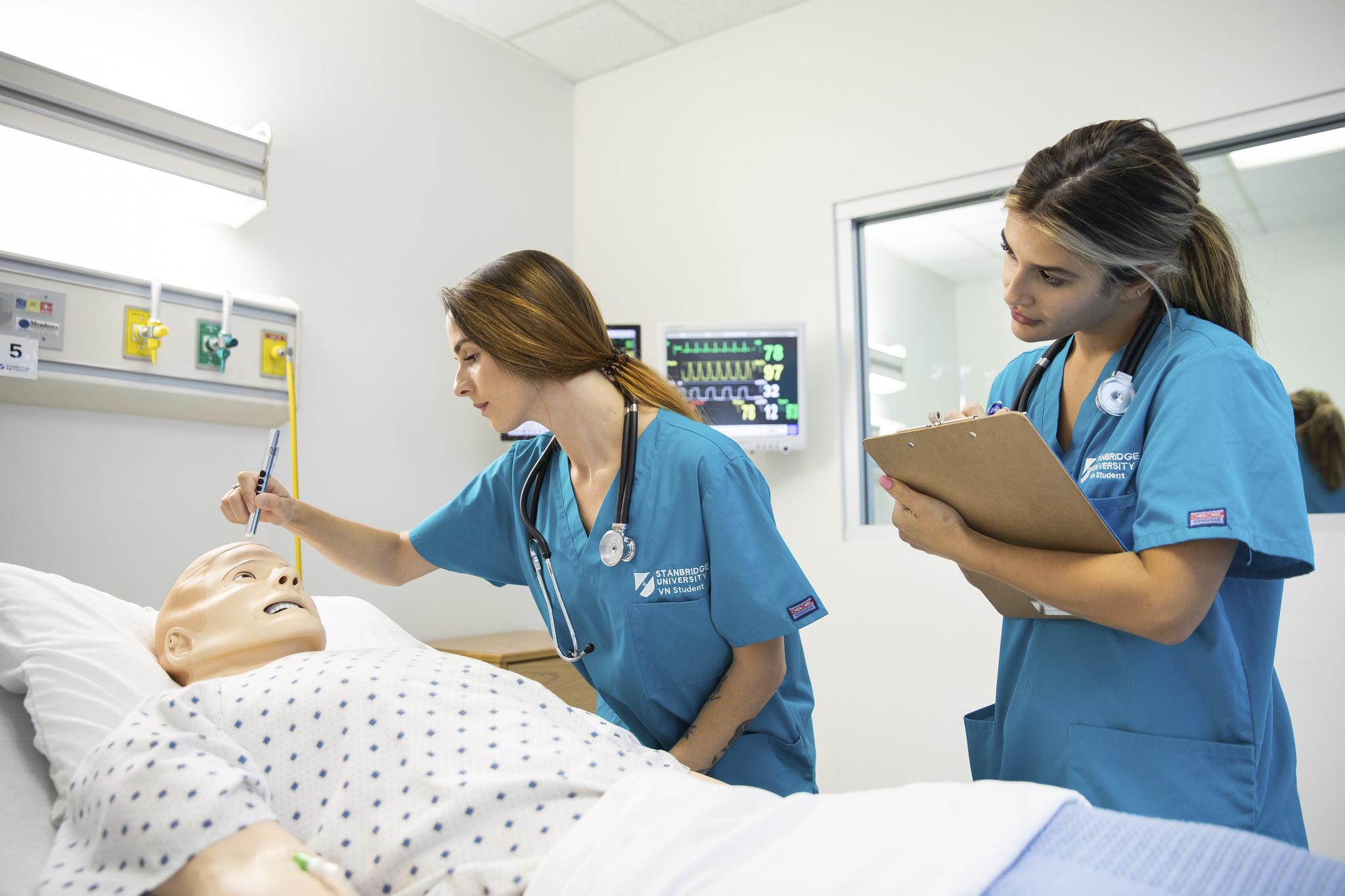
What Is the NCLEX-PN Exam?
The National Council Licensure Examination for Practical Nurses (NCLEX-PN) is a standardized licensure examination required for Licensed Vocational Nurses (LVNs) and Licensed Practical Nurses (LPNs) in the United States.¹
The exam evaluates whether graduates possess the knowledge and clinical judgment necessary for entry-level nursing practice.
Topics assessed on the NCLEX-PN may include:
- Patient care and safety
- Pharmacology
- Health promotion
- Coordinated care
- Physiological and psychosocial integrity
Graduates of approved vocational nursing programs generally will go on to take the NCLEX-PN examination to pursue state licensure pathways.¹
What Is an NCLEX-PN Pass Rate?
An NCLEX-PN pass rate represents the percentage of graduates from a vocational nursing program who successfully pass the NCLEX-PN exam within a reporting period.²
State regulatory agencies and nursing boards can publish pass rate reports to help students review vocational nursing program outcomes.
Why Are NCLEX-PN Pass Rates Important?
Understanding Licensure Preparation
NCLEX-PN pass rates can help students understand how programs prepare graduates for licensure examinations and entry-level nursing responsibilities.
Programs may support licensure preparation through:
- Clinical training experiences
- Simulation-based learning
- Skills laboratories
- Structured coursework
- Academic support resources
Educational approaches vary by institution and program structure. Students comparing vocational nursing programs often review these factors to make more informed educational decisions.
Understanding State Approval Requirements
In California, vocational nursing programs are regulated by the California Board of Vocational Nursing and Psychiatric Technicians (BVNPT).²
The BVNPT publishes vocational nursing program licensure pass rate information that students can use when researching schools.
Students can review official California vocational nursing pass rate reports here:
California BVNPT NCLEX-PN Pass Rates.
Exploring the Stanbridge University Vocational Nursing Program
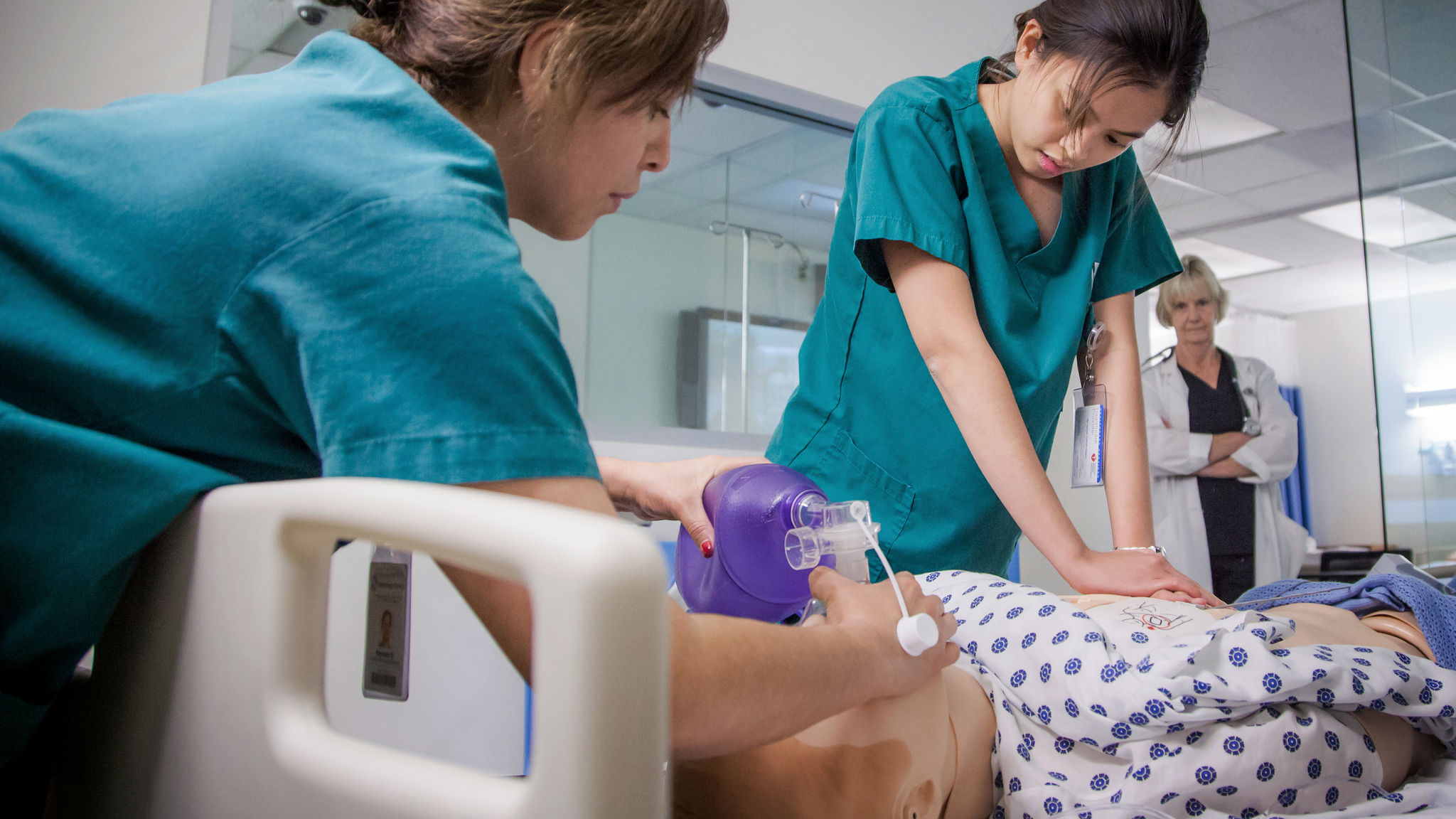
Stanbridge University’s Vocational Nursing program’s recent NCLEX-PN licensure pass rates for the Orange County campus were reported as 92% for 2025.³
This program includes:
- Hands-on clinical training experiences
- Nursing Simulation Laboratories
- Clinical Simulation Technology
- Structured student support resources
- Vocational nursing coursework designed to support licensure preparation
The Stanbridge University Vocational Nursing program is 106.5 quarter credit hours and takes approximately 17-19 months for full-time students and approximately 26–28 months for part-time students.4
The Associate of Occupational Science in Vocational Nursing program is approved by the California Board of Vocational Nursing and Psychiatric Technicians (BVNPT) at the Orange County, Los Angeles, Riverside, and San Diego campuses. Their website is www.bvnpt.ca.gov.
How Can Students Use NCLEX-PN Pass Rates Responsibly?
Students researching vocational nursing programs can benefit from viewing NCLEX-PN pass rates as one part of a broader program comparison process.
Questions students may consider include:
- Is the program approved by the BVNPT?
- What clinical training experiences are included?
- What support services are available?
- How does the program prepare students for licensure?
- What learning technologies and simulation resources are used?
Combining pass rate information with broader program research can help students better understand vocational nursing education pathways.
Frequently Asked Questions
The NCLEX-PN is a standardized nursing licensure examination required for Licensed Vocational Nurses and Licensed Practical Nurses in the United States.¹
An NCLEX-PN pass rate is the percentage of vocational nursing graduates who pass the NCLEX-PN licensure examination during a reporting period (typically a year).²
NCLEX-PN pass rates can help students understand how vocational nursing programs prepare graduates for licensure examinations and entry-level nursing practice.
The California Board of Vocational Nursing and Psychiatric Technicians publishes vocational nursing licensure pass rate reports for approved California programs.²
Students comparing vocational nursing programs may also evaluate clinical training opportunities, simulation technology, support services, scheduling, and learning environments.
Recent NCLEX-PN licensure pass rates for the Orange County campus were reported as 92% for 2025.
The Stanbridge University Vocational Nursing program is designed for completion in approximately 17-19 months for full-time students and approximately 26–28 months for part-time students.4
Footnotes
1 National Council of State Boards of Nursing (NCSBN), “NCLEX Examinations,” https://www.ncsbn.org/nclex.htm.
² California Board of Vocational Nursing and Psychiatric Technicians (BVNPT), https://www.bvnpt.ca.gov/ and https://www.bvnpt.ca.gov/pdf/vn_pass_rates.pdf.
³ Source: California Board of Vocational Nursing and Psychiatric Technicians (BVNPT) and the National Council of State Boards of Nursing (NCSBN) Examinations Report 4 Rolling Quarter – Jurisdiction Program Summary of all First-Time Candidates Licensed in All Jurisdictions 01 Jan 2019 to 31 Dec 2023, Orange County campus only, NCLEX-PN. First-Time Candidates Licensed in All Jurisdictions 01 Jan 2019 to 31 Dec 2023, Los Angeles campus only, NCLEX-PN. https://www.bvnpt.ca.gov/pdf/vn_pass_rates.pdf. As viewed on September 25, 2025. The Associate of Occupational Science in Vocational Nursing program at Riverside and San Diego campuses does not have current graduates yet and therefore, no annual licensure pass rates.
4 Program duration subject to change. Completion times vary depending upon the start and end dates of a cohort and any individual circumstances that may impact progression.