10 Careers You Can Pursue With a Physical Therapist Assistant Degree
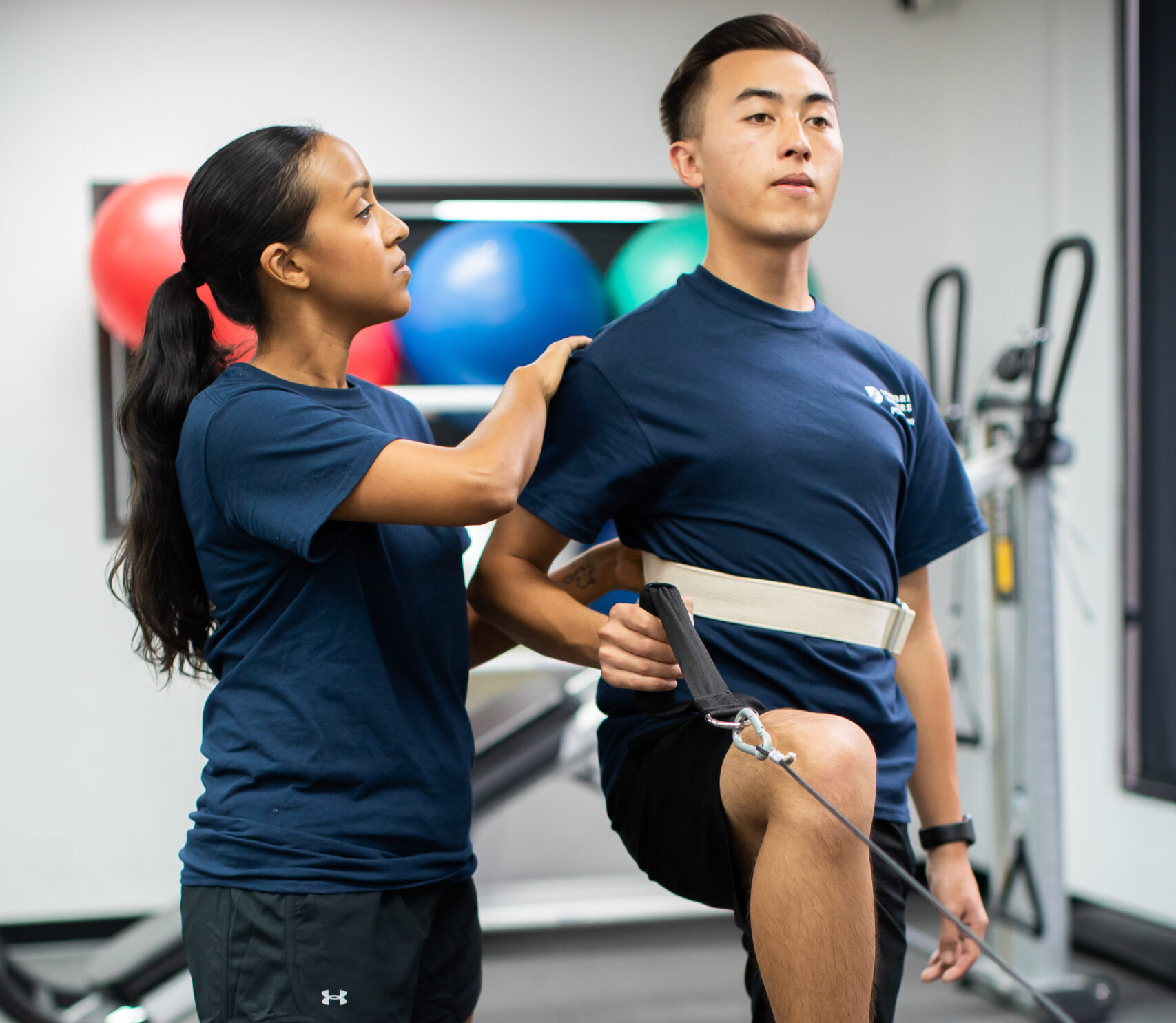
A Basic Overview: PTA Career Paths: 10 Jobs You Can Get With A PTA Degree
- A Physical Therapist Assistant (PTA) degree and licensure can lead to a wide range of careers, not only traditional clinic-based roles.¹
- Common PTA career paths could include outpatient rehabilitation, hospitals, long-term care, home health, sports and fitness settings, and select administrative roles.¹ ²
- Some PTAs also move into education support, leadership, or coordination roles with experience and additional training.2
- Stanbridge University’s PTA program prepares students for this career flexibility through focused coursework, skills labs, and supervised clinical education.4
Earning a Physical Therapist Assistant (PTA) degree can open the door to more career options than many students initially expect. While clinical rehabilitation remains the most common path, PTAs work across a range of healthcare, wellness, and support settings.1 Understanding the jobs you can get with a PTA degree and licensure can help you see how flexible this credential can be as your interests and goals evolve.
Below, we explore ten career paths PTAs commonly pursue after graduation and licensure, to highlight how skills learned in PTA programs translate across different environments.
PTA Jobs in Clinical Rehabilitation Settings
PTAs often begin their careers in traditional clinical roles, where they work closely with licensed physical therapists to support patient recovery and mobility.1 These settings remain some of the most common employment environments for PTAs.
Examples of PTA roles in clinical rehabilitation include:
- Outpatient physical therapy clinics
- Hospitals and acute care facilities
- Skilled nursing facilities
- Inpatient rehabilitation centers
In these settings, PTAs assist with therapeutic exercises, functional mobility training, and progress documentation while working as part of an interdisciplinary healthcare team.¹
PTA Jobs in Sports, Fitness, and Performance Settings
Can PTAs work in sports medicine or fitness settings? Yes.2 For those interested in movement science and athletic performance, PTA training can support roles that intersect with sports and fitness. These positions may emphasize injury prevention, conditioning support, and functional movement education.2
Examples include:
- Sports medicine clinics
- Orthopedic and performance training centers
- Fitness and wellness facilities
- Athletic rehabilitation programs
These environments allow Physical Therapist Assistants to apply rehabilitation principles while supporting physically active populations.2 This category is often cited when people explore non-traditional PTA jobs that still rely on clinical skills.s often cited when people explore non-traditional PTA jobs that still rely on clinical skills.
PTA Careers in Home Health and Community-Based Care
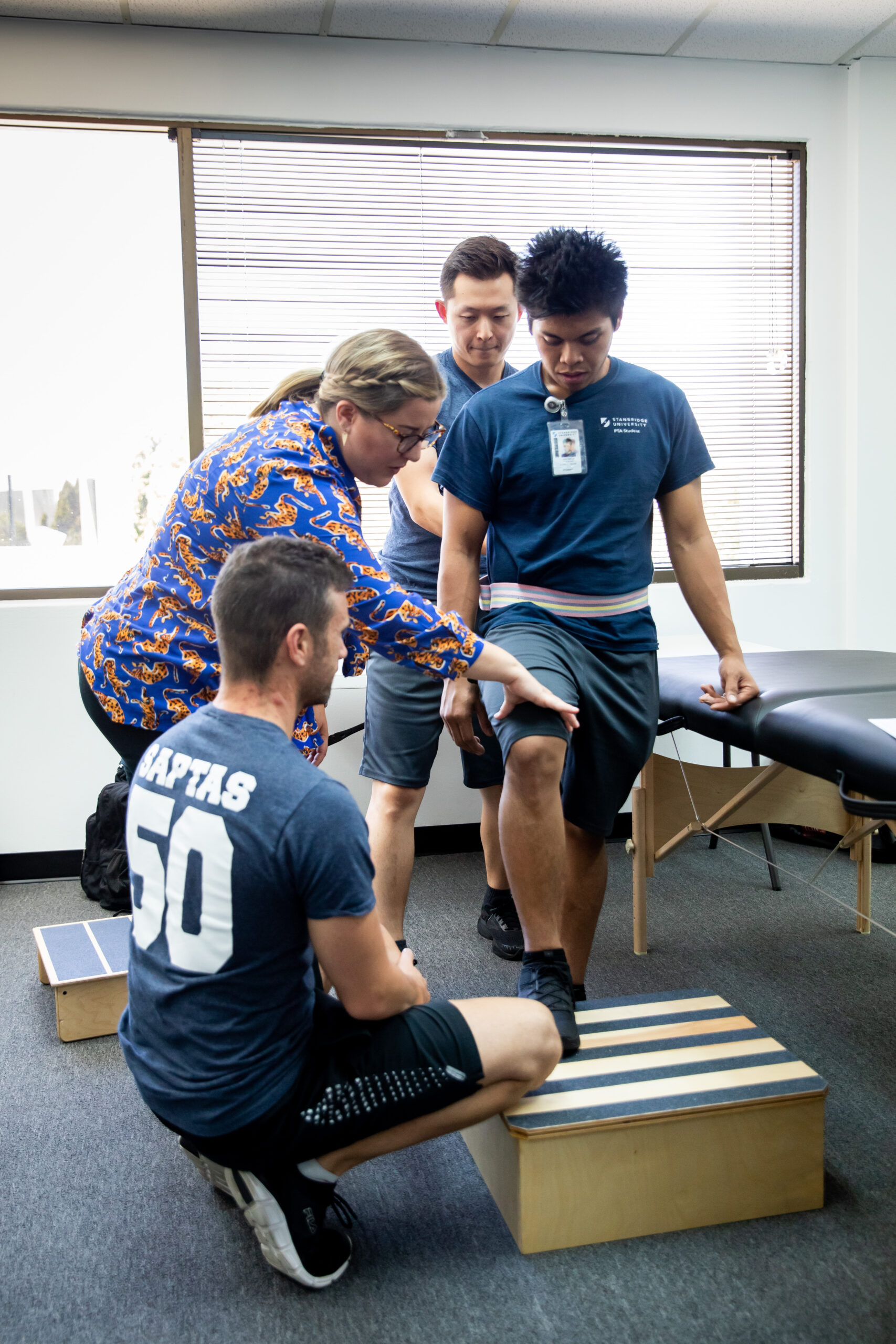
Some PTAs prefer working outside institutional settings. Home health and community care roles allow PTAs to provide services directly in patient residences or community facilities.1
Common roles include:
- Home health physical therapy services
- Hospice and palliative care support
- Community-based rehabilitation programs
These positions often require strong communication skills and the ability to work independently within established care plans.3Communication is an essential requirement for working in home health and community care. Here are three key communication skills for PTAs to master.
PTA Roles in Long-Term Care and Specialty Facilities
Long-term care facilities continue to rely on PTAs to support aging populations and individuals with Long-term care facilities continue to rely on PTAs to support aging populations and individuals with chronic conditions.3 In addition, specialty facilities offer focused patient populations and treatment goals.
Career paths may include:
- Skilled nursing facilities
- Assisted living communities
- Neurological or orthopedic specialty centers
These roles emphasize continuity of care, patient education, and collaboration with nursing and therapy teams.3
Non-Clinical and Administrative PTA Career Paths
Are there non-clinical or administrative roles for PTAs? Yes. Not all jobs you can get with a PTA degree involve direct patient treatment. Some PTAs transition into roles that support operations, education, or program coordination.2
Examples include:
- Rehabilitation aides or therapy coordinators
- Clinical documentation and compliance support
- Patient care coordinators
- Healthcare operations or scheduling roles
These positions allow PTAs to apply their clinical understanding in administrative or support capacities.¹
Teaching, Management, and Advanced Career Options
With experience and additional education, some PTAs move into leadership or instructional roles.2 While scope and eligibility vary by setting and regulation, career growth may include:
- Clinical instructor or lab assistant roles
- Rehabilitation department support leadership
- Program coordination or staff training roles
Career advancement pathways depend on experience, employer needs, and regulatory requirements, and outcomes are not guaranteed.¹
Preparing for Career Flexibility With Stanbridge University
The Associate of Science in Physical Therapist Assistant program at Stanbridge University is designed to prepare students for entry-level PTA roles across a variety of healthcare environments. The program is offered at the Orange County and Los Angeles campuses and takes approximately 20–21 months to complete, including scheduled breaks and clinical education.4
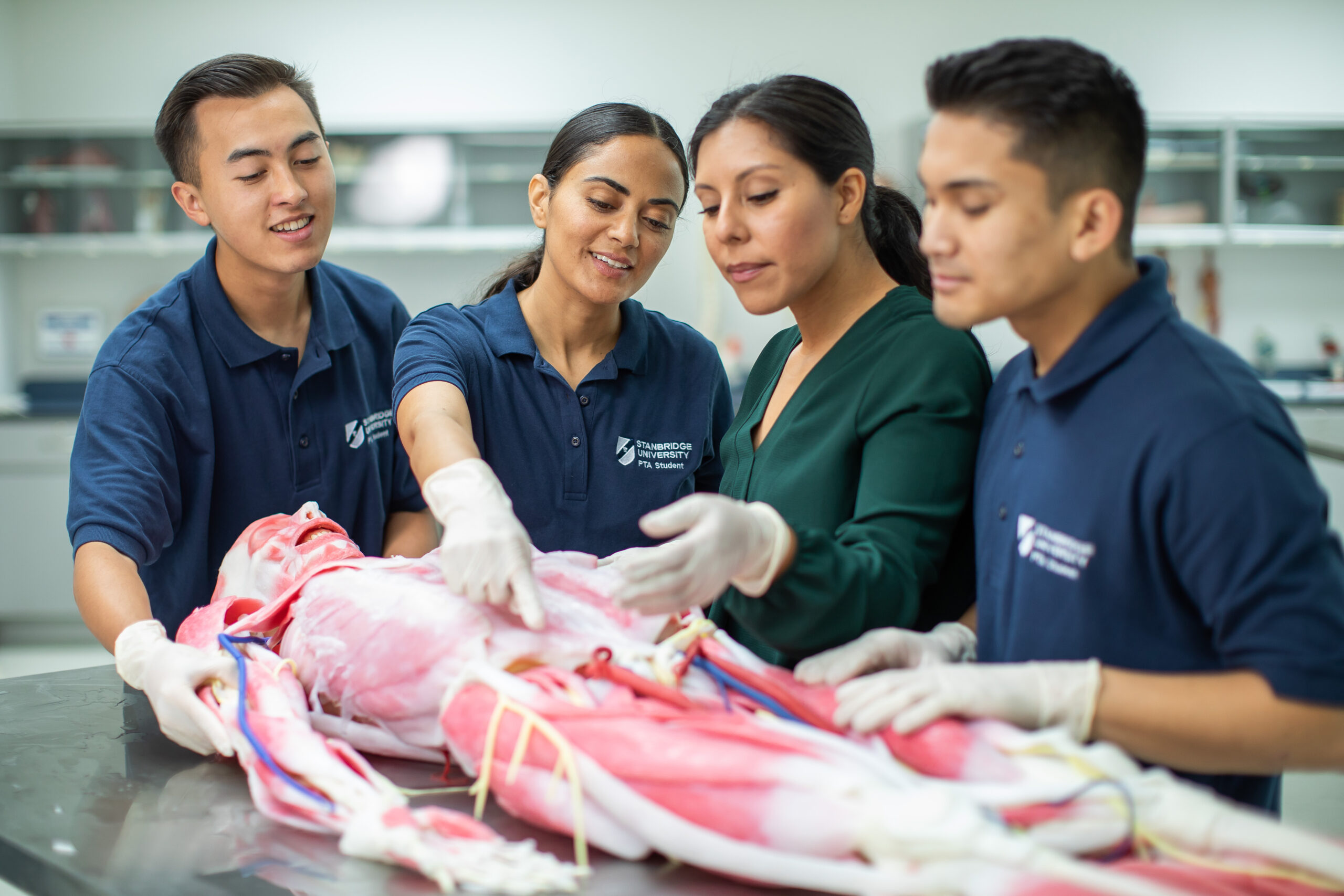
Students progress through coursework covering anatomy and physiology, kinesiology, therapeutic exercise, neuromuscular rehabilitation, patient care techniques, and clinical documentation. Skills labs and supervised clinical experiences allow students to apply these concepts while working with diverse patient populations under faculty and clinical supervision.
The program is accredited by the Commission on Accreditation in Physical Therapy Education (CAPTE),5 and Stanbridge University is institutionally accredited by the Accrediting Commission of Career Schools and Colleges (ACCSC).6
Stanbridge PTA graduates have demonstrated strong outcomes on the National Physical Therapy Examination. Recent multi-year reporting shows an average ultimate NPTE-PTA pass rate of 100 percent at both the Orange County and Los Angeles campuses, with first-time pass rates exceeding 98 percent at Orange County and over 91 percent at Los Angeles, reflecting consistent academic preparation across cohorts.7
Key Takeaway: Exploring PTA Career Options
In a nutshell, what different career paths are available for PTAs after graduation? PTAs may work in outpatient clinics, hospitals, long-term care facilities, home health settings, and sports medicine settings, as well as in certain administrative or support roles, depending on employer needs and regulations.¹
A PTA degree supports a wide range of professional paths, including clinical rehabilitation, fitness, community care, and administrative roles.2 By understanding the variety of jobs you can get with a PTA degree, students can better align their education with long-term career interests while remaining adaptable within a growing healthcare field.Are you Interested in exploring the many career paths available with a PTA degree? Learn more about Stanbridge University’s Physical Therapist Assistant program, including curriculum details, clinical education, and admissions requirements. You can also schedule a meeting with an admissions representative to discuss whether this program aligns with your academic and professional goals.
Frequently Asked Questions
Upon licensure, PTAs may work in outpatient clinics, hospitals, long-term care facilities, home health settings, and sports medicine settings, as well as in certain administrative or support roles, depending on employer needs and regulations.¹
Yes.2 For those interested in movement science and athletic performance, PTA training can support roles that intersect with sports and fitness. These positions may emphasize injury prevention, conditioning support, and functional movement education.2
Yes. Not all jobs you can get with a PTA degree involve direct patient treatment. Some PTAs transition into roles that support operations, education, or program coordination.2
Career advancement may involve additional education, clinical experience, and employer-specific opportunities. Advancement is not guaranteed and varies by setting and regulation 2
Yes. Physical Therapist Assistants work under the direction and supervision of licensed physical therapists in all practice settings, although the level of supervision may vary based on state regulations, employer policies, and patient needs.¹
Yes. Physical Therapist Assistants work under the direction and supervision of licensed physical therapists in all practice settings, although the level of supervision may vary based on state regulations, employer policies, and patient needs.¹
References
¹ Source: U.S. Bureau of Labor Statistics, Occupational Outlook Handbook, Physical Therapist Assistants and Aides, https://www.bls.gov/ooh/healthcare/physical-therapist-assistants-and-aides.htm. As viewed on January 22, 2026.
2 Source: Physical-Therapy-Assistant.org, Can Physical Therapist Assistants Work With Athletes? https://physical-therapy-assistant.org/can-physical-therapist-assistants-work-with-athletes/. As viewed on January 22, 2026.
3 Source: California Employment Development Department (EDD), Physical Therapist Assistants Occupational Profile, https://labormarketinfo.edd.ca.gov/cgi/databrowsing/occExplorerQSDetails.asp?menuchoice=&soccode=312021++++&geogArea=0604000011. As viewed on January 22, 2026
4 Program duration subject to change. Completion times vary depending on cohort scheduling and individual circumstances.
5 Source: Commission on Accreditation in Physical Therapy Education (CAPTE), Accredited Physical Therapist Assistant Programs. https://www.capteonline.org. As viewed on January 22, 2026.
6 Source: Accrediting Commission of Career Schools and Colleges (ACCSC), Accreditation Information. www.accsc.org. As viewed on January 22, 2026.7 Source: NPTE for PTA Ultimate Pass Rate for Graduates, 2018/2019–2022/2023, Orange County and Los Angeles campuses; Federation of State Boards of Physical Therapy, Basic Pass Rate Report. As viewed on January 22, 2026.