3 Key Communication Skills for PTAs

A Basic Overview of 3 Key Communication Skills for PTAs
- Physical therapist assistant (PTA) communication skills are essential for supporting patient safety, treatment accuracy, and positive therapy experiences.¹
- PTAs communicate daily with patients, physical therapists, nurses, and other healthcare professionals.¹
- Clear, respectful communication helps PTAs explain exercises, monitor patient responses, and document progress accurately.¹
- PTAs also play an important role in supporting patients who may feel anxious, discouraged, or uncomfortable during therapy.¹
- Structured PTA education programs emphasize professional communication alongside clinical and technical training to prepare graduates for collaborative healthcare environments.
From Patient Care to Progress Tracking: What Does a Physical Therapist Assistant Do?
Effective physical therapy depends on more than clinical knowledge alone. Every instruction, observation, and patient interaction relies on communication that is clear, respectful, and purposeful. For physical therapist assistants, communication is not just an added skill. It is a core professional competency that supports patient safety, collaboration, and therapeutic progress.
Because PTAs work closely with both patients and healthcare teams, their ability to communicate clearly influences treatment outcomes and the overall care experience.¹ This article explores why PTA communication skills are essential, how PTAs communicate with physical therapists and nurses, and how strong communication supports patients who may feel anxious, frustrated, or uncertain during therapy.
Why Are Communication Skills So Important for PTAs?
Communication underpins nearly every responsibility assigned to a physical therapist assistant. PTAs guide patients through therapeutic exercises, monitor responses to treatment, and share detailed observations with supervising physical therapists. Each task requires accuracy, clarity, and professional judgment.¹
Clear patient communication in physical therapy also supports patient understanding and engagement. When instructions are explained in accessible terms, patients are better positioned to move safely and participate actively in their care. Strong communication further reduces the risk of misunderstanding and supports consistent treatment delivery.¹
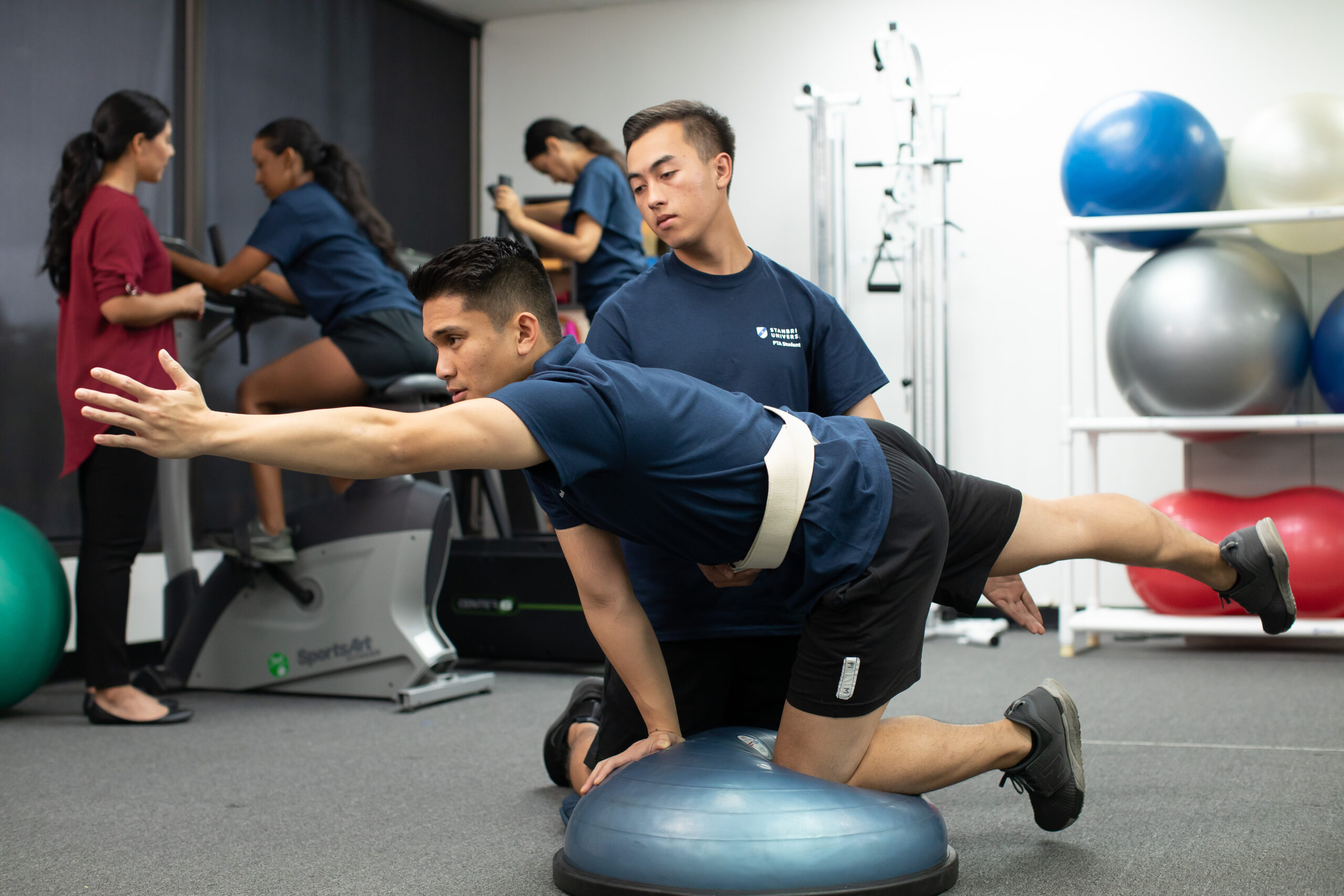
Three Essential Communication Skills for Physical Therapist Assistants
Successful PTAs rely on a combination of interpersonal and professional communication skills. First, clear instructional communication allows PTAs to explain exercises, positioning, and safety cues in a way patients can understand and follow.2
Second, active listening helps PTAs identify discomfort, concerns, or changes in patient response that may require clinical attention.2
Third, professional clinical communication supports accurate documentation and effective information sharing with supervising physical therapists and other healthcare professionals.2
Together, these skills strengthen collaboration, enhance patient confidence, and support safe, effective care delivery. Learn more in our previous blog post that answers “What is Physical Therapy?”
What Is the PTA’s Role in Communicating With PTs and Nurses?
PTAs function as an essential communication link within the rehabilitation team. Under the direction of a licensed physical therapist, PTAs share treatment observations, patient progress, and functional changes that may influence clinical decisions.¹ These updates help ensure continuity of care and appropriate treatment adjustments.
In settings such as hospitals, outpatient clinics, and skilled nursing facilities, PTAs may also communicate with nurses and other healthcare staff regarding mobility concerns, safety issues, or patient tolerance.² Clear, timely communication supports coordinated care and contributes to positive patient outcomes across settings.
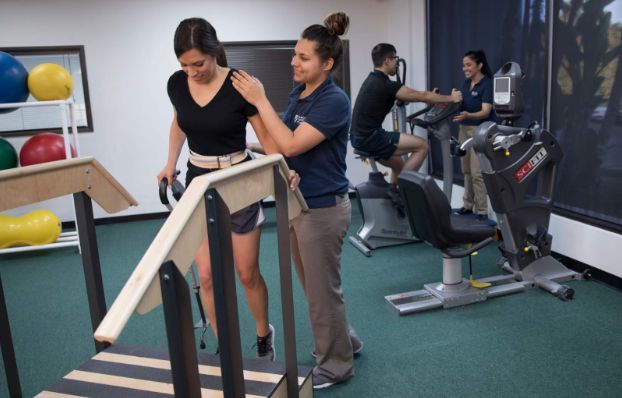
How Can PTAs Support Patients Who Are Nervous, Frustrated, or in Pain?
Many patients enter physical therapy feeling uncertain or discouraged. PTAs play an important role in easing these concerns through thoughtful communication. Explaining each activity before it begins helps patients feel prepared and informed. Listening attentively to questions or discomfort signals shows respect for the patient’s experience.2
Consistent encouragement and calm reassurance can also help patients remain engaged during challenging moments. Nonverbal communication, including tone of voice and attentive body language, further supports trust and comfort during therapy sessions.2
Developing Communication Skills in the PTA Program at Stanbridge University
The Associate of Science in Physical Therapist Assistant program at Stanbridge University integrates communication development throughout coursework and supervised clinical education. Students engage in instruction that emphasizes patient interaction, documentation accuracy, and professional collaboration.
The program is accredited by the Commission on Accreditation in Physical Therapy Education (CAPTE), which evaluates PTA programs against nationally recognized educational standards.³ Stanbridge University is institutionally accredited by the Accrediting Commission of Career Schools and Colleges (ACCSC).⁴
Stanbridge graduates have also demonstrated strong performance on the National Physical Therapy Examination for PTAs. Multi-year data shows a 100 percent ultimate pass rate at both the Orange County and Los Angeles campuses, reflecting consistent academic preparation and exam readiness.⁵
Stanbridge University Recognition
Stanbridge University offers healthcare degree programs across its Southern California campuses in Irvine, Alhambra, Riverside, and San Marcos. The university has been recognized for both academic excellence and workplace culture, including recognition in the 2025 Carnegie Classifications as an Opportunity College and in Research.com’s 2024 Best Healthcare Degree Programs in America.
Stanbridge University’s Orange County campus earned the 2024–2025 ACCSC School of Excellence Award, and in 2025, Georgetown University’s Center on Education and the Workforce ranked Stanbridge among the top 5% of U.S. colleges for 10-year return on investment, based on earnings and tuition data from qualifying programs. Stanbridge is accredited by Investors in People (London) and certified as a Great Place to Work.
Complete award listings and sources are available at stanbridge.edu/awards.
Why Communication Remains Central to PTA Practice
Communication shapes how physical therapist assistants guide patients, collaborate with care teams, and contribute to safe treatment delivery.2 Strong PTA communication skills support patient understanding, professional accountability, and coordinated care.¹ For individuals preparing to enter the field, developing these skills early can support confident practice and meaningful patient interactions throughout a PTA career.
Want to learn how communication skills are developed through structured coursework and clinical education? Explore the Physical Therapist Assistant program at Stanbridge University. You may also schedule a meeting with an admissions representative to discuss program expectations, accreditation, and next steps.
FAQs
Question: Why are communication skills important for PTAs?
Answer: Strong communication skills support safe instruction, accurate reporting, and effective collaboration with healthcare teams.¹
Question: What is the PTA’s role in communicating with PTs and nurses?
Answer: PTAs share patient observations and treatment updates that inform care decisions.¹²
Question: How can PTAs support anxious or frustrated patients?
Answer: PTAs can support anxious or frustrated patients through providing clear explanations, attentive listening, and consistent reassurance during therapy.¹
Question: Do PTAs receive formal training in professional documentation?
Answer: Yes. PTA programs include instruction on accurate clinical documentation to ensure continuity of care and compliance with healthcare standards.¹
Question: Are communication skills evaluated during PTA clinical rotations?
Answer: Yes. Clinical instructors assess verbal, nonverbal, and written communication as part of competency-based evaluations.³
Question: Why is interprofessional communication important in physical therapy settings?
Answer: Interprofessional communication supports coordinated care, reduces errors, and ensures patient safety across healthcare teams.¹
References
¹ Source: U.S. Bureau of Labor Statistics, Occupational Outlook Handbook, Physical Therapist Assistants and Aides. https://www.bls.gov/ooh/healthcare/physical-therapist-assistants-and-aides.htm. As viewed on December 10, 2025.
² Source: California Employment Development Department (EDD), Physical Therapist Assistants Occupational Profile. https://labormarketinfo.edd.ca.gov/cgi/databrowsing/occExplorerQSDetails.asp?searchCriteria=Physical+Therapist+Assistant&careerID=&menuChoice=&geogArea=0601000000&soccode=312021&search=Explore+Occupation. As viewed on December 10, 2025.
³ Source: Commission on Accreditation in Physical Therapy Education (CAPTE), Accredited Physical Therapist Assistant Programs. https://www.capteonline.org. As viewed on December 10, 2025.
⁴ Source: Accrediting Commission of Career Schools and Colleges (ACCSC), Accreditation Information. www.accsc.org. As viewed on December 10, 2025.
⁵ Source: NPTE for PTA Ultimate Pass Rate for Graduates, 2018/2019–2022/2023, Orange County and Los Angeles campuses; Federation of State Boards of Physical Therapy, Basic Pass Rate Report. As viewed on December 10, 2024.