From Patient Care to Progress Tracking: What Does a Physical Therapist Assistant Do?
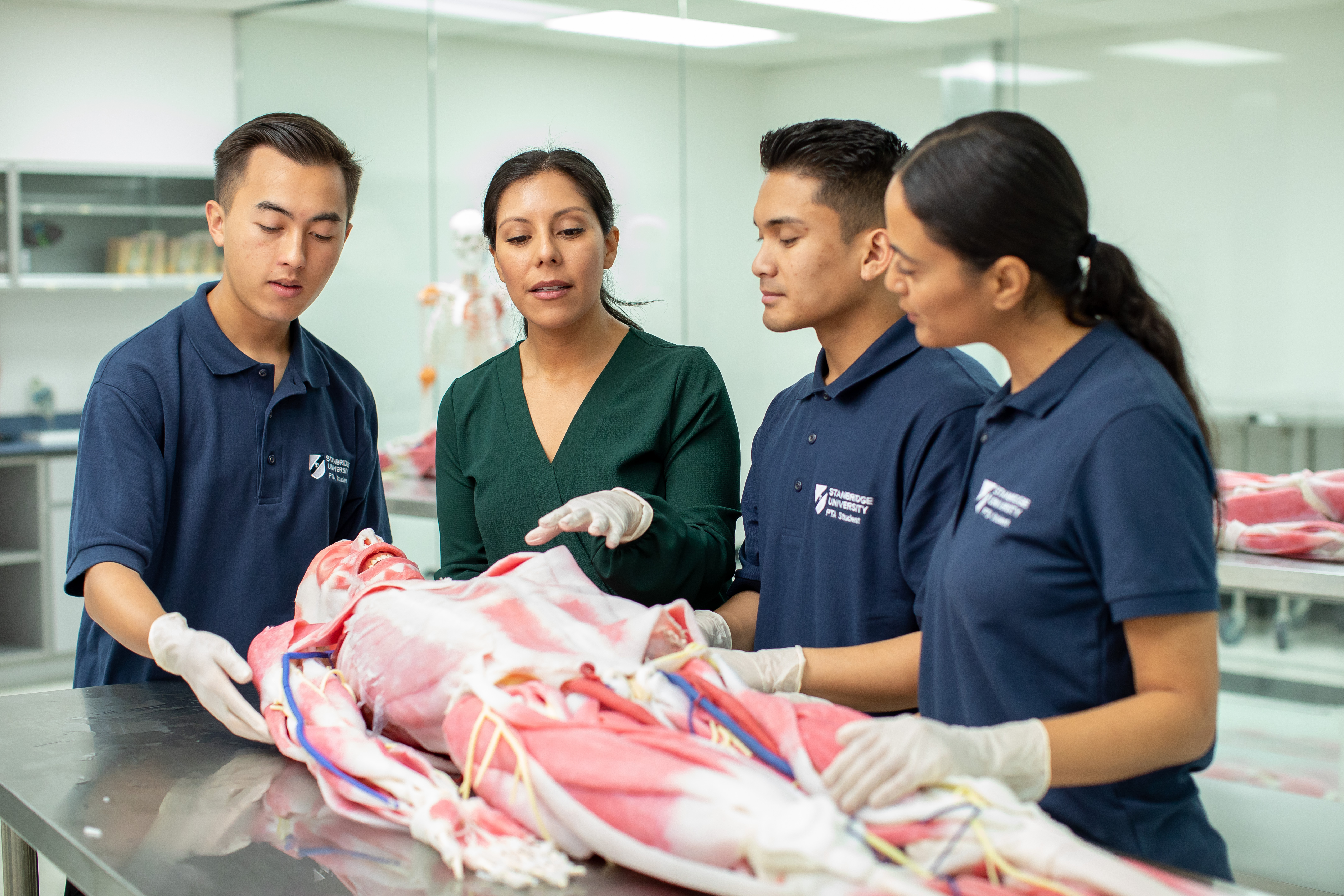
Summary
Key Points: What a Physical Therapy Assistant Does
- PTAs assist patients with mobility exercises, stretches, and strengthening routines.¹
- They administer treatments such as heat/cold therapy, ultrasound, and electrical stimulation under PT supervision.¹
- PTAs document patient progress, including observations and outcomes.¹
- They educate patients and families on home exercises and safe movement patterns.¹
- PTAs work in hospitals, clinics, skilled nursing facilities, home health, and rehab centers.²
- Becoming a PTA requires coursework in anatomy, kinesiology, therapeutic exercise, and patient care, plus supervised clinical training.¹
- Essential PTA skills include communication, organization, and problem-solving.²
- Stanbridge University’s PTA program includes skills labs, clinical education, accreditation by CAPTE, and takes about 20–21 months.⁴’⁵
- Stanbridge graduates have a 100% multi-year NPTE pass rate at both campuses.⁶
- Stanbridge University is widely recognized for academic excellence, workplace culture, and strong ROI outcomes.⁷’⁸’⁹’¹⁰’¹¹’¹²
What does a physical therapy assistant do? Physical therapist assistants, often called PTAs, support licensed physical therapists by guiding patients through therapeutic exercises and treatments that promote safe recovery.¹ In this article, you will learn what PTAs do each day, where they work, and how Stanbridge University prepares prospective PTAs to enter this field confidently.
What Does a Physical Therapy Assistant Do?
PTAs perform a wide range of duties that support effective rehabilitation. Their responsibilities involve patient care, treatment application, progress tracking, and patient education.¹
Assisting With Patient Care Activities
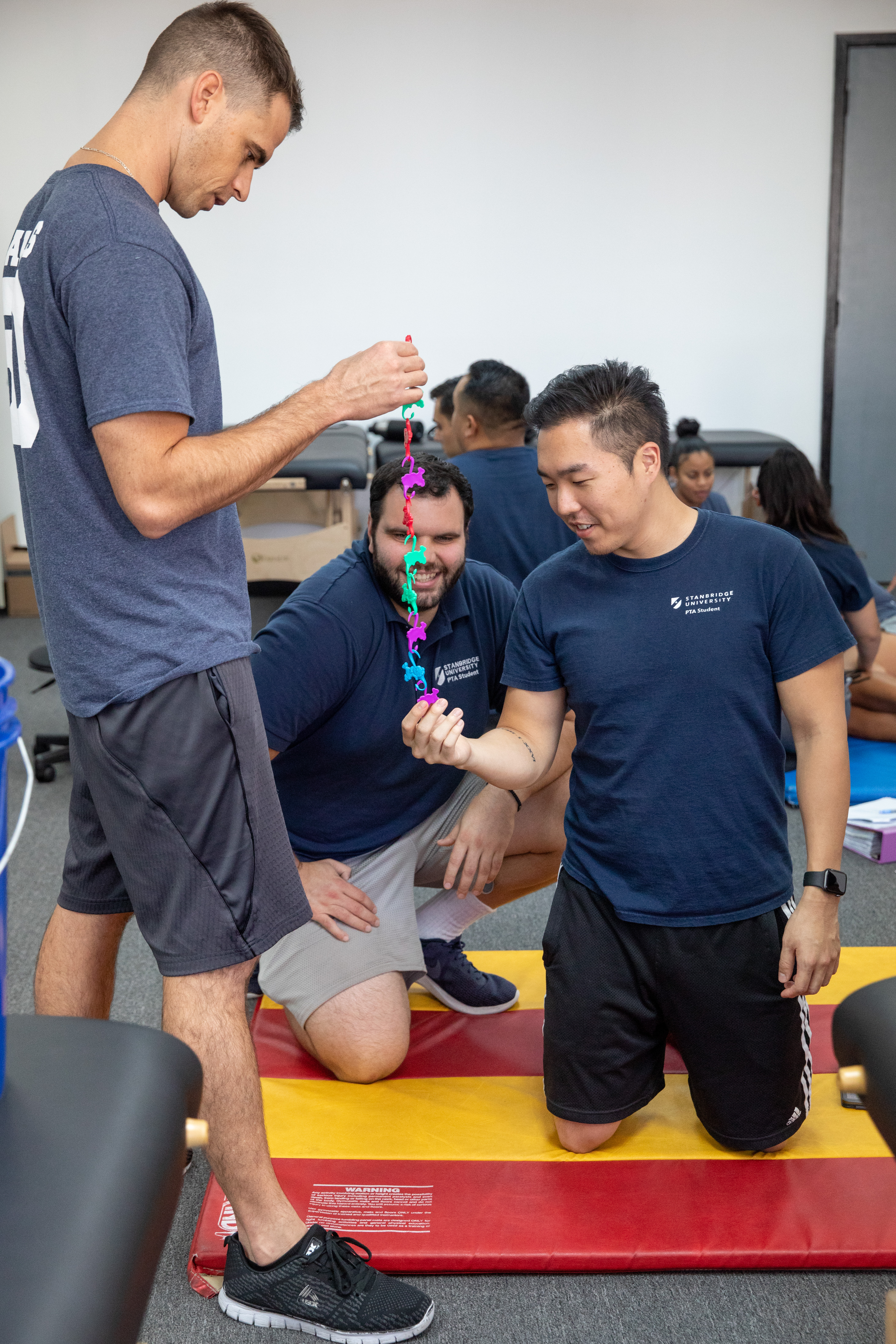
PTAs support patients by guiding them through mobility exercises, stretches, and strengthening routines that align with treatment goals. They help patients practice movements safely and provide consistent encouragement as progress is made.¹
Administering Therapeutic Treatments
Under the direction of a licensed physical therapist, PTAs may apply treatments such as heat or cold therapy, ultrasound, or electrical stimulation. They also help patients understand how these treatments support healing and mobility.¹
Tracking and Documenting Patient Progress
PTAs document each session carefully. They record observations, patient responses, and measurable outcomes. This information helps the supervising physical therapist adjust treatment plans when needed.¹
Educating Patients and Families
PTAs reinforce home exercise programs and help patients learn safer movement patterns. Education is an essential part of improving long-term function and preventing re-injury.¹
To explore the full responsibilities of a Physical Therapist Assistant, read our blog on, What is Physical Therapy.
Where Do Physical Therapist Assistants Work?
PTAs are employed in a variety of clinical settings throughout California. According to the Employment Development Department (EDD), many PTAs work in offices of other health practitioners, hospitals, skilled nursing facilities, home health organizations, and rehabilitation centers.² This variety allows PTAs to choose environments that match their interests and strengths.
Is Becoming a PTA Hard?
The path to becoming a PTA requires commitment, focus, and strong communication skills.¹ Coursework typically includes anatomy, kinesiology, therapeutic exercise, and patient care techniques.¹ Clinical education also helps students apply what they have learned in supervised settings.¹ Budding PTAs may find the process challenging but rewarding as their skills grow over time.
What Are the Necessary Skills for a Physical Therapist Assistant?
Success as a physical therapist assistant depends on a blend of technical and interpersonal strengths. PTAs benefit from strong communication skills that help them explain exercises clearly and support patient progress.²
Organizational skills are also important, since PTAs often assist with treatment documentation and scheduling.² Problem-solving abilities also help students adjust exercises safely and effectively under the direction of a physical therapist.² These foundational skills can be cultivated throughout PTA training and may continue to strengthen during supervised clinical experiences.
Preparing for a PTA Career at Stanbridge University
The Associate of Science in Physical Therapist Assistant program at Stanbridge University provides students with the academic foundation and applied training needed to pursue entry-level positions as physical therapist assistants. The program is offered at the Orange County and Los Angeles campuses and provides training through skills labs and supervised clinical education.
Students progress through coursework that covers essential topics such as musculoskeletal rehabilitation, neuromuscular interventions, therapeutic exercise, kinesiology, anatomy and physiology, patient care techniques, and documentation practices. Laboratory experiences help reinforce classroom learning, allowing students to apply modalities, practice safe mobility assistance, and learn therapeutic techniques under faculty guidance while learning how to become a physical therapist assistant.
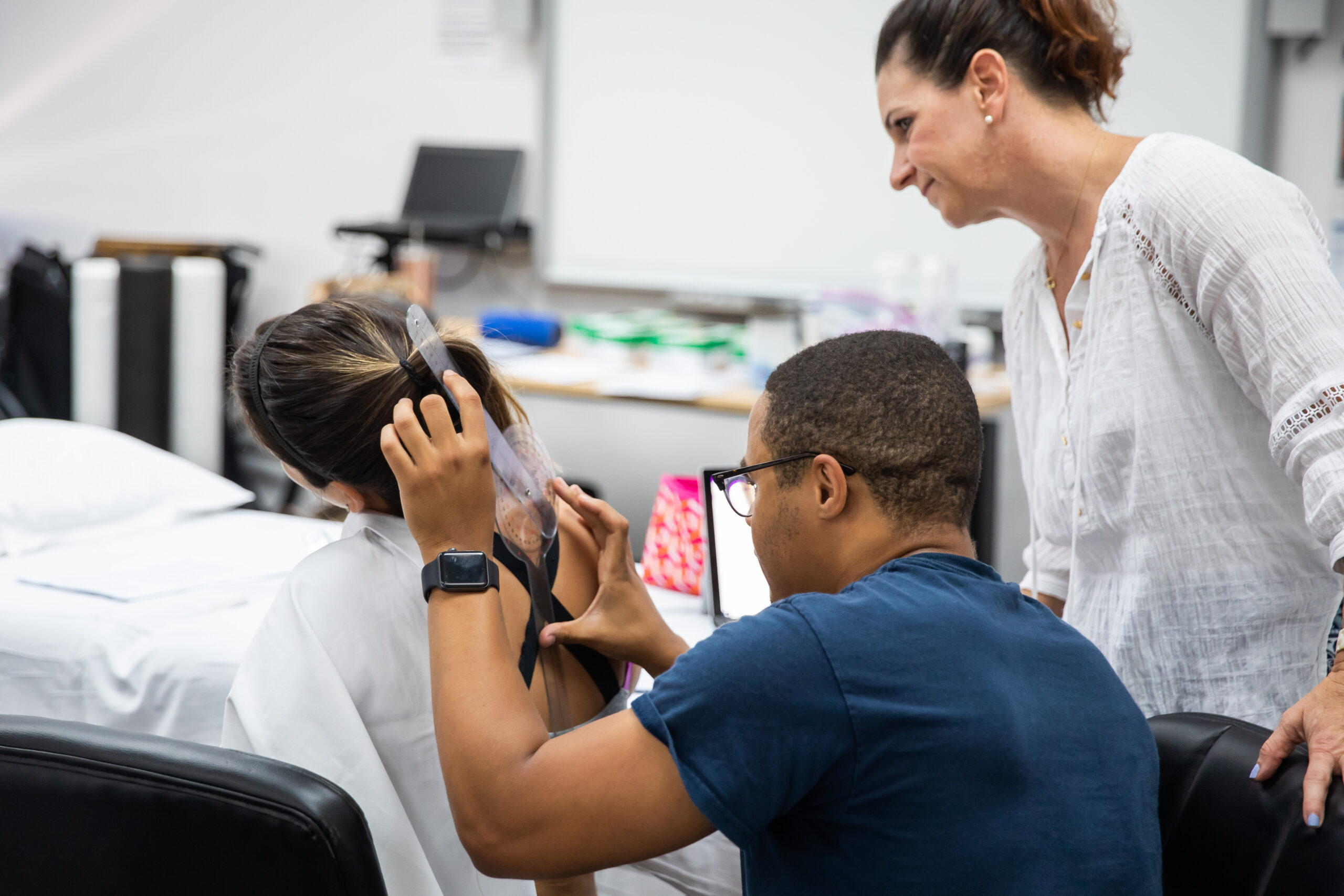
The program is accredited by CAPTE, which evaluates programs against nationally recognized standards for PTA education. Stanbridge University is also institutionally accredited by the Accrediting Commission of Career Schools and Colleges (ACCSC).⁴
The program length is approximately 20 to 21 months,⁵ and after graduation, students may apply for licensure in accordance with state requirements after passing their NPTE exam.
Furthermore, Stanbridge University graduates have demonstrated strong performance on the National Physical Therapy Exam for PTAs. For example, recent multi-year averages show a 100 percent pass rate at both the Orange County campus and the Los Angeles campus.⁶ These outcomes reflect the university’s commitment to academic quality and student learning.
Stanbridge University Recognition
Stanbridge University offers healthcare degree programs across its Southern California campuses in Irvine, Alhambra, Riverside, and San Marcos. The university has been recognized for both academic excellence and workplace culture, including recognition in the 2025 Carnegie Classifications as an Opportunity College⁷ and in Research.com’s 2024 Best Healthcare Degree Programs in America.⁸
Its Orange County campus earned the 2024–2025 ACCSC School of Excellence Award,⁹ and in 2025, Georgetown University’s Center on Education and the Workforce ranked Stanbridge among the top 5% of U.S. colleges for 10-year return on investment, based on earnings and tuition data from qualifying programs.¹⁰ Stanbridge is accredited by Investors in People (London)¹¹ and certified as a Great Place to Work.¹²
Preparing for a Career as a Physical Therapist Assistant
What does a physical therapy assistant do? PTAs guide individuals through rehabilitation activities, track progress, and support treatment plans created by licensed physical therapists.¹ If you are interested in a meaningful healthcare role that focuses on supporting patient mobility, the PTA pathway may be a strong fit for your goals.
Would you like to learn more about the Physical Therapist Assistant program at Stanbridge University? Please visit the program page for additional details or schedule a meeting with the admissions team.
Frequently Asked Questions
Question: What are the main duties of a physical therapy assistant?
Answer: PTAs assist with therapeutic exercises, administer certain treatments under the direction of a PT, document patient progress, and help educate patients and families about rehabilitation techniques.¹
Question: Is becoming a PTA hard?
Answer: PTA programs require consistent effort, effective study strategies, and strong communication skills. Students may find the experience challenging but achievable with support and preparation.
Question: What are the necessary skills for a PTA?
Answer: Strong communication, attention to detail, patience, and the ability to follow treatment instructions accurately all support long-term success in PTA roles.²
Question: How long does it take to become a physical therapy assistant?
Answer: The PTA program offered at Stanbridge University lasts approximately 20 to 21 months,⁵
Question: Where can physical therapy assistants work?
Answer: PTAs can work in outpatient clinics, hospitals, skilled nursing facilities, rehabilitation centers, and home health settings.²
Question: Do PTAs need a license to practice?
Answer: Yes. Physical therapist assistants must graduate from an accredited PTA program and pass the National Physical Therapy Exam (NPTE) for PTAs to become licensed.³
_____
References
¹ Source: U.S. Bureau of Labor Statistics, Occupational Outlook Handbook, Physical Therapist Assistants and Aides. https://www.bls.gov/ooh/healthcare/physical-therapist-assistants-and-aides.htm. As viewed on November 11, 2025.
² Source: California Employment Development Department (EDD), Occupational Profile for Physical Therapist Assistants in California. https://labormarketinfo.edd.ca.gov/cgi/databrowsing/occExplorerQSDetails.asp?searchCriteria=Physical+Therapist+Assistant&geogArea=0601000000&soccode=312021. As viewed on November 10, 2025.
³ Source: Commission on Accreditation in Physical Therapy Education (CAPTE), Directory of Accredited Programs. https://www.capteonline.org. As viewed on November 10, 2025.
⁴ Source: Accrediting Commission of Career Schools and Colleges (ACCSC). www.accsc.org. As viewed on November 10, 2025.
⁵ Program duration subject to change. Completion times vary depending upon the start and end dates of a cohort and any individual circumstances that may impact progression.
⁶ Source: NPTE for PTA Ultimate and First Time Pass Rate for graduates, 2023/2024, Orange County and Los Angeles campuses. The Federation of State Boards of Physical Therapy; Basic Pass Rate Report. As viewed on November 10, 2025.
⁷ Source: https://carnegieclassifications.acenet.edu/institution/stanbridge-university/. As viewed on May 21, 2025.
⁸ Source: Research.com, 2024 Best Healthcare Degree Programs Ranking in America, https://research.com/rankings/healthcare/best-healthcare-usa/?award=f3d66c8ef200b579. Email communication from Chief Data Scientist and Ranking Editor, Imed Bouchrika, Ph.D., to Director of Marketing, Victoria Sauer. As viewed on December 12, 2024.
⁹ Source: Stanbridge University, Orange County campus, Accrediting Commission of Career Schools and Colleges (ACCSC) School of Excellence 2025 Award. Email communication from Michelle Ragland, Member Services and Events Manager, ACCSC, to Director of Marketing, Victoria Sauer. As viewed on July 17, 2025.
¹⁰ Source: https://cew.georgetown.edu/cew-reports/roi2025/. As viewed March 19, 2025.
¹¹ Source: Investors in People. https://www.investorsinpeople.com/. As viewed on June 13, 2025.
¹² Source: Great Place to Work. https://www.greatplacetowork.com/certified-company/7021962. As viewed on September 17, 2025.