3 Tips for Balancing Life With a Full-Time BSN Program at Stanbridge University
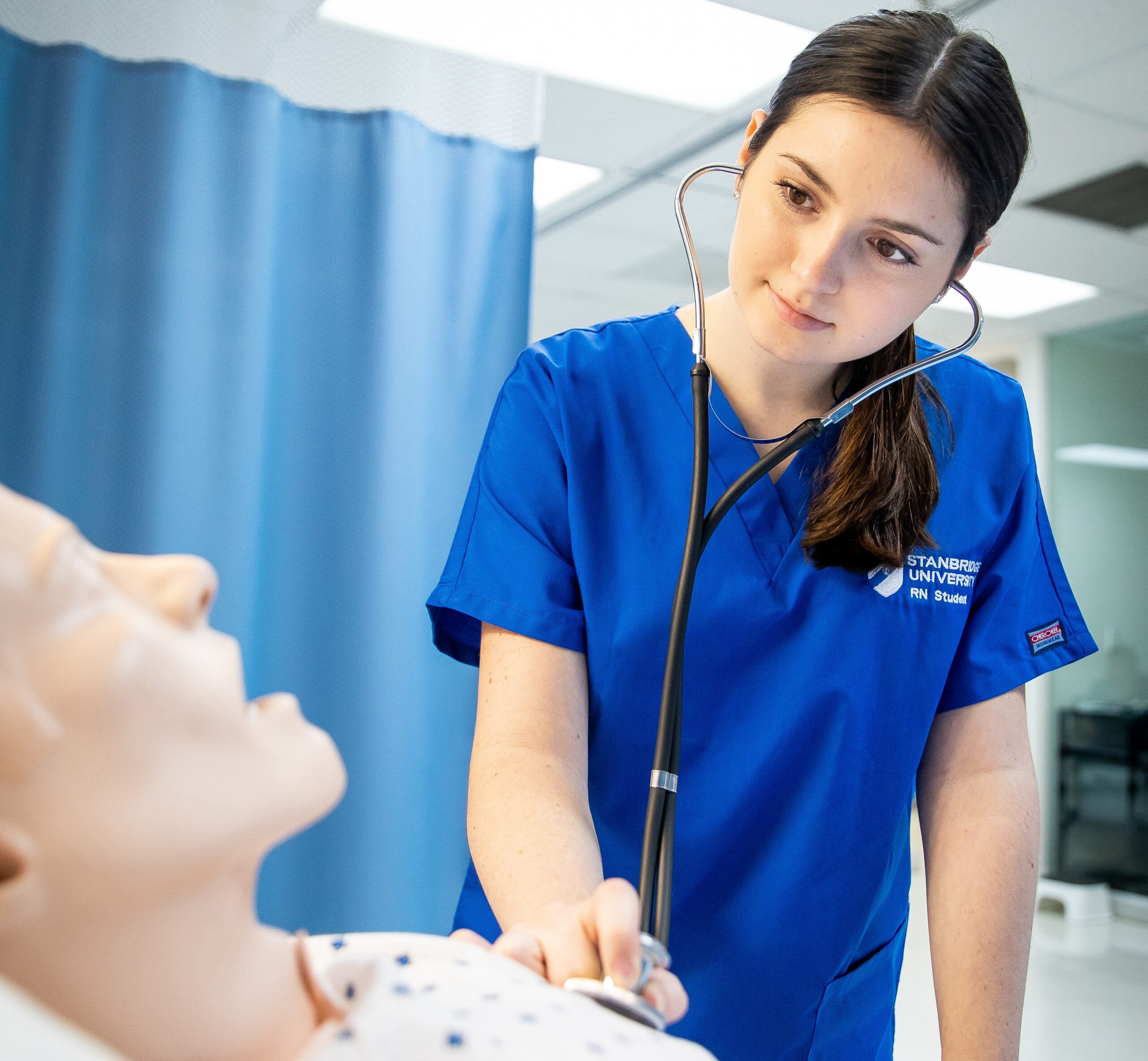
A Basic Overview: How to Balance Nursing School and Life in a Full-Time BSN Program
- A full-time BSN program requires a significant weekly time commitment for classes, clinicals, and independent study. Planning ahead helps students manage these demands effectively.
- BSN students may choose not to work or work limited hours while enrolled, depending on their schedules, financial needs, and personal responsibilities.
- Practical time management strategies, such as structured study blocks, early exam preparation, and consistent routines, can help reduce stress and prevent burnout.
- Support from family and friends often plays an important role in helping BSN students stay focused, organized, and balanced throughout the program.
Pursuing a Bachelor of Science in Nursing at Stanbridge Univeristy is an important academic and professional commitment. A full-time BSN program requires consistent focus, structured study time, and emotional resilience. At the same time, students often continue to manage family responsibilities, employment, and personal obligations alongside their coursework. Learning how to organize these demands effectively is a key part of long-term success in nursing education.
Developing strong BSN time management tips early can help students maintain balance, reduce stress, and remain engaged throughout the program. The following strategies focus on realistic planning, healthy boundaries, and support systems that help students navigate the academic intensity of a full-time BSN program while maintaining personal well-being.
Tip 1: Plan Weekly Time Commitments Realistically
One of the most important BSN time management tips is understanding how much time nursing school truly requires. BSN students should expect to dedicate a significant portion of each week to scheduled classes, labs, and clinical preparation, in addition to independent study. Beyond this, nursing students may also be required to spend additional hours studying outside of class, especially when balancing demanding science subjects or clinical responsibilities.
How many hours per week should BSN students plan for classes and study? Creating a structured weekly schedule can help students visualize their commitments and avoid overloading any single day. Blocking time for lectures, study sessions, skills practice, and rest encourages consistency and reduces last-minute stress. Planning also makes it easier to communicate availability to employers, family members, and peers. With adequate planning, you’ll know what to expect throughout your journey through nursing school and can make arrangements for your commitments.
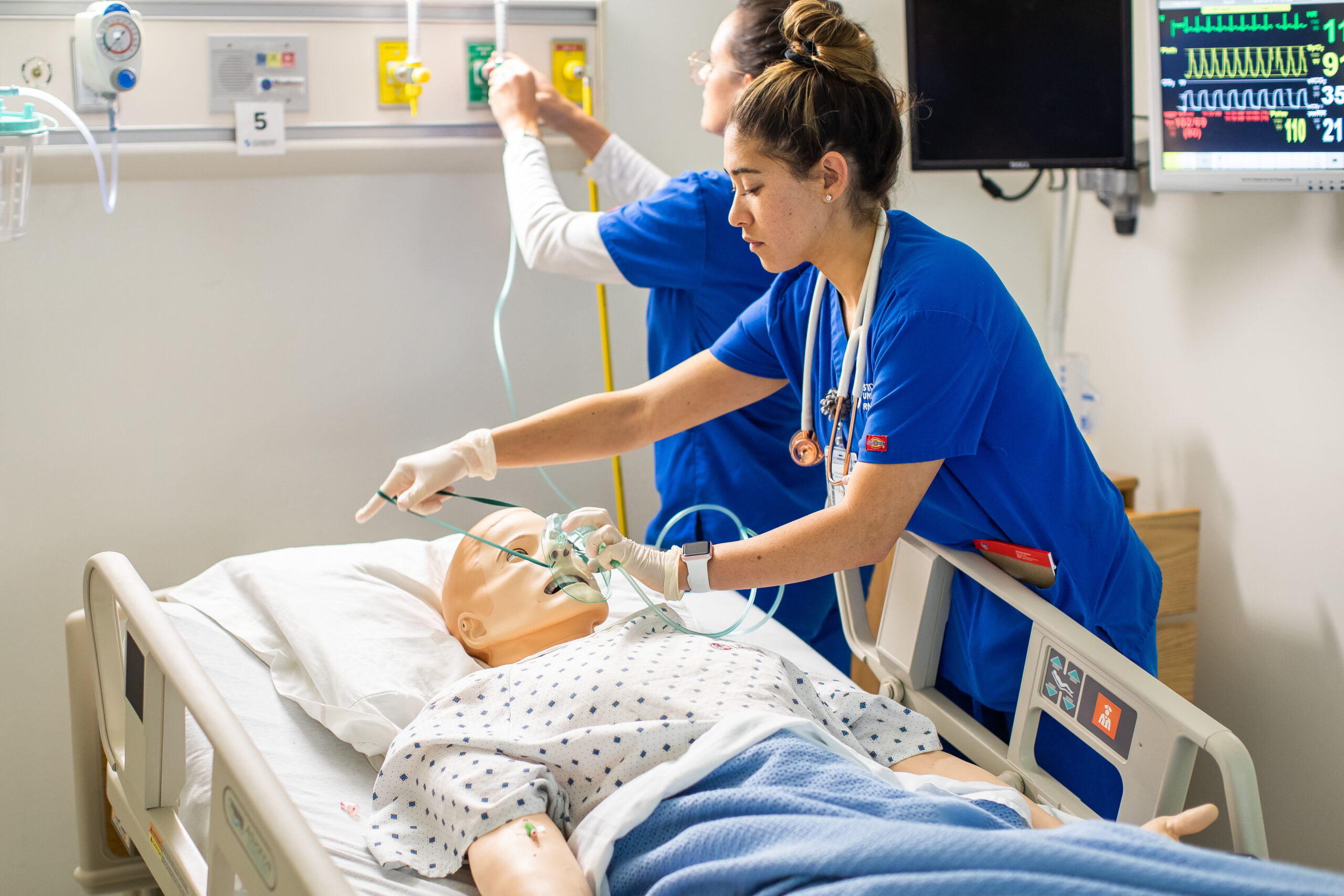
Tip 2: Set Clear Boundaries Around Work and School
Tip 2: Set Clear Boundaries Around Work and School
Prospective students often ask, “Can BSN students work part-time while enrolled full-time in Stanbridge University’s’ BSN program. While BSN students can maintain part-time employment, it is important to approach this decision carefully. Nursing coursework, exams, and clinical preparation can be demanding, and schedules may change between terms.
Students who choose to work part-time may benefit from selecting flexible roles and limiting weekly hours. Setting clear boundaries helps protect study time and prevents burnout. Open communication with employers about academic priorities can also reduce scheduling conflicts. Ultimately, balancing nursing school and life requires ongoing assessment and a willingness to adjust commitments as academic demands evolve.
Tip 3: Use Time Management Strategies That Support Well-Being
Effective time management is not only about productivity but also about sustainability. Techniques such as prioritizing tasks, breaking assignments into smaller steps, and setting realistic daily goals can help students stay focused without becoming overwhelmed. Regular review of course calendars and deadlines also supports proactive planning.
What time management strategies help BSN students avoid burnout? Adequate sleep, physical activity, and social connection play a role in academic performance and emotional health. It is equally important to ensure time for rest and personal activities. Students who build these habits early are often better equipped to manage stress throughout the program.
The Role of Family and Friends in Student Success
Support from family and friends can make a meaningful difference during a BSN program. Loved ones can assist by helping with household responsibilities, offering encouragement during challenging periods, and respecting study schedules. Clear communication about academic expectations helps build understanding and shared commitment to the student’s goals.
Having a support network also reinforces motivation during demanding times. Even small gestures, such as checking in before exams or celebrating milestones, contribute to a more balanced educational experience.

About the BSN Program at Stanbridge University
The Bachelor of Science in Nursing program at Stanbridge University is designed to prepare students for professional nursing practice through a structured sequence of general education and nursing core courses, hands-on skills labs, and supervised clinical education. The program typically takes approximately 36 to 37 months to complete, depending on cohort scheduling and individual progression.¹ Throughout the program, students build competencies in patient care, clinical reasoning, leadership, and evidence-based practice across a range of healthcare settings.
The BSN program is approved by the California Board of Registered Nursing and accredited by the Commission on Collegiate Nursing Education (CCNE), reflecting alignment with established standards for nursing education.² ³ Graduates are eligible to sit for the NCLEX-RN examination. According to the most recent publicly available data, 100 percent of BSN graduates who tested in the 2023–2024 reporting year passed the NCLEX-RN on their first attempt (68 test takers), indicating strong exam performance among program completers.⁴ Eligible BSN graduates may also apply to continue into the Master of Science in Nursing Education program under specific conditions and university policies, following successful program completion and licensure.⁵
Stanbridge University Recognition
Stanbridge University offers healthcare degree programs across its Southern California campuses in Irvine, Alhambra, Riverside, and San Marcos. The university has been recognized for both academic excellence and workplace culture, including recognition in the 2025 Carnegie Classifications as an Opportunity College and in Research.com’s 2024 Best Healthcare Degree Programs in America.
Stanbridge University’s Orange County campus earned the 2024–2025 ACCSC School of Excellence Award, and in 2025, Georgetown University’s Center on Education and the Workforce ranked Stanbridge among the top 5% of U.S. colleges for 10-year return on investment, based on earnings and tuition data from qualifying programs. Stanbridge is accredited by Investors in People (London) and certified as a Great Place to Work.
Complete award listings and sources are available at stanbridge.edu/awards.
Supporting Your Nursing Journey at Stanbridge University
Balancing academic rigor with personal responsibilities is a skill that develops over time. With thoughtful planning, supportive relationships, and effective time management strategies, students can navigate the demands of a full-time BSN program with greater confidence.
Stanbridge University offers academic advising, student services, and structured program support to help students stay focused on their educational goals. If you are preparing for nursing school or are currently enrolled, refining your approach to time management with these BSN time management tips can help create a more sustainable and rewarding academic experience.
Balancing the demands of a full-time nursing program takes planning, focus, and the right academic support.
Visit the program page to learn more about the Bachelor of Science in Nursing program at Stanbridge University and how its structured curriculum, student services, and faculty guidance support nursing students throughout their educational journey. You may also schedule a meeting with an admissions representative to discuss program expectations, timelines, and next steps.
FAQs
Q: How many hours per week should BSN students plan for classes and study?
A: This depends on the program; creating a structured weekly schedule can help students visualize their commitments and avoid overloading any single day.
Q: Can BSN students work part-time while enrolled full-time?
A: While BSN students can maintain part-time employment, it is important to approach this decision carefully. Nursing coursework, exams, and clinical preparation can be demanding, and schedules may change between terms.
Q: What time management strategies help BSN students avoid burnout?
A: It is equally important to ensure time for rest and personal activities. Adequate sleep, physical activity, and social connection play a role in academic performance and emotional health.
Q: How can family and friends support someone in a BSN program?
A: Supporting a BSN student may include helping with daily responsibilities, respecting study schedules, offering encouragement during demanding periods, and maintaining open communication about academic expectations.Q: How far in advance should BSN students plan for exams and clinical rotations?
A: BSN students are encouraged to review course syllabi and clinical schedules at the start of each term. Planning several weeks ahead allows students to allocate study time, prepare for skills check-offs, and adjust personal commitments as clinical demands increase.
References
¹ Program duration subject to change. Completion times vary depending on the start and end dates of a cohort and any individual circumstances that may impact progression.
² Source: California Board of Registered Nursing (BRN), Pre-Licensure Registered Nursing Programs in California. https://www.rn.ca.gov/education/rnprograms.shtml. As viewed on January 10, 2025.
³ Source: Commission on Collegiate Nursing Education (CCNE), Accredited Nursing Programs in California. https://directory.ccnecommunity.org/reports/rptAccreditedPrograms_New.asp?state=CA&sFullName=California. As viewed on January 10, 2025.
⁴ Source: California Board of Registered Nursing, NCLEX-RN Pass Rates, BSN Program, 2023–2024. http://www.rn.ca.gov/education/passrates.shtml. As viewed on January 10, 2025.
⁵ The MSN-Ed program is available at no cost to Stanbridge University Bachelor of Science in Nursing graduates who began their program on or after August 2024 and who enroll in the Master of Science in Nursing Education program beginning immediately after graduating and obtaining their NCLEX-RN licensure.