Stanbridge University Partners in Blue Zones Ignite™ to Advance Community Health in San Marcos

Stanbridge University serves as an education partner in the City of San Marcos’ launch of Blue Zones Ignite™, a community-wide initiative focused on long-term well-being.
The initiative brings together healthcare, housing, and education leaders to apply research-backed strategies that make healthy choices easier in the places where people live, work, and learn. Through its role as a partner, Stanbridge University reinforces its commitment to prevention, public health, and sustainable community impact.
What Is Blue Zones Ignite™?
Blue Zones Ignite™ begins with a citywide readiness and feasibility assessment. This assessment examines how local policies, systems, streets, and social environments influence daily health behaviors.
Rather than focusing only on individual habits, Blue Zones emphasizes environmental change. As a result, communities can support healthier living by shaping surroundings that encourage movement, connection, and better nutrition.
Communities that adopt Blue Zones strategies have reported lower smoking and obesity rates. In addition, many experience improved economic vitality and reduced healthcare costs. Learn more about the Blue Zones Ignite™ initiative in San Marcos and its community-wide approach to well-being.

Why This Matters to Stanbridge University
Stanbridge University educates future healthcare professionals who understand that health begins beyond clinical settings. Factors such as environment, access, and social connection strongly influence patient outcomes.
For this reason, participation in initiatives like Blue Zones Ignite™ aligns with Stanbridge University’s broader community engagement efforts and its emphasis on prevention and public health. Students, faculty, and staff benefit from living and learning in a community that prioritizes well-being across all stages of life.
Stanbridge also collaborates with organizations such as TrueCare and Gary and Mary West PACE, alongside local government and development partners, to help drive meaningful and lasting community change.
A Community-Led Effort in San Marcos
San Marcos already offers a strong foundation for healthy living through its parks, trails, and community-focused design. Building on this momentum, the Blue Zones Ignite™ assessment will help identify opportunities for continued improvement.
“We are proud of our leadership role in bringing Blue Zones to San Diego County,” said San Marcos Mayor Rebecca Jones. “San Marcos already has all the ingredients for living a long and healthy life. Going through the Blue Zones Ignite assessment will give us the data we need to continue on this path.”
City leaders view the initiative as a data-informed way to guide future decisions. Ultimately, the goal is to ensure San Marcos continues to thrive as a place where people can live, work, learn, and age well. Read the City of San Marcos Blue Zones Ignite™ announcement for additional details.
How Blue Zones Supports Long-Term Well-Being
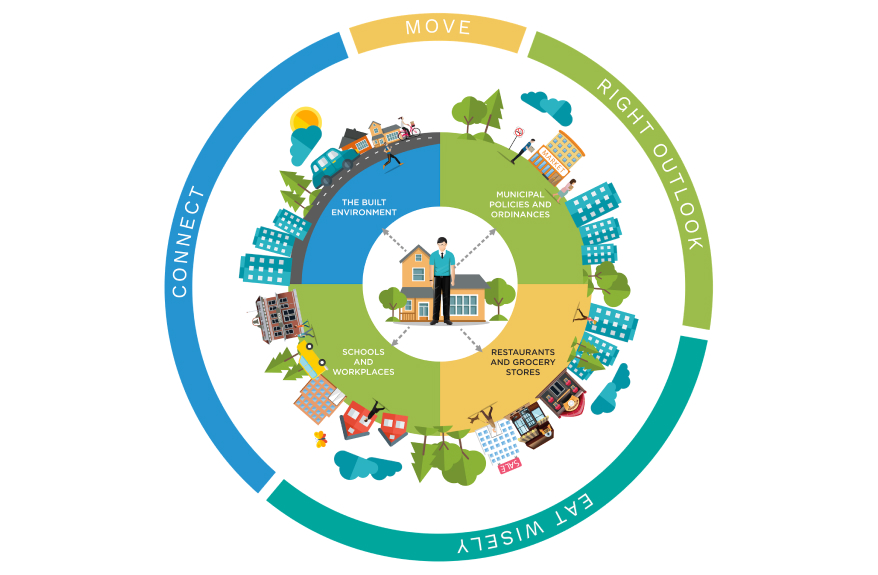
Blue Zones focuses on improving the Life Radius®, the area near home where people spend most of their time. Because daily surroundings shape routine behaviors, even small environmental changes can produce lasting benefits.
- By adjusting policies, built environments, and social networks, communities can make healthy behaviors more natural and accessible. Over time, this approach strengthens families, neighborhoods, and future generations.
FAQs
What is Blue Zones Ignite™ in San Marcos?
Blue Zones Ignite™ is a community assessment led by the City of San Marcos and Blue Zones. It evaluates how local environments, policies, and social systems support healthy living. The goal is to identify opportunities that help residents live longer, healthier lives through sustainable community change.
How is Stanbridge University involved in the Blue Zones Ignite™ initiative?
Stanbridge University participates as an education partner in the City of San Marcos’ Blue Zones Ignite™ initiative. The University supports efforts that promote prevention, well-being, and healthier environments, which align with its mission to educate future healthcare professionals and serve the surrounding community.
Why does Stanbridge University participate in community health initiatives?
Stanbridge University believes that health extends beyond clinical care. Community design, access, and social connection play a major role in long-term health outcomes. By participating in initiatives like Blue Zones Ignite™, Stanbridge reinforces its commitment to prevention, public health, and improving well-being at the community level.
How does this initiative align with Stanbridge University’s academic mission?
Stanbridge University prepares students for real-world healthcare challenges. Community-based initiatives expose students and faculty to population health concepts, prevention strategies, and cross-sector collaboration. These experiences support educational outcomes while strengthening the communities where students live and learn.
How do community partnerships benefit Stanbridge students and faculty?
Community partnerships create opportunities for learning beyond the classroom. Students and faculty benefit from living and working in healthier environments, engaging with public health initiatives, and supporting efforts that reflect the realities of modern healthcare delivery and prevention-focused care.
Is Stanbridge University involved in other community outreach initiatives?
Yes. Stanbridge University regularly partners with local organizations, healthcare providers, and community groups to support education, workforce development, and health-related initiatives. Participation in Blue Zones Ignite™ reflects the University’s broader commitment to community engagement and service.
Why is community well-being important to healthcare education?
Healthcare outcomes depend heavily on environmental and social factors. Understanding these influences helps future healthcare professionals deliver more effective, compassionate care. Community well-being initiatives reinforce the importance of prevention, equity, and systems-based approaches in healthcare education.