How to Compare Nursing Programs in California: What You Should Look For
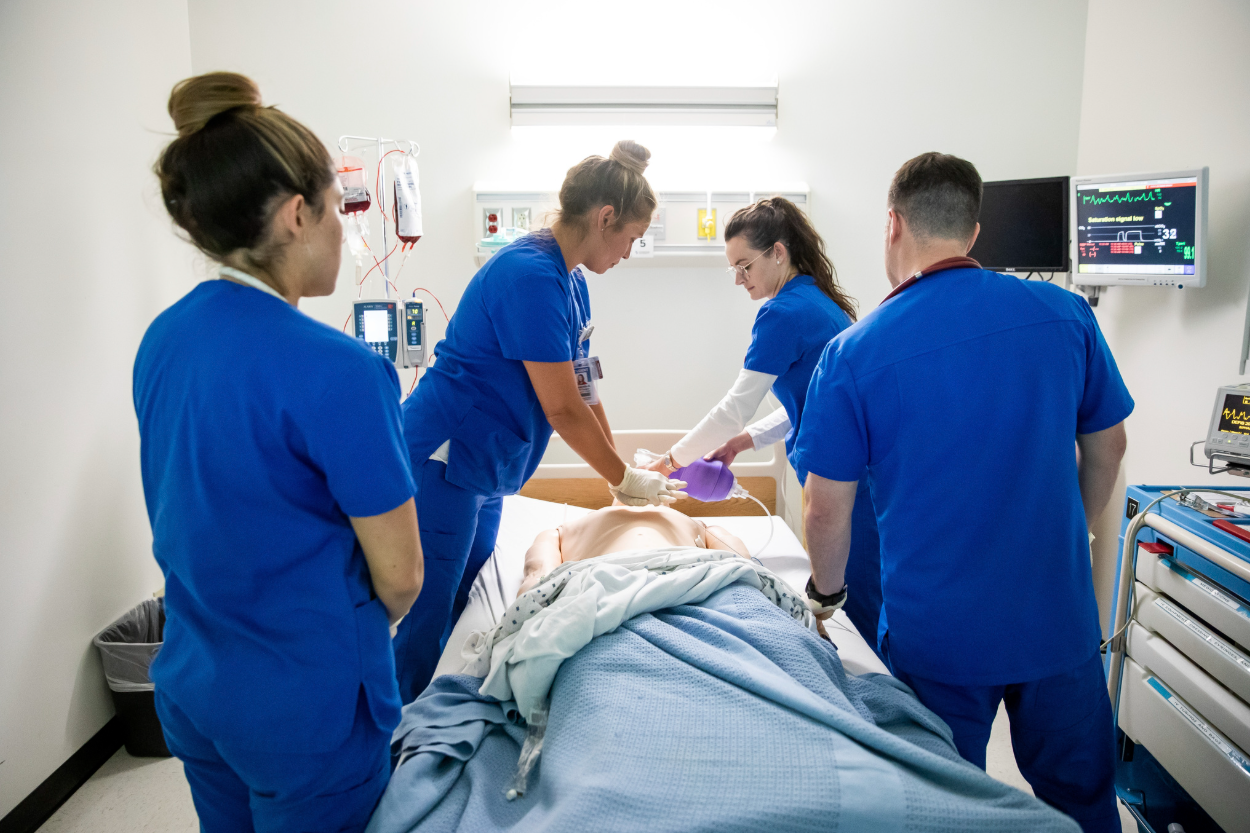
Understanding BSN and LVN Program Structure, Clinical Training, and Academic Support
If you’re exploring nursing programs in California, one of the first decisions you’ll face is choosing between a Licensed Vocational Nurse (LVN) pathway and a Bachelor of Science in Nursing (BSN) degree. Understanding how these programs differ in structure, clinical training, and licensure preparation can help you choose the option that aligns with your goals.
When comparing LVN and BSN nursing programs in California, key factors to review include program approval, curriculum structure, clinical training, scheduling, and academic support. To support your decision-making process, this guide outlines key elements students commonly review when comparing nursing programs in California, with specific considerations for both LVN and BSN pathways.
Program Approval and Accreditation in Nursing Programs in California
One of the most important steps in evaluating nursing programs in California is understanding program approval and accreditation. LVN and BSN programs must meet state specific requirements to ensure graduates are eligible to pursue licensure.
Licensed vocational nursing programs are approved by the California Board of Vocational Nursing and Psychiatric Technicians (BVNPT).1 Registered nursing programs are approved by the California Board of Registered Nursing (BRN).2 Approval confirms that programs meet educational standards related to curriculum, clinical hours, and faculty qualifications.
In addition, accreditation reflects further academic review by recognized accrediting organizations. For nursing programs, this may include accreditation by the Accreditation Commission for Education in Nursing (ACEN) for practical and professional nursing programs, or the Commission on Collegiate Nursing Education (CCNE) for baccalaureate level nursing education.3 4
Together, program approval and accreditation provide a framework that helps you determine whether a nursing program aligns with regulatory and educational expectations.
Licensure Eligibility for LVN and BSN Pathways
Beyond approval and accreditation, licensure eligibility is another critical factor when comparing nursing programs.
LVN programs prepare graduates to pursue licensure as licensed vocational nurses, while BSN programs prepare graduates for registered nursing licensure. Because each pathway leads to a different scope of practice, understanding which licensure exam a program prepares you for can clarify long-term professional options.5
Once you’ve clarified your licensure goals, you can review how coursework, skills labs, and clinical training align with state licensure requirements before making a decision.
Curriculum Structure in LVN and BSN Programs
Curriculum design varies across nursing programs in California and differs between LVN and BSN programs.
Generally, LVN programs focus on foundational nursing skills, patient care procedures, and supervised clinical practice. On the other hand, BSN programs include broader coursework in nursing theory, evidence-based practice, leadership, and community health in addition to clinical training.
Across both pathways, key curriculum components often include:
- Classroom-based instruction covering nursing concepts
- Skills laboratories that support hands-on practice
- Supervised clinical experiences in healthcare settings
By reviewing curriculum structure, you can better understand academic depth, time commitment, and progression expectations for each program type.
Clinical Training Models and Practice Experiences
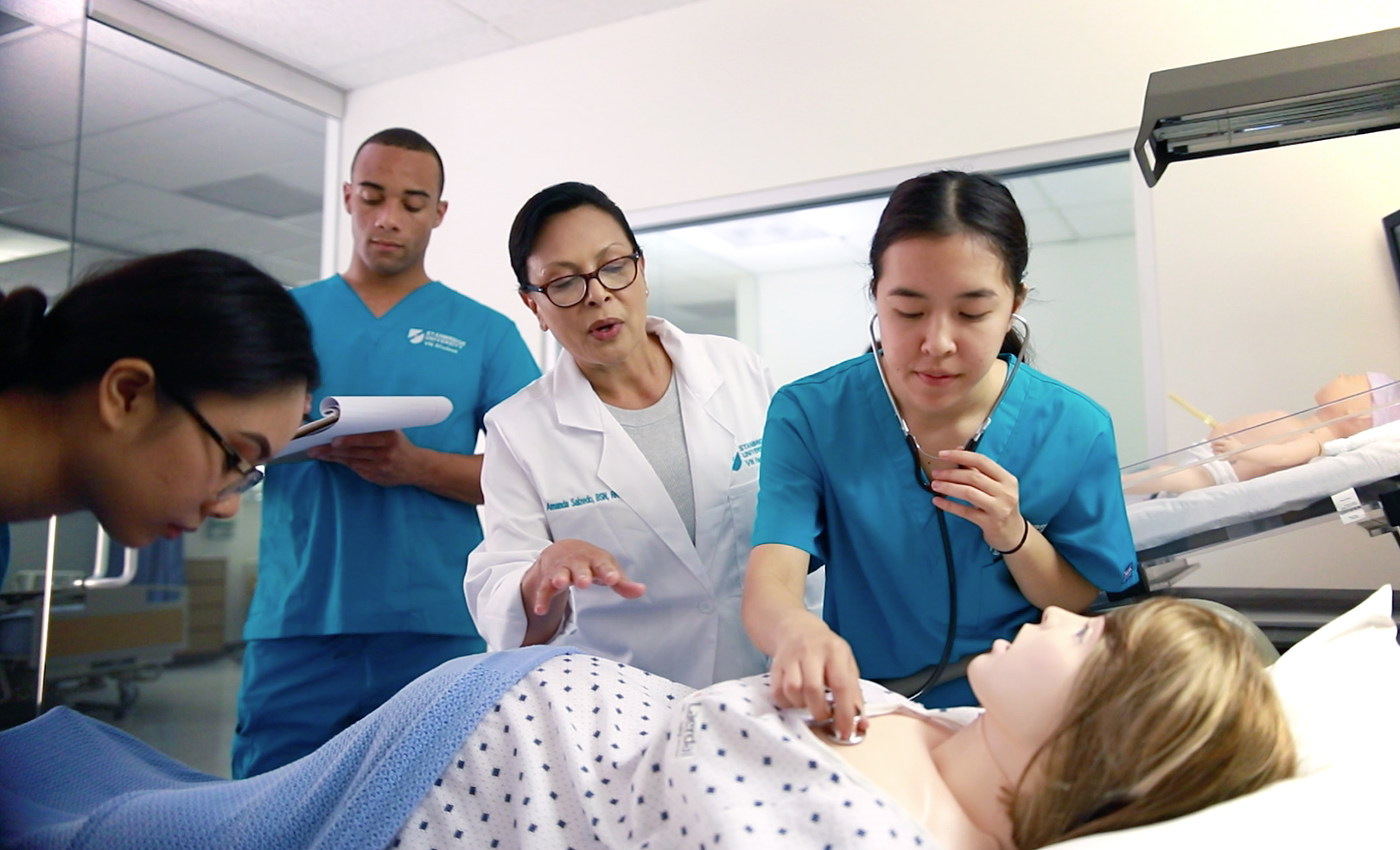
Clinical education is essential in both LVN and BSN programs. Nursing programs in California incorporate clinical training to allow you to apply theory to practice under supervision.
When comparing programs, you may look at:
- How clinical hours are integrated into the curriculum
- The types of healthcare settings used for LVN and BSN clinical placements
- Faculty oversight and evaluation during clinical experiences
Through clinical placements, you develop patient care skills, professional communication abilities, and safe practice behaviors in real world healthcare environments.
Scheduling Formats and Program Pacing
In addition to curriculum and clinical training, scheduling is another key consideration.
LVN and BSN programs may offer different pacing and scheduling formats depending on program structure. Therefore, students often evaluate how program expectations align with their availability and responsibilities.
Considerations may include:
- Daytime or evening schedules
- Full-time program expectations
- On-campus instruction combined with online coursework
Understanding scheduling formats allows you to determine how an LVN or BSN program fits within your personal and professional commitments.
Academic Support and Student Resources
Furthermore, academic support plays an important role in student success across nursing programs in California.
Nursing programs may provide resources designed to help you manage coursework, skills development, and clinical requirements. These support services can include:
- Faculty mentorship and instructional guidance
- Skills labs for additional practice
- Academic advising and program planning support
- Resources aligned with licensure preparation
When evaluating programs, reviewing available support services can provide insight into how you are guided throughout your nursing education.
Interpreting Publicly Available Program Data
In many cases, students also compare publicly available data such as licensure exam pass rates, program completion information, and regulatory reports for LVN and BSN programs.
For example, LVN licensure pass rates are published by the California Board of Vocational Nursing and Psychiatric Technicians (BVNPT) and registered nursing pass rates are available through the California Board of Registered Nursing (BRN). Students can review these reports to understand how programs perform over time and how outcomes are reported at the state level.
Program completion data and additional regulatory disclosures are typically available directly from each institution, allowing students to review program specific information alongside state reported data.
While these metrics can provide useful context, they are most meaningful when considered alongside curriculum design, clinical training models, and academic support structures. Rather than relying on a single data point, analyzing multiple aspects of a nursing program provides a more comprehensive understanding of preparation for licensure and professional practice.
Nursing Education at Stanbridge University
Stanbridge University BSN and LVN nursing programs include pathways designed to prepare you for licensed vocational nursing and registered nursing roles. Programs emphasize structured coursework, skills-based lab training, and supervised clinical experiences designed to support student learning and preparation for licensure.
The vocational nursing program offers both full-time and part-time scheduling options. The full-time LVN pathway can be completed in approximately 17 to 19 months, while the part time option takes approximately 26 to 28 months.6
The BSN program follows a full-time schedule and is designed to be completed in approximately 36 to 37 months.6
Through faculty-led instruction and practical training environments, Stanbridge University nursing programs are designed to help you develop foundational knowledge, clinical competence, and professional readiness.
To learn more, visit the LVN program page and the BSN program page for detailed information on curriculum, admissions requirements, and program expectations.
Exploring LVN and BSN Nursing Programs in California
Ultimately, comparing nursing programs in California involves evaluating program approval, curriculum structure, clinical training, scheduling, and academic support.
If you are interested in Stanbridge University nursing programs, you can:
- Submit an information request to connect with an admissions representative
- Take the next step by exploring the LVN page and the BSN page to explore the program curriculum, prerequisites, and admission requirements
- If interested in the BSN program, attend a BSN information session to learn about program structure and expectations
By evaluating these factors, you can make informed decisions when selecting a nursing program.
Frequently Asked Questions
1. What should I look for when comparing nursing programs in California?
When comparing nursing programs in California, students often review program approval status, accreditation, curriculum structure, clinical training hours, scheduling format, and academic support services. Evaluating these factors together provides a clearer understanding of how a program prepares students for licensure and professional practice.
2. What is the difference between LVN and BSN programs in California?
LVN programs prepare graduates to pursue licensure as licensed vocational nurses and typically focus on foundational patient care skills. BSN programs prepare graduates for registered nurse licensure and include broader coursework in nursing theory, leadership, research, and community health. The scope of practice and educational depth differ between the two pathways.
3. How do I know if a nursing program is approved in California?
Nursing programs in California must be approved by the appropriate regulatory board. LVN programs are approved by the California Board of Vocational Nursing and Psychiatric Technicians (BVNPT), and BSN programs are approved by the California Board of Registered Nursing (BRN).1 2 Students can verify approval status through the respective board websites.
4. Does accreditation matter when choosing a nursing program?
Accreditation indicates that a program or institution has undergone review by a recognized accrediting body. In nursing education, this may include accreditation from organizations such as the Accreditation Commission for Education in Nursing (ACEN) or the Commission on Collegiate Nursing Education (CCNE). 3 4 Accreditation can reflect adherence to established academic standards and institutional quality practices.
5. How important are NCLEX pass rates when comparing nursing programs?
Licensure exam pass rates can provide helpful context about program outcomes. However, they are most meaningful when considered alongside other factors such as curriculum design, clinical training models, faculty support, and overall program structure. Reviewing multiple elements together allows for a more informed comparison.
6. Can I work while enrolled in a nursing program in California?
Work schedules during nursing school vary depending on program structure and course load. LVN and BSN programs may require significant time commitments for classroom instruction, lab practice, and clinical experiences. Students are encouraged to review scheduling expectations and discuss time management considerations before enrolling.
References
1California Board of Registered Nursing. “Approved Registered Nursing Programs.” https://www.rn.ca.gov/education/rnprograms.shtml
2California Board of Vocational Nursing and Psychiatric Technicians. “Approved Vocational Nursing Programs.”
https://www.bvnpt.ca.gov/education/vn_programs.shtml
3Accreditation Commission for Education in Nursing. “Accredited Nursing Programs.”
https://www.acenursing.org/accreditedprograms/programsearch.htm
4Commission on Collegiate Nursing Education. “Find Accredited Programs.”
https://directory.ccnecommunity.org/reports/rptAccreditedPrograms_New.asp
5National Council of State Boards of Nursing. “NCLEX Examination Overview.”
https://www.ncsbn.org/nclex.htm
6Program duration subject to change. Completion times vary depending upon the start and end dates of a cohort and any individual circumstances that may impact progression.