A Day in the Life of an MSOT Student: Classes, Labs, and Study Time

Quick Overview: From Classroom to Clinic: A Day in the Life of an MSOT Student
- MSOT students follow a structured schedule that blends lectures, labs, independent study, and fieldwork preparation.
- Most weeks include multiple days of classes and labs, with additional time set aside for reading, assignments, and exam preparation.
- Coursework balances theory with hands-on skill development using advanced rehabilitation technologies.
- Level I fieldwork begins early in the program, followed by extended Level II fieldwork placements later in the curriculum.
- The MSOT program at Stanbridge University is completed in approximately 26–27 months and prepares graduates to pursue NBCOT certification.¹
Graduate study in occupational therapy is both structured and demanding, requiring consistent engagement across coursework, labs, and independent study. For students enrolled in the Master of Science in Occupational Therapy program at Stanbridge, each day is carefully designed to support the development of clinical reasoning, technical skills, and professional confidence.
Understanding the MSOT student life can help prospective students set realistic expectations and prepare for the academic rhythm ahead. From attending lectures and participating in hands-on labs to managing study time and fieldwork preparation, a typical day in the life of an MSOT student at Stanbridge University reflects a balance of academic rigor and applied learning.
What Does a Typical Day Look Like for an MSOT Student?
A typical day often begins with didactic coursework focused on occupational therapy theory, assessment methods, or evidence-based practice. Classes may last up to 6-8 hours a day, depending on the term and course sequence, and are commonly scheduled during early to late afternoon blocks. These sessions emphasize discussion, case analysis, and clinical reasoning to support professional decision-making.
Later in the day, students may transition into on-campus labs that reinforce lecture concepts through hands-on practice. Labs provide opportunities to work with adaptive equipment, therapeutic activities, and assessment tools that mirror professional expectations in occupational therapy settings. Outside of scheduled classes, time is set aside for reading, assignments, group projects, and exam preparation, all of which are integral to a structured occupational therapy student schedule.
How Many Hours Per Week Do MSOT Students Usually Study?
In addition to scheduled class and lab hours, MSOT students may need to dedicate significant time each week to independent study. This includes reviewing course materials, preparing for labs, completing research assignments, and studying for exams. While individual needs vary, students are encouraged to plan for consistent study blocks throughout the week to stay aligned with course expectations.
Time management becomes especially important as coursework progresses and fieldwork preparation begins. Developing steady study habits early can help students maintain balance while meeting the academic demands of graduate-level education.
Are MSOT Classes More Lecture-Based or Hands-On?
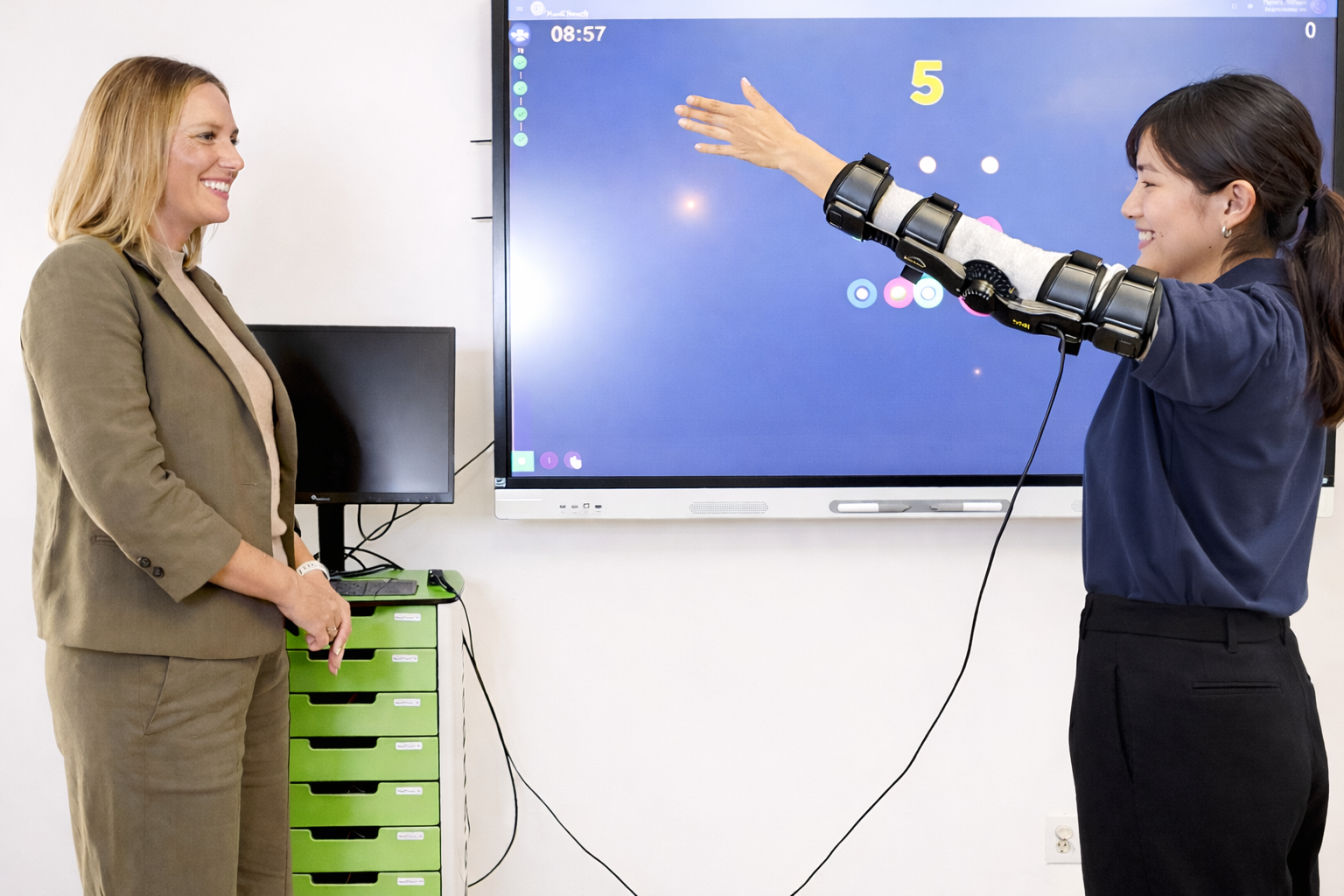
MSOT education is intentionally designed to blend lecture-based instruction with applied learning. A typical day in the life of an MSOT student at Stanbridge University includes classroom sessions that establish theoretical foundations and lab sessions that emphasize skill development, assessment techniques, and clinical application. Stanbridge University students have access to advanced learning environments, including robotic rehabilitation technologies and a synthetic cadaver lab, which enhance understanding of human movement and functional performance.
This combination allows students to connect academic concepts with practical application as they prepare for clinical experiences and professional practice.
When Do MSOT Students Begin Fieldwork Experiences?
Fieldwork is a core component of MSOT education and begins early in the program. Level I fieldwork placements occur as full-time, one-week experiences during Terms 2, 3, and 4. These placements introduce students to clinical environments and professional expectations while reinforcing classroom learning.
Level II fieldwork consists of two full-time placements, each lasting twelve weeks, typically completed in later terms. These immersive experiences allow students to apply clinical reasoning, intervention planning, and professional communication under supervision, supporting readiness for entry-level practice.
Meanwhile, how long is Occupational Therapy School? Find out everything you need to know about this question here.
Is It Possible to Work While Enrolled in an MSOT Program?
Because the MSOT program follows a full-time schedule, balancing employment alongside coursework can be challenging. Classes, labs, and fieldwork requirements require consistent availability and flexibility. While students may pursue limited part-time work, this decision depends on individual circumstances, time management skills, and academic demands. Prospective Occupational Therapists are encouraged to plan carefully and consider how external commitments may affect program progression.
Preparing for Occupational Therapy Practice at Stanbridge University
Preparing for career flexibility begins with a curriculum that supports both depth of knowledge and adaptability. Stanbridge University’s Master of Science in Occupational Therapy program is designed to prepare students for diverse practice settings through graduate-level coursework, structured lab experiences, and supervised fieldwork placements.
Stanbridge University’s Master of Science in Occupational Therapy program is a full-time program consisting of 117 quarter credit hours and takes approximately 26 to 27 months to complete, including federal holidays and scheduled breaks.1 The program is offered at the Orange County, Los Angeles, and Riverside campuses.
The program is accredited by the Accreditation Council for Occupational Therapy Education (ACOTE®) of the American Occupational Therapy Association, and graduates are eligible to sit for the National Board for Certification in Occupational Therapy (NBCOT®) examination.2 Recent outcomes reflect consistent exam success, including a 97 percent NBCOT pass rate in 2024 at the Orange County campus, with prior years reporting pass rates of 100 percent in 2022 and 98 percent in 2023.3 These results reflect the program’s emphasis on academic preparation, clinical reasoning, and ongoing exam readiness support.
Stanbridge University Recognition
Stanbridge University offers healthcare degree programs across its Southern California campuses in Irvine, Alhambra, Riverside, and San Marcos. The university has been recognized for both academic excellence and workplace culture, including recognition in the 2025 Carnegie Classifications as an Opportunity College and in Research.com’s 2024 Best Healthcare Degree Programs in America.
Its Orange County campus earned the 2024–2025 ACCSC School of Excellence Award, and in 2025, Georgetown University’s Center on Education and the Workforce ranked Stanbridge among the top 5% of U.S. colleges for 10-year return on investment, based on earnings and tuition data from qualifying programs. Stanbridge is accredited by Investors in People (London) and certified as a Great Place to Work.
Complete award listings and sources are available at stanbridge.edu/awards.
Supporting Students Throughout the MSOT Journey
Stanbridge University provides a comprehensive student support framework designed to assist students academically and personally. From orientation through program completion, students have access to tutoring, academic resources, dedicated Student Services Officers, wellness support, and leadership development opportunities. These services are intended to help students navigate the typically demanding occupational therapy student schedule while maintaining personal well-being and academic focus.
If you are exploring graduate education in occupational therapy, learning about MSOT classes and labs and daily academic expectations can help you prepare with confidence. Visit the program page to learn more about Stanbridge University’s MSOT program or schedule a meeting with the admissions team to discuss how this program may align with your professional goals.
Frequently Asked Questions
A typical day often begins with didactic coursework focused on occupational therapy theory, assessment methods, or evidence-based practice.
In addition to scheduled class and lab hours, MSOT students may need to dedicate significant time each week to independent study.
MSOT education is intentionally designed to blend lecture-based instruction with applied learning.
Because the MSOT program follows a full-time schedule, balancing employment alongside coursework can be challenging.
Yes. MSOT students receive structured guidance before and during fieldwork, including academic oversight, clinical supervision, and program support to ensure alignment with ACOTE® fieldwork standards and learning objectives.
References
1 Program duration subject to change. Completion times vary depending on the start and end dates of a cohort and individual circumstances.
2 Source: Accreditation Council for Occupational Therapy Education (ACOTE®) of the American Occupational Therapy Association (AOTA), Accreditation Status, https://acoteonline.org/schools/?_schools=ota-associate&_paged=4. As viewed on November 3, 2025.
3 Source: NBCOT-COTA Pass Rates, 2022–2024, Orange County and Los Angeles campuses; National Board for Certification in Occupational Therapy, https://www.nbcot.org/Educators-Folder/SchoolPerformance. As viewed on April 14, 2025.