What Does the NBCOT Exam Measure?
The National Board for Certification in Occupational Therapy (NBCOT) exams measure whether candidates have the knowledge needed for entry-level occupational therapy practice. The OTR exam emphasizes evaluation, analysis, intervention planning, clinical decision-making, and professional practice. The COTA exam reflects the occupational therapy assistant role, with greater emphasis on gathering information and implementing interventions under OTR supervision.¹
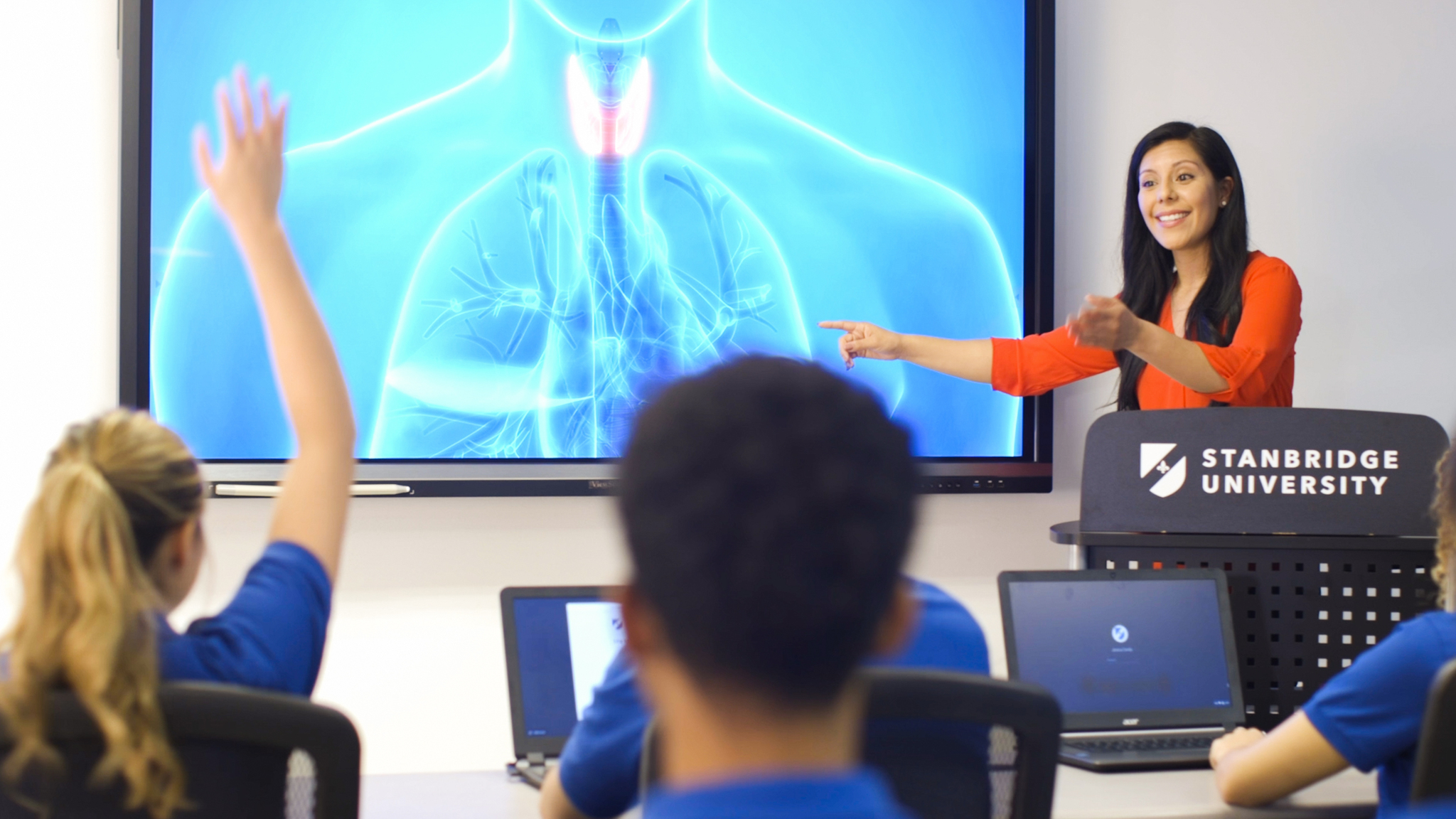
What Is the NBCOT Exam?
As part of the roadmap to accepting new occupational therapy professionals, NBCOT administers two national certification examinations:
- Occupational Therapist Registered (OTR) Exam: For eligible occupational therapist candidates
- Certified Occupational Therapy Assistant (COTA) Exam: For eligible occupational therapy assistant candidates¹
Both exams assess the knowledge required for entry-level practice, but the content differs because occupational therapists and occupational therapy assistants have different professional responsibilities.¹
NBCOT develops its examinations using practice analyses that identify tasks performed by entry-level occupational therapy professionals and the knowledge required to perform them.² As a result, the exams measure more than whether candidates remember information from school. They assess how occupational therapy knowledge applies to professional practice.
What Is the Difference Between the OTR and COTA Exams?
The OTR and COTA exams reflect the distinct responsibilities of occupational therapists and occupational therapy assistants.
| OTR Exam Emphasis | COTA Exam Emphasis |
| Evaluation and assessment | Collaborating and gathering information |
| Analysis and interpretation | Contributing relevant information |
| Developing and monitoring intervention plans | Implementing established intervention plans |
| Selecting and managing interventions | Implementing interventions under supervision |
| Practice management | Professional standards and responsibilities |
The OTR exam places greater emphasis on evaluation, analysis, planning, and management of intervention. The COTA exam emphasizes implementing interventions and contributing information within the collaborative occupational therapy process.¹

How Should Students Prepare for the NBCOT Exam?
To prepare for the exam, candidates should begin with NBCOT’s current examination outline and certification handbook.¹ ³ The exam outline identifies the main topics the exam content will cover, as well as how each topic is weighted in the exam grading. This helps candidates understand where the examination places greater emphasis.
For example, interventions represent:
- 38% of the OTR exam
- 55% of the COTA exam¹
However, candidates should prepare across all domains rather than studying only the largest sections.
While it is important to study as the NBCOT exam approaches, most candidates will already have a strong foundation in these concepts because many occupational therapy education programs also build preparation progressively. Coursework in anatomy, evaluation, clinical reasoning, intervention, evidence-based practice, professional standards, and fieldwork contributes to the knowledge candidates eventually bring to certification.
How Does Stanbridge Prepare Students for NBCOT Certification?
Stanbridge University incorporates certification and exam preparation into both its occupational therapist and occupational therapy assistant pathways.
Master of Science in Occupational Therapy
Stanbridge University’s MSOT program combines graduate coursework, laboratory learning, clinical reasoning, evidence-based practice, research, and supervised fieldwork.⁴
The program also includes ongoing NBCOT preparation and a comprehensive end-of-program review.⁴
The MSOT program:
- Is accredited by the Accreditation Council for Occupational Therapy Education (ACOTE)
- Is structured for completion in approximately 26–27 months
- Is offered at the Orange County, Los Angeles, and Riverside campuses
- Reports a 94% NBCOT-OTR certification pass rate for 2023–2025 for campuses included in the current reporting period ⁴
Occupational Therapy Assistant
Stanbridge University’s OTA program combines occupational therapy coursework, laboratory instruction, simulation-based learning, and supervised fieldwork.⁵
Students also receive cumulative review, exit examinations, an end-of-program review, and NBCOT-COTA preparation.⁵
The program is accredited by ACOTE at the Orange County and Los Angeles campuses and is structured for completion in approximately 22–23 months.⁵
Why Does Understanding the NBCOT Exam Matter Before OT School?
Understanding the NBCOT exam helps future students prepare for their licensure pathway and see how occupational therapy education connects with entry-level professional practice. Anatomy supports understanding of body functions. Evaluation and clinical reasoning help students analyze occupational performance. Intervention coursework develops therapeutic knowledge. Fieldwork provides supervised opportunities to apply what students have learned. NBCOT then assesses whether candidates can connect that knowledge with professional decision-making.²
For students considering the occupational therapist pathway, explore Stanbridge University’s Master of Science in Occupational Therapy program. Students interested in becoming occupational therapy assistants can review the Occupational Therapy Assistant program.

Frequently Asked Questions
Yes. Candidates pursuing the OTR credential must meet NBCOT eligibility requirements and pass the OTR certification examination. Applicable state licensure requirements must also be met before practice.
No. NBCOT certification and state licensure are separate. Candidates should review the licensing requirements for the state where they plan to practice.
No. The certification exams assess broad entry-level occupational therapy knowledge rather than expertise in one specialty or patient population.¹ ²
Yes, subject to NBCOT’s current eligibility, waiting-period, and application requirements. Candidates should review the current NBCOT Certification Examination Handbook for retake policies.¹
Eligibility depends on NBCOT’s current educational and certification requirements. Prospective students should verify that the program they are considering meets the requirements associated with their intended certification pathway.
Footnotes
¹ National Board for Certification in Occupational Therapy, NBCOT Certification Examination Handbook for OTR and COTA Candidates https://www.nbcot.org/-/media/PDFs/Cert_Exam_Handbook.pdf
² National Board for Certification in Occupational Therapy, Foundations of the Certification Examinations https://www.nbcot.org/exam-info/foundations
³ National Board for Certification in Occupational Therapy, Exam Outline https://www.nbcot.org/exam-info/exam-outline
⁴ Stanbridge University, Master of Science in Occupational Therapy https://www.stanbridge.edu/program/msot
⁵ Stanbridge University, Occupational Therapy Assistant Program https://www.stanbridge.edu/program/ota