Occupational Therapy Assistant vs. Physical Therapist Assistant Careers in California
Occupational therapy assistants (OTAs) and physical therapist assistants (PTAs) both work in rehabilitation, but they help patients reach different types of goals. OTAs generally help people develop or regain the skills needed to participate in meaningful daily activities, while PTAs focus more directly on movement, mobility, strength, and physical function. In California, both careers typically require accredited education, a national examination, and state licensure. California also projects strong employment growth for both occupations through 2032.¹ ² If you’re deciding between OTA and PTA education, comparing daily responsibilities, patient populations, program length, salary, job outlook, and licensure requirements can help you determine which career better aligns with your interests.
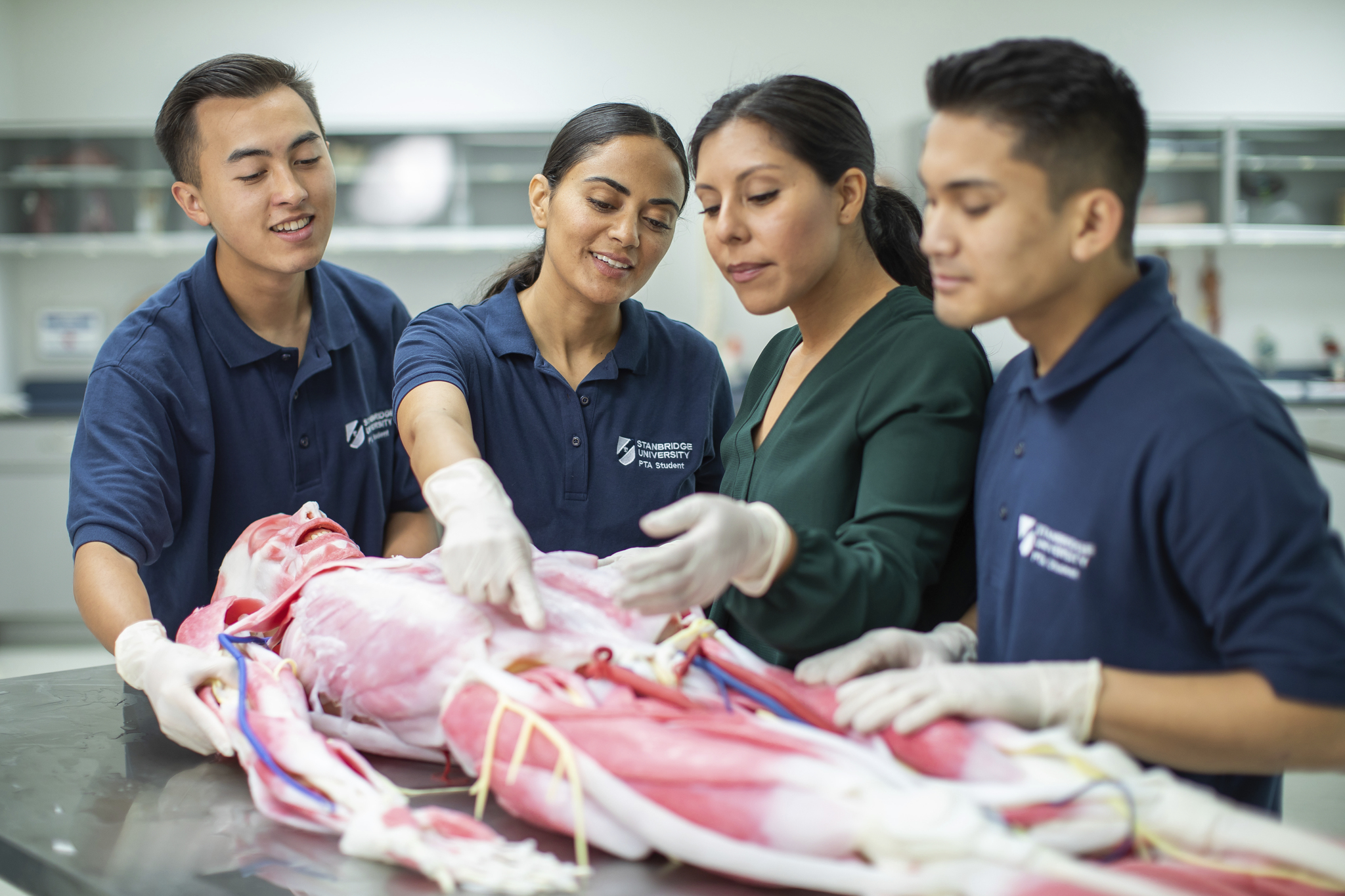
What Is the Main Difference Between an OTA and a PTA?
The central difference is the goal of the therapy. Occupational therapy focuses on helping people participate more fully in the activities they need or want to do in everyday life. Depending on the patient, those activities may include dressing, bathing, preparing meals, writing, attending school, working, or participating in hobbies.
Physical therapy focuses more directly on movement and physical function. Patients may receive physical therapy to improve strength, balance, walking, mobility, endurance, or movement after an injury, illness, surgery, or other health condition.
As a result, both careers involve hands-on rehabilitation, but the treatment goals can look different.
An OTA might help a patient practice dressing after a stroke, for example. Meanwhile, a PTA might help that same patient practice walking, balance, or therapeutic exercises.
The two professionals may even work with the same patient as part of a larger rehabilitation team.
What Does an Occupational Therapy Assistant Do?
Occupational therapy assistants work under the supervision of occupational therapists to help patients participate more independently in everyday activities.
OTA responsibilities may include carrying out treatment plans, selecting therapy activities based on patient needs, monitoring progress, documenting treatment, teaching patients and families how to use adaptive equipment, and helping people practice basic living skills.¹
Depending on the practice setting, an OTA may work with:
- Children developing fine motor or daily living skills
- Adults recovering from injury or surgery
- People living with neurological conditions
- Individuals experiencing mental or behavioral health challenges
- Older adults working to maintain independence
Treatment may involve self-care activities, adaptive equipment, fine motor skills, sensory strategies, cognitive activities, or modifications that make daily tasks easier to complete. OTA work may appeal to you if you’re interested in the connection between health and a person’s ability to participate in everyday life.
What Does a Physical Therapist Assistant Do?
Physical therapist assistants work under the direction and supervision of licensed physical therapists. PTA responsibilities typically include assisting with physical therapy treatments and procedures, carrying out routine treatment functions, documenting patient progress, and modifying specific treatments within the physical therapist’s established plan of care.²
Depending on the setting, PTAs may help patients living with or recovering from:
- Orthopedic injuries
- Joint replacement surgery
- Sports injuries
- Stroke
- Neurological conditions
- Mobility limitations
- Other illnesses or surgeries affecting movement
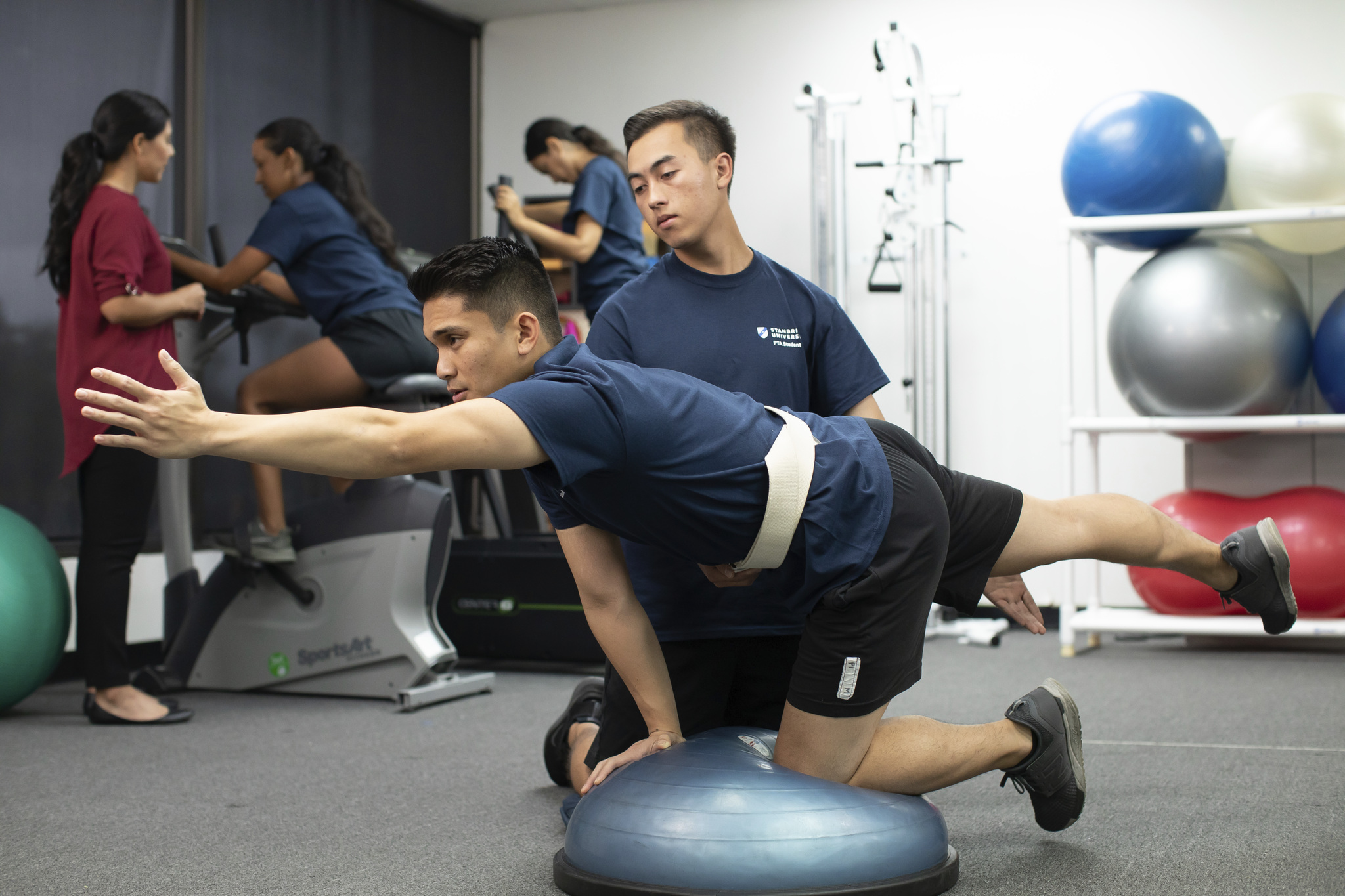
Treatment may include therapeutic exercise, gait training, balance activities, strengthening, stretching, mobility practice, and other interventions established by the supervising physical therapist. PTA work may appeal to you if you’re especially interested in anatomy, movement, exercise, mobility, and physical rehabilitation.
How Do You Become a Licensed Occupational Therapy Assistant in California?
After completing the required OTA education and fieldwork, graduates generally begin the certification and licensure process.
A common pathway includes the following steps:
- Graduate from an ACOTE-accredited occupational therapy assistant program.
- Apply for and pass the NBCOT certification examination for occupational therapy assistants.
- Apply for licensure through the California Board of Occupational Therapy.
- Complete the required fingerprint and criminal background check.
- Meet any additional application and licensing requirements established by the state board.³ ⁷
After passing the NBCOT examination, an occupational therapy assistant earns the Certified Occupational Therapy Assistant (COTA) credential. California also requires a state license to practice.⁴
Requirements and fees can change, so you should review current information directly from NBCOT and the California Board of Occupational Therapy before applying.
How Do You Become a Licensed Physical Therapist Assistant in California?
The PTA licensing pathway is similar in structure but involves different organizations and examinations.
A common pathway includes the following steps:
- Graduate from a CAPTE-accredited PTA program.
- Apply to the Physical Therapy Board of California (PTBC).
- Register for and pass the National Physical Therapy Examination (NPTE) for physical therapist assistants.
- Complete California’s jurisprudence requirement.
- Complete fingerprinting and other PTBC application requirements.
- Receive your California PTA license before practicing independently under the applicable supervision requirements.⁸
The PTBC currently uses the California Jurisprudence Assessment Module (CAL-JAM) to assess knowledge of California laws and regulations related to physical therapy practice.⁹
Because examination and application requirements can change, review the PTBC website for the current process before applying.
How Long Does It Take to Become an OTA in California?
The length of an OTA program varies by institution and schedule. ACOTE recognizes both associate- and bachelor’s-level educational pathways for entry into the occupational therapy assistant profession.³ However, associate degree programs are a common route.
A full-time associate-level OTA program can often take about two years, although prerequisites, academic calendars, fieldwork schedules, and individual progression can affect the total timeline.

How Long Does It Take to Become a PTA in California?
PTA education also generally takes about two years. CAPTE identifies PTA programs as technical, entry-level programs at the associate degree level. Graduation from a CAPTE-accredited program is required for eligibility to take the licensing examination.⁵ Program duration still varies by institution.
Therefore, the OTA and PTA pathways can have fairly similar educational timelines. Your decision may depend more on the type of rehabilitation work that interests you than on program length alone.
OTA Program Accreditation
The Accreditation Council for Occupational Therapy Education (ACOTE) accredits occupational therapy and occupational therapy assistant educational programs. ACOTE is recognized by the U.S. Department of Education and the Council for Higher Education Accreditation.³
Graduates of ACOTE-accredited OTA programs are eligible to take the National Board for Certification in Occupational Therapy (NBCOT) certification examination and pursue state licensure, subject to applicable requirements.³
PTA Program Accreditation
The Commission on Accreditation in Physical Therapy Education (CAPTE) accredits entry-level physical therapist and physical therapist assistant education programs. CAPTE is also recognized by the U.S. Department of Education and the Council for Higher Education Accreditation.⁵
Graduation from an accredited PTA program is required for eligibility to sit for the CAPTE licensing examination.⁵
Therefore, accreditation should be one of the first things you verify when comparing OTA or PTA programs.
What Is the Job Outlook for Occupational Therapy Assistants in California?
California projects strong employment growth for occupational therapy assistants. According to California EDD, OTA employment is projected to increase from approximately 2,700 positions in 2022 to 3,600 in 2032, representing 33.3% projected growth. The EDD projects approximately 5,160 total job openings during that period.¹
What Is the Job Outlook for Physical Therapist Assistants in California?
California projects even faster percentage growth for physical therapist assistants. According to California EDD, PTA employment is projected to increase from approximately 7,900 positions in 2022 to 11,200 in 2032, representing 41.8% projected growth. The EDD projects approximately 16,210 total job openings during that period.²
Employment projections do not guarantee employment for individual graduates, and demand varies by location, employer, experience, and economic conditions. However, these projections can provide useful context as you evaluate rehabilitation careers.
How Do OTA and PTA Salaries Compare in California?
Median wages for OTAs and PTAs in California are relatively similar. California EDD currently reports a median hourly wage of $40.31 for occupational therapy assistants, or approximately $83,845 annually.¹
For physical therapist assistants, EDD reports a median hourly wage of $40.97, or approximately $82,220 annually.²
Remember that actual wages vary based on employer, geographic location, experience, work schedule, practice setting, and other factors. Still, wage data can provide useful general context.
Where Do OTAs and PTAs Work?
There is significant overlap in the settings where the two professions work.
Both may work in:
- Hospitals
- Outpatient rehabilitation clinics
- Skilled nursing facilities
- Inpatient rehabilitation
- Home healthcare
- Other community or healthcare environments
In addition, occupational therapy assistants may work in settings where participation in school, daily living, or community activities is a major focus, including schools and community-based programs.
PTAs commonly work in environments centered more directly on physical rehabilitation, mobility, orthopedic recovery, neurological rehabilitation, and exercise.
How Do Stanbridge University’s OTA and PTA Programs Compare?
Stanbridge University offers both occupational therapy assistant and physical therapist assistant education at its Orange County and Los Angeles campuses.
Occupational Therapy Assistant Program
Stanbridge University’s Associate of Occupational Science in Occupational Therapy Assistant program is accredited by ACOTE at the Orange County and Los Angeles campuses.⁴
The full-time program is structured for completion in approximately 22–23 months and combines classroom instruction, laboratory learning, simulation-based education, and supervised fieldwork.⁴
Graduates who meet program requirements are eligible to apply for the NBCOT certification examination. After passing the examination, candidates must meet California’s requirements for state licensure before practicing as occupational therapy assistants.⁴
Physical Therapist Assistant Program
Stanbridge University’s Associate of Science in Physical Therapist Assistant program is accredited by CAPTE at the Orange County and Los Angeles campuses.⁶ The program is structured for completion in approximately 20–21 months and combines classroom instruction, laboratory practice, and supervised clinical education.⁶
Graduates of the Stanbridge PTA program may apply to the Physical Therapy Board of California and pursue the examinations and other requirements needed for state licensure.⁸
Both programs prepare graduates for entry-level practice within their respective professions. However, the curriculum, clinical experiences, accreditation, examinations, and professional responsibilities differ.
Is OTA or PTA the Better Career for You?
There is no single better choice between occupational therapy assisting and physical therapist assisting. Instead, consider what kind of patient progress you would find most meaningful.
OTA may align with your interests if you enjoy creativity, adapting activities or environments, helping people regain independence, and considering how physical, cognitive, emotional, and environmental factors affect daily life. PTA may align with your interests if you enjoy anatomy, exercise, movement, mobility, and helping patients improve physical function.
You should also consider program accreditation, curriculum, clinical or fieldwork education, schedule, program length, certification or licensing requirements, salary data, and employment projections. Both careers offer pathways into rehabilitation with approximately two years of education, and California projects substantial employment growth for both through 2032.¹ ²
Ultimately, understanding how the professions differ can help you choose the pathway that better matches your strengths, interests, and long-term goals.
To learn more, explore Stanbridge University’s Occupational Therapy Assistant and Physical Therapist Assistant programs or contact Stanbridge University.
Frequently Asked Questions
As an OTA, you generally help patients participate more independently in meaningful daily activities. As a PTA, you focus more directly on helping patients improve movement, mobility, strength, and physical function. Both roles provide treatment under the supervision or direction of the appropriate licensed therapist.
California EDD projects PTA employment to grow 41.8% from 2022 to 2032, compared with 33.3% projected growth for OTAs. Both rates indicate substantial projected growth, but employment projections do not guarantee individual job opportunities.¹ ²
California EDD reports a median hourly wage of $40.31 for OTAs and $40.97 for PTAs in the available statewide wage data. Actual earnings vary based on location, employer, experience, schedule, and practice setting.¹ ²
Program length varies by institution. Associate-level OTA and PTA programs commonly take about two years. Stanbridge University’s OTA program is structured for approximately 22–23 months full-time, while its PTA program is structured for approximately 20–21 months.⁴ ⁶
Yes. To practice as an OTA in California, you’ll need to meet California Board of Occupational Therapy licensing requirements after completing the required education and NBCOT certification process. PTAs must meet Physical Therapy Board of California licensure requirements, including the NPTE and California jurisprudence requirement.⁷ ⁸
For OTA education, look for accreditation from the Accreditation Council for Occupational Therapy Education (ACOTE). For PTA education, look for accreditation from the Commission on Accreditation in Physical Therapy Education (CAPTE).³ ⁵
PTA may align more closely with your interests if you especially enjoy exercise, anatomy, mobility, and physical rehabilitation. However, both careers involve hands-on patient care, so reviewing each profession’s curriculum and typical responsibilities can help you decide.
Footnotes
¹ California Employment Development Department, Occupational Therapy Assistants Occupational Profile https://labormarketinfo.edd.ca.gov/cgi/databrowsing/occExplorerQSDetails.asp?searchCriteria=occupational+therapist+assistant&careerID=&menuChoice=&geogArea=0601000000&soccode=312011&search=Explore+Occupation
² California Employment Development Department, Physical Therapist Assistants Occupational Profile https://labormarketinfo.edd.ca.gov/cgi/databrowsing/occExplorerQSDetails.asp?searchCriteria=physical+therapist+assistant&careerID=&menuChoice=&geogArea=0601000000&soccode=312021&search=Explore+Occupation
³ Accreditation Council for Occupational Therapy Education (ACOTE), About ACOTE https://acoteonline.org/about/
⁴ Stanbridge University, Occupational Therapy Assistant Program https://www.stanbridge.edu/program/ota
⁵ Commission on Accreditation in Physical Therapy Education (CAPTE), Importance of CAPTE Accreditation https://www.capteonline.org/about-capte/what-we-do/importance-accreditation
⁶ Stanbridge University, Physical Therapist Assistant Program https://www.stanbridge.edu/program/pta
⁷ California Board of Occupational Therapy, Applicants and Licensure Information https://www.bot.ca.gov/applicants/
⁸ Physical Therapy Board of California, PTA New Graduate Applicant Information https://www.ptbc.ca.gov/applicants/new_grad/
⁹ Physical Therapy Board of California Examination Information https://www.ptbc.ca.gov/applicants/new_grad/exam.shtml