Day in the Life of an LVN Student at Stanbridge University
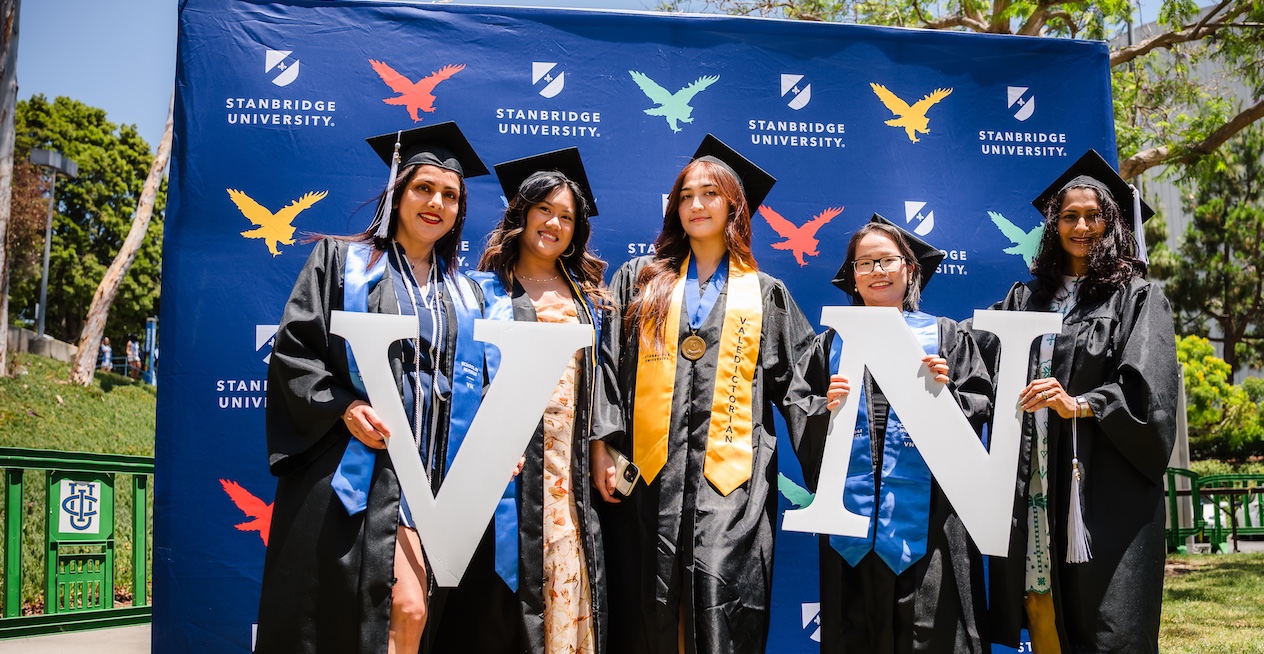
A Day in the Life of an LVN Student
- LVN students follow structured schedules that include theory classes, LVN lab practice, and clinical rotations.
- Full-time schedules may include classes up to 8 hours per day, with clinical shifts starting as early as 7:00 AM PT.
- Part-time students attend evening classes with weekend labs and clinicals.
- Many students work part-time while in school, depending on personal schedules and responsibilities.
- Stanbridge’s Vocational Nursing program offers comprehensive training through simulation, VR, and Cadaver Labs.
- Student support services include tutoring, mental health resources, career coaching, and dedicated student services staff.
A career in nursing begins long before licensure. It starts in the classroom, the lab, and the clinical environment where students learn the habits, discipline, and confidence they will carry into practice. If you have ever wondered what a typical day looks like for an LVN student, or how the vocational nursing school schedule is structured, this blog post will walk you through what you can expect as you begin preparing for this rewarding profession.
Stanbridge University’s Associate of Occupational Science in Vocational Nursing program offers a structured and supportive learning environment. Approved by the California Board of Vocational Nursing and Psychiatric Technicians (BVNPT)¹ and institutionally accredited by the Accrediting Commission of Career Schools and Colleges (ACCSC),² the program blends academic coursework, LVN lab practice, and supervised clinical experiences to help students build essential foundational skills.
What Does a Typical Day Look Like for an LVN Student?
While every student’s schedule varies depending on their term and track, most LVN students follow a rhythm that includes theory classes, practical lab hours, and clinical rotations.
Theory courses often begin in the morning for full-time students, sometimes as early as 7:00 AM, and may run for several hours. During this time, students study topics such as anatomy, pharmacology, mental health nursing, and medical-surgical concepts. These sessions emphasize critical thinking, communication, and foundational nursing principles.
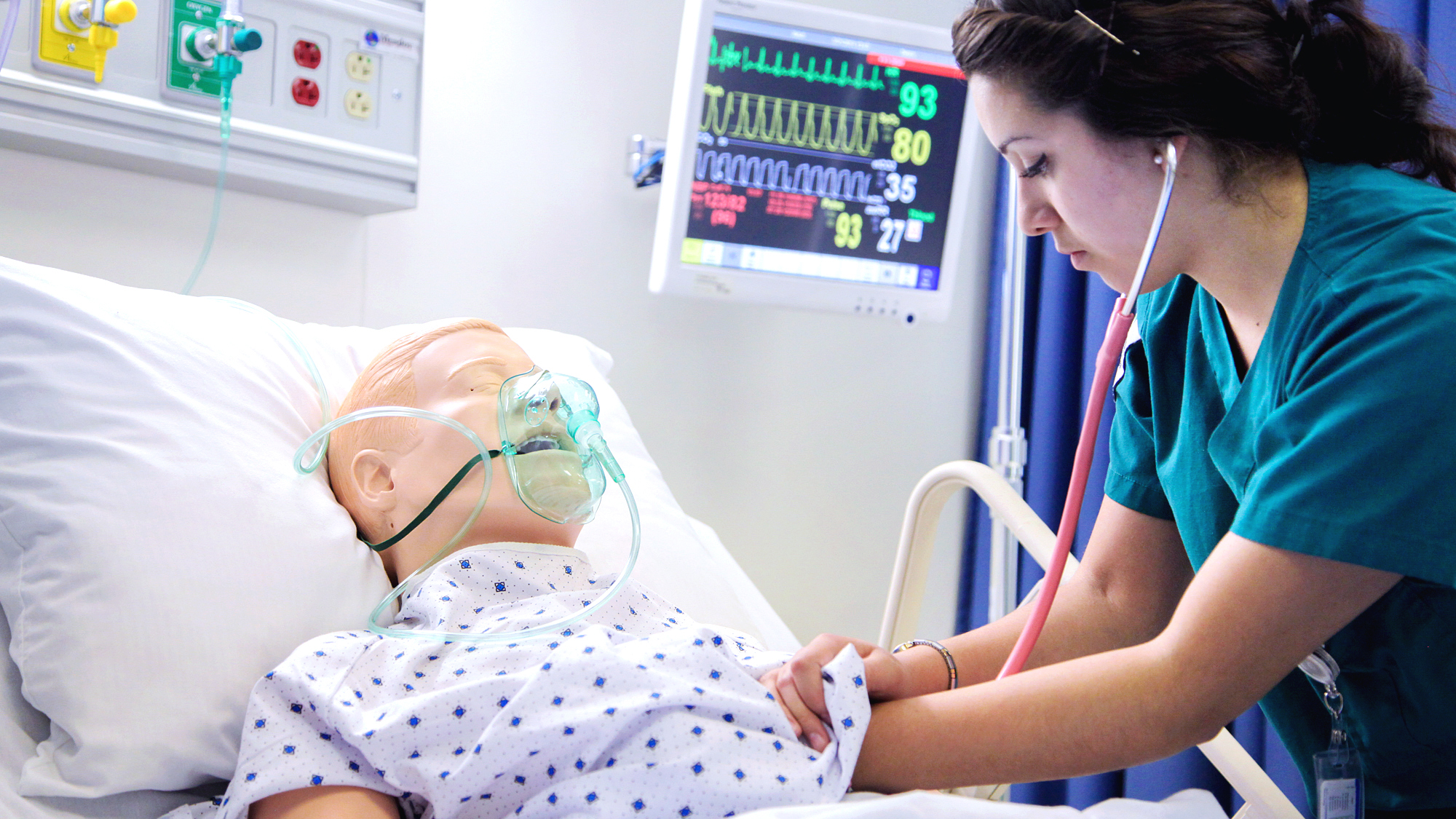
LVN lab practice typically follows or alternates with theory coursework. In these sessions, students practice skills such as vital signs, wound care, medication administration techniques, and patient communication strategies. Simulation experiences, VR-based lessons, and the Cadaver Lab help reinforce classroom concepts while allowing students to practice under faculty guidance.As students progress, they participate in clinical rotations across partnering healthcare facilities. Guided by clinical instructors, they apply developing knowledge to patient care activities, follow treatment plans, and observe how LVNs support nursing teams.
How Many Hours Per Week Do LVN Students Spend in Class and Lab?
The number of hours students spend in class and lab depends on whether they are enrolled full-time or part-time. Here’s how the Stanbridge University’s vocational nursing school schedule is structured:
- Full-Time Track:
Students may attend classes 1 to 4 days per week, with sessions lasting up to 8 hours. Clinical rotations may run 8- or 12-hour shifts, beginning as early as 7:00 AM PT. The full-time program can be completed in approximately 17–19 months.³ - Part-Time Track:
Designed for additional flexibility, part-time students typically attend one or two weekday evening classes, with labs and clinical rotations scheduled on weekends. Sessions may also last up to 8 hours. The part-time pathway takes approximately 26–28 months to complete.³
Schedules vary depending on course progression, term structure, and clinical placement availability. If you’re looking for a program that you can fit seamlessly into your current schedule, Stanbridge University offers an LVN program with night classes that may fit your life and career goals.
Can LVN Students Work Part-Time While in School?
Students at Stanbridge University may continue to work while completing their LVN program, particularly those on the part-time track. However, the workload is rigorous, and time management is essential. Students are encouraged to evaluate their personal responsibilities, energy levels, and support systems before committing to external employment. Admissions and Student Services staff may also help students determine a sustainable plan.
Inside the LVN Program at Stanbridge University
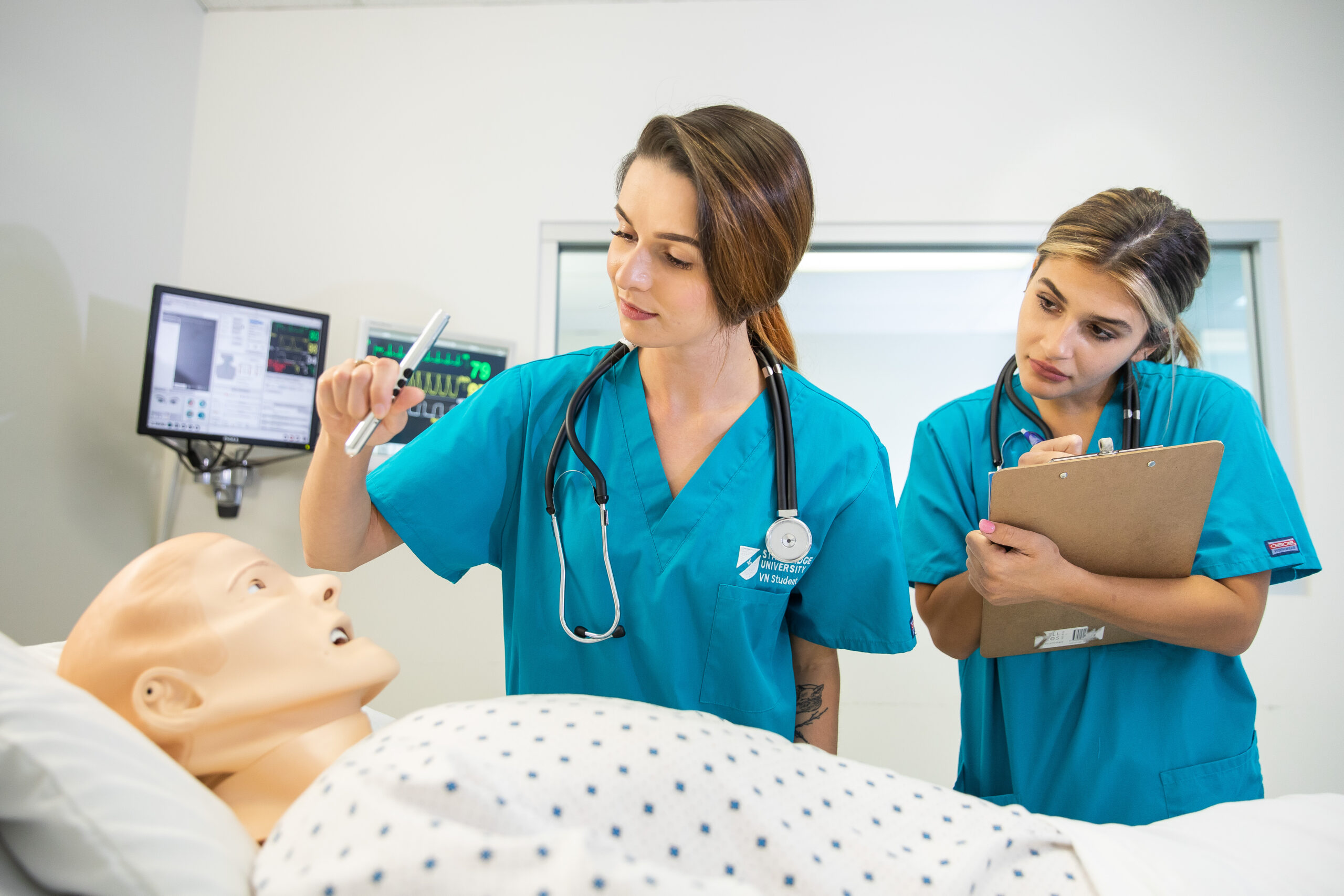
The Vocational Nursing program at Stanbridge University is built to help students progress step by step, building confidence as their skills grow. Instead of learning from textbooks alone, students engage with interactive labs, simulation experiences, and guided clinical rotations that connect what they learn in class to practical application.
Throughout the program, students explore core areas of nursing, such as medical-surgical care, maternal and newborn nursing, pediatric nursing, mental health, and leadership. Faculty support is central to the experience, offering guidance, feedback, and encouragement as students develop both technical and interpersonal skills.
Stanbridge also offers advanced learning environments, including high-fidelity simulation suites, a Cadaver Lab, and Virtual Reality Labs that bring key concepts to life in memorable ways. These tools help students practice safely, build clinical reasoning, and prepare for the transition into supervised clinical rotations.
NCLEX-PN performance is an important indicator of program strength. Recent first-time NCLEX-PN pass rates for Stabridge University include 94.74 percent for the Orange County campus and 92.86 percent for the Los Angeles campus.⁴ These outcomes reflect the institution’s ongoing commitment to supporting students as they work toward their goals.
Stanbridge University Recognition
Stanbridge University offers healthcare degree programs across its Southern California campuses in Irvine, Alhambra, Riverside, and San Marcos. The university has been recognized for both academic excellence and workplace culture, including recognition in the 2025 Carnegie Classifications as an Opportunity College and in Research.com’s 2024 Best Healthcare Degree Programs in America.
Stanbridge University’s Orange County campus earned the 2024–2025 ACCSC School of Excellence Award, and in 2025, Georgetown University’s Center on Education and the Workforce ranked Stanbridge among the top 5% of U.S. colleges for 10-year return on investment, based on earnings and tuition data from qualifying programs. Stanbridge is accredited by Investors in People (London) and certified as a Great Place to Work.
Complete award listings and sources are available at stanbridge.edu/awards.
Your LVN Journey Starts with the Right Support
Stanbridge University provides extensive student services designed to promote academic success and overall well-being. These include dedicated Student Services Officers, academic tutoring, mental health support with 24/7 access, career guidance beginning early in the program, and assistance with resumes and interviewing.
If you are ready to explore a structured vocational nursing school schedule supported by advanced labs, faculty mentorship, and comprehensive student resources, the LVN program at Stanbridge University may be an excellent next step, as well as a stepping stone into more advanced roles in the healthcare field.
Learn more about the Associate of Occupational Science in Vocational Nursing program or schedule a meeting with an admissions representative to discuss your goals and plan your educational pathway.
Frequently Asked Questions
Question: What does a typical day look like for an LVN student?
Answer: While every student’s schedule varies depending on their term and track, most LVN students follow a rhythm that includes theory classes, lab hours, and clinical rotations.
Question: How many hours per week do LVN students spend in class and lab?
Answer: The number of hours students spend in class and lab depends on whether they are enrolled full-time or part-time.
Question: Can LVN students work part-time while in school?
Answer: Students may continue to work while completing their LVN program, particularly those on the part-time track. However, the workload is rigorous, and time management is essential.
Question: Is Stanbridge University’s Vocational Nursing program approved and accredited?
Answer: Yes. The Associate of Occupational Science in Vocational Nursing program is approved by the California Board of Vocational Nursing and Psychiatric Technicians (BVNPT) at the Orange County, Los Angeles, Riverside, and San Diego campuses, and Stanbridge University is institutionally accredited by the Accrediting Commission of Career Schools and Colleges (ACCSC).
Question: How long does it take to complete the vocational nursing school schedule at Stanbridge?
Answer: The approximate time to complete the Associate of Occupational Science in Vocational Nursing program ranges from 17–19 months for full-time students to 26–28 months for part-time students, including holidays and term breaks.The specific weekly schedule varies by cohort, but both tracks combine classroom instruction, LVN lab practice, and supervised clinical rotations.
References
¹ Source: California Board of Vocational Nursing and Psychiatric Technicians (BVNPT), Accreditation and Licensing Information. www.bvnpt.ca.gov. As viewed on November 5, 2024.
² Source: Accrediting Commission of Career Schools and Colleges (ACCSC), Accreditation Information. www.accsc.org. As viewed on November 5, 2024.
³ Program duration subject to change. Completion times vary depending upon the start and end dates of a cohort and any individual circumstances that may impact progression.
⁴ Source: California Board of Vocational Nursing and Psychiatric Technicians (BVNPT) and the National Council of State Boards of Nursing (NCSBN), NCLEX-PN Pass Rates, 2019–2023. Orange County and Los Angeles campuses. https://www.bvnpt.ca.gov/pdf/vn_pass_rates.pdf. As viewed on November 5, 2024.